COVID-19 and GI Symptoms

People are more likely to develop viral gastroenteritis or the stomach flu during this time of year. Symptoms that can result from this illness include nausea, vomiting or diarrhea

Although symptoms of the stomach flu are common and often mild, it is important that they are not ignored because they may be indicative of a COVID-19 infection.

According to the Centers for Disease Control and Prevention (CDC), many people with COVID-19, experience gastrointestinal (GI) symptoms, sometimes prior to having a fever and lower respiratory tract signs. Therefore, if you are experiencing GI issues, you should watch for other COVID-19 symptoms such as shortness of breath or coughing as a precaution.

COVID-19 and viral gastroenteritis are both highly contagious. If you are concerned about a possible infection or experiencing symptoms of either illness, you should speak with a physician.  Your doctor can assess your condition and order tests to determine if you have COVID-19 or a gastrointestinal illness.

To schedule an appointment with a doctor at Flushing Hospital Medical Center, please call 718-670-5486.

All content of this newsletter is intended for general information purposes only and is not intended or implied to be a substitute for professional medical advice, diagnosis or treatment. Please consult a medical professional before adopting any of the suggestions on this page. You must never disregard professional medical advice or delay seeking medical treatment based upon any content of this newsletter. PROMPTLY CONSULT YOUR PHYSICIAN OR CALL 911 IF YOU BELIEVE YOU HAVE A MEDICAL EMERGENCY.
GERD

GERD Gastroesophageal Reflux Disease (GERD) or chronic acid reflux is a digestive disorder that occurs when the sphincter, a valve at the end of the esophagus does not close properly.  This allows contents from the stomach to reflux or flow up into the esophagus causing tissue damage or symptoms such as:

  • Heartburn
  • Nausea and vomiting
  • Difficulty or pain when swallowing
  • Chest pain
  • Regurgitation of food or sour liquids
  • Bad breath
  • The feeling of a lump in the throat

Certain lifestyle choices can aggravate symptoms, these include:

  • Eating large meals
  • Eating too soon before bed
  • Consuming certain foods and drinks such as chocolate, fatty or fried dishes, coffee or alcohol
  • Taking certain medications including some antihistamines or calcium channel blockers
  • Smoking

Some people are more likely to develop GERD than others. It occurs more commonly in those who are:

  • Overweight or obese
  • Pregnant
  • Smokers

It is important to talk to your doctor if you are experiencing persisting symptoms of GERD. If left untreated, GERD may lead to complications such as esophagitis (inflammation of the esophagus) or esophageal ulcers, interfering with your ability to swallow. Your doctor may be able to diagnose GERD by conducting a physical examination and assessing symptoms.  He or she might also recommend getting a series of tests.

A treatment plan for GERD may involve a change in diet and lifestyle, medication or surgery.

All content of this newsletter is intended for general information purposes only and is not intended or implied to be a substitute for professional medical advice, diagnosis or treatment. Please consult a medical professional before adopting any of the suggestions on this page. You must never disregard professional medical advice or delay seeking medical treatment based upon any content of this newsletter. PROMPTLY CONSULT YOUR PHYSICIAN OR CALL 911 IF YOU BELIEVE YOU HAVE A MEDICAL EMERGENCY.

COPD

Chronic Obstructive Pulmonary Disease (COPD) is an inflammatory lung disease that makes breathing difficult. It is caused by damage to the lungs over a prolonged period of time and is usually attributed to smoking.

COPD can result in serious, long-term disability and is the third leading cause of death in the United States.

The symptoms of COPD typically present when there is significant damage to the lung. They may include:

  • Shortness of breath
  • Chronic cough
  • Frequent respiratory infections
  • Wheezing
  • Swelling of the feet, ankles or legs

Those most at risk of developing COPD are individuals who:

• Are over age 40 and currently smoke or smoked at some point

• Worked or lived around chemicals or fumes

• Have certain genetic conditions

• Have asthma

If you think you have COPD, you should:

• Talk with your healthcare provider about your symptoms

• Request a breathing test, known as a spirometry

• Quit smoking! If you need help, ask your doctor

• Avoid pollutants or fumes that can irritate your lungs

COPD can lead to other health complications such as heart problems, lung cancer, or high blood pressure in the arteries that bring blood to your lungs.

While you can’t undo the damage COPD has caused to your lungs, there are steps you can take to prevent the condition from getting worse, this includes avoiding factors that can irritate lungs, taking medications as directed, enrolling in a pulmonary rehabilitation program, and receiving annual flu and pneumonia vaccines.

All content of this newsletter is intended for general information purposes only and is not intended or implied to be a substitute for professional medical advice, diagnosis or treatment. Please consult a medical professional before adopting any of the suggestions on this page. You must never disregard professional medical advice or delay seeking medical treatment based upon any content of this newsletter. PROMPTLY CONSULT YOUR PHYSICIAN OR CALL 911 IF YOU BELIEVE YOU HAVE A MEDICAL EMERGENCY.

Anorexia

Anorexia nervosa-often used interchangeably with anorexia, is an eating disorder and psychological condition characterized by having a distorted body image (believing one is much heavier than they are), and the intense fear of gaining weight or becoming obese.

The exact cause for anorexia nervosa is unknown; however, there are several environmental, biological and psychological factors believed to contribute to its development.

Individuals with anorexia nervosa aim to maintain a low body weight that is abnormal for their height and age. This is typically achieved by practicing unhealthy weight loss habits such as:

  • Exercising excessively
  • Severely restricting the amount of food consumed
  • Vomiting after eating
  • Misusing, diuretics, laxatives or diet aides

The symptoms of anorexia nervosa can be physical, emotional or behavioral, and may vary from person to person.

Physical symptoms can include:

  • Extreme weight loss
  • Severe loss of muscle mass
  • Fatigue
  • Thinning hair or hair that breaks easily
  • Fainting or dizziness
  • Infertility
  • Lanugo- soft, downy hair that covers the body

Emotional and behavioral symptoms may include:

  • An unhealthy preoccupation with food
  • Excessive concern about  being overweight
  • Adopting eating rituals such as chewing food and spitting it out
  • Lying about food intake
  • Avoiding eating in public
  • Repeated weighing or measuring of the body
  • Social withdrawal

Most individuals with anorexia nervosa hesitate to seek help because their desire to stay thin often outweighs their concerns for being healthy. However, anorexia nervosa can be life-threatening, so it is important that they receive the immediate care of physicians and mental health experts to help with overcoming this condition.

The diagnosis of anorexia nervosa generally includes physical exams, lab tests and psychological evaluations.  Treatment is often administered by a team of healthcare professionals who are experienced in dealing with eating disorders such as a primary care doctor, dietitian and psychologist.  A care plan may include medication, psychotherapy and nutrition education.

All content of this newsletter is intended for general information purposes only and is not intended or implied to be a substitute for professional medical advice, diagnosis or treatment. Please consult a medical professional before adopting any of the suggestions on this page. You must never disregard professional medical advice or delay seeking medical treatment based upon any content of this newsletter. PROMPTLY CONSULT YOUR PHYSICIAN OR CALL 911 IF YOU BELIEVE YOU HAVE A MEDICAL EMERGENCY.
OCD and COVID-19

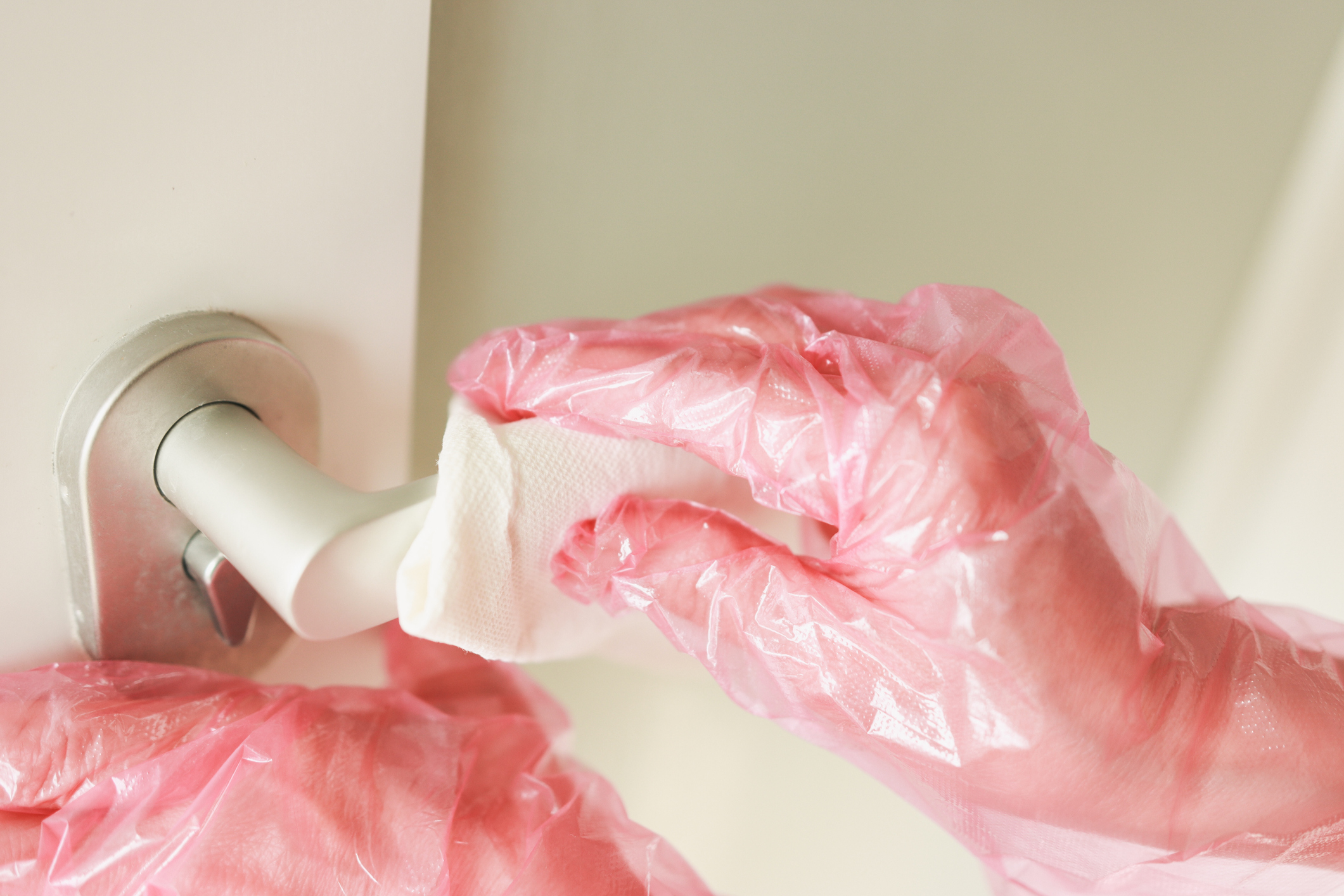
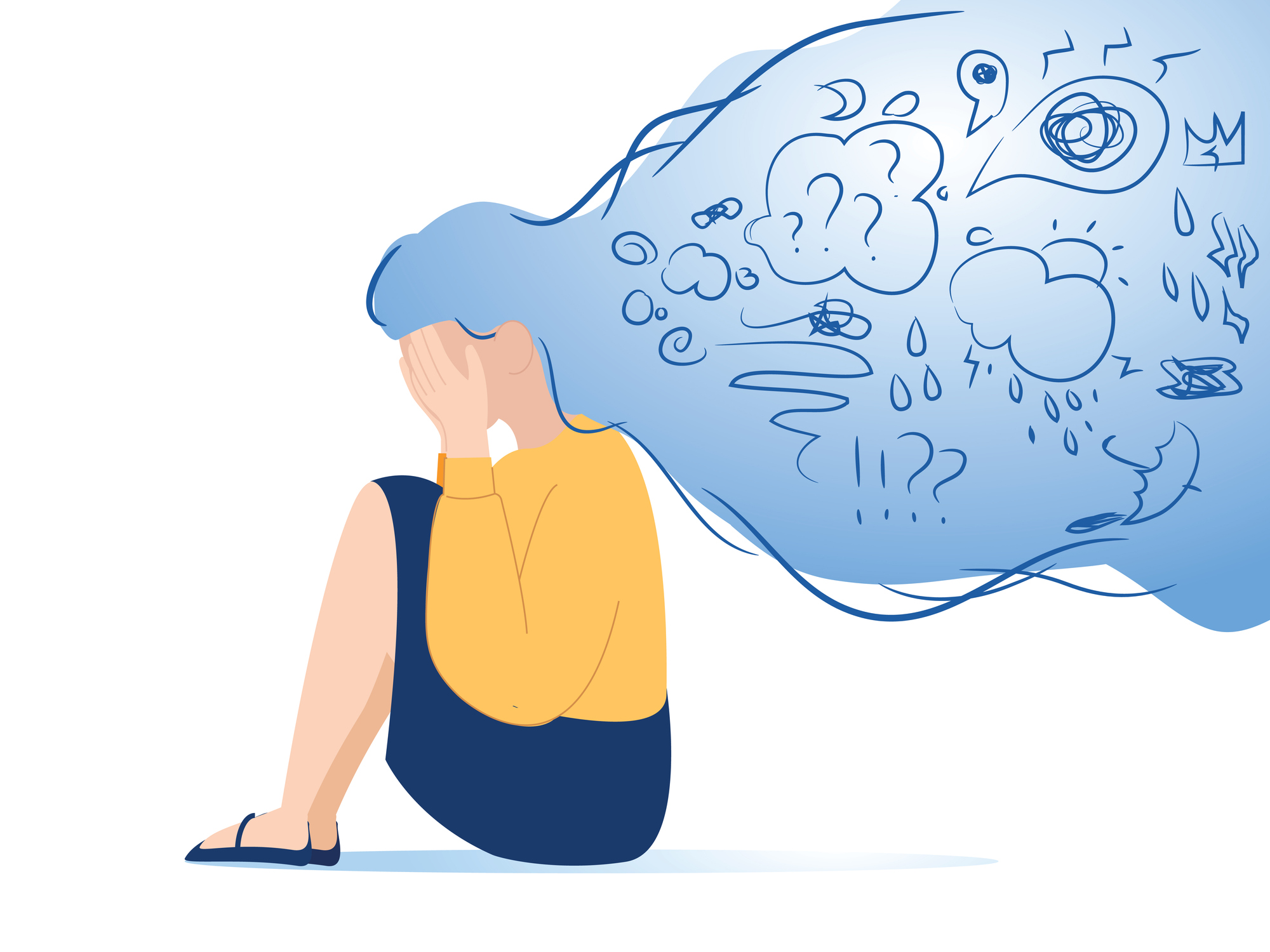
Obsessive Compulsive Disorder (OCD) is a chronic mental health condition that is characterized by unreasonable thoughts or obsessions that lead to repetitive behaviors(compulsions) such as excessive handwashing.

For many living with OCD, the stress of the COVID-19 pandemic has greatly impacted their mental health.

The threat of being infected with the virus and potentially becoming ill have presented certain challenges and in some cases exacerbated symptoms.

Stress and anxiety caused by the pandemic may result in the worsening of the following OCD symptoms:

  • Fear of contamination (Being afraid to touch objects other people have touched, or being afraid to touch others)
  • Excessive hand washing or showering
  • Excessively cleaning household items or other objects
  • Compulsive hoarding
  • Persistent unwanted or intrusive thoughts
  • Constantly checking that nothing terrible has happened
  • Difficulty dealing with uncertainty

According to the International OCD Foundation, there are measures that those living with OCD can apply to help them navigate this challenging time; these include:

  • Give yourself permission to set a basic safety plan based on the recommendations of trusted health organizations, and do not add to it.
  • Wash your hands with soap and water for 20 seconds after being outside or in public, before eating, after going to the bathroom, and after you’ve coughed/sneezed/blown your nose. If soap and water are not available to you, use hand sanitizer that contains at least 60% alcohol.
  • If you want to do more than this, pick a person to help you figure out what might be a reasonable and rational safety measure to take.
  • Remind yourself that no one can protect themselves “perfectly” from COVID-19, and no one expects you to. Times like these call for using your common sense instead of going to perfectionistic extremes.
  • Be mindful that your OCD may take advantage of COVID-19 fears by telling you that you might have infected someone or that you are going to infect someone in the future, whether accidentally or on purpose.
  • If you’re noticing these intrusive thoughts, or that you’re doing compulsions related to these thoughts, check in with your therapist and let them know how your symptoms might have changed. They can work with you to come up with new exposures and/or homework activities to help contain them.

If you are struggling with the symptoms of OCD or other mental health conditions please reach out to a mental health professional for assistance.

To schedule an appointment with a mental health professional at Flushing Hospital Medical Center, please call 718-670-5316.

All content of this newsletter is intended for general information purposes only and is not intended or implied to be a substitute for professional medical advice, diagnosis or treatment. Please consult a medical professional before adopting any of the suggestions on this page. You must never disregard professional medical advice or delay seeking medical treatment based upon any content of this newsletter. PROMPTLY CONSULT YOUR PHYSICIAN OR CALL 911 IF YOU BELIEVE YOU HAVE A MEDICAL EMERGENCY.
Nasal Polyps

Nasal PolypsNasal polyps are non-cancerous growths that develop on the lining of the nose or sinuses.  Polyps are soft, teardrop-shaped and can be pink or yellowish-brown in color. They often form as a result of prolonged inflammation and can cause infections or breathing problems.

Polyps commonly occur in people in their 30s or 40s but can arise at any age. Those who have asthma, certain disorders such as cystic fibrosis,  chronic sinusitis or allergies are more likely to develop nasal polyps.

In some cases, nasal polyps do not present any symptoms; however, if they do, one may experience:

  • Runny nose
  • Postnasal drip
  • Persistent stuffiness
  • No sense of smell or a poor sense of smell
  • Frequent nose bleeds
  • Snoring
  • Sleep apnea
  • A feeling of pressure over the face or forehead
  • Headaches
  • Loss of sense of taste

The risk for nasal polyps can be reduced by practicing hand hygiene to protect against infections that affect the nasal passage, using a nasal rinse to remove irritants or properly managing your asthma or allergies.

If you are experiencing symptoms associated with nasal polyps for more than 10 days, please see a doctor as soon as you can.  Your doctor may order tests that include imaging, a nasal endoscopy, and blood or allergy tests. Treatment may involve medications or surgery.

To make an appointment with a doctor at Flushing Hospital Medical Center, please call 718-670-5486.

All content of this newsletter is intended for general information purposes only and is not intended or implied to be a substitute for professional medical advice, diagnosis or treatment. Please consult a medical professional before adopting any of the suggestions on this page. You must never disregard professional medical advice or delay seeking medical treatment based upon any content of this newsletter. PROMPTLY CONSULT YOUR PHYSICIAN OR CALL 911 IF YOU BELIEVE YOU HAVE A MEDICAL EMERGENCY.

Mistakes That Can Affect Your Blood Pressure Reading

Measuring your blood pressure at home is a very important part of properly managing hypertension.  Therefore taking accurate measurements is crucial.

To ensure accuracy, there are several things you should and should not do while measuring, as they can affect your reading.  Here are a few:

  • Always use the bathroom before measuring- Having a full bladder can add points to your reading.
  • Remain quiet- Talking while checking your blood pressure can cause deviations in measurements.
  • While seated make sure your back is supported and both your feet are placed flat on the ground-Measuring blood pressure in a posture where your back or feet are not supported can affect readings.
  • Keep your arm leveled with your heart- If your arm is not on the same level as your heart while getting a reading, you run the risk of getting measurements that are higher than your actual blood pressure level. Always make certain your arm is supported, you can rest it on a chair arm, table or desk to receive the best positioning.
  • Do not place the blood pressure cuff over clothing – Studies show that doing so can have an impact on systolic blood pressure. Your cuff should be placed on your bare arm during measurements.
  • Do not eat or drink anything 30 minutes before taking your blood pressure- Consuming food or drinking beverages within that time can result in a reading that may be inaccurate and high.

Improperly measuring your blood pressure can have serious consequences.  According to the Centers for Disease Control and Prevention (CDC), “A reading that underestimates your blood pressure might give you a false sense of security about your health. But a reading that overestimates your blood pressure might lead to treatment you don’t really need.”

In addition to following best practices for an accurate blood pressure reading, it is important that you keep track of your numbers. You can use a notebook, app or chart to do so.  If you are concerned about changes in your blood pressure readings, contact your doctor right away.

All content of this newsletter is intended for general information purposes only and is not intended or implied to be a substitute for professional medical advice, diagnosis or treatment. Please consult a medical professional before adopting any of the suggestions on this page. You must never disregard professional medical advice or delay seeking medical treatment based upon any content of this newsletter. PROMPTLY CONSULT YOUR PHYSICIAN OR CALL 911 IF YOU BELIEVE YOU HAVE A MEDICAL EMERGENCY.

The Difference Between Being Overweight and Obese

According to the Centers for Disease Control and Prevention (CDC), adults 20 years and older with a Body Mass Index (BMI) of 25.0- 29.9 are considered to be overweight, those with a BMI of 30.0 and above are categorized as obese. A BMI of 40 or higher is indicative of being morbidly or severely obese.

If a person is obese, they are at risk of developing health problems such as sleep apnea, heart disease, high blood pressure or diabetes. The risk for these complications can be decreased by losing weight.

While applying lifestyle changes such as eating a healthy diet and exercising can help in achieving weight loss, they may not be enough to yield significant results for individuals struggling with obesity-related diseases.

Weight loss (bariatric surgery) has been proven to be a safe and effective way to overcome this challenge.  This type of surgery is performed on the stomach or intestines to reduce food intake or absorption, and induce weight loss.

Candidates for weight loss surgery include those who:

  • Have a body mass index  (BMI) over 40
  • Are more than 100 lbs. over their ideal body weight
  • Are experiencing disabling pain in weight-bearing joints
  • Have a BMI of 35 along with obesity-related disorders such as high blood pressure, diabetes, sleep apnea or degenerative joint disease
  • Have tried to lose weight through diet and exercise but  have been unsuccessful

Choosing a weight loss surgery provider that is accredited by programs such as the Metabolic and Bariatric Surgery Accreditation and Quality Improvement Program (MBSAQIP®) is highly recommended. This accreditation ensures that your provider follows a high standard of care.

Flushing Hospital’s Bariatric Surgical Center is the first Bariatric Center of Excellence accredited by the MBSAQIP. The center provides care from a multi-disciplinary group of health care practitioners who are compassionate and fully invested in helping you in every step of your weight loss journey.

To learn more about Flushing Hospital’s Bariatric Surgical Center, please call 718-408-6977or 718-670-8908.

All content of this newsletter is intended for general information purposes only and is not intended or implied to be a substitute for professional medical advice, diagnosis or treatment. Please consult a medical professional before adopting any of the suggestions on this page. You must never disregard professional medical advice or delay seeking medical treatment based upon any content of this newsletter. PROMPTLY CONSULT YOUR PHYSICIAN OR CALL 911 IF YOU BELIEVE YOU HAVE A MEDICAL EMERGENCY.

How To Help Kids Wear Face Masks

Kid wearing face maskWearing a mask can help stop the spread of COVID-19. The Centers for Disease Control and Prevention (CDC) recommends that adults and children over the age of two years old wear a face mask when going outside- especially to places where it may be difficult to practice social distancing.

While most adults can easily adhere to these recommendations, it may be harder to introduce the habit of wearing a mask to young children.  Parents may encounter the following challenges:

  • Some kids may not like how masks look
  • Masks may feel uncomfortable to children
  • Some children may feel panicked when a mask is placed on their faces

Here are a few steps adults can take to help children feel more comfortable and adjust:

  • Be a role model by wearing a mask when appropriate.
  • Explain why it is important to wear a mask in simple words that kids can understand.
  • Make masks appear less scary by placing them on a child’s favorite stuffed animal or doll, or by showing pictures of other children in masks.
  • Make masks feel special or personalized by allowing children to decorate or pick them out.
  • To avoid discomfort, ensure that masks fit correctly and children can breathe easily.
  • Allow kids to practice wearing a mask for a few minutes each day. This will help with their comfortability when wearing a mask outside for longer periods of time.
  • If masks feel uncomfortable, parents can purchase additions such as face mask extenders or ear savers.
  • Empower children by using positive reinforcements such as praises when they are wearing their masks.

COVID-19 is a highly transmissible disease, by wearing a face mask in public settings you are creating a barrier that can help protect you and your child.  Please keep in mind, the CDC does not recommend that children under the age of two wear masks; additionally, any child who is unable to remove their mask without assistance should not wear one.

All content of this newsletter is intended for general information purposes only and is not intended or implied to be a substitute for professional medical advice, diagnosis or treatment. Please consult a medical professional before adopting any of the suggestions on this page. You must never disregard professional medical advice or delay seeking medical treatment based upon any content of this newsletter. PROMPTLY CONSULT YOUR PHYSICIAN OR CALL 911 IF YOU BELIEVE YOU HAVE A MEDICAL EMERGENCY.

What To Expect and How To Prepare for Your Mammogram

mammogram-516258564Your doctor may have recommended scheduling a mammogram as part of your annual exam or to further examine symptoms you may be experiencing that are relative to cancer. Whatever the reason may be for testing, mammograms can be stressful for some women.

Although the anxiety leading up to the day of your mammogram may be overwhelming, it is important not to put off testing.  A mammogram is very effective in the early detection of breast cancer.

Knowing what to expect can alleviate some of the anxiety and stress that may occur before and during the process.  Here are a few tips to help guide you through the process and make your experience more comfortable:

  1. Preparing for your mammogram. Scheduling your mammogram a week after menstruation is often recommended by physicians because your breasts will be less tender and swollen. It is also recommended that you do not wear deodorants, antiperspirants, lotions, powders or ointments on your chest area because they may show up as abnormalities in your X-rays. Come prepared to remove all garments and jewelry on your upper body. If you have any concerns or symptoms you would like to discuss do not hesitate to do so before the examination. Most importantly, make certain that the facility is accredited by the American College of Radiology and specializes in breast imaging.
  2. The duration of your mammogram. A mammogram typically takes 20 -30 minutes to complete. Times may vary if you have larger breasts, denser breasts or implants. During this time a mammogram technologist will position your breasts on the X-ray machine and compress them each for a few seconds. You may experience some discomfort or pain. Technologists are trained to ensure your privacy and to do their best to make you as comfortable as possible. If the degree of pain is too much, please inform the technologist.
  3. After the test. After images are taken of your breast, their quality will be checked by a technician. If they are not up to standard the technologist will have to re-issue the mammogram. Otherwise, your radiologist will review and interpret the images. The radiologist will look for evidence of cancerous or benign tissues and send a report to your doctor.

If suspicious findings or abnormalities are found in your mammogram, the radiologist or your doctor may recommend another mammogram or breast ultrasound to further investigate their findings.

Flushing Hospital’s Radiology Department offers a wide variety of state-of-the-art diagnostic and specialty services performed by over 16 board-certified and subspecialty trained radiologists, along with several highly trained and experienced technologists

For more information about the radiology services offered by the hospital or to schedule an appointment, please call the Department of Radiology at 718- 670-5458.

All content of this newsletter is intended for general information purposes only and is not intended or implied to be a substitute for professional medical advice, diagnosis or treatment. Please consult a medical professional before adopting any of the suggestions on this page. You must never disregard professional medical advice or delay seeking medical treatment based upon any content of this newsletter. PROMPTLY CONSULT YOUR PHYSICIAN OR CALL 911 IF YOU BELIEVE YOU HAVE A MEDICAL EMERGENCY.