Understanding Bipolar Disorder

Bipolar disorder is a form of mental illness that is marked by extreme shifts in a person’s mood. Those with bipolar disorder experience periods of being overly happy to feelings of extreme sadness and hopelessness.

Bipolar disorder is also known as manic depression.  The word “manic” describes the times when someone feels overly excited and confident, while the word “depressive” describes the times when the person feels very sad or depressed. Most people with bipolar disorder spend more time with depressive symptoms than manic ones.

During their “highs” people with bipolar disorder are often restless, act impulsive, speak in a rapid fashion, have an increased sex drive, and are more likely to abuse drugs or alcohol. Conversely, during “the lows” those with bipolar disorder have trouble concentrating, experience changes in their appetite, require an abundance of sleep or experience insomnia, have difficulty making decisions, and experience thoughts of death or suicide.

In bipolar disorder the dramatic episodes of high and low moods do not follow a set pattern. Someone may feel the same mood state (depressed or manic) several times before switching to the opposite mood. These episodes can happen over a period of weeks, months, and sometimes even years. In between these periods, those with bipolar disorder can feel completely normal.

Signs of bipolar disorder typically first become evident during adolescence or young adulthood, but in rare cases the onset can take place during childhood. It is equally prevalent in men and women and can run in families. There is no single known cause for bipolar disease, but changes in genes, brain development and stress are all considered factors.

Diagnosing bipolar disorder is done by a trained mental health professional during an evaluation that will consist of a question and answer period. After ruling out that bipolar symptoms are not due to another cause, a doctor can outline a treatment plan that takes into account the severity, frequency, and length of symptoms.

The good news is there is treatment for bipolar disorder, but it is a long-term and on-going process that requires regular therapy and usually medication management. Medications prescribed are intended to stabilize the patient’s mood and avoid them from experiencing extreme highs and lows.

If you, or someone you love is experiencing symptoms associated with bipolar disorder, seek professional help. To schedule an appointment with a mental health professional at Flushing Hospital, please call 718-670-5562.

All content of this newsletter is intended for general information purposes only and is not intended or implied to be a substitute for professional medical advice, diagnosis or treatment. Please consult a medical professional before adopting any of the suggestions on this page. You must never disregard professional medical advice or delay seeking medical treatment based upon any content of this newsletter. PROMPTLY CONSULT YOUR PHYSICIAN OR CALL 911 IF YOU BELIEVE YOU HAVE A MEDICAL EMERGENCY.

Can Exposure to the Sun Affect Your Blood Pressure?

High blood pressure (or hypertension) is a common, yet potentially very serious health condition that can lead to heart disease or stroke. To combat hypertension, doctors usually recommend that their patients follow a healthy, low salt diet and exercise regularly, but is there another simple thing that we all can do to lower our blood pressure?

Recent studies have indicated that spending more time outdoors in the sun can lower your lower pressure. What was found is that nitric oxide stored in the top layers of the skin reacts to sunlight and cause blood vessels to widen as the oxide moves into the bloodstream. That, in turn, lowers blood pressure.  The research, which was conducted by British researchers at the University of Southampton, exposed individuals with blood pressure within normal range to ultra violet light.  After exposure, those in the study saw a modest decrease in blood pressure levels. Researchers believe that the drop will be even more significant in individuals with elevated blood pressure.

Additional studies have concluded that people with higher levels of Vitamin D ( a vitamin that is commonly linked to sun exposure), experienced lower blood pressure levels and were at lower risk of developing hypertension. In fact, according to one recent study, for every 10 percent increase in vitamin D levels, there was an 8 percent decrease in the risk of developing hypertension.

Lastly, blood pressure levels tend to fluctuate seasonally, with levels typically being at their highest during the winter months. There are many potential factors for this, including  changing weather patterns and increased weight gain during the winter, but could more sun exposure be a factor in lower blood pressure during summer months?

This information does not mean that those looking to lower their blood pressure should rely on sun exposure as their only form of treatment against hypertension, nor should individuals ignore the potential dangers of prolonged, unprotected exposure to the. This research merely suggests that, if done responsibly, exposure to the sun can have a positive effect on your blood pressure levels.

If you have hypertension, speak with your physician about how increased sun exposure may benefit your condition. If you do not have a doctor, please call 718-670-5486.

All content of this newsletter is intended for general information purposes only and is not intended or implied to be a substitute for professional medical advice, diagnosis or treatment. Please consult a medical professional before adopting any of the suggestions on this page. You must never disregard professional medical advice or delay seeking medical treatment based upon any content of this newsletter. PROMPTLY CONSULT YOUR PHYSICIAN OR CALL 911 IF YOU BELIEVE YOU HAVE A MEDICAL EMERGENCY.

Suicide Prevention- Pay Attention to The Signs

An estimated 1 million Americans attempt suicide each year. It is the 10th leading cause of death in the United States. Ninety percent of people who committed suicide had treatable mental health disorders that went unnoticed.   Suicides can be prevented if signs associated with the mental health disorder are recognized and addressed immediately.

Suicide prevention-467918329There are several signs that may indicate that a person is suffering from a mental health issue and is contemplating suicide. If someone you know exhibits the following behaviors, do not dismiss them as a passing phase:




  • Feelings of hopelessness
  • Self-loathing
  • Changes in sleep patterns; which can either be excessive sleep or a deprivation of sleep
  • Irritability or anger
  • Talking about harming themselves
  • Loss of interest in daily activities or things they were once passionate about
  • Reckless behavior
  • Increasing use of alcohol or drugs
  • A preoccupation with death
  • Getting their affairs in order in preparation for death
  • Verbalizing thoughts such as “ Everyone will be better without me”  or “I  have nothing  to live for”
  • Visiting or calling people to say goodbye

These actions are a cry for help. It is important to let your loved one know that you have recognized changes in their behavior, they are not alone and you are there to support them through this difficult time.  Speak openly about what they are feeling and ensure them they will not be judged because they feel suicidal.  Seek the help of a mental health professional immediately.  Insist on accompanying this person to their consultation or treatment. Continue to demonstrate your support during treatment by reminding them to take prescribed medications, keeping up with physician appointments and encouraging a positive lifestyle.

If you or someone you know is having suicidal thoughts or demonstrating suicidal behaviors, get help immediately. Call 911, 1-800-SUICIDE, or 1-800-273-TALK

All content of this newsletter is intended for general information purposes only and is not intended or implied to be a substitute for professional medical advice, diagnosis or treatment. Please consult a medical professional before adopting any of the suggestions on this page. You must never disregard professional medical advice or delay seeking medical treatment based upon any content of this newsletter. PROMPTLY CONSULT YOUR PHYSICIAN OR CALL 911 IF YOU BELIEVE YOU HAVE A MEDICAL EMERGENCY.

How to Prevent Dehydration During the Summer Heat

With the summer and warmer weather upon us causing more and more people to begin to participate in outdoor activities. Before you begin, make sure you drink plenty of water in order to avoid dehydration. Here are some tips to help you stay hydrated:


  • The rule that you need to drink eight glasses of water per day is a myth. The Institute of Medicine recommends women should receive 2.2 liters of fluid intake per day and men should get three liters. Keep in mind that fluid intake can come from beverages other than water.
  • While thirst is your body’s way of preventing dehydration, being thirsty doesn’t mean that you are dehydrated. Thirst is our brain’s way of telling us to drink more to avoid dehydration.
  • The color of your urine is a good, real-time indicator of dehydration, but the misconception is that urine should be clear. In truth, urine should be a pale-yellow color.
  • Caffeinated beverages, such as coffee or tea will not dehydrate you if consumed in moderate amounts. Caffeine is considered a mild diuretic, the amount of water in it offsets the amount of fluid it will cause you to lose through increased urination.
  • Drinking isn’t the only way of increasing your water intake. It is estimated that we get up to 20% of our daily water intake from the foods we eat. Fruits and vegetables contain the most, with cucumbers, celery, and watermelon having the highest concentration of water.
  • There is also such a thing as drinking too much water and becoming overhydrated. This can be very dangerous and can lead to a condition called hyponatremia. Symptoms include nausea, vomiting, headache, and fatigue. To avoid this problem, do not drink to the point that you are full from water alone.

All content of this newsletter is intended for general information purposes only and is not intended or implied to be a substitute for professional medical advice, diagnosis or treatment. Please consult a medical professional before adopting any of the suggestions on this page. You must never disregard professional medical advice or delay seeking medical treatment based upon any content of this newsletter. PROMPTLY CONSULT YOUR PHYSICIAN OR CALL 911 IF YOU BELIEVE YOU HAVE A MEDICAL EMERGENCY.

Flushing Hospital Offers Tips to Avoid Mosquito Bites This Summer

The summer is here and that means longer days and evenings spent outdoors. It also means an increased risk of getting bitten by mosquitos.

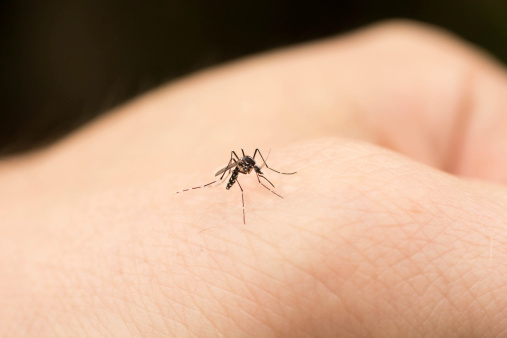
Mosquito bites occur when a female mosquito feeds on your blood. Mosquitoes select their victims by evaluating scent, exhaled carbon dioxide and the chemicals in a person’s sweat. When bitten, the proteins in the mosquito’s saliva trigger a mild immune system reaction. That reaction appears as a white, itchy bump on our skin.

The bump usually clears up on its own in a few days, but occasionally a mosquito bite can cause a large area of swelling, soreness and redness. This type of reaction is most common in children or adults not previously exposed to the type of mosquito that bit them, and people with immune system disorders. In these people, mosquito bites can also trigger a low-grade fever, hives, or swollen lymph nodes.

If mosquito bites lead to more serious symptoms — such as fever, headache, body aches and signs of infection — contact your doctor.

Mosquitos are also carriers of many diseases, including West Nile virus, malaria, yellow fever and dengue fever. While most of the diseases carried by mosquitos are found in other parts of the world, West Nile virus is now transmissible in the United States. In fact, doctors from Flushing Hospital were the first to identify the initial outbreak in 1999 and worked with health authorities to limit the exposure to the community.

Now Flushing Hospital wants to offer our community the following tips on how they can protect themselves from mosquito bites:

  • Wear protective clothing such as long pants and long sleeved shirts, particularly between dusk and dawn when mosquitos are most active
  • Avoid shaded, bushy areas where mosquitos like to rest
  • Remove any places where standing water can collect on your property, such as tires, cans, plastic containers fire pits, or pots
  • Make sure your roof gutters drain properly. Clean clogged gutters in the spring and the fall
  • Clean and chlorinate your swimming pools, outdoor saunas or hot tubs and drain water from pool covers
  • Change the water in your bird baths at least every three to four days
  • If you have severe reactions to mosquito bites, consider taking a non-drowsy, nonprescription antihistamine when you know you’ll be exposed to mosquitoes
  • Apply insect repellents that contain DEET as they are considered most effective

When applying insect repellent, it is important to follow a few safety measures including making sure you spray it on outdoors and away from food. If you’re using sunscreen, put it on about 20 minutes before applying the repellent and don’t apply repellent over sunburns, cuts, wounds or rashes.  When you go indoors, wash with soap and water to remove any remaining repellent.

Insect repellent with DEET is generally safe for children and adults, with a few exceptions. It is important to read the label carefully as infants and those with immunity complications should not use it. If you have any questions, you should consult your doctor.

By taking these precautions, Flushing Hospital hopes to help you limit your chances of becoming bit by a mosquito this summer.

All content of this newsletter is intended for general information purposes only and is not intended or implied to be a substitute for professional medical advice, diagnosis or treatment. Please consult a medical professional before adopting any of the suggestions on this page. You must never disregard professional medical advice or delay seeking medical treatment based upon any content of this newsletter. PROMPTLY CONSULT YOUR PHYSICIAN OR CALL 911 IF YOU BELIEVE YOU HAVE A MEDICAL EMERGENCY.

The Health Benefits of Rosemary

Rosemary is a fragrant herb native to the Mediterranean region.  It has a warm, bitter taste and it provides a nice flavor and aroma to many foods. In addition, rosemary can be used in tea or as an essential oil or liquid extract.

Rosemary is not only known for its taste and smell; it is also renowned for the many health benefits it possesses. A good source of iron, calcium and vitamins A, C, and B-6, rosemary has been used for its medicinal purposes for centuries.

Some of the many potential health benefits of rosemary include:

  • Rosemary is a rich source of antioxidants and anti-inflammatory compounds, which are thought to help boost the immune system and improve blood circulation.
  • Rosemary is considered a cognitive stimulant and can help improve memory performance and quality. It is also known to boost alertness, intelligence, and focus.
  • The aroma of rosemary has been linked to improving mood, clearing the mind, and relieving stress in those with chronic anxiety or stress hormone imbalances.
  • The oil of rosemary has been known to promote hair growth prevent baldness, slow graying, and treat dandruff and dry scalp.
  • Rosemary is often used for digestion problems, including heartburn, intestinal gas, liver and gallbladder complaints, and loss of appetite.
  • Rosemary is specifically powerful against bacterial infections. It is linked to preventing staph infections.
  • The nutrients in rosemary help protect skin cells from damage often caused by the sun and free radicals.

Rosemary is safe when taken in low doses, but if consumed in very large doses if can lead to serious side effects, such as vomiting, spasms, or even pulmonary edema. Please consult with your doctor before incorporating rosemary into your diet.

All content of this newsletter is intended for general information purposes only and is not intended or implied to be a substitute for professional medical advice, diagnosis or treatment. Please consult a medical professional before adopting any of the suggestions on this page. You must never disregard professional medical advice or delay seeking medical treatment based upon any content of this newsletter. PROMPTLY CONSULT YOUR PHYSICIAN OR CALL 911 IF YOU BELIEVE YOU HAVE A MEDICAL EMERGENCY.

Learn How to Better Avoid Slips and Falls

June is Safety Awareness Month and Flushing Hospital Medical Center wants everyone to focus on preventing injuries and making safety a priority.

Whether at home or in the workplace, one of the most common types of avoidable injuries are slips and falls. Millions of people are treated in emergency rooms for fall-related injuries every year and falls are the third leading cause of unintentional injury-related deaths in the United States.

Most fall-related injuries take place when ladders are involved. With the warm weather upon us, more and more people are working on outdoor projects where slips and falls are likely.

To avoid these types of injuries, Flushing Hospital’s Safety Department offers the following tips:

  • Scan the work area for potential hazards before starting any work
  • Make sure you have level ground to set up your equipment
  • If working outside, check the weather forecast; never work in inclement weather
  • Use the correct tool for the job, and use them as intended
  • Ensure stepladders have a locking device to hold the front and back open
  • Always keep two hands and one foot, or two feet and one hand on the ladder
  • Place the ladder on a solid surface and never lean it against an unstable surface
  • Wear slip-resistant shoes and don’t stand higher than the third rung from the top
  • Don’t lean or reach while on a ladder, and have someone support the bottom
  • Never use old or damaged equipment; check thoroughly before use


By following these simple tips, you can minimize your chances of suffering a fall-related injury and enjoy your summer.

All content of this newsletter is intended for general information purposes only and is not intended or implied to be a substitute for professional medical advice, diagnosis or treatment. Please consult a medical professional before adopting any of the suggestions on this page. You must never disregard professional medical advice or delay seeking medical treatment based upon any content of this newsletter. PROMPTLY CONSULT YOUR PHYSICIAN OR CALL 911 IF YOU BELIEVE YOU HAVE A MEDICAL EMERGENCY.

Proper Air Conditioner Maintenance is Important For Your Health

As the weather gets warmer, we look for relief from the heat. One of the best ways to cool down is by turning on our air conditioning units, but can our air conditioners be harmful to our health?

Air conditioners contain filters that are intended to block these particles from entering the air we breathe. This is why it is important to change your filters regularly.

If not properly maintained air conditioners can lead to or worsen existing health issues, such as several types of respiratory conditions. AC units can spread dust, mold spores, pollen, and other airborne particles throughout your home. This can have a detrimental effect on your respiratory system, which can result in discomfort and hay-fever -like symptoms, such as sneezing or a runny nose.

In addition, continued exposure to an improperly maintained air conditioning unit can irritate very sensitive mucous membranes and exacerbate pre-existing conditions, such as asthma.  Studies have even concluded that young children exposed to high amounts of mold in the air are more likely to develop asthma. One major source of mold exposure is through a poorly maintained air conditioning unit.

Every air conditioner is different so it’s important to read your manufacturer’s recommendations to determine how frequently you need to change your filters.

Another option is to not rely on your air conditioner so much. Open the windows and use fans to circulate the air in your home on cool evenings and on days that aren’t so hot.

All content of this newsletter is intended for general information purposes only and is not intended or implied to be a substitute for professional medical advice, diagnosis or treatment. Please consult a medical professional before adopting any of the suggestions on this page. You must never disregard professional medical advice or delay seeking medical treatment based upon any content of this newsletter. PROMPTLY CONSULT YOUR PHYSICIAN OR CALL 911 IF YOU BELIEVE YOU HAVE A MEDICAL EMERGENCY.

Are You Experiencing Tech Neck?

Our phones and tablets are so advanced and convenient; so much so that we now use them for practically everything. While this technology provides many benefits, our increased reliance on them is leading to a new health concern for some known as “Tech Neck.”

Browsing on tablet

Tech neck is a trending medical term that describes the condition associated with people who spend a lot of time on their phones or tablets. When we use these devices, we often hang our heads in a downward position. Whether we are holding them in our hands or resting them in our laps, the position of our heads while using these devices can place a great deal of strain on our head, neck, shoulders and back. In addition, this hunched position can lead to poor posture, muscle spasms, headaches and restricted range of motion to our head and neck area.

Doctors are reporting an increase in the number of patients who are experiencing head and neck pain as a result of overuse of their devices. This practice can affect anyone, but not surprisingly, the age group that has been impacted the most is teenagers and young adults as they spend the most time playing games on them.

To avoid developing head and neck issues from using these products, doctors recommend the following tips:

• Keep them at eye level to reduce hanging your head in a downward position.
• Shift positions while using your tablet to prevent neck and shoulder muscles from tensing up.
• Purchase a standing case and place your device on a flat surface instead of holding it.
• Never use a tablet or phone while lying in bed. Ergonomically, there is no way to do this without causing damage to your neck.
• Take breaks from using your tablet every 15 minutes.
• Most importantly, limit the use of time you spend on devices.

If you are experiencing prolonged head, neck, shoulder or back pain, please consult your physician about treatment options. If you do not have a doctor, please call Flushing Hospital’s Ambulatory Care Center at 718-670-5486 to make an appointment.

All content of this newsletter is intended for general information purposes only and is not intended or implied to be a substitute for professional medical advice, diagnosis or treatment. Please consult a medical professional before adopting any of the suggestions on this page. You must never disregard professional medical advice or delay seeking medical treatment based upon any content of this newsletter. PROMPTLY CONSULT YOUR PHYSICIAN OR CALL 911 IF YOU BELIEVE YOU HAVE A MEDICAL EMERGENCY.

Why is it Important to Have a Psychological Evaluation Prior to Weight-Loss Surgery?

An important component of the pre and post-surgical care for all patients considering having bariatric surgery is speaking with a psychologist.

While some might find this surprising or unnecessary, it is actually a routine part of the surgical process for patients to meet with a psychologist. In fact, psychologists, like dieticians and other specialists are considered a vital part of the bariatric team.

While it is important to identify the reasons why a psychological evaluation is important,  it is equally as important is to dispel any false information as to why one is needed. An evaluation is not performed to determine if a patient has a mental illness. People with obesity are considered as psychologically “normal” as those with lower body mass indexes and they do not fit any specific psychological profile. Therefore, the psychologist’s main purpose is not to search for any underlying problems that might have caused a patient to become affected by obesity.

Instead, the purpose of a psychological evaluation is to put potential patients in the best environment needed to succeed. This can be done by identifying their strengths, such as a strong motivation to exercise as their weight is coming off. Other things a psychologist can learn from a patient include getting a complete understanding of the effects of surgery will have on them as well as if they have a supportive team at home. Conversely, a psychologist can also identify areas where a patient might need additional support after surgery. This may include issues such as depression or mood swings, lack of family support or triggers for past emotional eating.

The psychologist’s purpose is never to “fail” people and exclude them from surgery. In fact, studies have shown that a very small number (perhaps four percent) of individuals are found to be poor candidates based on their psychological evaluation results.
A typical evaluation includes psychological testing, such as personality tests and other questionnaires. This paperwork is often completed before meeting with the psychologist. A patient will also have a face-to-face interview with a psychologist. In some cases, he or she may request a family member accompany a patient to determine the level of support they are receiving at home. Subjects such as past and present eating habits, as well as activity levels are usually discussed during this meeting and patients are encouraged to share what is motivating them to have surgery and share their concerns.

Flushing Hospital’s Bariatric Surgical Center has recently been recognized as a Center of Excellence, which means it provides the highest level of care to our patients, before, during and after surgery. For more information, or to schedule an appointment, please call 718-670-8908.


All content of this newsletter is intended for general information purposes only and is not intended or implied to be a substitute for professional medical advice, diagnosis or treatment. Please consult a medical professional before adopting any of the suggestions on this page. You must never disregard professional medical advice or delay seeking medical treatment based upon any content of this newsletter. PROMPTLY CONSULT YOUR PHYSICIAN OR CALL 911 IF YOU BELIEVE YOU HAVE A MEDICAL EMERGENCY.