Fall Activities

With temperatures dropping and crisp air abounding; the fall season is a great time to begin a fitness regime.

Some tips for how to start you fall fitness routine are:

Change it up – The fall season is a great season to spend time with family and friends while taking part in physical activities such as walking through apple and pumpkin patches, corn mazes or trails.

Participate in fun runs – The fall season is when organizations plan their fun runs.  You can participate in a 5K, or a turkey trot.  If you get a group together, it can further motivate you.

Appreciate fall foliage – The fall season brings with it lots of colored leaves.  Local parks usually have trails to walk, run or ride a bike on.

Go to a farmer’s market – Fall brings lots of root vegetables into season.  Take a bike ride and stop at local farmer’s markets to pick up some healthy, tasty fruits and veggies.

Rake the lawn – In the fall season, even chores can be a really good workout. Activities such as raking the leaves can provide great cardio exercise.

As you can see, fall offers several opportunities to stay active and create good habits that will last with you throughout the upcoming holiday season and winter months.

All content of this newsletter is intended for general information purposes only and is not intended or implied to be a substitute for professional medical advice, diagnosis or treatment. Please consult a medical professional before adopting any of the suggestions on this page. You must never disregard professional medical advice or delay seeking medical treatment based upon any content of this newsletter. PROMPTLY CONSULT YOUR PHYSICIAN OR CALL 911 IF YOU BELIEVE YOU HAVE A MEDICAL EMERGENCY.

Backpack Awareness Dayy

Backpacks are essential back-to- school items for kids.  They come in different colors, sizes and shapes and most importantly they help children to carry their belongings.  Backpacks are preferred by many in comparison to shoulder bags because when worn correctly, they evenly distribute weight across the body.  However, if worn incorrectly they can cause back pain or injuries and eventually lead to poor posture.

To prevent problems associated with improper backpack use, parents should first purchase a backpack that has the following features:

  • Lightweight
  • Wide and padded straps
  • Multiple compartments
  • Padded back
  • Waist belt
  • Correct size (A backpack should never be wider or longer than your child’s torso).

Practicing these safety tips will further reduce the chance of back pain or injuries caused by backpacks:

  • When packing, heavier items should be placed to the back and center of the backpack. Lighter items should be in front. Sharp objects such as scissors or pencils should be kept away from your child’s back.  Utilizing different compartments can help in distributing weight.
  • Do not over pack. Doctors recommend that children should not carry backpacks that weigh more than 10-15% of their body weight.
  • Ensure that children use both straps. Using a single strap can cause muscle strain.
  • Adjust the straps so that the backpack fits closely to your child’s back and sits two inches above the waist. This ensures comfort and proper weight distribution.
  • Encourage children to use their lockers or desks throughout the day to drop off heavy books.

The Pediatric Orthopedic Society of North America recommends that parents should always look for warning signs that indicate backpacks may be too heavy. If your child struggles to put on and take off the backpack, they are complaining of numbness or tingling or if there are red strap marks on their shoulders -It may be time for you to lighten their load.

All content of this newsletter is intended for general information purposes only and is not intended or implied to be a substitute for professional medical advice, diagnosis or treatment. Please consult a medical professional before adopting any of the suggestions on this page. You must never disregard professional medical advice or delay seeking medical treatment based upon any content of this newsletter. PROMPTLY CONSULT YOUR PHYSICIAN OR CALL 911 IF YOU BELIEVE YOU HAVE A MEDICAL EMERGENCY.

Remote Learning Tips

With the lazy days of summer coming to an end, it’s time to start the frenzy called “Back to School!”

Each year parents, guardians and students visit their local stores frantically purchasing supplies, clothing and all things school related.  However, the 2020-2021 school terms will be like no other.

For this school year, different models for learning are being offered. One of the models offered is Full Remote Learning.

If you have chosen this model for your student, Flushing Hospital Medical Center would like to share some helpful tips on how to help your student succeed:

  1. Utilize the internet for live video lessons and record lessons. It will be helpful for your student to be able to review the video to reinforce the lesson.
  2. Be sure your student has the tools they need to succeed. Both electronically and physically (such as, computer, scientific calculator, folders, paper, pads, pens, pencils, etc.)
  3. Provide a supportive, quiet and private space for learning where there are little to know distractions.
  4. Remain consistent in your methods and keep to a schedule, otherwise things could become disorganized.
  5. Be supportive of your student. Let them know you are there to help them navigate the unknown.
  6. Stay in touch with your students educators. Keep the lines of communication open between yourself and the educators so that you can be made aware of any assignments that may or may not have been submitted.
  7. Be supportive of your student. Remember, this is new territory for your student.  Try to remain understanding, patient and offer to help as much as you are able to.
  8. Create a cohort of support. Encourage your student to speak regularly with other students from their class, virtually or on the phone, to discuss, collaborate and communicate in real time. They will need to know that their problems are shared and can help each other by exchanging ideas.

Keep in mind that no matter what method or tip you follow, adapting to remote learning is going to be challenging.  We hope these tips will help reduce some of the stress and confusion

All content of this newsletter is intended for general information purposes only and is not intended or implied to be a substitute for professional medical advice, diagnosis or treatment. Please consult a medical professional before adopting any of the suggestions on this page. You must never disregard professional medical advice or delay seeking medical treatment based upon any content of this newsletter. PROMPTLY CONSULT YOUR PHYSICIAN OR CALL 911 IF YOU BELIEVE YOU HAVE A MEDICAL EMERGENCY.

Factors That Make A Pregnancy High Risk

More and more women are waiting to have families well into their late 30’s and beyond. According to the Centers for Disease Control, one in five women now wait until they’re 35 or older to have their first child. There may be some risks involved with a pregnancy conceived later in life, but a healthy lifestyle, along with regular visits to your Ob-Gyn can create a healthy pregnancy.

Oftentimes, women worry more about the risks of pregnancy at a later age than conception itself. While a woman’s fertility does decrease after the age of 30, certain  factors associated with pregnancy can cause it to be “high risk,” even in younger moms, who have existing health conditions, the mother’s age, lifestyle, and health issues that happen before or during pregnancy.

Some of those conditions could include:

• Higher risk of gestational diabetes and high blood pressure
• Greater risk of chromosomal abnormalities such as Down Syndrome
• Miscarriages and still birth
• Low birth weight

A pregnancy should be happy and welcomed news and planning should be no different. Increased risk factors and statistics should not be discouraging news. Often, statistics do not account for life style choices or pre-existing conditions. Here are a few tips to help you take the necessary steps toward a healthy pregnancy later in life:

• Schedule an appointment with your Ob-Gyn for a visit. Be very honest with your practitioner about any existing health conditions.
• Your Doctor may recommend additional testing such as genetic testing and counseling or sonograms.
• Begin taking pre-natal vitamin. Since folic-acid is important for prevention of birth defects, taking folic acid can add an important level of protection for older women.
• Exercise regularly; eat a well-balanced diet to maintain your weight. Gaining the appropriate amount of weight lessens the chance of your baby growing slowly and reduces the risk of preterm birth.
• Avoid smoking and drinking.

If you are interested in pre-pregnancy and fertility counseling, contact Flushing Hospital Women’s Health Center at 718-670-8994 to make an appointment.

All content of this newsletter is intended for general information purposes only and is not intended or implied to be a substitute for professional medical advice, diagnosis or treatment. Please consult a medical professional before adopting any of the suggestions on this page. You must never disregard professional medical advice or delay seeking medical treatment based upon any content of this newsletter. PROMPTLY CONSULT YOUR PHYSICIAN OR CALL 911 IF YOU BELIEVE YOU HAVE A MEDICAL EMERGENCY.
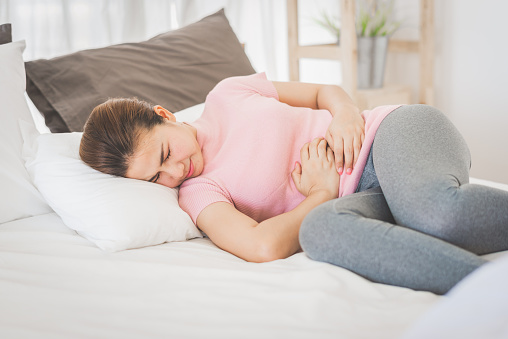
Is It Stomach Flu Season Already?

Gastroenteritis, or the stomach flu is a very contagious bug that is common in our region beginning in the fall and winter months.

Unlike influenza, which affects your respiratory system, the stomach flu attacks your intestines causing the following symptoms:

• Watery, non-bloody diarrhea
• Abdominal cramps and pain
• Nausea, vomiting or both
• Occasional muscle aches, headache, and low-grade fever

Gastroenteritis is typically spread through the sharing of food or drink with someone who is infected or sharing other items with them such as utensils or towels. Children can also spread the illness by placing their hands in their mouths after touching contaminated items or surfaces.

Symptoms usually appear within one to three days after exposure and can range from mild to severe. Typically symptoms last only a day or two, but in some cases, they may persist for up to ten days.

The main complication from viral gastroenteritis is dehydration — a severe loss of water and essential salts and minerals. If you’re healthy and drink enough to replace fluids you lose from vomiting and diarrhea, dehydration shouldn’t be a problem. However, infants, older adults and people with suppressed immune systems may become severely dehydrated when they lose more fluids than they can replace. Hospitalization might be needed so that lost fluids can be replaced intravenously. Dehydration can be fatal, but rarely.

To avoid catching the stomach flu, it is recommended that individuals wash their hands thoroughly, use separate items around the home, disinfect all potentially infected items and surfaces, and keep your distance from those who are infected.

If you do contract gastroenteritis, follow these tips:

• Let your stomach settle. Stop eating solid foods for a few hours.
• Try sucking on ice chips or taking small sips of water. You might also try drinking clear liquids or broths or non-caffeinated sports drinks. Drink plenty of liquid every day, taking small, frequent sips.
• Ease back into eating. Gradually begin to eat bland, easy-to-digest foods, such as ginger ale crackers, toast, gelatin, bananas, rice and chicken. Stop eating if your nausea returns.
• Avoid certain foods and substances until you feel better. These include dairy products, caffeine, alcohol, nicotine, and fatty or highly seasoned foods.
• Get plenty of rest. The illness and dehydration may have made you weak and tired.

See a doctor if you become dehydrated (characterized by excessive thirst, dry mouth, dark yellow or no urine, severe weakness or dizziness), if symptoms persist for over 24 hours, if you are vomiting blood or have blood in your stool, or if you have a temperature of 104 degrees or above.

All content of this newsletter is intended for general information purposes only and is not intended or implied to be a substitute for professional medical advice, diagnosis or treatment. Please consult a medical professional before adopting any of the suggestions on this page. You must never disregard professional medical advice or delay seeking medical treatment based upon any content of this newsletter. PROMPTLY CONSULT YOUR PHYSICIAN OR CALL 911 IF YOU BELIEVE YOU HAVE A MEDICAL EMERGENCY.

It’s National Lasagna Month

If you love lasagna, but are trying to eat healthy, you may want to try the recipe below.  It promises to be the cheesiest, gooiest, creamiest, BEST Easy Healthy Lasagna Recipe having all of the goodness of classic lasagna, but lightened up and loaded with healthy ingredients for a skinny version of the original recipe!

COOK TIME:1 hour 15 minutes

SERVINGS:6

Ingredients

  • 1/2 lb ground beef
  • 1/4 onion (chopped)
  • 2 zucchini (medium)
  • 1 summer squash (medium)
  • 15 oz. whole tomatoes (canned)
  • 10 oz. tomato sauce
  • 1/2 tsp garlic powder
  • 1/2 tsp dried parsley
  • 1 tsp dried basil
  • 6 uncooked lasagna noodles
  • 10 oz. cottage cheese (small curd)
  • 1/2 cup parmesan (grated)
  • 1 cup mozzarella (shredded)
  • salt/pepper

Instructions

  1. Preheat oven to 375 degrees.
  1. Cook the chopped onion and ground beef until the beef is fully cooked.
  2. While the beef is cooking, cut the zucchini and summer squash into small, 1/4″ – 1/2″ cubes.
  3. Once the beef is done cooking, set aside and drain.
  4. Cook the zucchini and summer squash for about 10 minutes.
  5. Add in the tomatoes, tomato sauce, and spices.
  6. Continue cooking over medium heat for another 15 minutes, stirring often.
  7. Add the cooked beef and onions back into the tomato sauce mixture and stir.
  8. Pour about 1/2 of the tomato sauce mixture into a 8″ x 10″ casserole dish.
  9. Place 3 of the lasagna noodles on top of the mixture (breaking each one in half if necessary), pressing each one down so that it’s covered with about 1/4″ of the tomato mixture on top.
  10. Add 1/2 of the cottage cheese to the casserole dish.
  11. Top with 1/2 of the parmesan and 1/2 of the mozzarella.
  12. Repeat steps 9-12 with the remaining ingredients.
  13. Cover the casserole dish with foil and bake for 30 minutes.
  14. Uncover and bake for another 15 minutes.
  15. Serve warm and enjoy!

If you want to know more about the nutritional values of this recipe and so many more healthy recipe’s visit :

https://www.jaroflemons.com/the-best-easy-healthy-lasagna-recipe/

All content of this newsletter is intended for general information purposes only and is not intended or implied to be a substitute for professional medical advice, diagnosis or treatment. Please consult a medical professional before adopting any of the suggestions on this page. You must never disregard professional medical advice or delay seeking medical treatment based upon any content of this newsletter. PROMPTLY CONSULT YOUR PHYSICIAN OR CALL 911 IF YOU BELIEVE YOU HAVE A MEDICAL EMERGENCY.

Flushing Hospital’s Chemical Dependency Unit

Chemical dependency is a term used to describe a disease characterized by the addiction to mood- altering chemicals found in legal or illegal drugs or alcohol. Some of the causes of chemical abuse and dependence are environmental stressors, social pressures, psychiatric problems or possible genetic traits.

People who have a chemical dependence most often abuse one or more of these agents:

  • Alcohol
  • Marijuana
  • Cocaine
  • Opiates
  • Inhalants
  • Hallucinogens
  • Methamphetamine
  • Pain medications

Warning signs that indicate a growing chemical dependence on these substances include:

  • Developing a tolerance to use more alcohol or drugs to get a desired effect
  • Interference with work, school, and relationships
  • Spending a lot of time getting, using or recovering from the use of substances
  • Craving drugs or alcohol on a continuing basis
  • Having withdrawal symptoms if drugs or alcohol are not available

The Chemical Dependency Unit at Flushing Hospital is a medically managed detoxification unit that offers safe withdrawal from alcohol and drugs. Culturally-sensitive treatment is provided by a dedicated and caring staff that consists of physicians, physicians’ assistants, specially trained nurses, credentialed alcoholism and substance abuse counselors, creative arts therapists, social workers, and psychiatric consultants. Their focus is stabilizing the individual physically and emotionally so they can start the recovery process.

In addition to providing treatment, educational groups are facilitated to help patients learn about addiction as well as creative arts groups to help patients understand and express their emotions. Also self-help groups, such as AA (Alcoholics Anonymous) and NA (Narcotics Anonymous), conduct meetings on the unit to familiarize patients with the support services they provide.

Patients are admitted 24 hours a day, seven days a week. The length of stay is usually between three and seven days. Discharge plans are based on the individual needs of the patient.

For more information or to schedule an appointment at the Chemical Dependency Unit at Flushing Hospital, call 718-670-5540 or 718-670-5693.

All content of this newsletter is intended for general information purposes only and is not intended or implied to be a substitute for professional medical advice, diagnosis or treatment. Please consult a medical professional before adopting any of the suggestions on this page. You must never disregard professional medical advice or delay seeking medical treatment based upon any content of this newsletter. PROMPTLY CONSULT YOUR PHYSICIAN OR CALL 911 IF YOU BELIEVE YOU HAVE A MEDICAL EMERGENCY.

When To See A Doctor For Wound Care

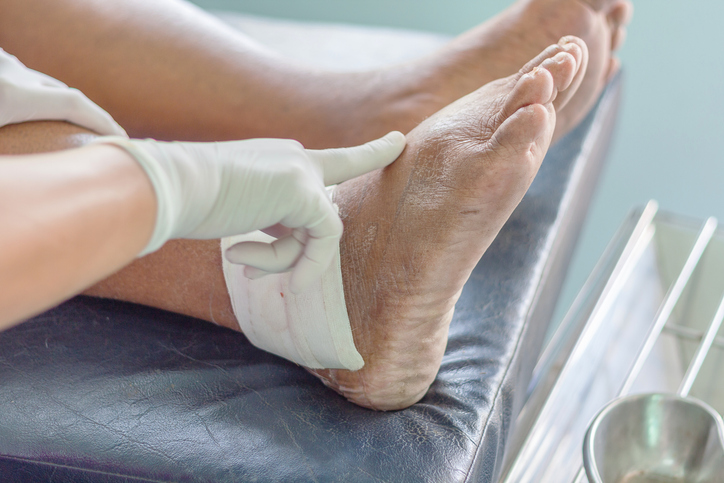
Each year, approximately 6 million people will suffer from problem wounds caused by diabetes, circulatory problems, as well as other conditions.

The Wound Care Center at Flushing Hospital Medical Center is a dedicated state-of-the-art, out -patient, clinical wound care service specializing in advancing wound care.

By using a variety of clinically coordinated treatments such as, debridement, medicines, dressings and support services to treat problem wounds, patients are experiencing high rates of wound healing.  Studies have shown that wound care treatment reduces the rate of amputations and lengths of stays in hospitals

Timely treatment is extremely important when seeking wound care as a possible remedy.  Any patient with a wound that has not started to heal in two weeks, or is not completely healed in six weeks may be a candidate for the Wound Care Center.

Wounds that may indicate a need for wound therapy are:

  • Pressure ulcers
  • Diabetic ulcers
  • Neuropathic ulcers
  • Ischemic ulcers
  • Venous insufficiency
  • Traumatic wounds
  • Surgical wounds
  • Vasculitis
  • Burns
  • Peristomal skin irritations

The Wound Care team at Flushing Hospital is a group of physicians, nurses, managers, educators and staff that are specialty-trained in wound management.  If you have a wound that is taking a long time to heal and would like to make an appointment, please call 718-670-4542.


All content of this newsletter is intended for general information purposes only and is not intended or implied to be a substitute for professional medical advice, diagnosis or treatment. Please consult a medical professional before adopting any of the suggestions on this page. You must never disregard professional medical advice or delay seeking medical treatment based upon any content of this newsletter. PROMPTLY CONSULT YOUR PHYSICIAN OR CALL 911 IF YOU BELIEVE YOU HAVE A MEDICAL EMERGENCY.

Do you have Menorrhagia

According to the Mayo Clinic, menorrhagia is the medical term for menstrual periods with abnormally heavy or prolonged bleeding.

Women with menorrhagia are unable to continue their normal activities when they are menstruating or have their “period”.  When their period arrives, it is accompanied by abnormally heavy bleeding, clotting and cramping.

Some common signs and symptoms of menorrhagia are:

  • Saturated sanitary pads or tampons every hour for several hours
  • Bleeding for longer than a week
  • Passing blood clots larger than a quarter
  • Presenting with signs of anemia, lethargy, fatigue or shortness of breath

Menorrhagia can be caused by a hormone imbalance, dysfunctional ovaries, uterine fibroids, polyps, adenomyosis, and/or cancer.

Although heavy menstrual bleeding is a common concern, most women don’t experience enough blood loss to be defined as menorrhagia.

If you are experiencing heavier than normal periods and would like to make an appointment at Flushing Hospital‘s Women’s Health Center please call 718-670-5486 to schedule an appointment.

Flushing Hospital Medical Center has reopened many of its healthcare services. To learn about the safety measures the hospital has taken to protect your health, please visit https://flushinghospital.org/for-our-patients/


All content of this newsletter is intended for general information purposes only and is not intended or implied to be a substitute for professional medical advice, diagnosis or treatment. Please consult a medical professional before adopting any of the suggestions on this page. You must never disregard professional medical advice or delay seeking medical treatment based upon any content of this newsletter. PROMPTLY CONSULT YOUR PHYSICIAN OR CALL 911 IF YOU BELIEVE YOU HAVE A MEDICAL EMERGENCY.

June Is National Migraine and Headache Awareness Month

According to the Coalition for Headache and Migraine Patients (CHAMP), June is recognized by the federal government as National Migraine and Headache Awareness Month.

More than 38 million people in the United States experience migraines or some type of tension headache with 2 -3 million of them experiencing chronic migraines.

The exact causes of migraines are unknown.  People with migraine or tension headaches may have a tendency to be affected by certain triggers such as fatigue, bright lights, weather changes and hypertension.

Some symptoms of migraine or tension headaches are:

  • Throbbing pain, numbness, weakness
  • Sensitivity to light
  • Sensitivity to sound
  • Nausea
  • Diarrhea
  • Vertigo
  • Mood changes
  • Neck pain
  • Vision changes

Treatment for migraine or tension headaches depends on the how often or how severe the headache is, the level of disability your headache may cause and contributing medical conditions you may have.

Over the counter medications such as anti-nausea or Ibuprofen may help with more minor episodes, but if you are experiencing multiple headaches per month lasting more than 12 hours, over the counter medications aren’t helping and your migraine symptoms include numbness or weakness, it is best to consult your physician.

If you are experiencing painful migraine or tension headaches, Flushing Hospital Medical Center has reopened many of its healthcare services. To learn about the safety measures the hospital has taken to protect your health, please visit https://flushinghospital.org/for-our-patients/

If you would like to schedule an appointment please call 718-670-5486.

To learn more about migraines and tension headaches visit – https://migraine.com/migraine-statistics/

All content of this newsletter is intended for general information purposes only and is not intended or implied to be a substitute for professional medical advice, diagnosis or treatment. Please consult a medical professional before adopting any of the suggestions on this page. You must never disregard professional medical advice or delay seeking medical treatment based upon any content of this newsletter. PROMPTLY CONSULT YOUR PHYSICIAN OR CALL 911 IF YOU BELIEVE YOU HAVE A MEDICAL EMERGENCY.