
Holiday Cheer at Flushing Hospital Medical Center

This has been an unprecedent year, however one thing remains the same, the generosity of the employees at Flushing Hospital Medical Center.

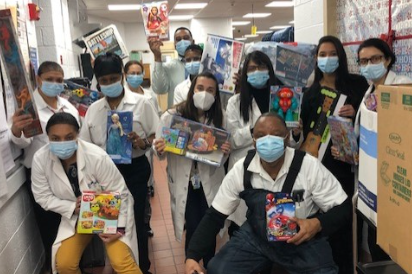
The Food and Nutrition Department teamed up with the local precinct to collect toys for children currently living in shelters throughout the borough of Queens.  In just a few weeks, almost 150 toys were received from employees of the hospital.

As an added bonus, employees of the Food and Nutrition Department were able to hand out some of the toys to patients receiving care in the pediatric unit.  Thank you to all of the employees who contributed, may you and your families have a wonderful holiday season!

All content of this newsletter is intended for general information purposes only and is not intended or implied to be a substitute for professional medical advice, diagnosis or treatment. Please consult a medical professional before adopting any of the suggestions on this page. You must never disregard professional medical advice or delay seeking medical treatment based upon any content of this newsletter. PROMPTLY CONSULT YOUR PHYSICIAN OR CALL 911 IF YOU BELIEVE YOU HAVE A MEDICAL EMERGENCY.

Alcohol Addiction During The Holiday Season

During the season of merriment of the season, you may want to ask yourself, “How many drinks are too many?”

Answer: According to the National Institute of Alcohol Abuse and Alcoholism: men should not exceed four drinks per day or a total of 14 per week and women should not to exceed three drinks a day or a total of seven per week.

When following these guidelines here are some factors to consider:

.Portion size: Standard portions in the United States include 12-ounces of beer, 8-ounces of malt liquor, 5-ounces of wine and 1.5-ounces or a “shot” of 80-proof distilled spirits or liquor.

  • Alcohol content: There are differences in alcohol percentages between red and white wines, as well as between light beers and lagers.
  • Gender: Women have less body water than men and hence retain a higher blood-alcohol concentration than men from a single drink.
  • Food:  An empty stomach speeds up alcohol absorption. Food slows absorption rates in men and women.

Remember, everyone metabolizes alcohol differently and moderation is key. Make smart choices when enjoying dinner or a night out with friends and NEVER drink and drive.

If you think you have a problem with alcohol, please contact Flushing Hospital Medical Center’s Addiction Treatment Division at 718- 670-5486.

All content of this newsletter is intended for general information purposes only and is not intended or implied to be a substitute for professional medical advice, diagnosis or treatment. Please consult a medical professional before adopting any of the suggestions on this page. You must never disregard professional medical advice or delay seeking medical treatment based upon any content of this newsletter. PROMPTLY CONSULT YOUR PHYSICIAN OR CALL 911 IF YOU BELIEVE YOU HAVE A MEDICAL EMERGENCY.

Classic Holiday Flatbread

Even though this year has brought many changes, it wouldn’t feel like the holidays without making my classic Holiday Flatbread.  This roasted cranberry and goat cheese flat bread is not difficult to make, yet adds sophistication to your menu.  It looks festive and is delicious.  I hope you enjoy it as much as my family and I do!  Happy Holidays!

Ingredients:

  • 1 ½ cup of fresh cranberries
  • 3 tablespoon light sugar maple syrup
  • 1 tablespoon finely chopped shallot
  • ½ teaspoon chopped dry thyme
  • 2 flatbreads (14.1 oz package)
  • 14 oz package fresh goat cheese crumbled

Instructions:

  • Preheat oven to 375 degrees F

Mix cranberries, maple syrup, shallot, and thyme in an 8 by 8-inch baking dish. Roast, stirring once or twice, until the cranberries burst and the mixture is bubbling and caramelizing along the edge, about 15 minutes. Remove from oven and stir until the cranberries are broken down and the mixture is thick. Set aside.

  • Lay flatbreads out on work surface. Spread the hot cranberry mixture over the flatbreads, dividing evenly. Top with the goat cheese. Bake directly on the oven rack until the cheese is softened and flatbread is crispy, 8 to 10 minutes. Cut into 8 small wedges or strips each.

Jessica Hyman -Clinical Nutrition Manager Food and Nutrition at Flushing Hospital Medical Center

Nutrition:  Service Size– 2 slices  Calories: 93

All content of this newsletter is intended for general information purposes only and is not intended or implied to be a substitute for professional medical advice, diagnosis or treatment. Please consult a medical professional before adopting any of the suggestions on this page. You must never disregard professional medical advice or delay seeking medical treatment based upon any content of this newsletter. PROMPTLY CONSULT YOUR PHYSICIAN OR CALL 911 IF YOU BELIEVE YOU HAVE A MEDICAL EMERGENCY.

GERD AWARENESS WEEK

Perhaps there is no other day of the year associated with eating more than Thanksgiving. With so much attention being paid to food consumption, it is fitting that this week we also raise awareness about a health condition that affects the digestive system.

November 18-24, 2019 has been designated Gastroesophageal Reflux Disease (or GERD) Awareness Week. GERD, is a very common disorder that occurs when stomach acid or bile flows into the food pipe and irritates the lining.

After it is swallowed, food travels down the esophagus where it stimulates cells in the stomach to produce acid and pepsin (an enzyme), which aid the digestion process. A band of muscle at the lower part of the esophagus, called the lower esophageal sphincter (LES), acts as a barrier to prevent the back-flow. Gastroesophageal reflux occurs when the LES is weak or relaxes inappropriately, allowing the stomach’s contents to flow up into the esophagus.

Chronic heartburn is the most frequently reported symptom of GERD. Acid regurgitation (refluxed acid into the mouth) is another common symptom. Other symptoms can include belching, difficulty or pain when swallowing, or water-brash (sudden excess of saliva). GERD may also lead to chronic sore throat, laryngitis, throat clearing, chronic cough, and other oral complaints such as inflammation of the gums and erosion of the enamel of the teeth.

Dietary and lifestyle choices can contribute to GERD. Certain foods and beverages, including chocolate, peppermint, fried or fatty foods, coffee, or alcohol may trigger reflux. Studies show that smoking can relax the LES and contribute to this condition. People who are obese are more prone to developing GERD symptoms.

Doctors recommend lifestyle and dietary changes for most people needing treatment for GERD. Along with lifestyle and diet changes, your doctor may also recommend over-the-counter remedies, or, in serious cases, prescribe medications designed to reduce acid in the stomach.

All content of this newsletter is intended for general information purposes only and is not intended or implied to be a substitute for professional medical advice, diagnosis or treatment. Please consult a medical professional before adopting any of the suggestions on this page. You must never disregard professional medical advice or delay seeking medical treatment based upon any content of this newsletter. PROMPTLY CONSULT YOUR PHYSICIAN OR CALL 911 IF YOU BELIEVE YOU HAVE A MEDICAL EMERGENCY.

Stages of Alzheimer’s Disease

Alzheimer’s disease is an irreversible, progressive brain disorder that destroys memory and other mental functions over time, eventually leading to the inability to carry out daily activities.

Progression of the disease can vary by the individual. The average life expectancy of a person diagnosed is eight to 10 years. However, depending on several factors, a person could live as long as twenty years or more after diagnosis.

As the disease gradually worsens, symptoms that are associated with the three main stages of Alzheimer’s will appear. It is important to note that these stages serve as a general guideline as symptoms may vary.  The three stages are:

Stage 1:  Mild, Early Stage – During this stage a person may function independently but may experience memory lapses and other difficulties in concentration such as problems coming up with correct names or words and staying organized.

Stage 2: Moderate, Middle Stage – Typically, this is the longest stage and can last many years. At this point symptoms become more noticeable, and the individual will require more care as they may not be able to successfully complete some routine activities on their own.  Symptoms may include moodiness or withdrawal, confusion about what day it is or location, difficulty controlling bladder or bowel movements and increased risk of wandering.

Stage 3: Severe, Late Stage –This is the final stage of Alzheimer’s and individuals will need an extensive amount of help and care.  At this stage, a person loses many physical abilities such as eating, sitting or walking.   Other symptoms that can occur include having difficulty communicating, significant personality changes, lack of awareness of surroundings and becoming more susceptible to life- threatening infections such as pneumonia.

Recognizing the symptoms of  Alzheimer’s is important; as early detection of the disease can help individuals to receive the maximum benefits from available treatments, maintain their independence longer and better prepare for their care in the future.

During Alzheimer’s and Brain Awareness Month, organizations such as the Alzheimer’s Association and Flushing  Hospital Medical Center are raising awareness about the disease as it affects an estimated  5.7 million people  living in the United Sates.  Through education we hope to increase public knowledge of the disease, and its effects on individuals as well their caregivers.  To learn more about Alzheimer’s, please visit the Alzheimer’s Association’s website at www.alz.org

All content of this newsletter is intended for general information purposes only and is not intended or implied to be a substitute for professional medical advice, diagnosis or treatment. Please consult a medical professional before adopting any of the suggestions on this page. You must never disregard professional medical advice or delay seeking medical treatment based upon any content of this newsletter. PROMPTLY CONSULT YOUR PHYSICIAN OR CALL 911 IF YOU BELIEVE YOU HAVE A MEDICAL EMERGENCY.
October Employee Spotlight – Geraldine Brennan

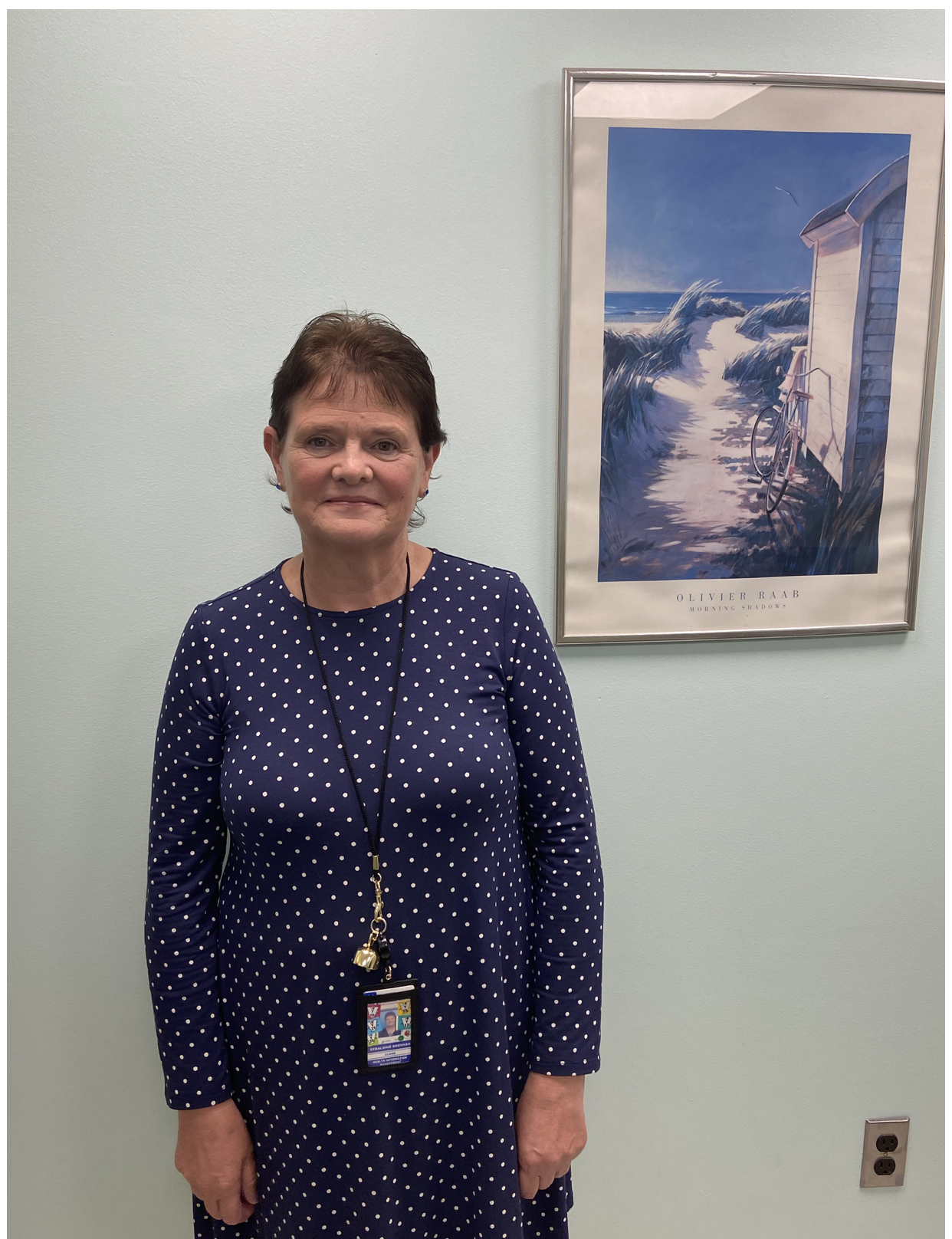
Flushing Hospital Medical Center’s (FHMC) October Employee Spotlight shines on Geraldine Brennan. Geraldine is a Health Information Clerk in our Medical Records Department.

Geraldine has been a valued employee for the past 11 years.  She has one son, Patrick, who also works in healthcare and a daughter, Anna, who is an educator.

In her off time, Geraldine likes to take walks and reads.  She is active in her church and community civic projects.

The most rewarding part of her job is seeing how happy the patients are when you take the time to help them and provide what they need.  Although Geraldine always gives each request priority attention, there are some requests that are unique and are more difficult to provide information in a most efficient manner.

Even when those unique situations arise, Geraldine is always courteous, professional and works tirelessly to be sure all patient requests are met.

For these and so many other reasons, Geraldine Brennan is FHMC’s October Employee Spotlight

All content of this newsletter is intended for general information purposes only and is not intended or implied to be a substitute for professional medical advice, diagnosis or treatment. Please consult a medical professional before adopting any of the suggestions on this page. You must never disregard professional medical advice or delay seeking medical treatment based upon any content of this newsletter. PROMPTLY CONSULT YOUR PHYSICIAN OR CALL 911 IF YOU BELIEVE YOU HAVE A MEDICAL EMERGENCY.
October Is Breast Cancer Awareness Month. Are You At Risk?

Breast Cancer awareness campaigns have empowered women to take a pro-active approach to early detection of the disease. While regular check ups greatly help in prevention for any illness, individuals with specific risk factors should pay extra close attention.

Common Risk Factors
There are risk factors that you cannot change or control such as:
• Gender: Just by being a woman you are placed at risk.  Male breast cancer is not common but it isn’t unheard of. Men are less likely to be affected by breast cancer because they have less of the female hormones, estrogen and progesterone, which can promote breast cancer cell growth.

Age: A woman’s chances of developing cancer increase as she gets older. Statistics reflect a woman’s median age of breast cancer diagnosis to be 61.  This means that half of women who develop breast cancer are 61 or younger at the time of their diagnoses.

Family History: Women who have had a ‘close blood’ relative diagnosed with breast cancer are at higher risk of developing breast cancer. ‘Close blood’ relative is defined as a first degree relative such as mother, sister, and/or daughter.

Race and Ethnicity: Caucasian women are slightly more likely to develop breast cancer than African-American women.  However, African-American women under the age of 45 are more commonly diagnosed with breast cancer. The American Cancer Society has statistically noted Asian, Hispanic and Native American women are at less risk from developing breast cancer.

“Generally speaking, an early first period or delayed menopause can also be associated with an increase risk for breast cancer,” states Dr. St. John, Director of the Breast Clinic at Flushing Hospital Medical Center.  “These are things that we cannot control, but knowing your risk factors and raising your awareness can increase your chances of early detection.”

Lifestyle Related Factors
In addition to certain genetic predispositions, certain lifestyle choices can be contributing factors in developing breast cancer.  “Lifestyle related” factors can increase a woman’s chances for breast cancer.  Some of these factors can include:

Having Children/ Breastfeeding: Having several pregnancies and becoming pregnant at a young age reduces the risk of breast cancer. Studies have shown that women who have no children or had their first child after age 30 have a slightly higher risk of developing breast cancer.  Some studies have suggested that breastfeeding may slightly lower breast cancer risk, especially if it is continued for 1 ½ to 2 years of age.

Hormone Therapy after Menopause: Women who receive Hormone Therapy (HT) to relieve the symptoms of menopause can possibly be at an increased risk of breast cancer if used for a prolonged amount of time. This can be due to the dual dosing of progesterone and estrogen administered. However, a woman’s risk of breast cancer seems to return to normal within five years of stopping the combined treatment.

Drinking Alcohol/ Smoking: Women who consumed more than 2 to 5 drinks daily increase their risk of breast cancer as opposed to non-drinkers. Although there have been limited studies, smoking has been linked to increasing a woman’s chances of developing with breast cancer.

Being Overweight or Obese:  women who are overweight tend to have higher insulin levels, which has been linked to some cancers, including breast cancer.

Some lifestyle changes that can help lower your risk are, limiting alcohol consumption, quitting smoking, as well as  managing your weight. Maintaining a healthy lifestyle, exercising and conducting regular self examinations can be helpful to preventing breast cancer.”

Flushing Hospital’s Ambulatory Care Center has a variety of services including a dedicated breast clinic.  Our clinic can help you take your first steps to prevention and provide peace of mind.

For more information or to schedule and appointment, please call 718-670-5487.

All content of this newsletter is intended for general information purposes only and is not intended or implied to be a substitute for professional medical advice, diagnosis or treatment. Please consult a medical professional before adopting any of the suggestions on this page. You must never disregard professional medical advice or delay seeking medical treatment based upon any content of this newsletter. PROMPTLY CONSULT YOUR PHYSICIAN OR CALL 911 IF YOU BELIEVE YOU HAVE A MEDICAL EMERGENCY.

BURSITIS

According to the Mayo Clinic, Bursitis is a painful condition that affects the small, fluid-filled sacs called bursae that cushion the bones, tendons and muscles near your joints. Bursitis occurs when bursae become inflamed. The most common locations for bursitis are in the shoulder, elbow and hip.

Although Bursitis typically affects the shoulder, elbow and hip, it can also affect your knee, heel and the base of your big toe. Bursitis often occurs near joints that perform frequent repetitive motion.

Some symptoms of Bursitis are:

  • Achy or stiff joints
  • Pain when the joint is moved or touched
  • Redness and swelling in the affected area

The treatment of Bursitis usually includes resting the inflamed joint and guarding it from further trauma.  Bursitis pain can last for a few weeks and is prone to recurrent flare-ups.

If the pain in your joints persists and traditional home remedies aren’t providing relief, may want to seek the opinion of a medical professional. If you’d like to schedule an appointment at the Flushing Hospital Medical Center’s Ambulatory Care Center, please call 718-670-5486.

For more information about Bursitis visit: mayoclinic.org


All content of this newsletter is intended for general information purposes only and is not intended or implied to be a substitute for professional medical advice, diagnosis or treatment. Please consult a medical professional before adopting any of the suggestions on this page. You must never disregard professional medical advice or delay seeking medical treatment based upon any content of this newsletter. PROMPTLY CONSULT YOUR PHYSICIAN OR CALL 911 IF YOU BELIEVE YOU HAVE A MEDICAL EMERGENCY.

Employee Spotlight – Nicole Torres

September’s Employee Spotlight shines on Nicole Torres.  Nicole is a Care Coordinator at Flushing Hospital Medical Center (FHMC).  As a Care Coordinator, Nicole provides appointments for high-risk patients, that are currently admitted, to ensure they receive the care they need in a timely manner.

Nicole joined the FHMC team 3 ½ years ago as an Emergency Department Navigator.   Although her time at FHMC has been short, Nicole earned the respect of her colleagues especially when she was called upon to be part of the hospitals team during the peak of the COVID-19 crisis.

When working with patients and family members, Nicole utilizes her degree from John Jay College of Criminal Justice where she earned a BA in Forensic Psychology.

At home, Nicole enjoys baking, yoga and reading.  She loves to travel, attend breast cancer and Alzheimer’s walks and volunteering at after-school programs.

Nicole feels the most rewarding part of her job is when a patient attends their post-discharge follow up care and the most challenging part is when patients refuse the recommended aftercare, thereby, putting their health at risk possibly causing them to be readmitted to the hospital.

Congratulations! For these and so many other reasons, Nicole Torres is September’s Employee Spotlight!

All content of this newsletter is intended for general information purposes only and is not intended or implied to be a substitute for professional medical advice, diagnosis or treatment. Please consult a medical professional before adopting any of the suggestions on this page. You must never disregard professional medical advice or delay seeking medical treatment based upon any content of this newsletter. PROMPTLY CONSULT YOUR PHYSICIAN OR CALL 911 IF YOU BELIEVE YOU HAVE A MEDICAL EMERGENCY.

Ovarian Cancer Awareness Month

Ovarian cancer is one of the most serious cancers affecting women. In the United States, an estimated 21,000 women will be diagnosed every year with this disease and approximately 14,000 will die because of it.  This type of cancer usually affects women who are in their fifties and sixties, and who typically have a family history of the disease. When the disease is detected early, the five-year survival rate is approximately 92%.

Symptoms of ovarian cancer are:

• Bloating
• Nausea, indigestion, gas, and constipation
• Abdominal and pelvic pain
• Fatigue
• Backaches
• Frequent Urination with urgency

When a physician suspects ovarian cancer, they will perform certain tests to confirm the diagnosis. The exam will include a blood test for the CA-125 genetic marker, an examination of the abdomen to see if there is tenderness, a pelvic exam, ultrasound, and a biopsy.

There are four main stages of ovarian cancer:

. Stage I – completely confined to one or both ovaries.
. Stage II – Found in one or both ovaries with spread to other pelvic organs (bladder, colon, rectum, uterus).
. Stage III – Cancer is found in one or both ovaries and has spread to the lining of the abdomen and/or the lymph nodes.
. Stage IV – Most advanced stage of the disease with spread to additional organs such as liver and lung.

Treatment options for ovarian cancer include chemotherapy, surgical removal of the affected organ(s), hormone therapy, and radiation. The type of treatment will be determined by the type of ovarian cancer, the age of the patient, and the stage of the disease.

Remember that early detection is important and just may save your life. All women should see their OB/Gyn once a year for a pelvic exam. If you would like to make an appointment at Flushing Hospital Medical Center’s Ambulatory Care Center, please call 718-670-5486.

All content of this newsletter is intended for general information purposes only and is not intended or implied to be a substitute for professional medical advice, diagnosis or treatment. Please consult a medical professional before adopting any of the suggestions on this page. You must never disregard professional medical advice or delay seeking medical treatment based upon any content of this newsletter. PROMPTLY CONSULT YOUR PHYSICIAN OR CALL 911 IF YOU BELIEVE YOU HAVE A MEDICAL EMERGENCY.