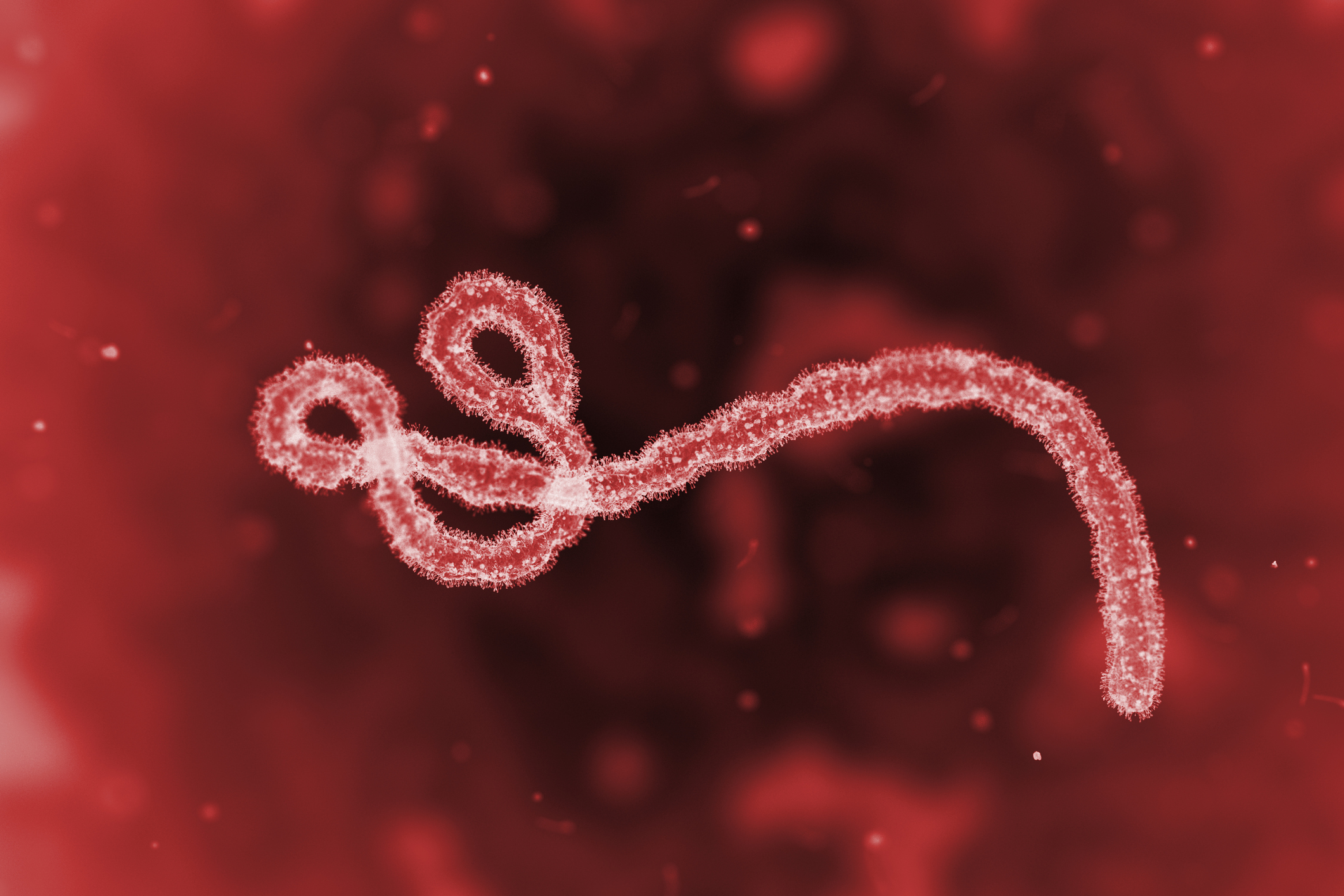
 Ebola disease is a rare and severe illness that can be fatal if it isn’t immediately treated. Ebola disease is caused by a group of viruses known as orthoebolaviruses, which are primarily found in sub-Saharan Africa. They include:
- Ebola virus (EBOV), which causes Ebola virus disease
- Sudan virus (SUDV), which causes Sudan virus disease
- Bundibugyo virus (BDBV), which causes Bundibugyo virus disease
Orthoebolaviruses can cause serious and often deadly diseases, with a mortality rate as high as 80-90 percent.
Ebola doesn’t spread the same way as other respiratory viruses, such as the flu and COVID. You cannot get it from being near someone.
People can get infected with Ebola disease in two ways:
- Through direct contact with the blood or bodily fluids of a person who has been infected or has died from the disease
- Through direct contact with objects or surfaces that have been contaminated with bodily fluids from a person sick with the disease
People can’t transmit the disease before they have symptoms. However, they will remain infectious as long as their blood contains the virus.
The incubation period from infection to the onset of symptoms varies from two to 21 days. However, symptoms begin eight to ten days after exposure to the virus.
The symptoms of Ebola disease can be “dry” in the early stages of the illness and become “wet” as the illness progresses. Dry Ebola disease symptoms include:
- Fever
- Aches
- Pains
- Fatigue
- Sore throat
Wet Ebola disease symptoms include:
- Diarrhea
- Vomiting
- Unexplained bleeding
- Loss of appetite
If you live in or are traveling to regions where Ebola disease has been diagnosed, or is suspected, it is important to take steps to protect yourself, such as:
- Avoiding direct contact with the bodily fluids of people who are sick, which include their blood, urine, feces, saliva, sweat, vomit, breast milk, amniotic fluid, semen, and vaginal fluid
- Avoiding direct contact with items that have touched an infected person’s blood or bodily fluids, such as their clothes, bedding, needles, medical equipment, or any other items that may be contaminated
- Avoiding direct contact with the body of someone who was suspected or confirmed to have had Ebola disease, such as part of any funeral or burial practices
- Avoiding the blood, fluids, or raw meat from bats, forest antelopes, primates, or unknown animals
- Wearing personal protective equipment (PPE) if you encounter people who are sick or have died from Ebola disease, their blood and bodily fluids, or objects contaminated with their blood or bodily fluids
- Monitoring your health for 21 days after returning from an area with an ongoing Ebola disease outbreak. It is important to get medical care immediately if you develop symptoms of Ebola disease
Healthcare providers can diagnose Ebola disease in people who are alive by ordering a polymerase chain reaction (PCR) blood test. They can also perform blood tests for orthoebulavirus antibodies to determine whether a patient recently had Ebola.
The U.S. Food and Drug Administration (FDA) approved Ervebo, a vaccine that prevents Ebola disease in 2019, and two treatments, Inmazeb and Ebanga, to treat an Ebola disease infection in adults and children in 2020.
Additionally, other treatments such as fluids and electrolytes administered by mouth or intravenously, medicine to support blood pressure, reduce vomiting and diarrhea, to manage fever and pain, and treatment for other infections give patients a better chance of surviving an Ebola disease infection.
If you or a loved one is experiencing symptoms of Ebola disease, immediately call your local health department or the nearest hospital emergency room, before visiting in person.
All content of this newsletter is intended for general information purposes only and is not intended or implied to be a substitute for professional medical advice, diagnosis or treatment. Please consult a medical professional before adopting any of the suggestions on this page. You must never disregard professional medical advice or delay seeking medical treatment based upon any content of this newsletter. PROMPTLY CONSULT YOUR PHYSICIAN OR CALL 911 IF YOU BELIEVE YOU HAVE A MEDICAL EMERGENCY.