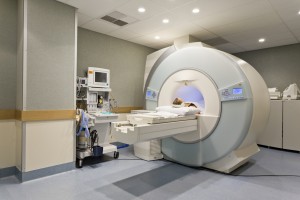
 MRI, or magnetic resonance imaging, is a medical technique that uses a magnetic field and computer-generated radio waves to create detailed images of the body’s organs and tissues.
MRI is a noninvasive way for a medical professional to examine your organs, tissues, and skeletal system, producing high-resolution images of the inside of the body that help diagnose several conditions. The MRI machine also produces 3D images that can be viewed from different angles. Parts of the body that MRI takes images of include:
- Brain and spinal cord
- Heart and blood vessels
- Internal organs
- Bones and joints
- Breasts
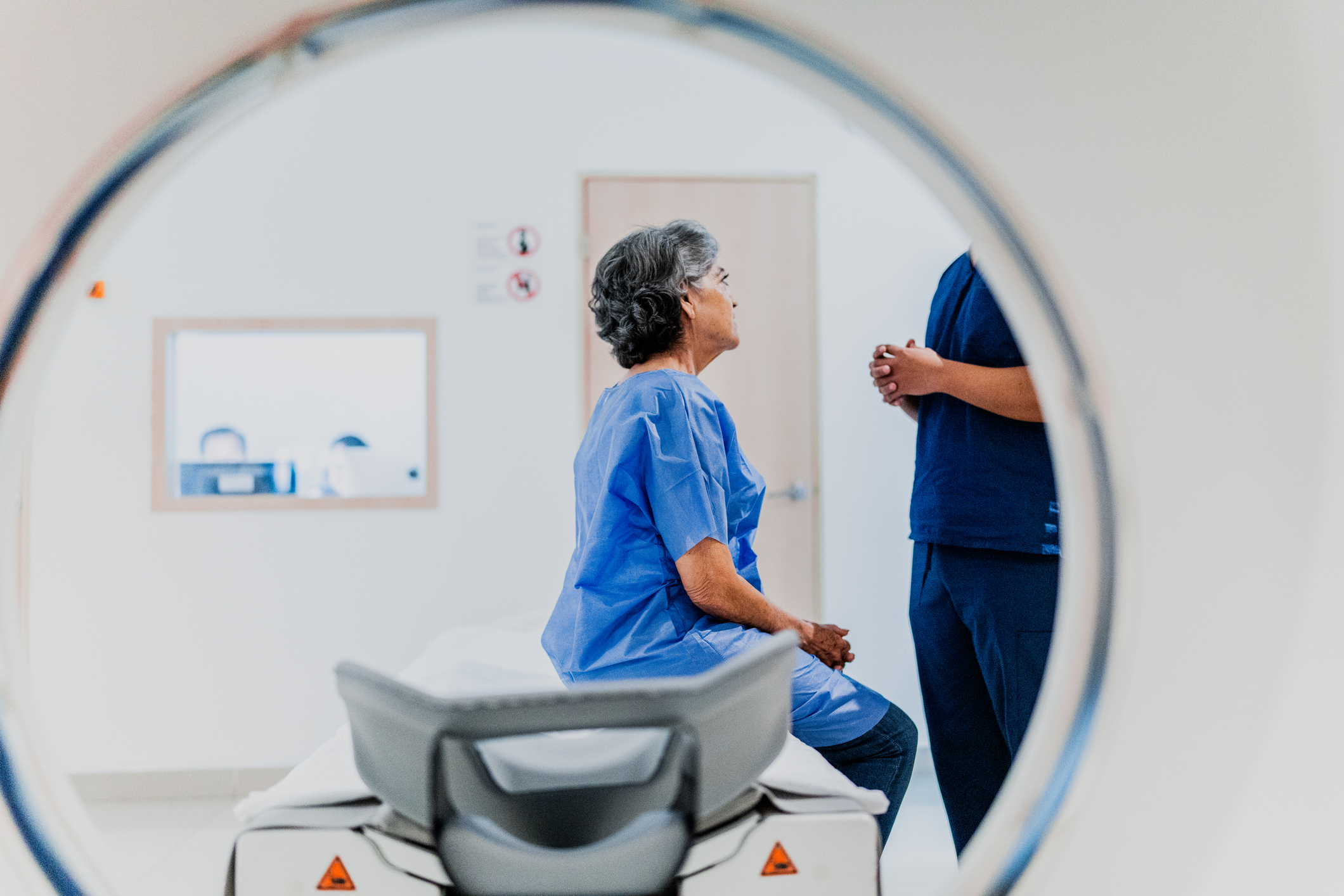
Before an MRI exam, eat as you normally would, and continue to take your usual medicines, unless you are told otherwise. You will typically be asked to change into a gown and to remove things that might affect the magnetic imaging, such as:
- Jewelry
- Hairpins
- Eyeglasses
- Watches
- Wigs
- Dentures
- Hearing aids
- Underwire bras
- Cosmetics that contain metal particles
Most MRI machines are large, tube-shaped magnets. When you lie inside an MRI machine, its magnetic field works with radio waves and hydrogen atoms in your body to create cross-sectional images.
If you have a fear of enclosed spaces, also known as claustrophobia, you might receive a drug to help you feel sleepy and less anxious. An MRI exam can last anywhere from 15 minutes to more than an hour. You must hold still because movement can blur the images. Most people get through the exam without difficulty.
If you haven’t been sedated, you can resume your usual activities immediately after the scan.
For the results, a radiologist will look over the images from your scan and report the findings to your doctor. Your doctor will then discuss important findings and next steps with you.
To schedule an appointment with the Flushing radiology department, call 718- 670-5458. To schedule an appointment for an MRI or for more information about the MRI, please call 718-670-8851.
All content of this newsletter is intended for general information purposes only and is not intended or implied to be a substitute for professional medical advice, diagnosis or treatment. Please consult a medical professional before adopting any of the suggestions on this page. You must never disregard professional medical advice or delay seeking medical treatment based upon any content of this newsletter. PROMPTLY CONSULT YOUR PHYSICIAN OR CALL 911 IF YOU BELIEVE YOU HAVE A MEDICAL EMERGENCY.