 Our nervous system is our biological survival system, our first line of defense that is designed to respond to any stimuli, such as an environmental or psychological threat that we may encounter. It works to protect and keep us safe, as it continually processes information and responds to both internal and external stimuli.
The autonomic nervous system controls all automatic or involuntary functions of the body. It is made up of two main parts, the sympathetic and parasympathetic nervous systems.
The sympathetic nervous system, or “fight-or-flight” system, is responsible for preparing the body to respond to anything that may be seen as a threat, triggering the release of the stress hormones adrenaline and cortisol. These hormones activate our automatic survival responses, which include fight, flight, freeze, or fawn, causing us to experience symptoms, such as rapid heart rate, shallow breathing, and upset stomach, among others.
The parasympathetic nervous system, or “rest and digest” system, plays an essential part in counteracting the fight-or-flight response and regulating the body’s stress response. It promotes relaxation and recovery, which helps the body calm down.
It is important to note that our nervous system doesn’t know the difference between a real threat and a non-life-threatening stressor.
Stress can be healthy, as it can motivate us into action and help us rise to any challenges. However, many people are being pushed beyond the desirable levels of stress and into a state of distress. Our sympathetic nervous system gets sent into high gear because we continue to be on high alert, constantly reacting to stressors after stressors, and not giving our parasympathetic nervous system time to do its job to calm the body. Due to this, many people are not recovering as they may need to.
Without sufficient ways to reset and recover, we go from manageable stress to unmanageable distress. This persistent trigger can gradually lead to anxiety, irritability, fatigue, exhaustion, and eventually burnout.
There will always be times when our fight-or-flight response gets triggered. That’s why it is important to have ways to engage the parasympathetic nervous system and regulate the body back into a state of calm and balance so that we can function properly.
Here are a few ways to reset and regulate our nervous systems:
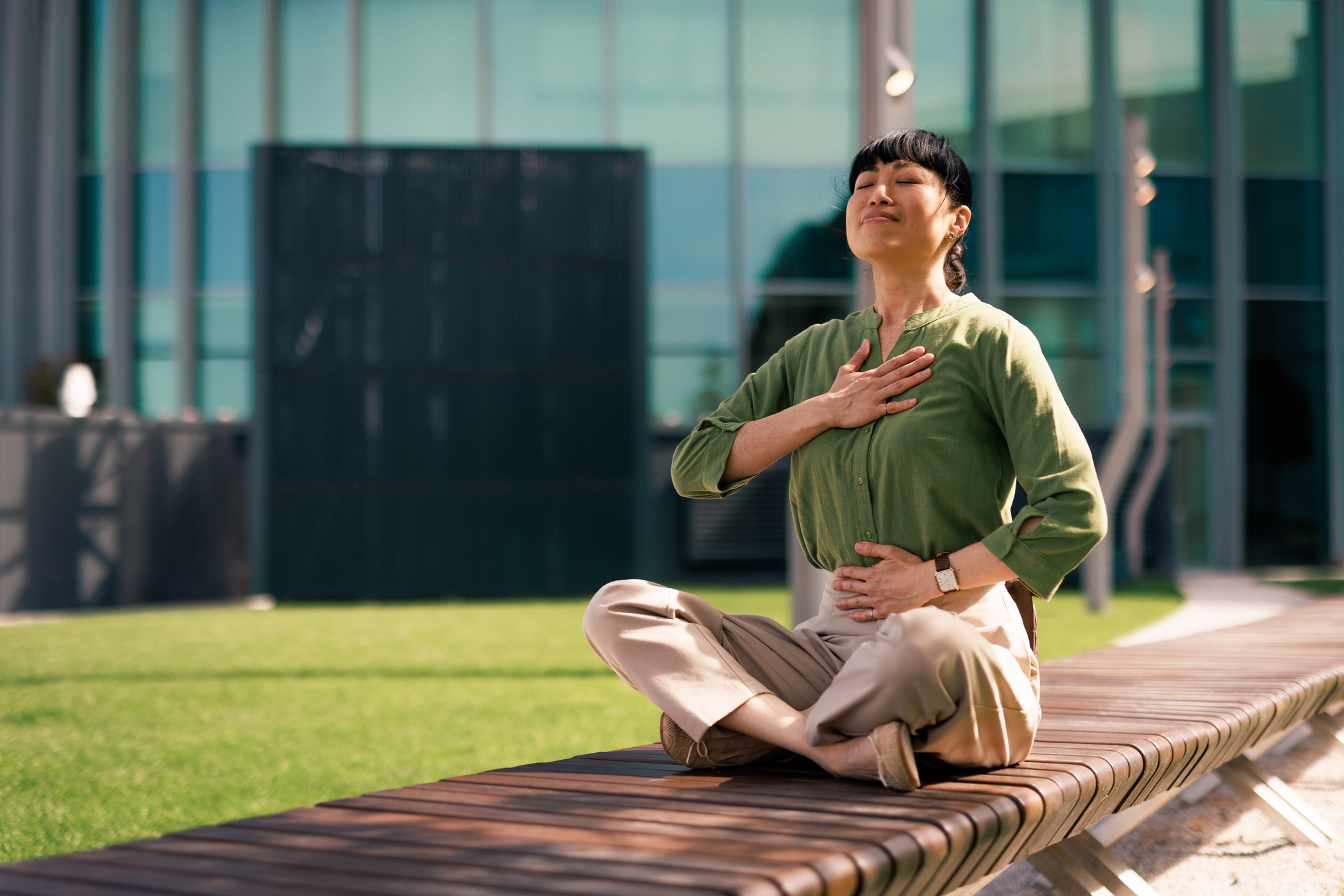
- Breathwork is a deep breathing practice that signals safety to the brain, helping to calm the body and mind. Examples of breathwork include:
- Long exhale breathing
- Physiological sighing
- Birthday cake breathing
- Physical movements, such as walking, gentle stretching, or yoga, can reduce cortisol levels and promote the release of endorphins, and get rid of the stress and tension that has accumulated in the body
- Spending time in nature can start to re-regulate your nervous system, as it helps lower blood pressure, reduce stress hormones, and improve mood
- Crying is a self-soothing behavior that helps to expel stress hormones from the body, providing relief.
- Prioritizing sleep is an important way to give the brain and body time to repair and restore themselves
- Social connections with people who make you feel safe, calm, and supported can help regulate the nervous system
- Intentionally slowing down your pace to signal to the brain that there isn’t any immediate danger
Many of us may spend a lot of our days in an increased state of activation, as we continually react to the stressors around us, instead of responding to them. Stress is inevitable. However, having ways to reset and regulate our nervous system can help us better cope with our stress.
To find out more about our mental health services or to schedule a virtual appointment, call (718) 670-5316 to speak with our intake coordinator or call (718) 670-5562 to reach the clinic.
All content of this newsletter is intended for general information purposes only and is not intended or implied to be a substitute for professional medical advice, diagnosis or treatment. Please consult a medical professional before adopting any of the suggestions on this page. You must never disregard professional medical advice or delay seeking medical treatment based upon any content of this newsletter. PROMPTLY CONSULT YOUR PHYSICIAN OR CALL 911 IF YOU BELIEVE YOU HAVE A MEDICAL EMERGENCY.