Should Food Allergies Make You Stop Breastfeeding?

If you have been told that your breastfed infant has food allergies, you may be wondering what to do next. Even a baby who has never been formula fed, and has never had any food besides breast milk may show symptoms of having a food allergy including: diarrhea, bloody stools, vomiting, eczema, constipation and poor growth. Babies can develop allergies to foods that you are eating while you are breastfeeding. Will you still be able to breastfeed? You may be surprised to learn that in most cases, the answer is yes.


Any food could potentially cause an allergy. The most commonly known foods to cause allergies are:

  • Dairy
  • Eggs
  • Nuts
  • Soy
  • Wheat

It is not easy to discover which foods are causing an allergic reaction in your baby and allergy testing in young infants is not the most reliable. One way to determine which foods are a problem for your baby is to keep a food diary of what you eat along with a record of your baby’s symptoms.

In most cases where breastfed babies experience food allergies it is usually recommended to remove dairy from your diet. Read all ingredient labels carefully to eliminate any foods that contain dairy. It takes about a month or more for your child’s symptoms to improve. If there is little to no progress after a dairy-free diet, speak to a lactation consultant about eliminating other common allergens from your diet that may be the cause of your baby’s reactions.

Sometimes babies are allergic to more than one food. You may need to stay on this restricted diet the entire time you are breastfeeding, or until your infant is one year old. Many babies outgrow their food allergies by their first birthday.

Breast milk provides important health benefits for your baby including protection from infections and a reduction in chronic diseases such as diabetes and obesity. Breastfeeding creates a special bond between mother and baby and many babies enjoy breastfeeding into the second year of life. There is no reason to wean your baby from the breast if your baby develops signs of food allergies. If you change your diet, you and your baby should be able to enjoy breastfeeding until you are both ready to stop.

If you have further questions about breastfeeding your baby and what to do when he or she has a food allergy, Flushing Hospital Medical Center’s Lactation Consultant is available to help. For further information, please call 718-206-5933.

All content of this newsletter is intended for general information purposes only and is not intended or implied to be a substitute for professional medical advice, diagnosis or treatment. Please consult a medical professional before adopting any of the suggestions on this page. You must never disregard professional medical advice or delay seeking medical treatment based upon any content of this newsletter. PROMPTLY CONSULT YOUR PHYSICIAN OR CALL 911 IF YOU BELIEVE YOU HAVE A MEDICAL EMERGENCY.
Breastfeeding While On-The-Go This Summer

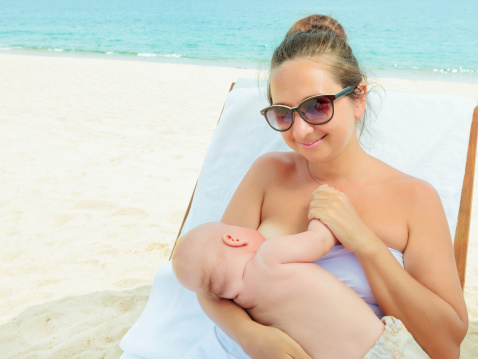
For mothers who breastfeed, the warmer weather can mean more opportunities to enjoy the outdoors with their baby, however breastfeeding on the go can present some challenges. No need to worry though, follow these simple tips and you and your baby can enjoy all the outdoor fun that summer brings.

Baby and mom

• Stay Hydrated – One of the most important things to remember is to drink enough water, especially when the temperature rises. Be sure to carry water with you when you are out. As long as you stay hydrated and breastfeed often, your baby will get the fluids he or she needs.

• Take a Dip – Relaxing poolside with your baby can be beneficial since breastfeeding works best when the both of you are relaxed. Taking a quick dip with your baby before breastfeeding will relax and cool off both of you and provide better results. The cuddle time you experience in the pool is also a great bonding experience.

• Dress Accordingly – Summer weather provides more opportunities to breastfeed discreetly, even while in public. In the summer, we tend to wear less layers and our clothing is lighter, which is optimal for breastfeeding. Since we are not confined to crowded indoor areas, mothers can find a shady tree in a park to breastfeed as a more private experience.

• Travel Prepared – Be sure to pack the necessary safeguards while traveling with your baby this summer. To protect your baby from the heat and the sun, use a stroller with a canopy. If your stroller does not have one, try to protect your baby with an umbrella or brimmed hat. Also be sure to apply sunscreen regularly, even when the sun does not seem strong.

By following these summer breastfeeding tips, both you and your baby can enjoy all the fun that summer has to offer.

All content of this newsletter is intended for general information purposes only and is not intended or implied to be a substitute for professional medical advice, diagnosis or treatment. Please consult a medical professional before adopting any of the suggestions on this page. You must never disregard professional medical advice or delay seeking medical treatment based upon any content of this newsletter. PROMPTLY CONSULT YOUR PHYSICIAN OR CALL 911 IF YOU BELIEVE YOU HAVE A MEDICAL EMERGENCY.
Does Breastfeeding Help Lower the Risk of Breast Cancer?


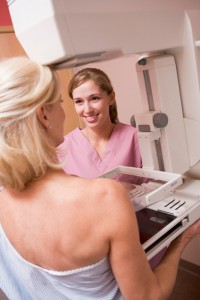
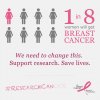
October is Breast Cancer Awareness month and studies suggest that breastfeeding for at least a year can help lower breast cancer risk. In addition to providing your child with antibodies that protect him/her from bacterial and viral infections, breastfeeding protects breast health because:

. Making milk 24/7 keeps breast cells healthier.

. Breastfeeding  triggers fewer menstrual cycles resulting in lower estrogen levels.

. Women eat more nutritious foods and follow a healthier lifestyle.

Whether or not you breastfeed, other lifestyle choices play an important part in keeping your risk for breast cancer as low as possible. Try to:

. Maintain a healthy weight.

. Exercise regularly.

. Limit alcohol.

. Eat a nutritious diet.

. Quit smoking, if you haven’t already.

Flushing Hospital’s Ambulatory Care Center has a variety of services including a dedicated breast clinic.  Our clinic can help you take your first steps to prevention and provide peace of mind. For more information or to schedule and appointment, please call 718-670-5486.

100598980-200x300

All content of this newsletter is intended for general information purposes only and is not intended or implied to be a substitute for professional medical advice, diagnosis or treatment. Please consult a medical professional before adopting any of the suggestions on this page. You must never disregard professional medical advice or delay seeking medical treatment based upon any content of this newsletter. PROMPTLY CONSULT YOUR PHYSICIAN OR CALL 911 IF YOU BELIEVE YOU HAVE A MEDICAL EMERGENCY.

Avoiding Mastitis While Breastfeeding

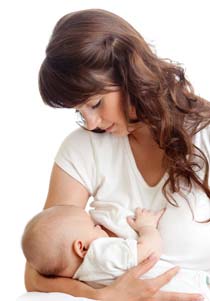
147638088-210x301Breastfeeding can be a wonderful bonding experience for mother and baby. It can also pose a few obstacles including mastitis. Mastitis is an infection caused by a clogged duct in the nipple of a nursing mother.  Here is some information about mastitis and some helpful tips on how to prevent it.

Mastitis won’t hurt your baby but it can reduce the milk supply in the affected breast.It can happen to occur when bacteria enters the breast through a cracked or sore nipple. It can start as a painful area in one breast and may be red or warm to the touch or both and can be accompanied by fever, chills, and body aches.

Try to avoid mastitis by following a few of these helpful tips:

  • Get plenty of rest and eat a healthy, balanced diet while you are nursing.
  • Try your best to avoid letting your breasts become overly full or engorged.
  • If your breasts are not empty after nursing or pumping, or you have a plugged duct, use warm compresses and massage to get the milk out.
  • Avoid under-wire bras and bras that are too small.

If you are beginning to feel the symptoms of mastitis, continue to breast feed as you normally would but make sure to see your doctor. Applying warm compresses for several minutes before each feeding will help alleviate any pain. Antibiotics may be prescribed, but pain should subside within one to two days after taking you prescriptions.

If you have questions or concerns about breastfeeding, Flushing Hospital Medical Center offers a Breastfeeding Support Group where you can get advice and tips from a certified lactation specialist and meet and share experiences with other mothers that are breastfeeding.

For additional information, please call 718-670-5201.

All content of this newsletter is intended for general information purposes only and is not intended or implied to be a substitute for professional medical advice, diagnosis or treatment. Please consult a medical professional before adopting any of the suggestions on this page. You must never disregard professional medical advice or delay seeking medical treatment based upon any content of this newsletter. PROMPTLY CONSULT YOUR PHYSICIAN OR CALL 911 IF YOU BELIEVE YOU HAVE A MEDICAL EMERGENCY.
Oatmeal Chocolate Chip Lactation Cookies

Are you a breastfeeding mom who needs a little help boosting your milk supply? Try this healthy, easy and delicious lactation cookie recipe. The addition of Brewer’s Yeast, which contains B vitamins, may help increase milk production. 
Recipe courtesy of Food.com.
download (2)
Ingredients
1 cup butter
1 cup sugar
1 cup firmly packed brown sugar
4 tablespoons water
2 tablespoons flaxseed meal or ground flaxseeds
2 eggs
1 teaspoon vanilla
2 cups flour
1 teaspoon baking soda
1 teaspoon salt
3 cups oats
1 cup chocolate chips
2-4 tablespoons Brewer’s Yeast
Directions:  
  1. Preheat oven to 350°.
  2. Mix the flaxseed meal and water and let sit for 3-5 minutes.
  3. Beat butter, sugar, and brown sugar well.
  4. Add eggs and mix well.
  5. Add flaxseed mix and vanilla, beat well.
  6. Sift together flour, brewers yeast, baking soda, and salt.
  7. Add dry ingredients to butter mix.
  8. Stir in oats and chips.
  9. Scoop onto baking sheet.
  10. Bake for 12 minutes.
  11. Let set for a couple minutes then remove from tray.

Makes 4 1/2 dozen cookies

All content of this newsletter is intended for general information purposes only and is not intended or implied to be a substitute for professional medical advice, diagnosis or treatment. Please consult a medical professional before adopting any of the suggestions on this page. You must never disregard professional medical advice or delay seeking medical treatment based upon any content of this newsletter. PROMPTLY CONSULT YOUR PHYSICIAN OR CALL 911 IF YOU BELIEVE YOU HAVE A MEDICAL EMERGENCY.

Breastfeeding and Going Back to Work

If you’re breastfeeding your newborn and returning to work, you may be wondering how you are going to do both. With a little discipline and some planning, breastfeeding and working is a challenge you can overcome.

breastfeeding1-300x204

Here are some suggestions designed to make nursing your child and transitioning back to work easier:

1. Before going back to work, speak with your supervisor about your plans to breastfeed. Discuss different types of schedules, such as starting back part-time at first or taking split shifts.

2. Many Lactation Consultants recommend that breastfeeding moms join a breastfeeding support group to talk with other mothers about breastfeeding after your baby is born and how they transitioned back into the workplace.

3. Ask if your company provides a lactation support program for employees. If your company does not, ask about private areas where you can comfortably and safely express milk. The Affordable Care Act supports work-based efforts to assist nursing mothers.

4. Ask the lactation program director, your supervisor, wellness program director, employee human resources office, or other co-workers if they know of other women at your company who have breastfed after returning to work.

If you have any questions regarding breastfeeding your baby, please contact Flushing Hospital Medical Center’s Pediatric Ambulatory Care department at 718-670-5486.

All content of this newsletter is intended for general information purposes only and is not intended or implied to be a substitute for professional medical advice, diagnosis or treatment. Please consult a medical professional before adopting any of the suggestions on this page. You must never disregard professional medical advice or delay seeking medical treatment based upon any content of this newsletter. PROMPTLY CONSULT YOUR PHYSICIAN OR CALL 911 IF YOU BELIEVE YOU HAVE A MEDICAL EMERGENCY.
Does One Part Alcohol + One Part Breast Milk = Bad For Baby?

Women have been warned not to consume alcohol during pregnancy.  There is sufficient research that confirms drinking alcohol, while pregnant, poses several, avoidable risk to an unborn baby.  However, the risks of consuming alcohol while breastfeeding are not as well defined.

Breastfeeding mothers often receive conflicting advice about whether their alcohol consumption can have an adverse effect on their baby.  This leaves mothers with more questions than answers. A good resource to start looking for answers is the La Leche League.  Their article, The Womanly Art Of Breastfeedingsays: The effects of alcohol on the breastfeeding baby are directly related to the amount the mother ingests.  When the breastfeeding mother drinks occasionally, or limits her consumption to one drink or less per day, the amount of alcohol her baby receives has not been proven to be harmful.

The League further published:

Alcohol passes freely into mother’s milk and has been found to peak about 30 to 60 minutes after consumption, 60 to 90 minutes when taken with food.  Alcohol also freely passes out of a mother’s milk and here system.  It takes a 120 pound woman about two to three hours to eliminate from her body the alcohol in one serving of beer or wine.  The more alcohol that is consumed, the longer it takes for it to be eliminated.  It takes up to 13 hours for a 120 pound woman to eliminate alcohol from one high-alcoholic drink.

Opposing research from the Mayo Clinic suggests that breast-fed babies, whose mothers drank, as few as, one drink a day may present with impaired motor or development and that alcohol can cause changes in sleep patterns.

Also, to dispel any notion that encourages drinking alcohol to improve milk production. Facts show that the presence of alcohol in breast milk can cause the babies to drink about 20 % less.

Remember, research has shown that breast-feeding is an optimal way to feed your newborn and is recommended until a baby is at least age one.


All content of this newsletter is intended for general information purposes only and is not intended or implied to be a substitute for professional medical advice, diagnosis or treatment. Please consult a medical professional before adopting any of the suggestions on this page. You must never disregard professional medical advice or delay seeking medical treatment based upon any content of this newsletter. PROMPTLY CONSULT YOUR PHYSICIAN OR CALL 911 IF YOU BELIEVE YOU HAVE A MEDICAL EMERGENCY.