What Is Herd Immunity?

The existence of COVID-19 has introduced us to many new terms that we may not completely understand. One of those terms is “herd immunity.”

Herd immunity describes how the spread of a contagious disease can be controlled after a large enough portion of the population, (referred to as “the herd”) becomes immune.

A disease is most contagious when everyone in the community is at risk of contracting it. If a sizable percentage becomes immune however, it makes it harder for the disease to reach those susceptible because the herd blocks its ability to reach them.  As a result, the entire community becomes better protected.

There are two ways to achieve herd immunity: vaccination or infection and recovery.

  • Vaccination – Vaccines create immunity without causing illness or resulting complications. Vaccines have successfully controlled deadly contagious diseases such as smallpox, polio, diphtheria, rubella and many others. Herd immunity by vaccination protects people who are unable to be vaccinated due to age or other conditions.
  • Natural infection – Herd immunity can also be reached when a sufficient number of people in the population have recovered from a disease and have developed antibodies against future infection. For example, those who survived the 1918 flu (influenza) pandemic were later immune to infection to the H1N1 flu, a subtype of influenza A.

The percentage of a community that needs to be immune in order to achieve herd immunity varies from disease to disease. The more contagious a disease is, there will need to be a greater proportion of the population that is immune to the disease to stop its spread. For example, the measles is a highly contagious illness, therefore it’s estimated that 94% of the population must be immune to interrupt the chain of transmission.

It is important to note that while herd immunity can reduce the risk of getting a disease, it does not prevent it. Until an effective COVID-19 vaccine is developed, it is important to follow all safety guidelines to protect against the transmission of the virus, including:

  • Avoiding large events and mass gatherings.
  • Avoiding close contact with others, (within 6 feet).
  • Washing your hands often with soap and water for at least 20 seconds, or use an alcohol-based hand sanitizer that contains at least 60% alcohol.
  • Wearing a face mask or covering in public spaces.
  • Covering your mouth and nose with your elbow or a tissue when you cough or sneeze.
  • Avoiding touching your eyes, nose and mouth.
  • Avoiding sharing dishes, glasses, bedding and other household items if you’re sick.
  • Cleaning and disinfect high-touch surfaces daily.
  • Staying home from work, school and public areas if you’re sick, unless you’re going to get medical care.

All content of this newsletter is intended for general information purposes only and is not intended or implied to be a substitute for professional medical advice, diagnosis or treatment. Please consult a medical professional before adopting any of the suggestions on this page. You must never disregard professional medical advice or delay seeking medical treatment based upon any content of this newsletter. PROMPTLY CONSULT YOUR PHYSICIAN OR CALL 911 IF YOU BELIEVE YOU HAVE A MEDICAL EMERGENCY.
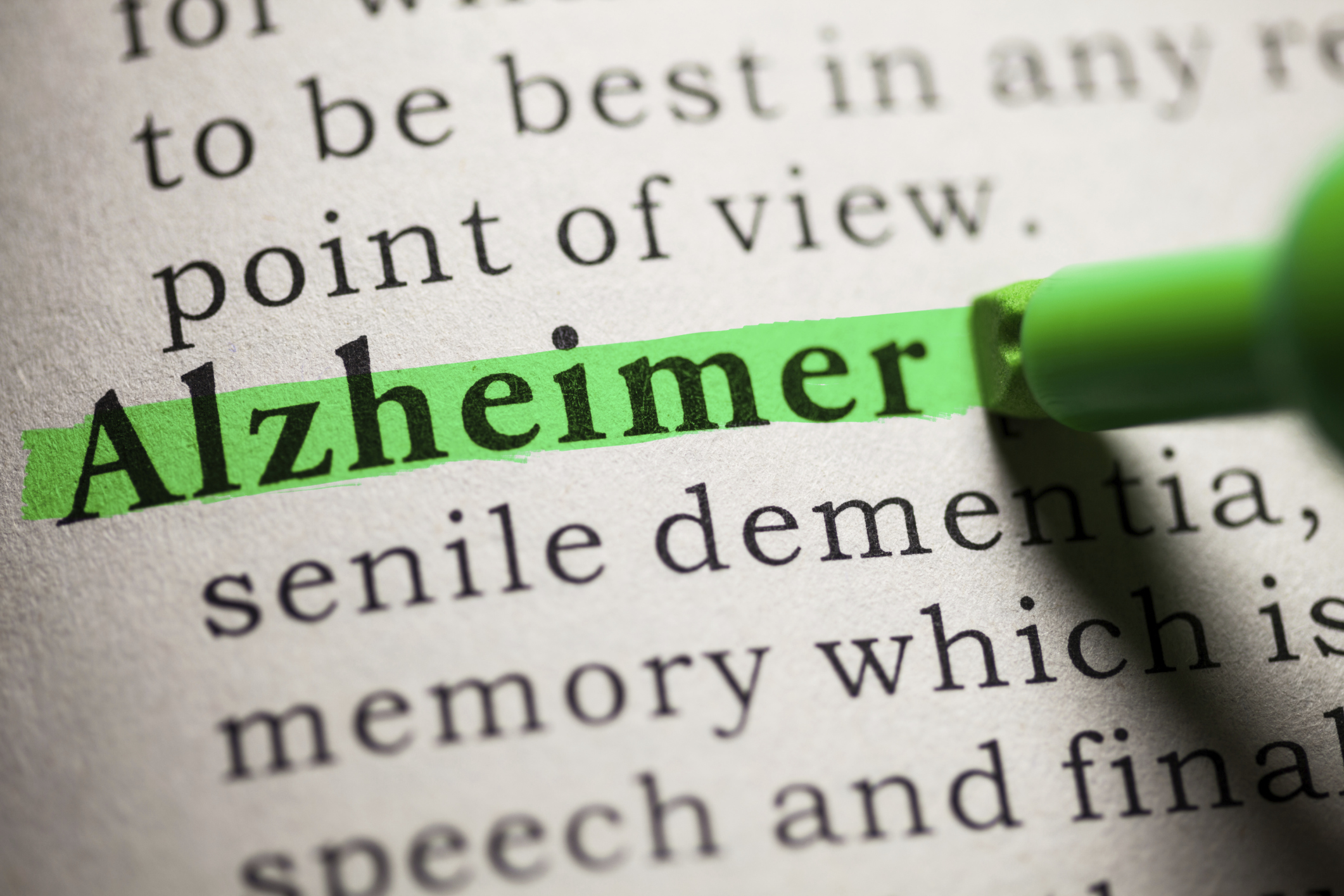
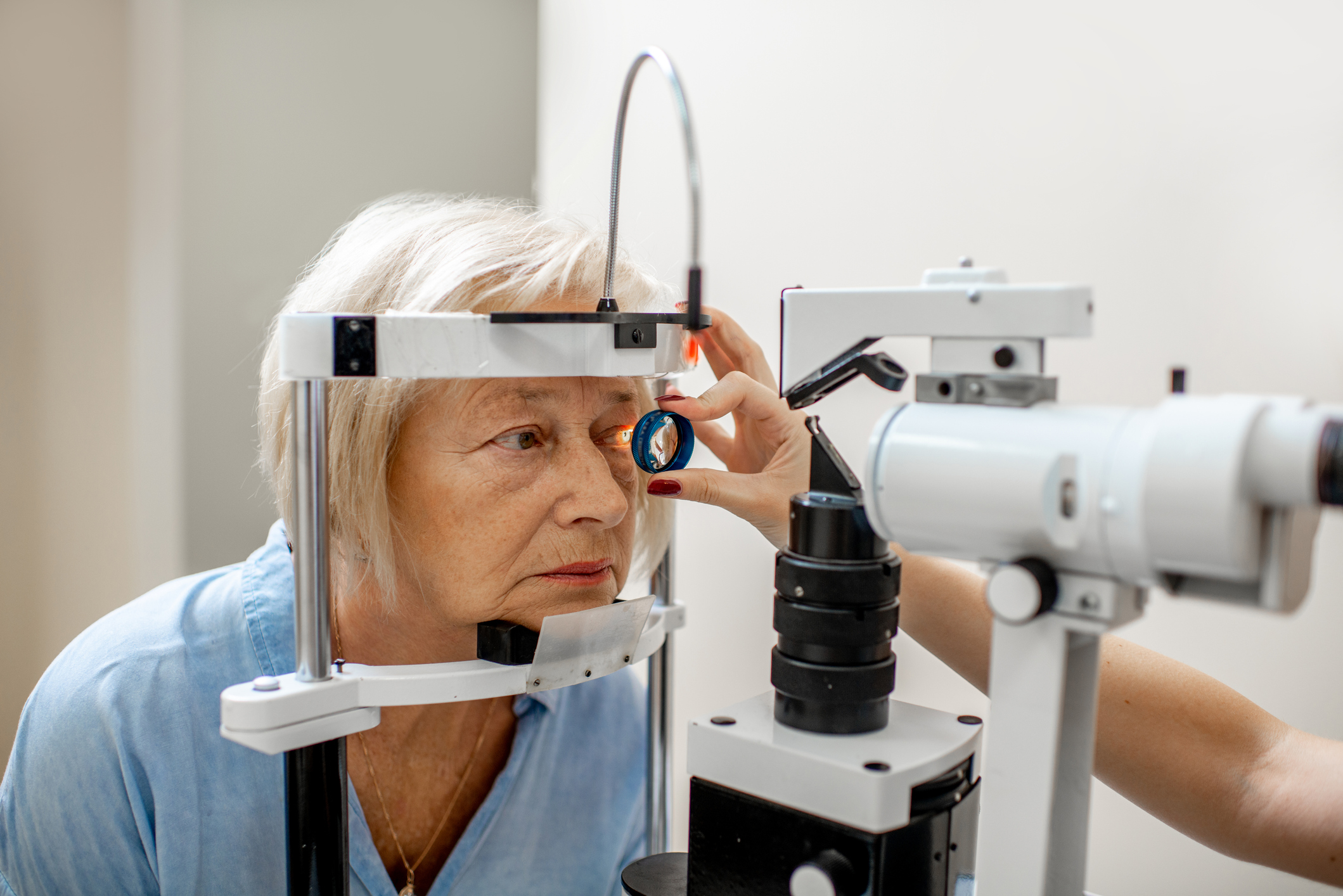
Stages of Alzheimer’s Disease

Alzheimer’s disease is an irreversible, progressive brain disorder that destroys memory and other mental functions over time, eventually leading to the inability to carry out daily activities.

Progression of the disease can vary by the individual. The average life expectancy of a person diagnosed is eight to 10 years. However, depending on several factors, a person could live as long as twenty years or more after diagnosis.

As the disease gradually worsens, symptoms that are associated with the three main stages of Alzheimer’s will appear. It is important to note that these stages serve as a general guideline as symptoms may vary.  The three stages are:

Stage 1:  Mild, Early Stage – During this stage a person may function independently but may experience memory lapses and other difficulties in concentration such as problems coming up with correct names or words and staying organized.

Stage 2: Moderate, Middle Stage – Typically, this is the longest stage and can last many years. At this point symptoms become more noticeable, and the individual will require more care as they may not be able to successfully complete some routine activities on their own.  Symptoms may include moodiness or withdrawal, confusion about what day it is or location, difficulty controlling bladder or bowel movements and increased risk of wandering.

Stage 3: Severe, Late Stage –This is the final stage of Alzheimer’s and individuals will need an extensive amount of help and care.  At this stage, a person loses many physical abilities such as eating, sitting or walking.   Other symptoms that can occur include having difficulty communicating, significant personality changes, lack of awareness of surroundings and becoming more susceptible to life- threatening infections such as pneumonia.

Recognizing the symptoms of  Alzheimer’s is important; as early detection of the disease can help individuals to receive the maximum benefits from available treatments, maintain their independence longer and better prepare for their care in the future.

During Alzheimer’s and Brain Awareness Month, organizations such as the Alzheimer’s Association and Flushing  Hospital Medical Center are raising awareness about the disease as it affects an estimated  5.7 million people  living in the United Sates.  Through education we hope to increase public knowledge of the disease, and its effects on individuals as well their caregivers.  To learn more about Alzheimer’s, please visit the Alzheimer’s Association’s website at www.alz.org

All content of this newsletter is intended for general information purposes only and is not intended or implied to be a substitute for professional medical advice, diagnosis or treatment. Please consult a medical professional before adopting any of the suggestions on this page. You must never disregard professional medical advice or delay seeking medical treatment based upon any content of this newsletter. PROMPTLY CONSULT YOUR PHYSICIAN OR CALL 911 IF YOU BELIEVE YOU HAVE A MEDICAL EMERGENCY.

Glaucoma

Glaucoma is a group of diseases that damages the eye’s optic nerve (The nerve at the back of the eye that connects to the brain and sends visual information to help us see).

There are several different types of glaucoma; however, the most common is open-angle glaucoma.

Open-angle glaucoma develops as a result of ocular hypertension- abnormally high levels of pressure in the eye. Over time, the build-up of pressure causes damage to the optic nerve tissue which leads to vision loss and blindness.

There are typically no warning signs or symptoms in the early stages of open-angle glaucoma. But as the disease progresses and becomes more advanced, people can experience:

  • Tunnel vision
  • Patchy blind spots in their peripheral (side) vision.

Individuals at a higher risk of developing open-angle glaucoma include those who:

  • Are over the age of 60 (Glaucoma is the leading cause of blindness for people within this age group)
  • Are African American
  • Have a family history of the disease
  • Have a medical history of diabetes or hypertension

Glaucoma is diagnosed by performing a comprehensive eye examination. Treatment is focused on preventing any additional vision loss, and may include medications or surgery. Vision loss or blindness can be slowed or prevented with early treatment.  This is why it is important to get regular eye exams which can help detect glaucoma at its early stages.

All content of this newsletter is intended for general information purposes only and is not intended or implied to be a substitute for professional medical advice, diagnosis or treatment. Please consult a medical professional before adopting any of the suggestions on this page. You must never disregard professional medical advice or delay seeking medical treatment based upon any content of this newsletter. PROMPTLY CONSULT YOUR PHYSICIAN OR CALL 911 IF YOU BELIEVE YOU HAVE A MEDICAL EMERGENCY.

November is Prematurity Awareness Month

November is Prematurity Awareness Month which is defined as a baby born before the mother reaches 37 weeks of pregnancy. It is estimated that approximately 15 million babies around the world are born prematurely and approximately one million of them do not survive. The earlier a baby is born the more problems they are likely to have.

There are several factors that can lead to mothers having premature babies. Some of the risk factors are smoking, alcohol or substance abuse, poor nutrition, being under the age of 19 or over the age of 35, poor quality of prenatal care, previous premature babies, and abnormally shaped reproductive organs.

Some of the health issues that premature babies can experience are:

  • Breathing problems
  • Heart problems
  • Anemia
  • Gastrointestinal problems
  • Brain problems
  • Metabolism problems
  • Low blood pressure
  • Infections

Premature babies often require specialized care before they are able to leave the hospital. Flushing Hospital Medical Center has a specialized unit called the Neonatal Intensive Care Unit (NICU) that has a highly trained staff and the equipment needed to care for these babies. The team is comprised of neonatologists, registered nurses, respiratory therapists, pharmacists, physical and occupational therapists, as well as several other support staff and consultants.

The criteria for allowing a premature baby to be discharged from the hospital is dependent on each baby’s progress. Typically a baby has to be able to breath on their own, should weigh about 4 pounds, can be breastfed or bottle fed successfully, and can maintain a stable body temperature.

A premature baby may require special care once they are allowed to go home from the hospital. You can speak to your pediatrician about what that may include. To schedule an appointment with a pediatrician at Flushing Hospital Medical Center, please call 718-670-5486.

All content of this newsletter is intended for general information purposes only and is not intended or implied to be a substitute for professional medical advice, diagnosis or treatment. Please consult a medical professional before adopting any of the suggestions on this page. You must never disregard professional medical advice or delay seeking medical treatment based upon any content of this newsletter. PROMPTLY CONSULT YOUR PHYSICIAN OR CALL 911 IF YOU BELIEVE YOU HAVE A MEDICAL EMERGENCY.

Understanding Depression

Depression is a mood disorder that makes you feel constant sadness or lack of interest in life.  It can affect how a person feels, thinks and behaves. It can lead to a variety of emotional and physical problems. Those living with depression have trouble doing normal day-to-day activities, and sometimes may feel as if life isn’t worth living.

While everyone experiences feelings of sadness at some point in their life, those with clinical depression have prolonged periods of feeling helpless, hopeless, and worthless. These feelings are not always tied to a specific incident and can last for many days to weeks. Depression can occur in children, adolescents and adults. Although someone can experience depression only once in their life, most who suffer with depression experience recurring episodes.

Some of the symptoms of depression include:

  • Feelings of sadness, tearfulness, emptiness or hopelessness
  • Angry outbursts, irritability or frustration, even over small matters
  • Loss of interest or pleasure in most or all normal activities, such as sex, hobbies or sports
  • Sleep disturbances, including insomnia or sleeping too much
  • Tiredness and lack of energy, so even small tasks take extra effort
  • Reduced appetite and weight loss or increased cravings for food and weight gain
  • Anxiety, agitation or restlessness
  • Slowed thinking, speaking or body movements
  • Feelings of worthlessness or guilt, fixating on past failures or self-blame
  • Trouble thinking, concentrating, making decisions and remembering things
  • Frequent or recurrent thoughts of death, suicidal thoughts, suicide attempts or suicide
  • Unexplained physical problems, such as back pain or headaches

For many people with depression, symptoms usually are severe enough to cause noticeable problems in day-to-day activities, such as work, school, social activities or relationships with others. Some people may feel generally miserable or unhappy without really knowing why.

There is no known singular cause for depression. Instead, health professionals point to a combination of contributing factors including a person’s brain structure and chemistry. Hormone and genetics are also believed to play a role.

Help is available for those with depression. A mental health professional can conduct an evaluation and outline a course of treatment based on the patient’s individual needs. Treatment may include:

  • Medications – These can include a combination of antidepressants, mood stabilizers, antipsychotic, anti-anxiety or stimulant medications
  • Psychotherapy – Talking to a mental health professional on a regular basis about your depression and other issues can help treat the symptoms.
  • Electroconvulsive therapy – This brain stimulation therapy passes electric currents through your brain to help your neurotransmitters work better.
  • Transcranial magnetic stimulation – This treatment uses a coil to send magnetic pulses through your brain to help stimulate nerve cells that regulate mood.

Some with depression may experience thoughts of hurting themselves or others. If someone you know is depressed and you think they may hurt themselves or attempt suicide, call 911immediately.

All content of this newsletter is intended for general information purposes only and is not intended or implied to be a substitute for professional medical advice, diagnosis or treatment. Please consult a medical professional before adopting any of the suggestions on this page. You must never disregard professional medical advice or delay seeking medical treatment based upon any content of this newsletter. PROMPTLY CONSULT YOUR PHYSICIAN OR CALL 911 IF YOU BELIEVE YOU HAVE A MEDICAL EMERGENCY.

Anorexia

Anorexia nervosa-often used interchangeably with anorexia, is an eating disorder and psychological condition characterized by having a distorted body image (believing one is much heavier than they are), and the intense fear of gaining weight or becoming obese.


The exact cause for anorexia nervosa is unknown; however, there are several environmental, biological and psychological factors believed to contribute to its development.

Individuals with anorexia nervosa aim to maintain a low body weight that is abnormal for their height and age. This is typically achieved by practicing unhealthy weight loss habits such as:

  • Exercising excessively
  • Severely restricting the amount of food consumed
  • Vomiting after eating
  • Misusing, diuretics, laxatives or diet aides

The symptoms of anorexia nervosa can be physical, emotional or behavioral, and may vary from person to person.

Physical symptoms can include:

  • Extreme weight loss
  • Severe loss of muscle mass
  • Fatigue
  • Thinning hair or hair that breaks easily
  • Fainting or dizziness
  • Infertility
  • Lanugo- soft, downy hair that covers the body

Emotional and behavioral symptoms may include:

  • An unhealthy preoccupation with food
  • Excessive concern about  being overweight
  • Adopting eating rituals such as chewing food and spitting it out
  • Lying about food intake
  • Avoiding eating in public
  • Repeated weighing or measuring of the body
  • Social withdrawal

Most individuals with anorexia nervosa hesitate to seek help because their desire to stay thin often outweighs their concerns for being healthy. However, anorexia nervosa can be life-threatening, so it is important that they receive the immediate care of physicians and mental health experts to help with overcoming this condition.

The diagnosis of anorexia nervosa generally includes physical exams, lab tests and psychological evaluations.  Treatment is often administered by a team of healthcare professionals who are experienced in dealing with eating disorders such as a primary care doctor, dietitian and psychologist.  A care plan may include medication, psychotherapy and nutrition education.

All content of this newsletter is intended for general information purposes only and is not intended or implied to be a substitute for professional medical advice, diagnosis or treatment. Please consult a medical professional before adopting any of the suggestions on this page. You must never disregard professional medical advice or delay seeking medical treatment based upon any content of this newsletter. PROMPTLY CONSULT YOUR PHYSICIAN OR CALL 911 IF YOU BELIEVE YOU HAVE A MEDICAL EMERGENCY.

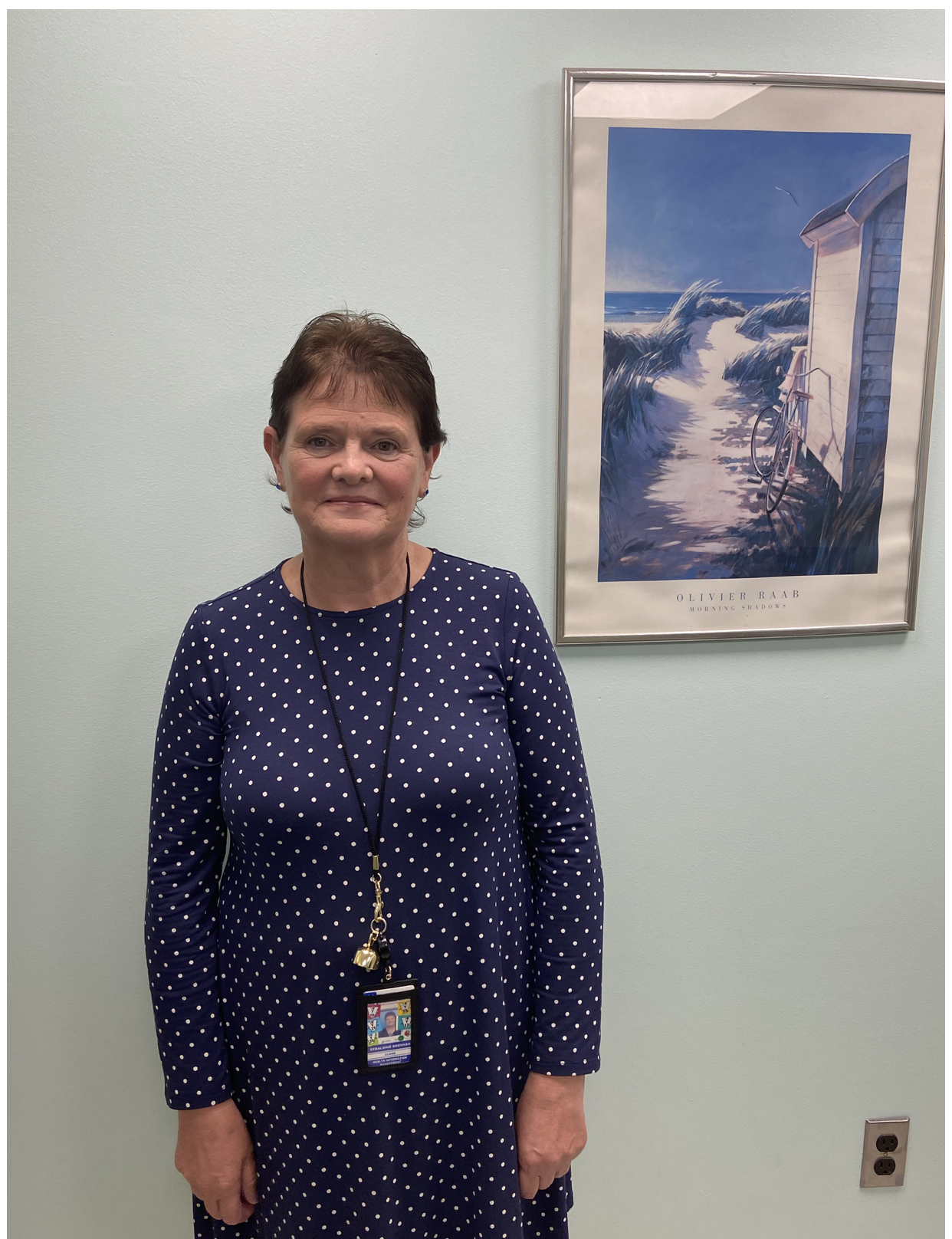
October Employee Spotlight – Geraldine Brennan

Flushing Hospital Medical Center’s (FHMC) October Employee Spotlight shines on Geraldine Brennan. Geraldine is a Health Information Clerk in our Medical Records Department.

Geraldine has been a valued employee for the past 11 years.  She has one son, Patrick, who also works in healthcare and a daughter, Anna, who is an educator.

In her off time, Geraldine likes to take walks and reads.  She is active in her church and community civic projects.

The most rewarding part of her job is seeing how happy the patients are when you take the time to help them and provide what they need.  Although Geraldine always gives each request priority attention, there are some requests that are unique and are more difficult to provide information in a most efficient manner.

Even when those unique situations arise, Geraldine is always courteous, professional and works tirelessly to be sure all patient requests are met.

For these and so many other reasons, Geraldine Brennan is FHMC’s October Employee Spotlight

All content of this newsletter is intended for general information purposes only and is not intended or implied to be a substitute for professional medical advice, diagnosis or treatment. Please consult a medical professional before adopting any of the suggestions on this page. You must never disregard professional medical advice or delay seeking medical treatment based upon any content of this newsletter. PROMPTLY CONSULT YOUR PHYSICIAN OR CALL 911 IF YOU BELIEVE YOU HAVE A MEDICAL EMERGENCY.

World Psoriasis Day is October 29th

October 29th has been designated as World Psoriasis Day by the International Federation of Psoriasis Association to raise awareness about this disease. It is estimated that worldwide there are 125 million people worldwide who have psoriasis.

Psoriasis is a chronic, reoccurring, immune related inflammatory disorder of the skin. It is believed to have a genetic component which means it can run in families. The disease usually starts to appear in the younger years and continues into adulthood, and it affects men and women equally. There is no known cause other than it is triggered by a malfunctioning of the immune system.  Psoriasis is unsightly but is not contagious.

Psoriasis presents as reddish plaques on the skin with silvery scales. These lesions can be very painful and itchy. It can also affect the joints (psoriatic arthritis) which can cause physical and functional deformity. There is no cure for the disease, but treatments do exist that make the skin lesions less painful and less visible.

To make an appointment with a dermatologist at Flushing Hospital Medical Center’s Ambulatory Care Center, please call  718-670-5486

All content of this newsletter is intended for general information purposes only and is not intended or implied to be a substitute for professional medical advice, diagnosis or treatment. Please consult a medical professional before adopting any of the suggestions on this page. You must never disregard professional medical advice or delay seeking medical treatment based upon any content of this newsletter. PROMPTLY CONSULT YOUR PHYSICIAN OR CALL 911 IF YOU BELIEVE YOU HAVE A MEDICAL EMERGENCY.

OCD and COVID-19

Obsessive Compulsive Disorder (OCD) is a chronic mental health condition that is characterized by unreasonable thoughts or obsessions that lead to repetitive behaviors(compulsions) such as excessive handwashing.

For many living with OCD, the stress of the COVID-19 pandemic has greatly impacted their mental health.

The threat of being infected with the virus and potentially becoming ill have presented certain challenges and in some cases exacerbated symptoms.

Stress and anxiety caused by the pandemic may result in the worsening of the following OCD symptoms:

  • Fear of contamination (Being afraid to touch objects other people have touched, or being afraid to touch others)
  • Excessive hand washing or showering
  • Excessively cleaning household items or other objects
  • Compulsive hoarding
  • Persistent unwanted or intrusive thoughts
  • Constantly checking that nothing terrible has happened
  • Difficulty dealing with uncertainty

According to the International OCD Foundation, there are measures that those living with OCD can apply to help them navigate this challenging time; these include:

  • Give yourself permission to set a basic safety plan based on the recommendations of trusted health organizations, and do not add to it.
  • Wash your hands with soap and water for 20 seconds after being outside or in public, before eating, after going to the bathroom, and after you’ve coughed/sneezed/blown your nose. If soap and water are not available to you, use hand sanitizer that contains at least 60% alcohol.
  • If you want to do more than this, pick a person to help you figure out what might be a reasonable and rational safety measure to take.
  • Remind yourself that no one can protect themselves “perfectly” from COVID-19, and no one expects you to. Times like these call for using your common sense instead of going to perfectionistic extremes.
  • Be mindful that your OCD may take advantage of COVID-19 fears by telling you that you might have infected someone or that you are going to infect someone in the future, whether accidentally or on purpose.
  • If you’re noticing these intrusive thoughts, or that you’re doing compulsions related to these thoughts, check in with your therapist and let them know how your symptoms might have changed. They can work with you to come up with new exposures and/or homework activities to help contain them.

If you are struggling with the symptoms of OCD or other mental health conditions please reach out to a mental health professional for assistance.

To schedule an appointment with a mental health professional at Flushing Hospital Medical Center, please call 718-670-5316.

All content of this newsletter is intended for general information purposes only and is not intended or implied to be a substitute for professional medical advice, diagnosis or treatment. Please consult a medical professional before adopting any of the suggestions on this page. You must never disregard professional medical advice or delay seeking medical treatment based upon any content of this newsletter. PROMPTLY CONSULT YOUR PHYSICIAN OR CALL 911 IF YOU BELIEVE YOU HAVE A MEDICAL EMERGENCY.

Flushing Hospital’s Wound Care Center Offers Tips To Avoid Food Ulcers


A foot ulcer is a break in the skin or a deep sore, which can become infected.

Some of the most common causes of foot ulcers include:

  • Circulatory problems – Your circulatory system carries oxygen-rich blood and nutrients to your entire body. These nutrients maintain healthy tissue. When someone experiences circulatory issues, the feet are typically one of the first places where problems can occur.
  • Nerve damage – When nerves are intact, they send signals to the brain when an object is causing pain. If someone has damaged nerves, they do not receive these signals and they are unable to identify when something is causing harm to the tissue. Failure to address the issue can result in irritation and potentially an ulcer.
  • Prolonged pressure on the feet – Ulcers can occur even in people without nerve damage when they wear shoes that fit poorly This is usually due to severe atherosclerosis, or a deformity such as a fracture. In addition, Elderly patients may have difficulty examining their feet, ignoring pain from pressure on the feet, which may lead to an ulcer.
  • Various health conditions – Ulcers are an indication that a severe stage of a condition such as peripheral artery disease, kidney failure, diabetes, hypertension, or high cholesterol is present. A physician can offer strategies such as medication management, healthy diet, exercise, and proper weight management to help manage these conditions.
  • Lifestyle issues – Smoking is a leading contributor to ulcers as it increases the risk of developing a variety of conditions that can lead to the development of them. In addition, leading a sedentary lifestyle can increase your chances of developing foot ulcers.  Avoiding prolonged periods of bed rest or non-mobility can decrease the likelihood of developing ulcers.

If left untreated for too long, a foot ulcer can cause serious consequences including potential amputation.

The three most important ways to avoid this is from happening is educating yourself about foot ulcers, wearing the appropriate shoes, and maintaining your regularly-scheduled appointments with your doctor

Flushing Hospital’s Wound Care Center wants to help our community put a stop to foot ulcers through proper care and early detection, which can greatly reduce the risk of amputation and improve overall quality of life.

If you have a foot ulcer and need help treating it, please call Flushing Hospital’s Wound Care at 718-670-4542 to schedule an appointment.

All content of this newsletter is intended for general information purposes only and is not intended or implied to be a substitute for professional medical advice, diagnosis or treatment. Please consult a medical professional before adopting any of the suggestions on this page. You must never disregard professional medical advice or delay seeking medical treatment based upon any content of this newsletter. PROMPTLY CONSULT YOUR PHYSICIAN OR CALL 911 IF YOU BELIEVE YOU HAVE A MEDICAL EMERGENCY.