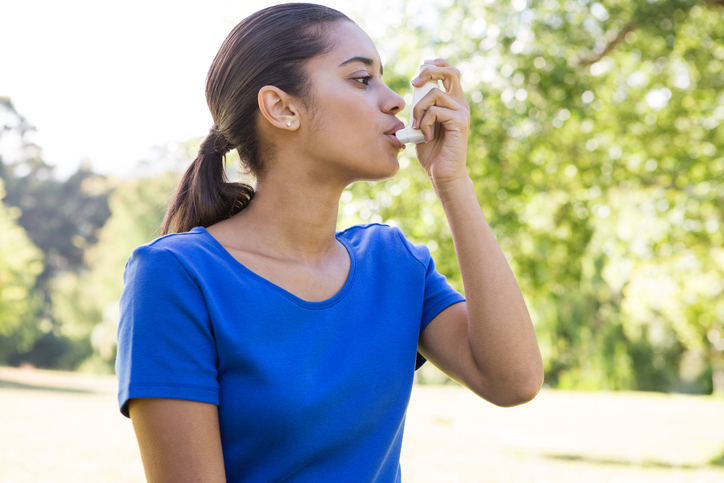
How Summer Weather Affects Asthma

Many people with asthma find that their symptoms worsen during the hot humid days of summer.  This is fairly common and there are several reasons why this may occur:

  • The poor air quality during the warm and hot weather is due to a rise in air pollutants which can make breathing more difficult.
  • The high humidity which is often found during the warmer months can make it difficult to inhale air.
  • Warm weather typically leads to an increase in allergens such as pollen, mold and dust mites.
  • These can cause a release of histamines in the body which constrict the air passages.
  • Heat puts stress on the lungs’ ability to inhale and exhale because the breathing passages narrow.

Here are some tips to keep asthma under control during the summer months:

  • Try not to go outside during the hottest times of the day
  • Stay in air-conditioned spaces as much as possible
  • Keep allergies well controlled
  • Avoid heavily chlorinated swimming pools
  • Keep asthma medication handy

There are a few treatment options available for people who have been diagnosed with asthma. These include inhaler corticosteroids which reduce the inflammation in the airways. Some inhalers also contain corticosteroids and beta blockers which help to keep the airways open. Always discuss with your physician which option is going to be best for you. If you would like to schedule an appointment with a physician at Flushing Hospital Medical Center, please call 718-670-5486

All content of this newsletter is intended for general information purposes only and is not intended or implied to be a substitute for professional medical advice, diagnosis or treatment. Please consult a medical professional before adopting any of the suggestions on this page. You must never disregard professional medical advice or delay seeking medical treatment based upon any content of this newsletter. PROMPTLY CONSULT YOUR PHYSICIAN OR CALL 911 IF YOU BELIEVE YOU HAVE A MEDICAL EMERGENCY.

What is Prediabetes?

Prediabetes refers to a person’s blood sugar level being higher than normal. It can potentially cause skin to become darker in certain parts of the body, such as the neck, armpits, and groin; however, in most cases, it does not cause any identifiable signs or symptoms.

Prediabetes occurs when your body can no longer process glucose properly, causing it to accumulate in your bloodstream. This can happen as a result of the pancreas’ inability to produce sufficient amounts of insulin, or because your cells have developed a resistance to insulin.

A variety of factors can increase your likelihood of developing prediabetes and, by extension, type 2 diabetes. They include:

  • Family history
  • Black, Hispanic, Native American, or Asian background
  • Being over 35 years of age
  • Lack of physical activity
  • Being overweight or obese
  • Consuming a diet high in red or processed meat and sugary drinks
  • Smoking

Additionally, several conditions can also increase your risk of developing prediabetes or type 2 diabetes, such as:

  • Gestational diabetes (diabetes during pregnancy)
  • Polycystic ovary syndrome
  • Sleep apnea
  • High blood pressure
  • High triglyceride levels
  • Low levels of high-density lipoprotein (“good”) cholesterol
  • High blood sugar levels
  • Metabolic syndrome

You may still be able to avoid developing type 2 diabetes if you have prediabetes. The most beneficial steps you can take to prevent this progression include:

  • Developing a regular exercise routine
  • Improving your diet by replacing unhealthy foods with more nutritious options
  • Quitting or avoiding smoking
  • Maintaining a healthy weight
  • Working with a doctor to monitor your health and control potential risk factors such as high blood pressure

If you are at risk for prediabetes, you can schedule an appointment for diagnosis and treatment from a board-certified doctor at Flushing Hospital Medical Center’s Ambulatory Care Center by calling (718) 670-5486.

All content of this newsletter is intended for general information purposes only and is not intended or implied to be a substitute for professional medical advice, diagnosis or treatment. Please consult a medical professional before adopting any of the suggestions on this page. You must never disregard professional medical advice or delay seeking medical treatment based upon any content of this newsletter. PROMPTLY CONSULT YOUR PHYSICIAN OR CALL 911 IF YOU BELIEVE YOU HAVE A MEDICAL EMERGENCY.

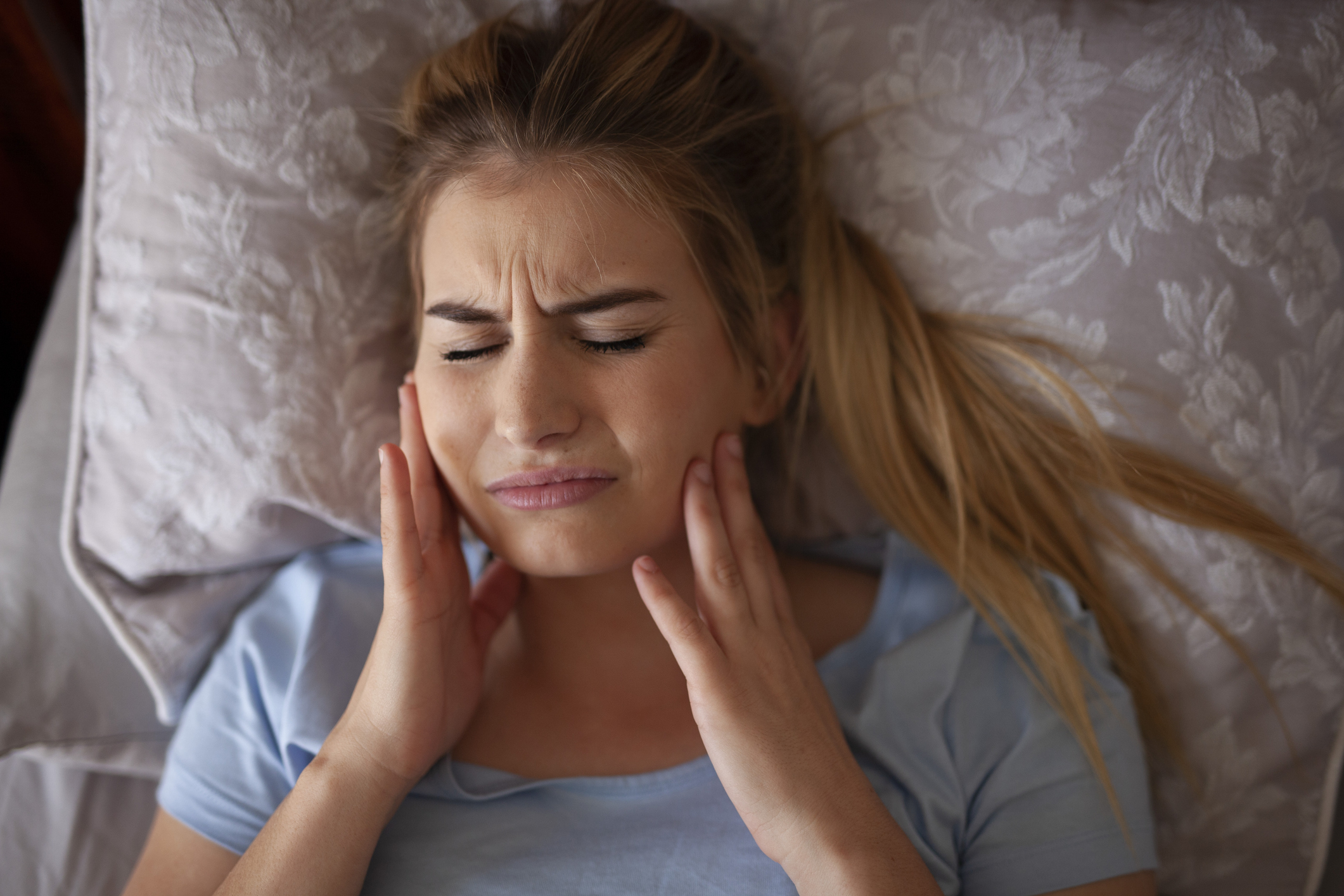
What is Bruxism?

Bruxism is a condition associated with teeth grinding, causing pain in your teeth, jaw muscles, and the joints that connect your jawbone to your skull. Over time, it can also cause teeth to become fractured, worn down, loosened, or lost. This condition is common, affecting approximately 10% of adults and 15% of children.

Aside from pain and damage to your teeth and jaw, other symptoms of bruxism include:

  • Sleep disruption
  • Headaches or facial pain
  • Ear aches
  • Pain while eating
  • Jaw locking

Bruxism can occur when you’re awake or asleep. Grinding your teeth or clenching your jaw while awake is often tied to strong emotions, such as anxiety, anger, or stress. It can also occur if you’re concentrating on something. If you experience bruxism while sleeping, you may not be aware of it and may be grinding your teeth more strongly than if you were awake, making it a potentially more damaging and difficult to detect form of this condition.

In addition to your emotional state, bruxism is also linked to lifestyle habits such as the consumption of alcohol, cigarettes, recreational drugs, and excessive caffeine (equivalent to six or more cups of coffee per day). Taking selective serotonin reuptake inhibitors (SSRIs) can also increase your likelihood of experiencing bruxism.

Treatment for bruxism may include the usage of a night guard while sleeping. This orthotic device protects your teeth and the muscles and joints of your jaw from grinding.  Your dentist may also recommend lifestyle changes and therapies that target potential root causes of bruxism, as well as a review of any medications you’re taking to determine if they are contributing to the problem.

If you are experiencing bruxism or symptoms that may indicate teeth grinding while sleeping, you can receive specialized dental care at Flushing Hospital Medical Center’s Dental Department. To schedule an appointment, please call (718) 670-5521.

All content of this newsletter is intended for general information purposes only and is not intended or implied to be a substitute for professional medical advice, diagnosis or treatment. Please consult a medical professional before adopting any of the suggestions on this page. You must never disregard professional medical advice or delay seeking medical treatment based upon any content of this newsletter. PROMPTLY CONSULT YOUR PHYSICIAN OR CALL 911 IF YOU BELIEVE YOU HAVE A MEDICAL EMERGENCY.

Gastroparesis Awareness Month

This month, we’re shedding light on a health condition you may be at risk of developing if you’ve been diagnosed with type 1 or 2 diabetes. Gastroparesis (also referred to as “delayed gastric emptying”) is a disorder that disrupts the movement of food from your stomach to your small intestine.

Out of 100,000 people, about 10 men and 40 women may suffer from gastroparesis, adding up to about 5 million people throughout the United States. Although gastroparesis is rare, you may be more likely to develop it based on certain factors.

Diabetes, certain cancer treatments, and any surgery that may have injured your vagus nerve may contribute to an increased risk of developing this disorder. Out of these factors, diabetes is the most commonly-identified cause.

A few different symptoms may indicate signs of gastroparesis, including a feeling of fullness in your stomach before or after finishing a normal-sized meal, stomach pain or discomfort, or nausea.

The first doctor you may see when you start to present symptoms of gastroparesis is your primary care physician. This doctor may then refer you to a gastroenterologist if they believe those symptoms may indicate gastroparesis.

When diagnosing you with gastroparesis, a doctor conducts a physical exam, measures stomach emptying, and takes your medical history into consideration. These factors, in addition to your symptoms, complications, and most likely cause help determine the best course of treatment for you. If diabetes is determined to be the cause of your gastroparesis, your doctor will focus on helping you control your blood glucose levels.

You can also tackle your symptoms from a dietary angle by reducing fat and fiber intake, avoiding tough-to-chew foods as well as carbonated and alcoholic beverages, and increasing your intake of water and liquids containing glucose and electrolytes. Light physical activity after each meal can also be helpful for stimulating your digestive processes, relieving feelings of fullness and allowing you to process food more easily.

All content of this newsletter is intended for general information purposes only and is not intended or implied to be a substitute for professional medical advice, diagnosis or treatment. Please consult a medical professional before adopting any of the suggestions on this page. You must never disregard professional medical advice or delay seeking medical treatment based upon any content of this newsletter. PROMPTLY CONSULT YOUR PHYSICIAN OR CALL 911 IF YOU BELIEVE YOU HAVE A MEDICAL EMERGENCY.
Meet Our New Beginnings Team Member Regina Holmes, RN

Regina Holmes, RN, has worked at Flushing Hospital Medical Center for the past 39 years. She became a nurse because she wanted a meaningful career that would have a positive impact on the lives of others.

As a member of the New Beginnings team, Regina takes great pride in providing a comfortable and safe environment for her patients.  She achieves this by offering the care and support needed to ease the anxieties of expecting parents. “Having a baby can be challenging, but we do everything we can to make it a positive experience,” she explained.

According to Regina, the greatest reward of being a nurse on Flushing Hospital’s Labor and Delivery unit is getting to share in the joy of a new family. “I get so much happiness from being there for the delivery of a baby and helping parents step into their new role. It is very fulfilling,” she said.

All content of this newsletter is intended for general information purposes only and is not intended or implied to be a substitute for professional medical advice, diagnosis or treatment. Please consult a medical professional before adopting any of the suggestions on this page. You must never disregard professional medical advice or delay seeking medical treatment based upon any content of this newsletter. PROMPTLY CONSULT YOUR PHYSICIAN OR CALL 911 IF YOU BELIEVE YOU HAVE A MEDICAL EMERGENCY.

Psoriasis Awareness Month

Psoriasis is a chronic skin condition that causes the formation of thick, scaly patches of discolored skin, also known as plaques. These rashes occur due to inflammation and can appear anywhere on the body, but typically develop on the elbows, knees, scalp, fingernails, toenails, palms, feet, lower back, genitals, face, and mouth. Over 3% of Americans have been diagnosed with psoriasis.

There are many types of psoriasis, including:

  • Plaque psoriasis (the most common form of psoriasis)
  • Inverse psoriasis (which causes plaques to form without a scaly texture)
  • Guttate psoriasis (which can appear after a case of strep throat)
  • Pustular psoriasis (characterized by pus-filled bumps that appear on plaques)
  • Erythrodermic psoriasis (covering over 90% of your skin)
  • Sebopsoriasis (appearing on your face and scalp with a yellow coloration and scaly texture)
  • Nail psoriasis (which causes discoloration and pitting in your fingernails and toenails)

Psoriasis is an autoimmune condition, meaning that it is caused by your immune system functioning abnormally and attacking healthy cells; this results in the inflammation that causes plaques on the skin. Psoriasis also significantly speeds up the production of new skin cells, causing scales and frequent shedding. Approximately one in three people diagnosed with this disorder may also be diagnosed with psoriatic arthritis, another autoimmune condition that causes swelling and pain in your joints.

Symptoms of psoriasis are not necessarily constant. They typically occur during periodic flare-ups, which may develop in response to certain factors or elements of the environment. Some common triggers for psoriasis include stress, infections such as strep throat, skin injuries, medications such as lithium and beta-blockers, and body temperature shifts in response to weather conditions.

Many cases of psoriasis may respond well to treatment options such as steroid creams, moisturizers, medical lotions or shampoos, vitamin D3 ointment, vitamin A or retinoid creams, and medications such as anthralin which slow down the production of new skin cells. If these options do not treat your symptoms effectively, your doctor may recommend light therapy, immunosuppressant drugs, and other, stronger medications.

If you are experiencing symptoms of psoriasis, you can receive specialized treatment from a dermatologist at Flushing Hospital Medical Center. To schedule an appointment, please call (718) 670-5486.

All content of this newsletter is intended for general information purposes only and is not intended or implied to be a substitute for professional medical advice, diagnosis or treatment. Please consult a medical professional before adopting any of the suggestions on this page. You must never disregard professional medical advice or delay seeking medical treatment based upon any content of this newsletter. PROMPTLY CONSULT YOUR PHYSICIAN OR CALL 911 IF YOU BELIEVE YOU HAVE A MEDICAL EMERGENCY.

Enjoy a Summer Recipe – Rigatoni Bolognese with Summer Vegetables

A beautiful, summer evening calls for a light, easy to prepare, Rigatoni Bolognese with vegetables dish to enjoy. Here is a recipe from the Food Network that we recommend. https://www.foodnetwork.com/recipes/food-network-kitchen/rigatoni-with-summer-bolognese-7119146

All content of this newsletter is intended for general information purposes only and is not intended or implied to be a substitute for professional medical advice, diagnosis or treatment. Please consult a medical professional before adopting any of the suggestions on this page. You must never disregard professional medical advice or delay seeking medical treatment based upon any content of this newsletter. PROMPTLY CONSULT YOUR PHYSICIAN OR CALL 911 IF YOU BELIEVE YOU HAVE A MEDICAL EMERGENCY.

The Shingles Vaccine: Everything You Need to Know

Shingles is an infection that can cause painful rashes and blisters anywhere on the body. It is caused by the varicella-zoster virus, which also causes chickenpox. If you’ve had chickenpox at any point in the past, the virus is still present in your body and can re-activate later in life as shingles.

Although shingles isn’t life-threatening, it can be very painful. Additionally, it can lead to postherpetic neuralgia, a complication that causes shingles pain to occur long after rashes and blisters are no longer present.

According to the Centers for Disease Control and Prevention, the only protection available against shingles is vaccination. Two doses of the shingles vaccine, also known as Shingrix, are recommended for all adults over the age of 50, as well as adults over the age of 19 who have weakened immune systems due to disease or medical treatment. You should also get the vaccine if you’ve already had shingles, as it can prevent future occurrences of the condition.

The shingles vaccine is safe, with side-effects generally going away no more than three days after receiving a dose. Side-effects are also more common in young people. They typically include:

  • Soreness in the injected arm
  • Redness and swelling around the vaccination site
  • Fatigue
  • Headaches
  • Muscle pain
  • Fever
  • Stomach pain
  • Nausea

There is also a very small risk of Guillain-Barré syndrome (GBS), a serious nervous system disorder, associated with the shingles vaccine; this risk, however, is also associated with the shingles itself.

While most people should get the shingles vaccine at some point, it may not be right for everyone based on certain factors. You should not receive the vaccine while you currently have shingles, are pregnant, or if you have previously had a severe allergic reaction to any component of the vaccine.

You can receive the shingles vaccine at Flushing Hospital Medical Center’s Ambulatory Care Center. To schedule an appointment, please call (718) 670-5486.

All content of this newsletter is intended for general information purposes only and is not intended or implied to be a substitute for professional medical advice, diagnosis or treatment. Please consult a medical professional before adopting any of the suggestions on this page. You must never disregard professional medical advice or delay seeking medical treatment based upon any content of this newsletter. PROMPTLY CONSULT YOUR PHYSICIAN OR CALL 911 IF YOU BELIEVE YOU HAVE A MEDICAL EMERGENCY.

What is Self-Harm?

Self-harm is when a person intentionally hurts themselves. Generally, people who self-harm do not intend for their actions to kill them. They may act in this way for a wide variety of reasons, such as to help them cope emotionally with distressing thoughts or feelings or to communicate to others non-verbally that they are in distress and need support.

People self-harm in many different ways, including:

  • Cutting or scratching to break skin
  • Burning themselves with objects such as lit cigarettes, heated sharp objects, or chemicals
  • Physical trauma, such as hitting themselves with an object or hitting objects in ways that cause harm to themselves (for example, punching a wall)

These forms of self-harm can leave different kinds of marks on the body, such as bruises, burns, and scars. A person may try to cover these marks up with long-sleeve clothing, even in hot weather, and may explain the presence of any visible marks as the results of accidents. New marks may appear with some degree of frequency.

Certain factors increase a person’s likelihood of developing self-harming behaviors. Some of these factors include:

  • Abuse or traumatic childhood experiences
  • Age (self-harm most often begins between the ages of 12 and 14, potentially continuing for many years)
  • Being non-cisgender (people who identify with a gender other than the sex assigned to them at birth face a higher likelihood of facing bullying, abuse, and trauma)
  • Being non-heterosexual (people belonging to sexual minority groups self-harm at a higher-than-average rate due to an increased likelihood of abuse and trauma)
  • Social isolation

Self-harm can lead to potentially serious and permanent medical complications, including infection, nerve damage, scarring, severe injury, and death. It can also negatively impact social relationships, feed into a negative self-image, and increase a person’s risk of suicide, particularly if their self-harming behaviors become worse over time.

If you or someone you know engages in self-harm, it can help to have someone to talk to about what you’re thinking or feeling in a non-judgmental setting. Flushing Hospital Medical Center’s Outpatient Psychiatric Clinic provides individual psychotherapy services to people of all ages who are experiencing mental health problems. You can reach the clinic to schedule an appointment by calling (718) 670-5562. Additionally, you can dial 988 to reach the Suicide & Crisis Lifeline.

If a medical emergency occurs due to self-harm, please dial 911 immediately.

All content of this newsletter is intended for general information purposes only and is not intended or implied to be a substitute for professional medical advice, diagnosis or treatment. Please consult a medical professional before adopting any of the suggestions on this page. You must never disregard professional medical advice or delay seeking medical treatment based upon any content of this newsletter. PROMPTLY CONSULT YOUR PHYSICIAN OR CALL 911 IF YOU BELIEVE YOU HAVE A MEDICAL EMERGENCY.

A Tasty Summer  Recipe for Sweet and Spicy Grilled Salmon

Warm summer evenings call  for an easy to prepare, sweet and spicy grilled salmon recipe to enjoy. Here is a recipe from the Food Network that we recommend.

https://www.foodnetwork.com/recipes/food-network-kitchen/sweet-and-spicy-grilled-salmon-recipe-2112185

All content of this newsletter is intended for general information purposes only and is not intended or implied to be a substitute for professional medical advice, diagnosis or treatment. Please consult a medical professional before adopting any of the suggestions on this page. You must never disregard professional medical advice or delay seeking medical treatment based upon any content of this newsletter. PROMPTLY CONSULT YOUR PHYSICIAN OR CALL 911 IF YOU BELIEVE YOU HAVE A MEDICAL EMERGENCY.