
How Much You Can Save by Quitting Smoking

Quitting smoking enriches your life in several ways. One of the major benefits of quitting is improving your health; another great benefit is saving money.

On average, a pack of cigarettes in New York costs $13. While this may not seem like a lot, it does add up and can become expensive.  Quitting can help you to save and apply your money towards other items or goals.  Here is an example of how much you can potentially save over time and a few ideas of how you could spend the extra money.


The journey to quit smoking can be difficult but you do not have to do it alone. Flushing Hospital Medical Center’s smoking cessation team wants to help you to develop a plan leading to your “quit day”. The hospital has partnered with the American Lung Association to bring you Freedom from Smoking, a comprehensive and successful group-based smoking cessation program. Learn how to overcome your addiction to tobacco and enjoy the benefits of better health in a fun and interactive environment. Receive personalized attention as well as the support from group members who are experiencing this journey with you. For more information, please call 718 206 8494.


All content of this newsletter is intended for general information purposes only and is not intended or implied to be a substitute for professional medical advice, diagnosis or treatment. Please consult a medical professional before adopting any of the suggestions on this page. You must never disregard professional medical advice or delay seeking medical treatment based upon any content of this newsletter. PROMPTLY CONSULT YOUR PHYSICIAN OR CALL 911 IF YOU BELIEVE YOU HAVE A MEDICAL EMERGENCY.

February is American Heart Health Month

Over 50 years ago President Lyndon B. Johnson proclaimed the month of February to be American Heart Month in order to bring attention to one of the leading causes of death in the United States. This tradition has been carried on by every President since.

Each year over 800,000 lives are taken as a result of heart disease, stroke and other cardiovascular diseases.  Every 84 seconds someone in the United States dies from the disease and each year approximately 750,000 people experience a heart attack and of those, about 115,000 will not survive.
The American Heart Association recommends the following behavioral modifications to prevent heart disease:
• Avoid smoking
• Engage in some form of daily physical activity
• Follow a healthy diet
• Maintain a healthy body weight
• Control cholesterol, blood pressure and blood sugar levels
The death rate from heart disease has been improving slowly over the last decade due to advances in medications, better diagnostic capabilities, and better access to health care, but the statistics are still pretty alarming. If you would like to schedule an appointment with a cardiologist at Flushing Hospital, call 718-670-5486.

All content of this newsletter is intended for general information purposes only and is not intended or implied to be a substitute for professional medical advice, diagnosis or treatment. Please consult a medical professional before adopting any of the suggestions on this page. You must never disregard professional medical advice or delay seeking medical treatment based upon any content of this newsletter. PROMPTLY CONSULT YOUR PHYSICIAN OR CALL 911 IF YOU BELIEVE YOU HAVE A MEDICAL EMERGENCY.

National Organ Donor Day

There are currently over 120,000 people in the United States who are awaiting an organ donation that could potentially save their lives.

It all started in 1998 when the Saturn company joined together with the United Auto Workers and supported by the U.S. Department of Health to recognize the need. Every year February 14th is a day designated as National Organ Donor Day that serves to make the public aware of the importance of how an organ donation can save a life for someone else.

There are different types of donations:
• Organs
• Tissue
• Marrow
• Platelets
• Blood

Flushing Hospital Medical Center supports organ donation. To find out how you can register to become an organ donor, go to www.liveonny.org  for more information.

All content of this newsletter is intended for general information purposes only and is not intended or implied to be a substitute for professional medical advice, diagnosis or treatment. Please consult a medical professional before adopting any of the suggestions on this page. You must never disregard professional medical advice or delay seeking medical treatment based upon any content of this newsletter. PROMPTLY CONSULT YOUR PHYSICIAN OR CALL 911 IF YOU BELIEVE YOU HAVE A MEDICAL EMERGENCY.

Can How You Heat Your Home This Winter Affect Your Asthma?

New York winters are typically associated with very cold temperatures. When the thermometer dips during this time of year we are forced to heat our homes. For those with asthma, choosing how to heat their homes can have a serious impact on their condition.

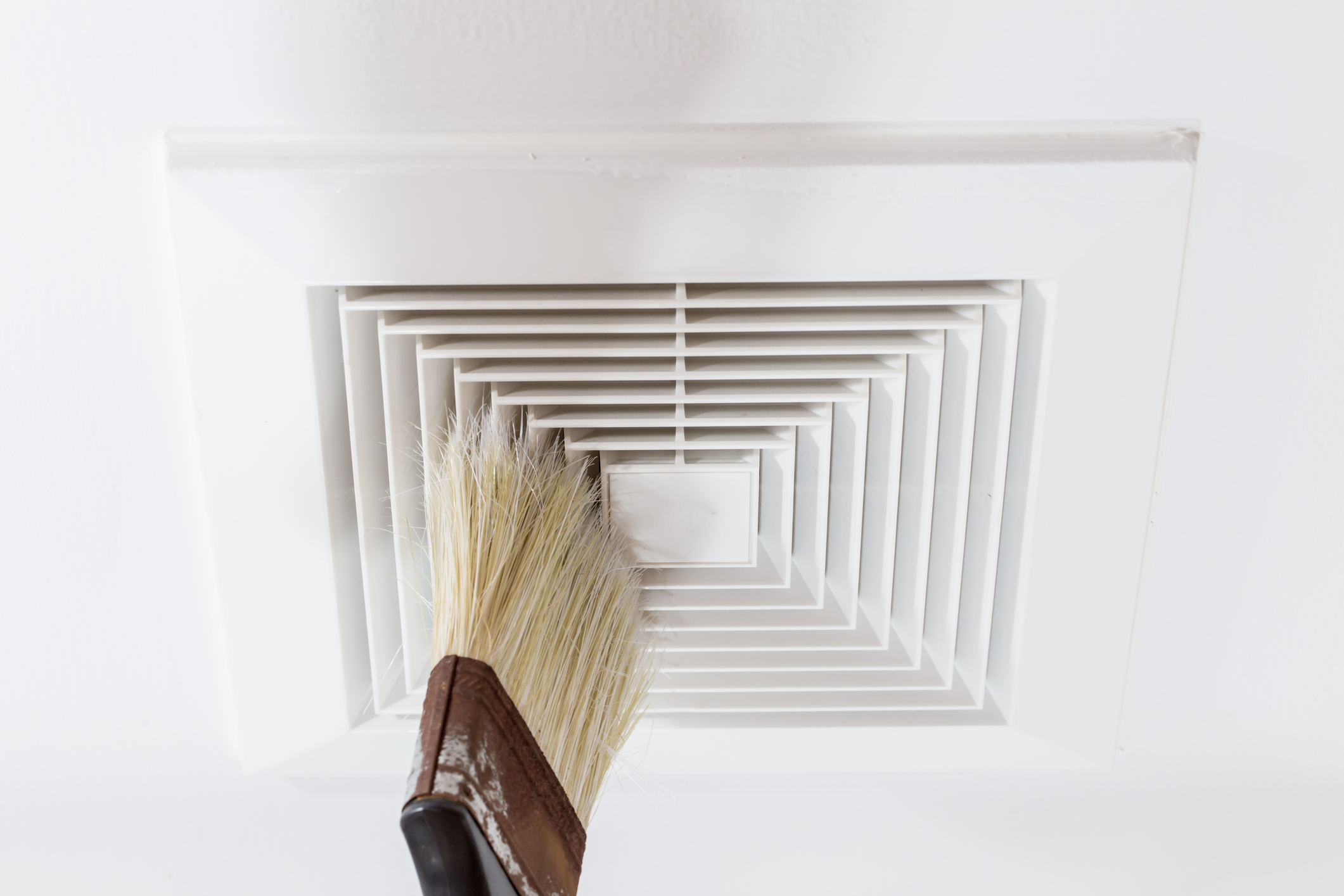
Asthma is a chronic lung disease that affects millions of Americans. It narrows the airways that deliver oxygen to the lungs, making breathing difficult. Symptoms are triggered by exposure to environmental contaminants and airborne particles. If not cleaned properly, home heating systems can blow dust and other particles that trigger asthma symptoms.

Every year, asthma symptoms prompt more than 15 million physician and hospital outpatient visits and two million emergency department visits. In addition, a recent study by the American Thoracic Society noted an increase in asthma-related emergency room visits, coinciding with the first seasonal uses of indoor heating in New York City and other urban areas. The reason for this is the contaminants found inside heating ductwork typically include dust and pollution particles along with mold, bacteria, pollen, dust mites and pet dander.  All of these can easily become airborne when the heating system is fired up, and all of them are asthma triggers.

To avoid your home heating system from contributing to your asthma, it is recommended that you clean or replace all air filters in your heating system and clean the air ducts prior to being turned on for the season to help reduce triggering asthma symptoms.

Home heating systems are not the only method of heating your home that can negatively impact your asthma.  Smoke and fumes can also trigger an asthma attack. These include fumes from gas, wood, or kerosene stoves as well as fireplaces and space heaters.  All fuel-burning appliances such as these can produce nitrogen dioxide. While you can’t smell or see this gas, it can irritate your nose and throat, and trigger an asthma attack.

To keep your household air free of fumes:

  • Make sure that all stoves are properly vented to the outside. For gas stoves, be sure to use an exhaust fan that vents outside while cooking.
  • If you use a wood stove, use it according to the manufacturer’s directions and be sure that the doors fit tightly.
  • When using an unvented kerosene or gas space heater, crack open a window or use an exhaust fan.
  • Before using your fireplace, be sure that the flue is open so that smoke can escape out the chimney.

Another common practice during the winter months is burning scented candles. While burning candles can create a warm and cozy atmosphere, they can also trigger an asthma attack because they can release certain chemicals into the air that are harmful to asthmatics.

By following certain cleaning and safety practices and avoid other triggers, those with asthma can avoid flare-ups in their homes this winter season.

If you have asthma, be sure to manage your condition by seeing your doctor regularly. If you do not have a doctor, you can make an appointment at Flushing Hospital by calling 718-670-5486.

All content of this newsletter is intended for general information purposes only and is not intended or implied to be a substitute for professional medical advice, diagnosis or treatment. Please consult a medical professional before adopting any of the suggestions on this page. You must never disregard professional medical advice or delay seeking medical treatment based upon any content of this newsletter. PROMPTLY CONSULT YOUR PHYSICIAN OR CALL 911 IF YOU BELIEVE YOU HAVE A MEDICAL EMERGENCY.

How can using a humidifier affect your health ?

A humidifier works by adding moisture to the air, especially in cold weather when the air indoors tends to be dry. One of the benefits of having a humidifier is that when used properly they can lessen the risk of colds and flu germs. This is due to the fact that viruses tend to spread more easily in air that is dry, which is more common in cold weather.

Other benefits of having a humidifier include relieving:
• dry skin
• dry throat
• chapped lips
• irritation of the nasal passages
• nose bleeds
• headaches
• sinus problems

The proper room humidity level is between 30 and 50 percent. This is important because too much humidity can cause respiratory problems, mold and mildew to grow, and allow the growth of dust mites.

There are risks of using a humidifier if not used properly. Burns can occur if a person comes in contact with the steam. If the water tank isn’t cleaned properly, bacteria can grow and spread throughout the home.

Speak to your doctor about using a humidifier in your home. You can also schedule an appointment with a doctor at Flushing Hospital Medical Center by calling 718-670-5486 if you would like to discuss ways to keep healthy during the winter months.

All content of this newsletter is intended for general information purposes only and is not intended or implied to be a substitute for professional medical advice, diagnosis or treatment. Please consult a medical professional before adopting any of the suggestions on this page. You must never disregard professional medical advice or delay seeking medical treatment based upon any content of this newsletter. PROMPTLY CONSULT YOUR PHYSICIAN OR CALL 911 IF YOU BELIEVE YOU HAVE A MEDICAL EMERGENCY.

Benefits of Oat Milk

Moooove over cow and goat’s milk, oat milk is the latest lactose-free, protein enriched, low in fat, flavorful choice for the vegan and lactose intolerant lifestyle.

Oat milk is a dairy-free milk alternative that is made from oats. It has a ratio of 1 cup of oats to ¾ cup of water.  The mixture is then strained to create a liquid.

According to, oat milk is a healthy alternative to whole milk and skim milk.  It is rich in vitamin D, iron, calcium, potassium and fiber.  One cup of store bought oat milk may have up to 120 calories, 5 grams of fat, 3 grams of protein, 14 grams of carbohydrate and 2 grams of fiber.

Comparatively, cow’s milk contains 3.5% fat, 146 calories, 11 grams of carbohydrate, 8 grams of protein and 8 grams of fat and skim mild has 83 calories, 122 grams of carbohydrate, 0.2 grams of fat and 8 grams of protein. Even though the numbers for skim milk seem better than oat milk, skim milk still contains lactose.

Consumers are turning to oat milk because it can be a healthier choice for those who are allergic to the lactose in milk, as well as nuts and gluten. Oat milk can be purchased or homemade.  Some opt for the homemade version so there is less risk of cross contamination with wheat, rye, barley and nuts at the manufacturing plant.  This is of great importance for those with allergies or celiac disease.

Oat milk tastes good, comes in flavors and can be used for coffee, cereal or in any way you would use cow’s milk or a milk alternative.

All content of this newsletter is intended for general information purposes only and is not intended or implied to be a substitute for professional medical advice, diagnosis or treatment. Please consult a medical professional before adopting any of the suggestions on this page. You must never disregard professional medical advice or delay seeking medical treatment based upon any content of this newsletter. PROMPTLY CONSULT YOUR PHYSICIAN OR CALL 911 IF YOU BELIEVE YOU HAVE A MEDICAL EMERGENCY.

Appendicitis

Appendicitis is an inflammation of the appendix; a small organ attached to the large intestine.   Anyone can develop appendicitis but it most commonly occurs in people between the ages of 10 and 30.

There are early signs that warn of an inflammation of the appendix. Warning signs include pain by the belly button or upper abdomen that becomes sharper as it moves toward the lower-right side of the abdomen and a mild fever.  Additional signs and symptoms that may present are:

  • Nausea and vomiting
  • Constipation or diarrhea
  • Loss of appetite
  • Abdominal bloating

If you are experiencing symptoms it is recommended that you see your doctor immediately, because if left untreated complications can develop.  The appendix can become swollen and filled with pus.  This can result in peritonitis, a condition that occurs when the appendix ruptures and allows infectious materials to spread throughout the abdomen.  Peritonitis can lead to death.

In order to diagnose appendicitis, your doctor will take a history of your symptoms and run a series of tests and examinations to rule out other possible causes. If it is determined that you have appendicitis, your doctor may prescribe antibiotics and will most likely recommend an appendectomy (surgery to remove the inflamed appendix).

All content of this newsletter is intended for general information purposes only and is not intended or implied to be a substitute for professional medical advice, diagnosis or treatment. Please consult a medical professional before adopting any of the suggestions on this page. You must never disregard professional medical advice or delay seeking medical treatment based upon any content of this newsletter. PROMPTLY CONSULT YOUR PHYSICIAN OR CALL 911 IF YOU BELIEVE YOU HAVE A MEDICAL EMERGENCY.

Lunar New Year at Flushing Hospital Medical Center

This year to celebrate Lunar New Year (The Year of the Pig), Flushing Hospital Medical Center’s Food and Nutrition Department handed out Mandarin oranges with a Happy New Year card to patients, visitors and staff.  This gesture is in keeping with FHMC’S commitment to cultural sensitivity. The Chinese word for mandarin is kam, which sounds similar to the word for gold.  Therefore, having mandarin oranges with you around New Year is thought to bring fortune into your life.  The patients, staff and visitors were all appreciative.

Happy Lunar New Year!!!

All content of this newsletter is intended for general information purposes only and is not intended or implied to be a substitute for professional medical advice, diagnosis or treatment. Please consult a medical professional before adopting any of the suggestions on this page. You must never disregard professional medical advice or delay seeking medical treatment based upon any content of this newsletter. PROMPTLY CONSULT YOUR PHYSICIAN OR CALL 911 IF YOU BELIEVE YOU HAVE A MEDICAL EMERGENCY.

Fainting

Whether watching a scene in a movie or on a television show or witnessing it happen in person, we have all seen someone faint, but do we really know what it is or what causes someone to do it?

Fainting, also called syncope (pronounced SIN-ko-pee), is a sudden, brief loss of consciousness and posture caused by decreased blood flow to the brain.

There are many different conditions that can cause someone to faint, including having an irregular heartbeat or low blood sugar. It can also be due to a condition called anemia, which is a deficiency in healthy oxygen-carrying cells or problems with the nervous system.  Anxiety, stress, hunger, dehydration or the use of alcohol or drugs can all lead to a fainting spell. In some cases, fainting runs in families.

While fainting may indicate a particular medical condition, sometimes it may occur in an otherwise healthy individual. In fact, most people who faint have no underlying heart or neurological problem. A simple fainting episode also called a vasovagal attack, is the most common type of fainting spell and is most common in children and young adults.

Typically, before someone faints, they will begin to feel a rush of warmth through their body, followed by a sensation of weakness or lightheadedness before going limp and passing out. The person may also break out in a cold sweat or experience nausea. In most cases, the individual who has fainted regains complete consciousness within just a few minutes.

Management of fainting is simple: Allow the person to recover while lying flat and elevate their legs to allow blood to flow to the brain. Drinking fruit juice after regaining consciousness can also be helpful, especially if the episode was due to low blood sugar.  If the patient doesn’t regain consciousness quickly, dial 911.

See a health care provider immediately if a person fainted hit their head, if they have fainted more than once in a month; if they are experiencing unusual symptoms such as chest pain, shortness of breath, blurred vision or difficulty speaking; or if they are pregnant or have another serious condition. A doctor can help determine the cause and possibly address the underlying issue.

To schedule an appointment with a doctor at Flushing Hospital Medical Center,  please call 718-670-5486.

All content of this newsletter is intended for general information purposes only and is not intended or implied to be a substitute for professional medical advice, diagnosis or treatment. Please consult a medical professional before adopting any of the suggestions on this page. You must never disregard professional medical advice or delay seeking medical treatment based upon any content of this newsletter. PROMPTLY CONSULT YOUR PHYSICIAN OR CALL 911 IF YOU BELIEVE YOU HAVE A MEDICAL EMERGENCY.

Walking Pneumonia

Walking pneumonia  is a very mild case of pneumonia, with very mild symptoms not much different than a common cold..  It is caused by the Mycoplasma pneumoniae bacteria, and most commonly seen during the late summer, though it can occur at any time of the year. People who are most susceptible are young children and adults under the age of 40. Also people living in close quarters such as dormitories, military barracks and nursing homes are at higher risk

Walking pneumonia is considered to be contagious and is typically spread by coughing and sneezing. A person who has it can be contagious for as many as 10 days.

The symptoms of walking pneumonia include:
• Chest pain when taking deep breaths
• Coughing
• Fatigue
• Headache
• Sore throat

There are a few things a person can do to help lower their chances of getting walking pneumonia. Frequently washing your hands with soap and water is always a good idea as is eating a balanced diet, and getting sufficient sleep every night. It is important to dress appropriately for inclement weather which can make you more susceptible to lowered resistance and to cover your mouth when you cough or sneeze and ask others around you to do the same. Not smoking will also help.

Treating walking pneumonia requires drinking lots of fluids and getting as much rest as possible. Your doctor may prescribe an antibiotic if they feel it is necessary. Most people start to feel better after four or five days but there are some people who have a cough that can last for weeks.

If you are experiencing symptoms of walking pneumonia, you should see your physician for appropriate treatment options. If you would like to schedule an appointment with a physician at Flushing Hospital Medical Center, please call 718-670-5486.

All content of this newsletter is intended for general information purposes only and is not intended or implied to be a substitute for professional medical advice, diagnosis or treatment. Please consult a medical professional before adopting any of the suggestions on this page. You must never disregard professional medical advice or delay seeking medical treatment based upon any content of this newsletter. PROMPTLY CONSULT YOUR PHYSICIAN OR CALL 911 IF YOU BELIEVE YOU HAVE A MEDICAL EMERGENCY.