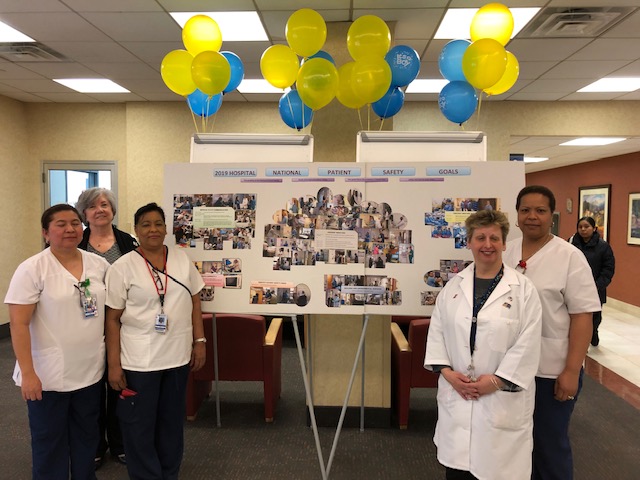
Flushing Hospital Celebrates Patient Safety Week

March 10th through the 16th has been designated National Patient Safety Awareness Week. In recognition of this observance, Flushing Hospital Medical Center has scheduled a full week of fun and educational activities.

To kick-off the week, the Patient Education Department is holding a special all-day event in the hospital lobby to test everyone’s safety knowledge by playing various games where participants have the opportunity to answer questions and win prizes.

Throughout the week, Flushing Hospital will ask everyone to take the ‘Hand Hygiene Pledge” and hospital staff will also demonstrate proper donning and doffing of personal protective equipment (PPE), which can eliminate the transmission of infectious disease.

The theme of this year’s Patient Safety Awareness week is  “See, Say, Do & Thank You”, which asks patients to not only notice and identify good safety practices, but also do something by thanking those individuals when these practices are witnessed.

One of the most important factors in improving patient safety is practicing proper hand hygiene and Flushing Hospital’s hand hygiene compliance rates are above national averages.

Congratulations to all involved in making Flushing Hospital a safe environment for our patients.

All content of this newsletter is intended for general information purposes only and is not intended or implied to be a substitute for professional medical advice, diagnosis or treatment. Please consult a medical professional before adopting any of the suggestions on this page. You must never disregard professional medical advice or delay seeking medical treatment based upon any content of this newsletter. PROMPTLY CONSULT YOUR PHYSICIAN OR CALL 911 IF YOU BELIEVE YOU HAVE A MEDICAL EMERGENCY.
Flushing Hospital Recognizes National Kidney Month

March is National Kidney Month and the National Kidney Foundation is urging all Americans to give their kidneys a well-deserved checkup.

The kidneys are two, fist-sized organs in your lower back. They maintain overall health by serving following functions:

  • Filtering waste out of 200 liters of blood each day
  • Regulating of the body’s salt, potassium and acid content
  • Removing toxins from the body.
  • Balancing the body’s fluids
  • Releasing hormones that regulate blood pressure
  • Producing an active form of vitamin D that promotes strong, healthy bones
  • Controlling the production of red blood cells

According to the U.S. Centers for Disease and Control, some quick facts on Kidney Disease are:

  • Kidney disease is the 9th  leading cause of death in the country.
  • More than 26 million Americans have kidney disease, and most don’t know it.
  • There are over 95,000 people waiting for kidney transplants.
  • Currently, more than 590,000 people have kidney failure in the U.S. today.

Often times, kidney failure can be prevented or delayed through early detection and proper treatment of underlying disease such as diabetes and high blood pressure which can slow additional damage to the kidneys.

If you are 18 years or older with diabetes, high blood pressure, cardiovascular disease or a family history of kidney disease, you should schedule an appointment with your doctor and ask that you be screened for kidney disease.

If you would like to make an appointment to have your Kidney’s checked, you can call Flushing Hospital Medical Center’s Ambulatory Care Center at 718-670-5486 for an appointment

All content of this newsletter is intended for general information purposes only and is not intended or implied to be a substitute for professional medical advice, diagnosis or treatment. Please consult a medical professional before adopting any of the suggestions on this page. You must never disregard professional medical advice or delay seeking medical treatment based upon any content of this newsletter. PROMPTLY CONSULT YOUR PHYSICIAN OR CALL 911 IF YOU BELIEVE YOU HAVE A MEDICAL EMERGENCY.

National Organ Donor Day

There are currently over 120,000 people in the United States who are awaiting an organ donation that could potentially save their lives.

It all started in 1998 when the Saturn company joined together with the United Auto Workers and supported by the U.S. Department of Health to recognize the need. Every year February 14th is a day designated as National Organ Donor Day that serves to make the public aware of the importance of how an organ donation can save a life for someone else.

There are different types of donations:
• Organs
• Tissue
• Marrow
• Platelets
• Blood

Flushing Hospital Medical Center supports organ donation. To find out how you can register to become an organ donor, go to www.liveonny.org  for more information.

All content of this newsletter is intended for general information purposes only and is not intended or implied to be a substitute for professional medical advice, diagnosis or treatment. Please consult a medical professional before adopting any of the suggestions on this page. You must never disregard professional medical advice or delay seeking medical treatment based upon any content of this newsletter. PROMPTLY CONSULT YOUR PHYSICIAN OR CALL 911 IF YOU BELIEVE YOU HAVE A MEDICAL EMERGENCY.
National Handwashing Awareness Week!

The first week in December is marked as National Handwashing Awareness Week. Flushing Hospital Medical Center believes that Infection prevention is important to all of us and each of us has a valuable role to play in keeping patients safe from infection.

According to the CDC, handwashing is a “do-it-yourself” precaution —it involves five simple and effective steps (Wet, Lather, Scrub, Rinse, Dry) you can take to reduce the spread of diarrheal and respiratory illness so you can stay healthy. Regular handwashing, particularly before and after certain activities, is one of the best ways to remove germs, avoid getting sick, and prevent the spread of germs to others.

It’s quick, it’s simple, and it can keep us all from getting sick. Handwashing is a win for everyone, except the germs.


All content of this newsletter is intended for general information purposes only and is not intended or implied to be a substitute for professional medical advice, diagnosis or treatment. Please consult a medical professional before adopting any of the suggestions on this page. You must never disregard professional medical advice or delay seeking medical treatment based upon any content of this newsletter. PROMPTLY CONSULT YOUR PHYSICIAN OR CALL 911 IF YOU BELIEVE YOU HAVE A MEDICAL EMERGENCY.
National Family Caregivers Month

November is National Family Caregivers Month.  The observance was created by the Caregiver Action Network as an initiative to honor family caregivers across the United States.

Taking care of a loved one with a serious illness can be physically and mentally challenging. Many family caregivers often experience sleep deprivation, poor eating habits, stress, anxiety or depression; all of which can take a toll on their health.

As a family caregiver, it is important to keep in mind that taking care of your own health is equally as important as caring for the health of loved ones.   You need to be at your best in order to take good care of others.

Here are a few tips to help you take care of yourself while caring for loved ones:

  • Recognize when you are stressed-Paying attention to early signs of stress can you help to identify stressors and put a plan into action to diminish or reduce their effects.
  • Make time for yourself- It is important to take breaks to avoid burnout and help you re-energize.
  • Take care of your health-Neglecting your health can lead to medical complications. It is important that you eat healthy, exercise and keep up with routine doctor visits.
  • Ask for help- Caring for a loved one can be overwhelming; feeling alone and overwhelmed can lead to depression or anxiety. It is important that you do not isolate yourself and seek the support of a group or individual that can help you navigate challenges.

Being a caregiver often requires a 24/7 commitment. While this level of dedication can be difficult, there are many resources available to alleviate some of the challenges.  The Caregiver Action Network provides helpful tools to help you overcome obstacles you may encounter. Please visit caregiveraction.org for more information.

All content of this newsletter is intended for general information purposes only and is not intended or implied to be a substitute for professional medical advice, diagnosis or treatment. Please consult a medical professional before adopting any of the suggestions on this page. You must never disregard professional medical advice or delay seeking medical treatment based upon any content of this newsletter. PROMPTLY CONSULT YOUR PHYSICIAN OR CALL 911 IF YOU BELIEVE YOU HAVE A MEDICAL EMERGENCY.

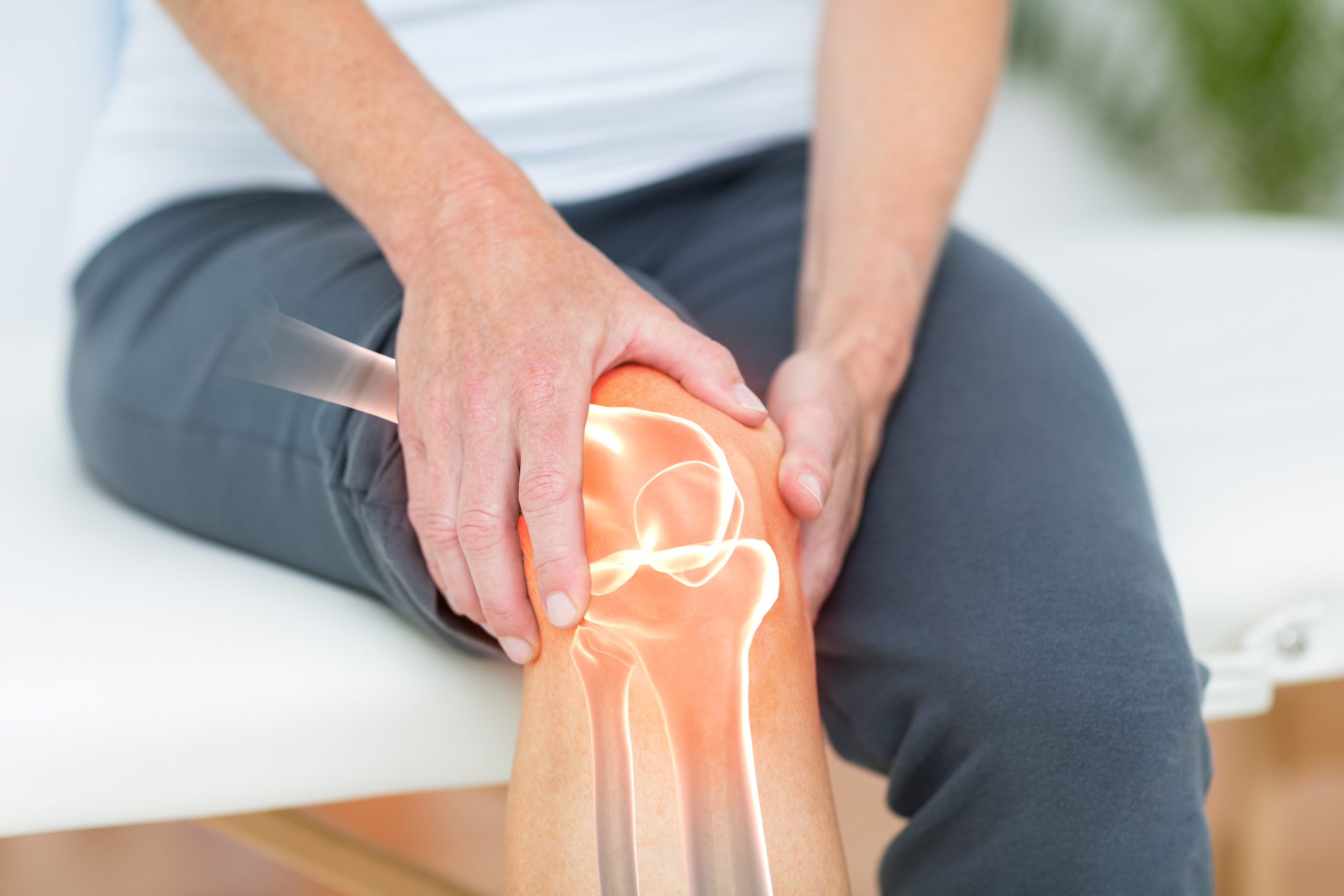
Bone and Joint Action Week Begins Today Learn More About the Many Different Types of Bone and Joint Disorders

Beginning on October 12th and ending on October 20th, the world recognizes  Bone and Joint Action Week, a global, multidisciplinary initiative promoting the care of persons with bone and joint disorders.  This initiative focuses on improving quality of life and advancing the understanding and treatment of musculoskeletal conditions through research, prevention, and education.

Bone and joint conditions are the most common causes of severe long-term pain and physical disability worldwide, affecting hundreds of millions of people. Over half of Americans suffer from some form of a musculoskeletal condition, such as back pain, arthritis, traumatic injuries, osteoporosis, spinal deformity, and childhood conditions. One in three people require medical care for these conditions.

Musculoskeletal conditions can lead to significant disability plus diminished productivity and quality of life and the prevalence of these conditions is predicted to increase greatly due to increasing life expectancy and changes in risk factors.

To help raise awareness on the many different types of bone and joint disorders, this week-long event highlights five of the most common types of bone and joint disorders and provides a specific recognition day for each. The week includes the following recognition days:

  • October 12 – World Arthritis Day
  • October 16 – World Spine Day
  • October 17 – World Trauma Day
  • October 19 – World Pediatric Bone and Joint (PB&J) Day
  • October 20 – World Osteoporosis Day

Flushing Hospital supports this effort to raise awareness about bone and joint diseases. For more information about Bone and Joint Action Week, visit the US Bone and Joint Initiative at https://www.usbji.org/


All content of this newsletter is intended for general information purposes only and is not intended or implied to be a substitute for professional medical advice, diagnosis or treatment. Please consult a medical professional before adopting any of the suggestions on this page. You must never disregard professional medical advice or delay seeking medical treatment based upon any content of this newsletter. PROMPTLY CONSULT YOUR PHYSICIAN OR CALL 911 IF YOU BELIEVE YOU HAVE A MEDICAL EMERGENCY.

National Depression Screening Day


Thursday October 11th has been designated as National Depression Screening Day, an annual event held during Mental Illness Awareness Week. This event was started 28 years ago as an effort to provide people with mental health education materials and resources for support services. National Depression Screening Day was also created with the hope of removing the stigma from mental illness.

This year the focus of the observation is to have people reach out to their friends, family, co-workers and neighbors who might benefit from information on this condition and to avail themselves to the many opportunities to receive a free screening, either in person or online. It is estimated that worldwide there are 350 million people that suffer from depression.

The World Health Organization states that early recognition and treatment of the disease offers the best opportunity for successful outcomes. If depression is left untreated it can lead to suicide.

Depression screenings help to distinguish between short term feelings of sadness and stress due to transient life episodes, and more severe symptoms that can go on for months and years. The tests usually last between two to five minutes and the scores will indicate whether a further evaluation by a mental health professional is needed. It is important for people to know that help is available.

To schedule an appointment with the Mental Health Department of Flushing Hospital Medical Center, please call 718-670-5562.

All content of this newsletter is intended for general information purposes only and is not intended or implied to be a substitute for professional medical advice, diagnosis or treatment. Please consult a medical professional before adopting any of the suggestions on this page. You must never disregard professional medical advice or delay seeking medical treatment based upon any content of this newsletter. PROMPTLY CONSULT YOUR PHYSICIAN OR CALL 911 IF YOU BELIEVE YOU HAVE A MEDICAL EMERGENCY.

National School Backpack Safety Monthy

.

September is National School Backpack Safety Month and Flushing Hospital Medical Center is sharing information on how you can help your child avoid the pain and injury that is associated with carrying heavy backpacks.  These simple tips can help protect your child from having chronic back pain throughout their lives.

Backpacks are essential back-to- school items for kids.  They come in different colors, sizes and shapes and most importantly they help children to carry their belongings.  Backpacks are preferred by many in comparison to shoulder bags because when worn correctly, they evenly distribute weight across the body.  However, if worn incorrectly they can cause back pain or injuries and eventually lead to poor posture.

To prevent problems associated with improper backpack use, parents should first purchase a backpack that has the following features:

  • Lightweight
  • Wide and padded straps
  • Multiple compartments
  • Padded back
  • Waist belt
  • Correct size (A backpack should never be wider or longer than your child’s torso).

Practicing these safety tips will further reduce the chance of back pain or injuries caused by backpacks:

  • When packing, heavier items should be placed to the back and center of the backpack. Lighter items should be in front. Sharp objects such as scissors or pencils should be kept away from your child’s back.  Utilizing different compartments can help in distributing weight.
  • Do not over pack. Doctors recommend that children should not carry backpacks that weigh more than 10-15% of their body weight.
  • Ensure that children use both straps. Using a single strap can cause muscle strain.
  • Adjust the straps so that the backpack fits closely to your child’s back and sits two inches above the waist. This ensures comfort and proper weight distribution.
  • Encourage children to use their lockers or desks throughout the day to drop off heavy books.

The Pediatric Orthopedic Society of North America recommends that parents should always look for warning signs that indicate backpacks may be too heavy. If your child struggles to put on and take off the backpack, they are complaining of numbness or tingling or if there are red strap marks on their shoulders -It may be time for you to lighten their load.


All content of this newsletter is intended for general information purposes only and is not intended or implied to be a substitute for professional medical advice, diagnosis or treatment. Please consult a medical professional before adopting any of the suggestions on this page. You must never disregard professional medical advice or delay seeking medical treatment based upon any content of this newsletter. PROMPTLY CONSULT YOUR PHYSICIAN OR CALL 911 IF YOU BELIEVE YOU HAVE A MEDICAL EMERGENCY.

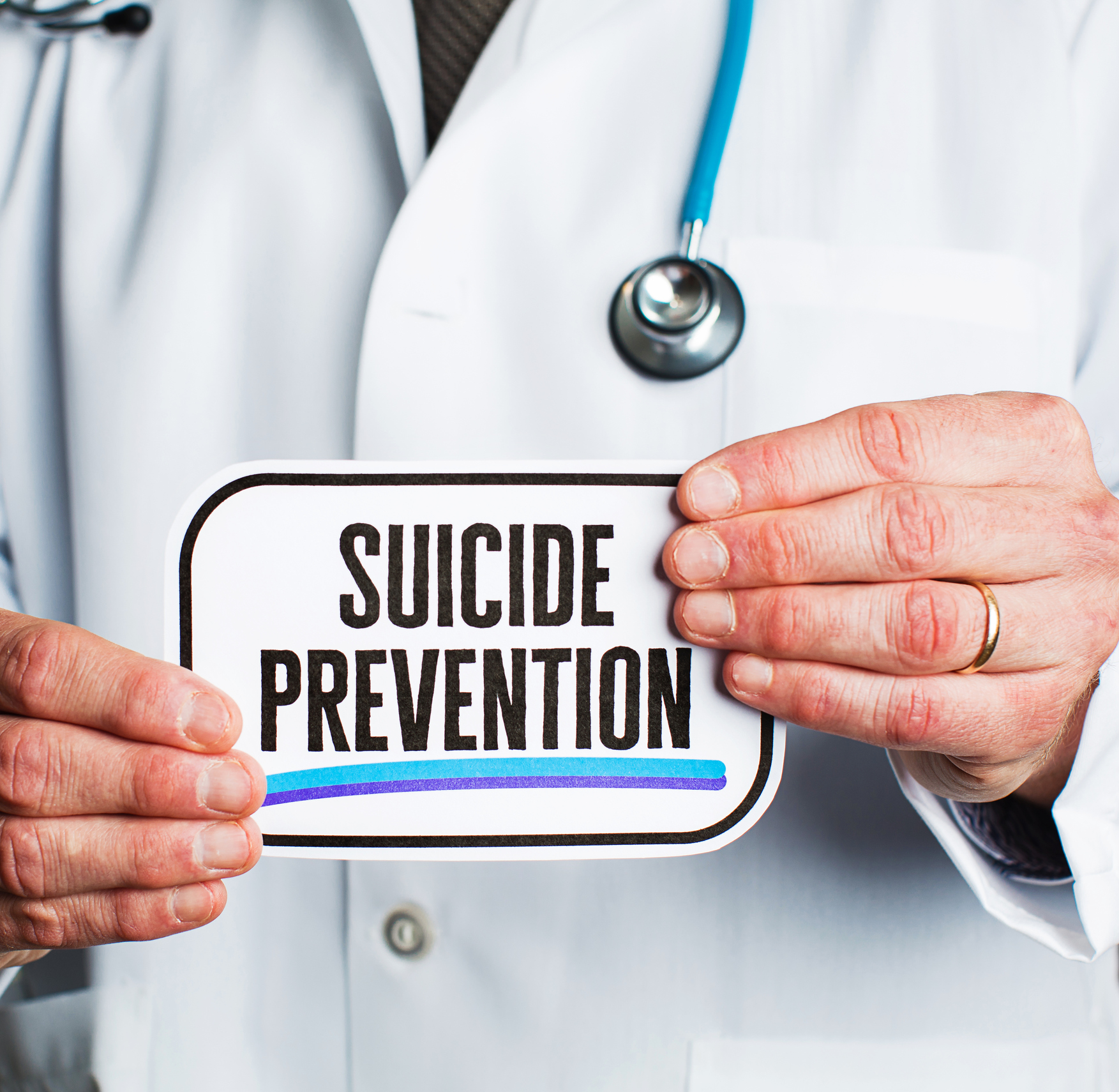
September Is Suicide Prevention Awareness Month – Know the Warning Signs

Suicide affects millions; over 800,000 people take their lives each year, and the number of people who attempt suicide is twenty five times that amount. In addition to the lives lost, suicide also affects the many friends and family members devastated by the loss of their loved one.

Suicide is largely preventable though. Through education and awareness, we can get those people who are contemplating suicide the help they need.

One of the best tools in preventing suicide is to know the risk factors. Over 90% of people who attempt suicide live with depression or another mental disorder. Alcohol or substance abuse is often a contributing factor. Adverse factions to traumatic events or stress can also lead to someone wanting to take their own life.Other risk factors for suicide include:


  • Feelings of hopelessness
  • Self-loathing
  • Changes in sleep patterns; which can either be excessive sleep or a deprivation of sleep
  • Irritability or anger
  • Talking about harming themselves
  • Loss of interest in daily activities or things they were once passionate about
  • Reckless behavior
  • Increasing use of alcohol or drugs
  • A preoccupation with death
  • Getting their affairs in order in preparation for death
  • Verbalizing thoughts such as “ Everyone will be better without me”  or “I  have nothing  to live for”
  • Visiting or calling people to say goodbye

These actions are a cry for help. It is important to let your loved one know that you have recognized changes in their behavior, they are not alone and you are there to support them through this difficult time.  Speak openly about what they are feeling and ensure them they will not be judged because they feel suicidal.  Seek the help of a mental health professional immediately.  Insist on accompanying this person to their consultation or treatment. Continue to demonstrate your support during treatment by reminding them to take prescribed medications, keeping up with physician appointments and encouraging a positive lifestyle.

Many organizations from around the world have joined together during the month of September, which has been designated Suicide Prevention Awareness Month. Flushing Hospital’s supports their efforts and the hospital’s Department of Psychiatry offers many inpatient and outpatient services to help those in need.

If you or someone you know is having suicidal thoughts or demonstrating suicidal behaviors, get help immediately. Call 911, 1-800-SUICIDE, or 1-800-273-TALK

All content of this newsletter is intended for general information purposes only and is not intended or implied to be a substitute for professional medical advice, diagnosis or treatment. Please consult a medical professional before adopting any of the suggestions on this page. You must never disregard professional medical advice or delay seeking medical treatment based upon any content of this newsletter. PROMPTLY CONSULT YOUR PHYSICIAN OR CALL 911 IF YOU BELIEVE YOU HAVE A MEDICAL EMERGENCY.

National Food Safety Education Month

September is National Food Safety Education Month. Designating this observance provides an opportunity to raise awareness about steps you can take to prevent food poisoning.

According to the Centers for Disease Control and Prevention (CDC), every year, an estimated 1 in 6 Americans (or 48 million people) get sick, 128,000 are hospitalized, and 3,000 die from eating contaminated food. Some people are more likely to get a foodborne illness (also called food poisoning) or to get seriously ill.

Flushing Hospital Medical Center (FHMC) would like to share information regarding food poisoning and prevention.

Some foods to avoid in an effort to prevent food poisoning are:

  • raw or undercooked meat and poultry
  • raw or undercooked fish and shellfish
  • canned fish and seafood
  • refrigerated smoked seafood in a cooked dish
  • unpasteurized dairy (milk and eggs)
  • raw or undercooked sprouts (alfalfa, bean, etc.)
  • unwashed fresh vegetables
  • soft cheeses made from unpasteurized milk
  • processed cheeses

To learn more about ways to prevent food poisoning visit:


All content of this newsletter is intended for general information purposes only and is not intended or implied to be a substitute for professional medical advice, diagnosis or treatment. Please consult a medical professional before adopting any of the suggestions on this page. You must never disregard professional medical advice or delay seeking medical treatment based upon any content of this newsletter. PROMPTLY CONSULT YOUR PHYSICIAN OR CALL 911 IF YOU BELIEVE YOU HAVE A MEDICAL EMERGENCY.