
Magnet Therapy

Magnetic therapy is an alternative medical practice that places magnets on specific areas of the body to help alleviate pain.  Many of the magnets are incorporated into rings, bracelets, shoes, clothing and therapeutic magnetic mattresses.


The theory behind magnet therapy is that magnets accelerate the metabolism.  This acceleration helps oxygen and nutrients reach a specific location where there is an injury in an attempt to repair the damage.

There are various types of magnet therapy.  Some of the more commonly used are:

Static magnetic field therapy: With this method, you touch a magnet to your skin by wearing a magnetized bracelet, bandage, shoe insole or mattress pad.

Electronically charged magnetic therapy: With this method, the magnets used are electrically charged with an electric pulse.

Magnetic therapy with acupuncture: With this method, a magnet is placed in the same section of your body that an acupuncturist would focus on during an acupuncture session in an attempt to clear your energy pathways or channels.

Magnet therapy has been utilized in treating pain associated with arthritis, wound healing, insomnia, headaches and fibromyalgia.  While usually safe, there are some side effects to magnet therapy which may include nausea and dizziness.

If you have a pacemaker, an insulin pump or are pregnant it is not recommended that you seek magnet therapy.  Additionally, if you are scheduled for an x-ray or MRI, it is recommended that you remove all magnets prior to testing.

Since there haven’t been many studies on magnetic field therapy, so there is no substantiated proof that it is effective in the treatment of pain.

As with any treatment, be sure to check with your doctor before you begin.  If you are interested in pain management and would like to speak with a doctor at Flushing Hospital Medical Center’s Ambulatory Care Center, please call 718-670-5486 to schedule an appointment.

All content of this newsletter is intended for general information purposes only and is not intended or implied to be a substitute for professional medical advice, diagnosis or treatment. Please consult a medical professional before adopting any of the suggestions on this page. You must never disregard professional medical advice or delay seeking medical treatment based upon any content of this newsletter. PROMPTLY CONSULT YOUR PHYSICIAN OR CALL 911 IF YOU BELIEVE YOU HAVE A MEDICAL EMERGENCY.

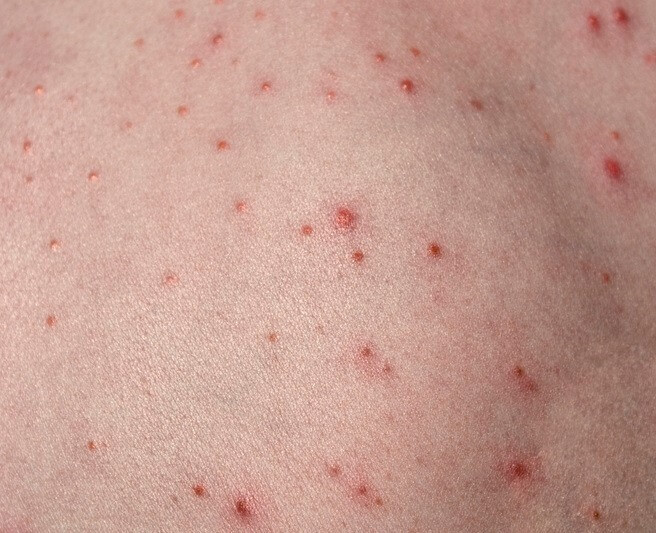
Today is World Hepatitis Day

In 2010 the World Health Organization ( W.H.O. ) designated July 28th as World Hepatitis Day. This serves to increase awareness about viral hepatitis and to influence change in disease prevention, testing and treatment.

Hepatitis is a virus that causes inflammation of the liver. The liver is an organ in the body that processes nutrients, filters the blood, and fights infections. The most common forms of hepatitis are A, B, and C. Hepatitis B and C kill close to 1.4 million people each year and cause almost 80 percent of all liver cancer cases. Many people have the hepatitis virus and are unaware of it.

Symptoms of acute hepatitis B include:
• Fever
• Nausea
• Loss of appetite
• Jaundice
• Abdominal pain
• Fatigue

Hepatitis is spread from person to person through contact with bodily fluids. It is possible that people remain without symptoms for many years but during this time the disease is slowly destroying the liver. It can take many years for the symptoms to appear. Blood tests are available that can detect the virus at an early stage.

Ways to reduce infection:
• Use only sterile equipment for injections
• Test all donated blood for hepatitis
• Practice safe sex
• Encourage people to get hepatitis B vaccine

Medication exists that can cure hepatitis C and can control hepatitis B infection. When given properly, people are less likely to die from liver cancer and cirrhosis and also are less likely to transmit the disease to others. The hepatitis B vaccine is given in three doses over a 6 month period and it is recommended that it be initiated right after birth if possible.

To make an appointment with a physician at Flushing Hospital to discuss the vaccine, please call 718-670-5795.

All content of this newsletter is intended for general information purposes only and is not intended or implied to be a substitute for professional medical advice, diagnosis or treatment. Please consult a medical professional before adopting any of the suggestions on this page. You must never disregard professional medical advice or delay seeking medical treatment based upon any content of this newsletter. PROMPTLY CONSULT YOUR PHYSICIAN OR CALL 911 IF YOU BELIEVE YOU HAVE A MEDICAL EMERGENCY.
The Dangers of Distracted Cycling

More people are cycling these days; for pleasure or for work. With the increase in the number of people using bicycles to get from place to place, there has also been an increase in the number of accidents involving cyclists.

Some of these accidents are due to distracted motor vehicle drivers but others are due to cyclists not paying full attention to the road.

The two most common distractions that lead to accidents are cyclists using ear buds to listen to music or talk on the phone while pedaling. This limits their ability to hear car horns and other audio cues in their surroundings. Another distraction is using hand- held mobile devices. Using cellphones or other mobile devices while riding creates a visual distraction and prevents cyclists from watching the road for signs of danger and holding their handlebars properly.

To ensure their safety, people on bicycles must use their vision and hearing to give their full attention to their environment.

Cyclists should obey the rules of the road, be mindful of keeping their eyes and ears free from distractions, always wear a helmet, and keep in mind that motorists may not be paying attention.

All content of this newsletter is intended for general information purposes only and is not intended or implied to be a substitute for professional medical advice, diagnosis or treatment. Please consult a medical professional before adopting any of the suggestions on this page. You must never disregard professional medical advice or delay seeking medical treatment based upon any content of this newsletter. PROMPTLY CONSULT YOUR PHYSICIAN OR CALL 911 IF YOU BELIEVE YOU HAVE A MEDICAL EMERGENCY.

Flushing Hospital’s Nurse of The Month

Our nurses are the pillars of our community. In addition to meeting the demands of being a caregiver, they wear several hats including that of an educator, nurturer,  and comforter.

Not only to do nurses care for patients; they provide support to families and loved ones during difficult times.

Our nurses pour their hearts into all aspects of their job, and this is one of the many reasons why we celebrate their accomplishments.

Join us in congratulating Winsome “Winnie” Kpana, RN for receiving Flushing Hospital Medical Center’s Nurse of the Month.

Meet Winnie:

Q&A:

Q: How long have you been working for FHMC?
A:  I have been working in Flushing Hospital for 38 and a half years

Q: On which unit do you currently work?
A: I work in The Women’s Health Center.

Q: Why did you want to become a nurse?
A:   In looking back, I’ve come to realize that my passion to become a nurse started in my early childhood. I grew up in a small rural community where there were only one doctor and one nurse. I was always fascinated by the nurse as she visited my school or as I visited the health clinic. She was always smiling, caring and patient as she cared for my bruises and cuts or as she administered a vaccine. I knew then, that one day, I too would become a nurse because I wanted to be ” Just Like Her”. I chose a career that is challenging, exciting and interesting. Being a nurse has allowed me to fulfill my life’s desires and  I strive to make a difference in the lives of my patients.

QWhat is the best part of your job?
A:  The best part of my job starts with caring for and helping others. I worked as a pediatric nurse for over 33 years. I saw children at their best and at the worst. There is nothing more rewarding than seeing the smiling face of a child who has recovered from a serious illness or a traumatic experience. It is also very humbling to know that my nursing care contributed to that child’s recovery. Over the past six years, I have switched course and I am working in an ambulatory setting, The Women’s Health Center, where I offer service to the OB/GYN patients. Education is the key to success and as an ambulatory nurse, I am always teaching women how to care for themselves and their unborn child. There are times when I feel not only as a nurse but as an extension of a patient’s family. We share in the joy of welcoming a newborn baby. For me, This is nursing at its best.

All content of this newsletter is intended for general information purposes only and is not intended or implied to be a substitute for professional medical advice, diagnosis or treatment. Please consult a medical professional before adopting any of the suggestions on this page. You must never disregard professional medical advice or delay seeking medical treatment based upon any content of this newsletter. PROMPTLY CONSULT YOUR PHYSICIAN OR CALL 911 IF YOU BELIEVE YOU HAVE A MEDICAL EMERGENCY.

How Do You Treat a Bloody Nose?

How to treat a nose bleedMost of us have suffered a nose bleed at some point in our life, and many have often wondered “what is the reason?”

Our noses contain many blood vessels that help warm and humidify the air we breathe. These vessels are easily damaged or injured because they lie on the interior surface of our nose. When they get injured, the result is often a bloody nose.

Thankfully, in most instances, nosebleeds aren’t serious and they can be treated quickly and easily at home. When one occurs, you should follow these simple tips:

  • Remain calm – Getting nervous can actually make you bleed more
  • Sit upright – You nose will stop bleeding quicker if you keep your head above your heart
  • Lean forward. This will prevent blood from draining down the back of your throat
  • Pinch your nostrils closed. Press your thumb and index finger over your nostrils for approximately 10 minutes and breathe through your mouth. The pressure will make the blood stop flowing.

Once the bleeding has stopped, do not touch or blow your nose as it may start to bleed again. If it does, blow your nose to get rid of any blood clots. You can also spray a nasal decongestant in your nostrils and pinch them closed again.

Although you can’t always prevent a nosebleed, there are some things you can do to reduce the chances of getting one, such as:

  • Keep your nose moist – Dryness can cause nosebleeds. Swab a thin layer petroleum jelly inside your nostrils three times a day, including before going to bed.
  • Use saline spray – Spraying saline in your nostrils helps keep the inside of your nose moist.
  • Use a humidifier – Especially during the winter when the air is most dry
  • Don’t smoke – This can irritate the inside of your nose and dry it out.
  • Don’t agitate your nose – Placing your fingers inside your nose to scratch or pick it . Also avoid blowing your nose too hard as these actions can damage the blood vessels.
  • Avoid cold and allergy medications – They can dry out your nose. In some cases, certain medications can cause or intensify nosebleeds.

While the majority of nosebleeds are not cause for concern, you should see your doctor if the following take place:

  • The bleeding goes on for more than 20 minutes.
  • The bleeding was caused by an injury, such as a fall or something hitting your face.
  • You get nosebleeds often

All content of this newsletter is intended for general information purposes only and is not intended or implied to be a substitute for professional medical advice, diagnosis or treatment. Please consult a medical professional before adopting any of the suggestions on this page. You must never disregard professional medical advice or delay seeking medical treatment based upon any content of this newsletter. PROMPTLY CONSULT YOUR PHYSICIAN OR CALL 911 IF YOU BELIEVE YOU HAVE A MEDICAL EMERGENCY.

Department Spotlight – Department of Volunteer Services

are at the heart of the hospital, ensuring that patients are treated in an atmosphere of care. Flushing Hospital volunteers range in age from 16 to retired seniors. Junior volunteers are required to commit a minimum of 125 hours, while adults are required to commit a minimum of 200 hours. Many volunteers have been with the hospital for over 20 years and are considered as valued members of our staff.

Flushing Hospital volunteers are assigned to various roles throughout the hospital. Some of their responsibilities include comforting patients, assisting medical and administrative staff with various tasks, helping with gift shop sales, and attending to the pastoral needs of our multicultural community. Individuals become volunteers for a wide range of reasons, specifically school requirements, educational advancement, spiritual or community mindedness, career change or social networking. The hospital provides everyone with an opportunity to fulfill these needs and in return, reaps the rewards of their dedicated service.

To become a volunteer, please call .

All content of this newsletter is intended for general information purposes only and is not intended or implied to be a substitute for professional medical advice, diagnosis or treatment. Please consult a medical professional before adopting any of the suggestions on this page. You must never disregard professional medical advice or delay seeking medical treatment based upon any content of this newsletter. PROMPTLY CONSULT YOUR PHYSICIAN OR CALL 911 IF YOU BELIEVE YOU HAVE A MEDICAL EMERGENCY.

The Health Benefits of Watermelon

One of the foods most closely associated with summertime is watermelon. It is tasty and quenches your thirst but did you know that it is also healthy for you ?

It is believed that watermelon may help in the prevention of diabetes, cancer, high blood pressure, heat stroke, kidney disorders, and macular degeneration.


Some of the known benefits of watermelon are:

  • It is high in lycopene, an antioxidant believed to curb cancer and also protect the skin from the sun’s rays
  • It contains an amino acid citrulline which may lower blood pressure and also lower the risk of a heart attack
  • It contains beta-cryptoxanthin which lowers joint inflammation
  • It contains vitamin A which is good for the eyes
  • It is 92% water and good for keeping hydrated and feeling full
  • It contains vitamins A, B6, and C which keeps the skin soft and supple
  • It is low in calories
  • It is high in potassium which is important for flushing out the toxins through the kidneys
  • It is easy to digest
  • The potassium and magnesium helps insulin to function properly which controls diabetes

One of the risks associated with eating watermelon is that if it is pre-cut, there is a chance of being exposed to salmonella. It must be refrigerated below 40 degrees and washed thoroughly before eating.

Enjoy your summer and make watermelon a part of your summertime snacks.

All content of this newsletter is intended for general information purposes only and is not intended or implied to be a substitute for professional medical advice, diagnosis or treatment. Please consult a medical professional before adopting any of the suggestions on this page. You must never disregard professional medical advice or delay seeking medical treatment based upon any content of this newsletter. PROMPTLY CONSULT YOUR PHYSICIAN OR CALL 911 IF YOU BELIEVE YOU HAVE A MEDICAL EMERGENCY.

#WellnessWednesday

Leonardo da Vinci, although best known as a painter, happend to be fascinated by science. Like any modern day scientist, he used observations, common-sense reasoning and research to find answers to satisfy the many questions he had regarding the health of the human body, mind and soul.

He cataloged his findings in his “Notebooks.”  We are sharing one of his thoughts here and wish you a great #wellnesswednesday

“Vitality and beauty are gifts of Nature for those who live according to its laws.” ~ Leonardo da Vinci

All content of this newsletter is intended for general information purposes only and is not intended or implied to be a substitute for professional medical advice, diagnosis or treatment. Please consult a medical professional before adopting any of the suggestions on this page. You must never disregard professional medical advice or delay seeking medical treatment based upon any content of this newsletter. PROMPTLY CONSULT YOUR PHYSICIAN OR CALL 911 IF YOU BELIEVE YOU HAVE A MEDICAL EMERGENCY.

The One Where you Reconnect With Your Family

Summer is here and the kids are out of school.  It is the perfect time to spend quality family time together.

Studies have shown that a family vacation is one of the most beneficial ways you can spend time with your children.  A family vacation creates moments that children value and will long remember. For the most part, it can be used as time spent away from electronic distractions and helps both parents and children relax and recharge without daily stressors.

When you travel with your children, you are offering them new experiences that will cause heightened social, physical, cognitive and sensory interaction.  Visiting museums, national parks, swimming together in an ocean or pool, hiking through the forest, campfire chats or long rides in the car can be effective when seeking to strengthen the family bond.

A family vacation is also a good way to get your child to open up.  It is a time when chores don’t exist and rules are relaxed causing them to feel more open to discussing what’s going on in their lives.

Children, who travel with their family, learn how to interact with people from different backgrounds and cultures. Experiencing new places, foods, traditions and meeting new people increases a child’s confidence and builds interpersonal skills.

Whether it’s a short overnighter or a long adventure, a family vacation is something to be shared and has been proven to enrich the overall development of your child.  They return from the holiday happier and with knowledge of a world and cultures outside of their own way of living.

All content of this newsletter is intended for general information purposes only and is not intended or implied to be a substitute for professional medical advice, diagnosis or treatment. Please consult a medical professional before adopting any of the suggestions on this page. You must never disregard professional medical advice or delay seeking medical treatment based upon any content of this newsletter. PROMPTLY CONSULT YOUR PHYSICIAN OR CALL 911 IF YOU BELIEVE YOU HAVE A MEDICAL EMERGENCY.

Heart Disease and Hot Weather

Overweight Businessman Having his Blood Pressure Taken by a Doctor

Summertime heat affects everyone, but for people who suffer from heart disease, it can be life threatening. Activities that are performed when the weather is mild may not have much risk associated with them but once the temperature rises they can lead to heat exhaustion and heat stroke. People with heart disease are very susceptible to extreme weather conditions.

When we are exposed to the heat, our bodies respond by sweating, which is the body’s way to maintain a normal temperature. . Heat as well as the body’s response to it, leads to enlarged blood vessels, lower blood pressure and higher heart rate. This combination can cause people with heart problems to serious problems due to the stress on the cardiovascular system. If the heart is already weakened it may not be able to pump blood effectively and keep the blood pressure at a high enough level. This can lead to an overheating of the body. Some medications that are prescribed for heart patients also lower  the heart rate, which can be compounded during the hot weather.

Some helpful tips for people with heart disease in the hot weather are:

 –  Stay out of the heat during the middle of the day
 –  Wear clothing that is loose fitting and light
 –  Do not perform strenuous activities in hot weather
 –  Keep hydrated and avoid alcohol and caffeine.
 –  Stay indoors in an air conditioned environment

Discuss with your physician ways to stay healthy during the hot summer months. If you would like to schedule an appointment with a cardiologist at Flushing Hospital, please call 718-670-5486.

All content of this newsletter is intended for general information purposes only and is not intended or implied to be a substitute for professional medical advice, diagnosis or treatment. Please consult a medical professional before adopting any of the suggestions on this page. You must never disregard professional medical advice or delay seeking medical treatment based upon any content of this newsletter. PROMPTLY CONSULT YOUR PHYSICIAN OR CALL 911 IF YOU BELIEVE YOU HAVE A MEDICAL EMERGENCY.