March is Colon Cancer Awareness Month

Did you know that colon cancer is one of the most preventable, and if detected early, most treatable forms of cancer? March is Colon Cancer Awareness month and screening is the number one way you can increase your chances of survival. Colon cancer is the third most commonly diagnosed cancer and the second leading cause of cancer death in men and women combined in the US.  In 2015, the American Cancer Society estimates 93,090 new cases of colon cancer and 39,610 new cases of rectal cancer will be diagnosed.

On average, the lifetime risk of developing colon cancer is about one in 20 (5%), but this can vary according to individual risk factors. All men and women should be screened every five years beginning at age 50, or earlier if you have a personal or family history of colon cancer, inflammatory bowel disease, or are experiencing symptoms.  African Americans should begin screening at the age of 45.

Some tests that detect cancer and polyps, growths that occur on the inner lining of the large intestine and protrude into the colon, include:

.Colonoscopy — The inside of the rectum and entire colon are examined using a long, lighted tube called a colonoscope.

.Flexible Sigmoidoscopy — Examines your rectum and lower part of the colon with a lighted tube called a sigmoidoscope.

.Virtual Colonoscopy — Uses x-rays and computers to take 2- or 3-dimensional images of your colon and rectum.

.Double-Contrast Barium Enema (DCBE) — Air and barium are pumped into your rectum. The solution will show polyps or tumors on x-rays.

Screenings for fecal occult blood tests or FOBT, may also be used to test the stool for signs that cancer may be present. They are less invasive and easier to have done but are less likely to detect polyps.

Please discuss all screening options, as well as when to be screened, with your healthcare professional.

Flushing Hospital Medical Center provides a modern, fully equipped endoscopy unit for patients with abdominal pain, rectal bleeding or any other gastrointestinal concerns. Using the newest high-technology video equipment, an expert team provides comprehensive patient care. For more information or to schedule an appointment, please call Ambulatory Care at 718-670-5486.

For more health and fitness information, join us on Facebook.com/FlushingHospital or follow us on Twitter @FHMC_NYC

All content of this newsletter is intended for general information purposes only and is not intended or implied to be a substitute for professional medical advice, diagnosis or treatment. Please consult a medical professional before adopting any of the suggestions on this page. You must never disregard professional medical advice or delay seeking medical treatment based upon any content of this newsletter. PROMPTLY CONSULT YOUR PHYSICIAN OR CALL 911 IF YOU BELIEVE YOU HAVE A MEDICAL EMERGENCY.
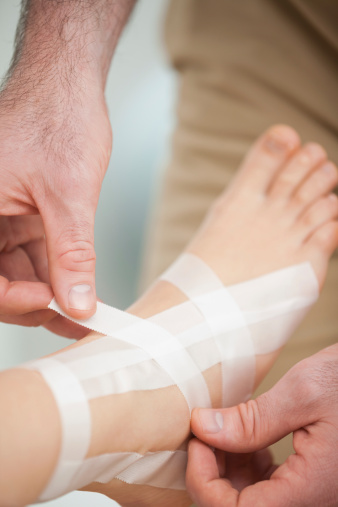

What is a Wound Care Center?

When we think about #woundcare, it usually involves an adhesive bandage and some antibiotic ointment after a minor injury.

For some, wound care is a very serious, and very different, issue.   Wounds resulting from chronic conditions such as diabetic foot ulcers, venous legs ulcers, poor circulation, bedsores or pressure ulcers and traumatic amputations can prove to be very difficult to heal.   These types of wounds can lead to life-threatening infections, debilitating health problems and even amputation.

158323199

When a wound doesn’t improve within two weeks, or heal within a month, you might need the services of a wound care center.  Wound care treatment centers offer a comprehensive and multi-disciplinary approach to healing, and offer access to a specialized, certified team of experts including doctors, registered nurses, and podiatrists, as well as plastic, general and vascular surgeons. The team will evaluate and treat the wound, address the underlying cause, and establish an integrated program to aid in disease management and prevent reoccurrence.


Benefits include:

. Accelerated and enhanced healing

. Better recovery and reduced hospitalization

. Prevention of prolonged or permanent disability

. High level of amputation prevention

. Access to advanced therapies

The Wound Care Center at Flushing Hospital Medical Center is a state-of-the-art unit that provides specialized, interdisciplinary wound care to patients who suffer from non-healing or chronic wounds.

Designed to bring technically advanced, surgically-oriented wound care to patients whose wounds are resistant to traditional forms of treatment. It currently boasts a success rate of 90%, which is above the national average, and has expanded to a six-bed unit to better accommodate its growing number of patients. For more information on the Wound Care Center or to schedule an appointment, call 718-670-4542.

For more health and fitness information, join us on Facebook.com/FlushingHospital or follow us on Twitter @FHMC_NYC


All content of this newsletter is intended for general information purposes only and is not intended or implied to be a substitute for professional medical advice, diagnosis or treatment. Please consult a medical professional before adopting any of the suggestions on this page. You must never disregard professional medical advice or delay seeking medical treatment based upon any content of this newsletter. PROMPTLY CONSULT YOUR PHYSICIAN OR CALL 911 IF YOU BELIEVE YOU HAVE A MEDICAL EMERGENCY.

Is Breakfast the Most Important Meal of the Day?

478336965

March 2-6 is National School Breakfast Week. Is #breakfast the most important meal of the day? #NSBW #FHMC_NYC

Eating breakfast provides us with energy that we will need to help start the day. It also has health benefits for improved performance, concentration and weight control. Breakfast is important for school age children because it has been shown to provide energy to help them concentrate, helps with eye-hand coordination, and with problem solving skills.

People who eat a healthy breakfast also tend to weigh less. People who skip breakfast tend to be hungrier during the day, tend to eat snack more and make less healthy food choices. A healthy breakfast that includes some lean protein helps curb cravings for food during the rest of the day.

In addition to lean proteins, other components of a healthy breakfast include:
• Bread and grains (cereal, toast, or a muffin)
• Skim milk or low fat yogurt
• Fruit or vegetables, or juices.
It is important to avoid sugary cereals and doughnuts.
Whether for yourself or your children, follow these tips and start your day off right with a well balanced healthy breakfast.

For more health and fitness information, join us on Facebook.com/FlushingHospital or follow us on Twitter @FHMC_NYC


All content of this newsletter is intended for general information purposes only and is not intended or implied to be a substitute for professional medical advice, diagnosis or treatment. Please consult a medical professional before adopting any of the suggestions on this page. You must never disregard professional medical advice or delay seeking medical treatment based upon any content of this newsletter. PROMPTLY CONSULT YOUR PHYSICIAN OR CALL 911 IF YOU BELIEVE YOU HAVE A MEDICAL EMERGENCY.

How Safe is Hookah Smoking?

Hookah177508326Hookah smoking is a growing trend among teens and young adults. Though the practice of smoking specially-made tobacco from water pipes is believed by many to be a safe alternative to cigarette smoking, medical research has shown otherwise.

When one smokes hookah, tobacco is heated by charcoal in a smoke chamber. The smoke then passes through water and is drawn through a rubber hose to a mouthpiece. Hookah smoking typically takes place in a group setting and generally last about an hour.

According to the Centers for Disease Control and Prevention (CDC), “hookah smoking delivers the addictive drug nicotine, is as toxic as cigarette smoking, and poses several health risks.” In a typical hookah session, smokers take approximately 200 puffs, compared to cigarette smokers who average 20 puffs a session. Additionally, the volume of smoke inhaled during a hookah session is much higher than the smoke inhaled while smoking a cigarette, 90,000 milliliters compared to 600 milliliters.

It is also believed that the charcoal used to heat the tobacco increases toxicity levels of various compounds, including carbon monoxide and heavy metals. Therefore, hookah smoking is linked to lung and oral cancer, as well as reduced lung function. These are the same harmful health effects as cigarettes.  Since hookah smoking involves using, and often sharing a mouthpiece, there is also the risk of developing and spreading infectious diseases, such as herpes, influenza, and hepatitis.

Although research on hookah smoking is still developing, there is enough evidence that suggest it is just as dangerous as cigarette smoking, if not worse. Hookah smoking and its use of flavored tobacco is marketed to young adults but it’s important to understand there is no such thing as smoking hookah safely.

All content of this newsletter is intended for general information purposes only and is not intended or implied to be a substitute for professional medical advice, diagnosis or treatment. Please consult a medical professional before adopting any of the suggestions on this page. You must never disregard professional medical advice or delay seeking medical treatment based upon any content of this newsletter. PROMPTLY CONSULT YOUR PHYSICIAN OR CALL 911 IF YOU BELIEVE YOU HAVE A MEDICAL EMERGENCY.
Microwave Coffee Mug Egg Scramble Recipe

microwave-coffee-cup-scramble

Microwave Coffee Mug Egg Scramble

Recipe courtesy of Incredible Egg

For a quick and easy breakfast in less than three minutes, try a microwave egg scramble. Eggs are high in protein and packed with nutrients, including healthy omega-3s and Vitamin D.

Ingredients:

2          EGGS

2          Tbsp. milk

2          Tbsp. shredded Cheddar cheese

Salt and pepper

Directions:

Step 1  COAT 12-oz. microwave-safe coffee mug with cooking spray. ADD eggs and milk; beat until blended.

Step 2  MICROWAVE on HIGH 45 seconds; stir. MICROWAVE until eggs are almost set, 30 to 45 seconds longer.

Step 3  TOP with cheese; season with salt and pepper.

Variations:

You can also add fresh or frozen, defrosted spinach to the scramble. Just squeeze out the excess water with a paper towel.  For breakfast on the go, try using one egg and placing the scramble on a toasted English muffin.

For more health and fitness information, join us on Facebook.com/FlushingHospital or follow us on Twitter @FHMC_NYC

All content of this newsletter is intended for general information purposes only and is not intended or implied to be a substitute for professional medical advice, diagnosis or treatment. Please consult a medical professional before adopting any of the suggestions on this page. You must never disregard professional medical advice or delay seeking medical treatment based upon any content of this newsletter. PROMPTLY CONSULT YOUR PHYSICIAN OR CALL 911 IF YOU BELIEVE YOU HAVE A MEDICAL EMERGENCY.

Do You Have a Carbon Monoxide Alarm in Your Home?

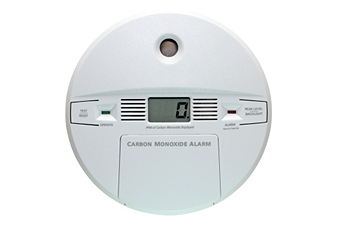
144346577 carbon monoxide detectorCarbon monoxide (CO) poisoning can happen at any time of the year, but the danger is greatest during the winter months when furnaces and other heating units are used more frequently.

It is the number one cause of poisoning deaths in the United Sates and is called the invisible killer, because you cannot see or smell it. This poisonous gas can come from a variety of sources and quickly incapacitate and kill its victims.

Since CO is colorless, tasteless and odorless (unlike smoke from a fire), detection and prevention of carbon monoxide poisoning in a home environment is impossible without a warning device, such as a carbon monoxide detector.  While about 95 percent of U.S. homes report having at least one working smoke alarm, only 42 percent report having a working CO alarm. CO alarms can alert you and your family to dangerous levels of carbon monoxide inside your home before it is too late.

Proper placement of a CO detector is important. If you are installing only one in your home, it is recommended that you place it near the bedrooms, where it can wake you if you are asleep. Like smoke detectors, the batteries in CO detectors should be checked annually and they should be tested every month.

If your detector goes off, immediately leave your home and get fresh air. Call 911 before re-entering your home.

All content of this newsletter is intended for general information purposes only and is not intended or implied to be a substitute for professional medical advice, diagnosis or treatment. Please consult a medical professional before adopting any of the suggestions on this page. You must never disregard professional medical advice or delay seeking medical treatment based upon any content of this newsletter. PROMPTLY CONSULT YOUR PHYSICIAN OR CALL 911 IF YOU BELIEVE YOU HAVE A MEDICAL EMERGENCY.

Is Your Child Being Bullied?

Bullying occurs when an individual or group possesses an imbalance of power, either from a physical or social status perspective, over another person or group. While bullying is prevalent among all age groups, it has become a serious cause for concern among children.

The National Bullying Prevention Center defines bullying as behavior that hurts or harms another person physically or emotionally. Those being bullied often have difficulty stopping the behavior directed at them and struggle to defend themselves.

Statistics have shown that at least 28 percent of students, ages 12-18, reported being bullied at school during the year. Additionally, 7.2 % of students admit to not going to school due to personal safety concerns. Many fear the physical and verbal aggression of their peers, and many more attend school in a state of anxiety and depression.

Many children will not tell parents they are being bullied until the situation escalates, but there a few changes in their behavior that can alert you. Signs that your child may be a victim of bullying include refusing to speak about their day at school,not wanting to go to school, unexplained marks and bruises, asking for more lunch money, complaining of frequent headaches and stomach aches,sudden loss of friends and frequent nightmares.

“Bullying has profound effects on children. For some, it affects them for life. Psychological responses can range from depression, anxiety, post-traumatic stress disorder to severe reactive rage leading to the victim being the perpetrator of cruelty to others. In some instances, children have responded to bullying and cyber-bullying by committing suicide,” states Dr. Seeth Vivek, Chairman of Psychiatry at Jamaica Hospital.

If you find that your child is being bullied, you will need to document the dates, times and places of the action. If the bullying is taking place on school grounds, call the school and schedule a face to face meeting with a teacher or principal. If not on school grounds, notify the police.

Most schools have adopted an anti-bullying policy. Obtain a copy to determine if the bully violated school law. Bullying is best handled when you work together, with the proper authorities.

After notification, be sure to follow up with your child, and the school, to make sure that the bullying has stopped.

All content of this newsletter is intended for general information purposes only and is not intended or implied to be a substitute for professional medical advice, diagnosis or treatment. Please consult a medical professional before adopting any of the suggestions on this page. You must never disregard professional medical advice or delay seeking medical treatment based upon any content of this newsletter. PROMPTLY CONSULT YOUR PHYSICIAN OR CALL 911 IF YOU BELIEVE YOU HAVE A MEDICAL EMERGENCY.

Bridging the Gap Between Physical Health and Mental Health

178143973 psychiatry FHMCThe way health care is being delivered is evolving as a result of the Affordable Care and Patient Protection Act. One very important change is the transition to providing more integrated care. An excellent example of an integrated care model is Flushing Hospital’s efforts to provide patient-centered care that focuses on integrating mental and physical health in the Ambulatory and Behavioral Health Centers.

Traditionally, primary care and behavioral services have been treated separately, with minimal collaboration. With improved coordination and integration, behavioral health issues can be diagnosed and treated in medical clinics and physical health issues can be diagnosed and treated in behavioral health clinics to improve integrated treatment planning and clinical outcomes.

 Flushing Hospital has been making strides in bridging the gap between behavioral and medical services for many years. In 2007 and 2011 the hospital’s Department of Psychiatry and Addiction Services was awarded more than $1.4 million dollars to integrate mental and physical health. The basic principles of the integration project are to help people age successfully through diet, exercise, the pursuit of mental challenges, self-efficacy, which is the “I can do it spirit,” and social support, which is “we can help each other age successfully” approach.

Additionally, Flushing Hospital is applying for NYS funds to further integrate behavioral and physical health across our network of services and throughout Queens. If awarded the funds, Flushing Hospital, and the MediSys Health Network, would look to integrate mental health and primary care by offering both services in convenient locations.

Another way Flushing Hospital continues to address building a link between improved physical and mental health is through its annual behavioral health conference. Every year, the hospital hosts a symposium to educate members of the medical and mental health community. This year’s conference is titled “Is Integrated Care a Solution to the Challenges Facing Health Care.” For more information about the conference, please see the attached brochure.Behavioral Health 2014

For more information about Flushing Hospital’s efforts to create a healthier community, both physically and mentally, please call 718-670-4416

All content of this newsletter is intended for general information purposes only and is not intended or implied to be a substitute for professional medical advice, diagnosis or treatment. Please consult a medical professional before adopting any of the suggestions on this page. You must never disregard professional medical advice or delay seeking medical treatment based upon any content of this newsletter. PROMPTLY CONSULT YOUR PHYSICIAN OR CALL 911 IF YOU BELIEVE YOU HAVE A MEDICAL EMERGENCY.

Meet the Newest Member of Flushing Hospital’s Surgical Team

Single_Site_Patient_Cart_72dpiThe newest member of Flushing Hospital’s surgical team has been described as world renowned and a revolutionary in the field of minimally invasive surgery. This prestigious new member of the team also needs to be plugged into an electrical outlet.

The da Vinci Robotic Surgical platform is now at Flushing Hospital, offering our patients the most technologically advanced surgical system in the entire region.

Robotic surgery has been available for a number of years and offers patients many benefits, including minimal pain, faster recovery time, less blood loss, and shorter hospital stays. What makes Flushing Hospital’s robotic platform so exciting, however, is the new single-site robotic capabilities it offers.

The single-site robotic platform provides Flushing Hospital’s surgeons the same increased dexterity, control and high definition 3-D vision found in traditional robotic surgery, as well as the added benefit of performing  the operation through a single, nearly invisible scar hidden in the patient’s navel. Previous surgeries might require multiple incisions or one larger incision. “This technology offers a tremendous cosmetic benefit to our patients and underscores Flushing Hospital’s commitment to providing the highest level of surgical care, using the most advanced minimally invasive surgical options,” stated Dr . Neil Mandava, Chairman of  Surgery at Flushing Hospital.

During a robotic procedure, the surgeon sits comfortably at a console, viewing a 3-D, high definition image of the patient’s anatomy. The surgeon uses controls below the viewer to move the instruments arms and camera. In real-time, the system translates the surgeon’s hands, wrist, and finger movements into more precise of the miniaturized instruments inside the patient.

The da Vinci system offers a wide variety of surgical options available to the community, including procedures in urology, gynecology, bariatric surgery, as well as general surgery. Flushing Hospital surgeons have already performed multiple robotic procedures with outstanding results.

For more information about the da Vinci robotic surgical system, please call 718-670-3135.

All content of this newsletter is intended for general information purposes only and is not intended or implied to be a substitute for professional medical advice, diagnosis or treatment. Please consult a medical professional before adopting any of the suggestions on this page. You must never disregard professional medical advice or delay seeking medical treatment based upon any content of this newsletter. PROMPTLY CONSULT YOUR PHYSICIAN OR CALL 911 IF YOU BELIEVE YOU HAVE A MEDICAL EMERGENCY.

Your Spinning World Could be Due to Vertigo

Have you ever experienced dizziness or a spinning sensation when in fact everything is standing still? You may have experienced vertigo.

Vertigo can cause a person to feel light headed, off balance, spinning, seeing double, or as though they are falling. In severe cases it can be accompanied by nausea, difficulty walking, or loss of balance.

Vertigo is often related to a problem within the inner ear. It may be due to a buildup of fluid and changing pressure (Meniere’s disease), or due to an accumulation of tiny calcium particles called canaliths in the canals of the inner ear ( BPPV or benign paroxysmal positional vertigo). It may also be caused by an infection, usually viral, in the inner ear. All of these conditions can lead to loss of balance.

Symptoms of vertigo:

 A sensation of movement accompanied by nausea, vomiting, and sweating..

 Head positioning leading to dizziness

 Ringing in the ears and changes in hearing

 Abnormal eye movement

 Symptoms that are fairly constant in regularity

A [physician can diagnose vertigo through physical examination that may include a CT scan of the head to see if there are any brain injuries blood tests to see if the blood glucose is normal and an EKG to see if the heart rhythm is normal.

Frequently the symptoms of vertigo will resolve by themselves. Depending on the cause, some form of medical treatment may be necessary. When the cause is due to an infection, medications may be prescribed to cure it, and sometimes steroids will be given to reduce the inflammation. If the problem is being caused by a buildup of fluid in the ear, medication may be prescribed to help reduce it. If vertigo is being caused by an accumulation of tiny calcium crystals, a series of head and neck positioning exercises may be given to help move them out of the inner ear into a location where they can be more easily absorbed by the body. In extreme cases of vertigo, surgery may be needed to resolve the problem.

If you are experiencing symptoms of vertigo and would like to schedule an appointment with an ear, nose, and throat specialist, please call 718-670-8939.

All content of this newsletter is intended for general information purposes only and is not intended or implied to be a substitute for professional medical advice, diagnosis or treatment. Please consult a medical professional before adopting any of the suggestions on this page. You must never disregard professional medical advice or delay seeking medical treatment based upon any content of this newsletter. PROMPTLY CONSULT YOUR PHYSICIAN OR CALL 911 IF YOU BELIEVE YOU HAVE A MEDICAL EMERGENCY.