Ways to Fit Exercise into Your Busy Schedule

480071511work-exercise-1-300x200

It is recommended by the U.S. Department of Health that adults get 75 to 150 minutes of exercise each week; however, many do not have the luxury of time to work out frequently and some are confined to the office for eight hours or more each day.   Despite the limitations of a busy schedule, there are ways to fit exercise into your daily routine. Keep in mind that some exercise is better than none and that squeezing in a few minutes each day can be beneficial to your health.

93855379 work exercise 2Practical steps you can take in fitting daily exercise are to:

  • Wake up fifteen minutes earlier each day to work out.
  • Take 10 to 15 minutes away from time spent on the internet, connecting on social media or texting.
  • Work out while watching TV- you can simply jog or run in place.
  • Take the stairs at work instead of the elevator.
  • Sit up straight at your desk then contract and release your stomach muscles. This will give you a quick abdominal work out.
  • You can work your legs muscles by squeezing your thighs together or extending each leg in front of you for a few seconds on each side.
  • Go for a walk during your lunch break
  • Have fun. Dance to your favorite songs or play a fitness video game.

Exercise is essential to your health. Although your schedule may be hectic, try to find the time for a few minutes of physical activity into your daily routine.

All content of this newsletter is intended for general information purposes only and is not intended or implied to be a substitute for professional medical advice, diagnosis or treatment. Please consult a medical professional before adopting any of the suggestions on this page. You must never disregard professional medical advice or delay seeking medical treatment based upon any content of this newsletter. PROMPTLY CONSULT YOUR PHYSICIAN OR CALL 911 IF YOU BELIEVE YOU HAVE A MEDICAL EMERGENCY.

How Safe is Hookah Smoking?

Hookah177508326Hookah smoking is a growing trend among teens and young adults. Though the practice of smoking specially-made tobacco from water pipes is believed by many to be a safe alternative to cigarette smoking, medical research has shown otherwise.

When one smokes hookah, tobacco is heated by charcoal in a smoke chamber. The smoke then passes through water and is drawn through a rubber hose to a mouthpiece. Hookah smoking typically takes place in a group setting and generally last about an hour.

According to the Centers for Disease Control and Prevention (CDC), “hookah smoking delivers the addictive drug nicotine, is as toxic as cigarette smoking, and poses several health risks.” In a typical hookah session, smokers take approximately 200 puffs, compared to cigarette smokers who average 20 puffs a session. Additionally, the volume of smoke inhaled during a hookah session is much higher than the smoke inhaled while smoking a cigarette, 90,000 milliliters compared to 600 milliliters.

It is also believed that the charcoal used to heat the tobacco increases toxicity levels of various compounds, including carbon monoxide and heavy metals. Therefore, hookah smoking is linked to lung and oral cancer, as well as reduced lung function. These are the same harmful health effects as cigarettes.  Since hookah smoking involves using, and often sharing a mouthpiece, there is also the risk of developing and spreading infectious diseases, such as herpes, influenza, and hepatitis.

Although research on hookah smoking is still developing, there is enough evidence that suggest it is just as dangerous as cigarette smoking, if not worse. Hookah smoking and its use of flavored tobacco is marketed to young adults but it’s important to understand there is no such thing as smoking hookah safely.

All content of this newsletter is intended for general information purposes only and is not intended or implied to be a substitute for professional medical advice, diagnosis or treatment. Please consult a medical professional before adopting any of the suggestions on this page. You must never disregard professional medical advice or delay seeking medical treatment based upon any content of this newsletter. PROMPTLY CONSULT YOUR PHYSICIAN OR CALL 911 IF YOU BELIEVE YOU HAVE A MEDICAL EMERGENCY.

A Healthy Pregnancy over 35

over35pregnant481003531More and more women are waiting to have families well into their late 30’s and beyond. According to the Centers for Disease Control, one in five women now wait until they’re 35 or older to have their first child. There may be some risks involved with a pregnancy conceived later in life, but a healthy lifestyle, along with regular visits to your Ob-Gyn can create a healthy pregnancy.

Oftentimes, women worry more about the risks of pregnancy at a later age than conception itself. While a woman’s fertility does decrease after the age of 30, certain risk factors associated with pregnancy do increase including:
• Higher risk of gestational diabetes and high blood pressure
• Greater risk of chromosomal abnormalities such as Down Syndrome
• Miscarriages and still birth
• Low birth weight

A pregnancy should be happy and welcomed news and planning should be no different. Increased risk factors and statistics should not be discouraging news. Often, statistics do not account for life style choices or pre-existing conditions. Here are a few tips to help you take the necessary steps toward a healthy pregnancy later in life:
• Schedule an appointment with your Ob-Gyn for a visit. Be very honest with your practitioner about any existing health conditions.
• Your Doctor may recommend additional testing such as genetic testing and counseling or sonograms.
• Begin taking pre-natal vitamin. Since folic-acid is important for prevention of birth defects, taking folic acid can add an important level of protection for older women.
• Exercise regularly; eat a well-balanced diet to maintain your weight. Gaining the appropriate amount of weight lessens the chance of your baby growing slowly and reduces the risk of preterm birth.
• Avoid smoking and drinking.

If you are interested in pre-pregnancy and fertility counseling, contact Flushing Hospital Women’s Health Center at 718-670-8994 to make an appointment.

All content of this newsletter is intended for general information purposes only and is not intended or implied to be a substitute for professional medical advice, diagnosis or treatment. Please consult a medical professional before adopting any of the suggestions on this page. You must never disregard professional medical advice or delay seeking medical treatment based upon any content of this newsletter. PROMPTLY CONSULT YOUR PHYSICIAN OR CALL 911 IF YOU BELIEVE YOU HAVE A MEDICAL EMERGENCY.

What is White Coat Hypertension?

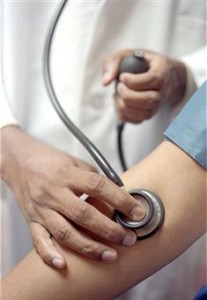
WhiteCoat-207x300Does the thought of having a physician take your blood pressure make you nervous? Anxiety over going to the doctor’s office can lead to an elevation in your blood pressure; a condition known as “white coat hypertension.”

White coat hypertension is a real condition that occurs when blood pressure readings at your doctor’s office are higher than they are in other settings, such as your home. The term white coat refers to the traditional white lab coat health care professionals wear in clinical settings.

The underlying cause of white coat hypertension is believed to be tension and stress associated with being examined by a physician. Not much attention was given to this condition since the blood pressure of patients returned to normal levels when taken in the home environment, where they feel more relaxed. Recent studies however have proven that people with white coat hypertension are twice as likely to develop true hypertension within a decade, compared to people with normal blood pressure levels.

How do you know if you have white coat hypertension and what should you do if you have it? The first step is for your doctor to have you monitor your blood pressure at home to see if it returns to normal levels. If it does, together, you and your doctor can decide whether to treat it or not. On one hand, if your blood pressure is normal during the rest of the day, taking blood pressure medications can lead to hypotension (low blood pressure). On the other hand, people with white coat hypertension might have elevated blood pressure during other stressful parts of the day. Many factors, such as age, family history, and the existence of other conditions will help the doctor make the right decision for you.

There are things that you can do to reduce your anxiety and stress before having your blood pressure checked by a health care professional. First, avoid drinking excessive amounts of water before checking your blood pressure because water can increase your reading. Also, do not participate in any physical activity before having your blood pressure taken. Excessive physical exertion will raise blood pressure. Lastly, avoid stressful situations and remain calm leading up to and during your visit to the doctor’s office.

If you think you have hypertension, make an appointment with your doctor immediately. If you do not have a primary care physician, call Flushing Hospital’s Ambulatory Care Center at 718-670-5486 to schedule an appointment.

All content of this newsletter is intended for general information purposes only and is not intended or implied to be a substitute for professional medical advice, diagnosis or treatment. Please consult a medical professional before adopting any of the suggestions on this page. You must never disregard professional medical advice or delay seeking medical treatment based upon any content of this newsletter. PROMPTLY CONSULT YOUR PHYSICIAN OR CALL 911 IF YOU BELIEVE YOU HAVE A MEDICAL EMERGENCY.

Can Your Diet Affect Your Sleep?

food-300x200Do you suffer from a sleep disorder? Your diet may be the key to giving you a better night’s sleep. According to Center for Disease Control and Prevention, an estimated 50 to 70 million people in the United States suffer from a wide variety of sleep disorders.

Studies show that certain foods tend to produce a more restful night’s sleep. Foods that you can pick up at any local grocery store that are likely to give you a deeper sleep are:
• Milk
• Turkey
• Honey
• Nuts (such as almonds, walnuts, etc.)
• Kale
• Rice (or other forms of carbohydrates)

The secret to these foods are the vitamins they contain, as well as the hormones they help the brain produce. The old wives’ tale of drinking a warm glass of milk before bedtime is not all that inaccurate. Calcium is a natural sleep inducer, especially when consumed with magnesium, which can be found in bananas. Melatonin is a hormone the brain produces naturally that also greatly contributes to a good night’s sleep. Calcium and magnesium both naturally produce melatonin, a hormone produced by the brain that promotes sleepiness, so eating dairy products, wheat, and beans can all lead to a more restful sleep. Additionally, some proteins, such as lean meats, produce tryptophan, an amino acid that causes sleepiness. Carbohydrates, such as starches and fibers, can also cause fatigue because the body breaks them down into sugars that become glucose, which ultimately becomes blood sugar. Some healthy carbohydrates can be found in whole grain, cereal, and vegetables.

While some foods can help you get a better night’s sleep, other foods and eating habits can reduce your amount of sleep. Some of these include:
• Eating too much or too little
• Caffeine (after lunchtime)
• Fatty foods (fast food, junk food, etc.)
• Eating late at night
• Alcohol (in large doses)

Try to avoid these bad eating habits and replace them with healthy foods that are high in calcium, magnesium, healthy carbohydrates, and protein. If you think you are suffering from a sleep disorder that cannot be helped by your diet, consult a physician for an assessment  or to discuss treatments for possible sleep disorders. To make an appointment at Flushing Hospital’s Ambulatory Care Center at 718-670-5486.

All content of this newsletter is intended for general information purposes only and is not intended or implied to be a substitute for professional medical advice, diagnosis or treatment. Please consult a medical professional before adopting any of the suggestions on this page. You must never disregard professional medical advice or delay seeking medical treatment based upon any content of this newsletter. PROMPTLY CONSULT YOUR PHYSICIAN OR CALL 911 IF YOU BELIEVE YOU HAVE A MEDICAL EMERGENCY.

Do You Have a Carbon Monoxide Alarm in Your Home?

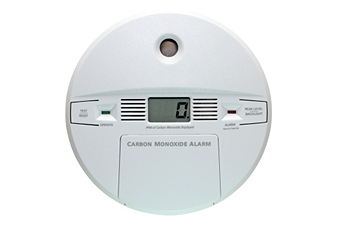
144346577 carbon monoxide detectorCarbon monoxide (CO) poisoning can happen at any time of the year, but the danger is greatest during the winter months when furnaces and other heating units are used more frequently.

It is the number one cause of poisoning deaths in the United Sates and is called the invisible killer, because you cannot see or smell it. This poisonous gas can come from a variety of sources and quickly incapacitate and kill its victims.

Since CO is colorless, tasteless and odorless (unlike smoke from a fire), detection and prevention of carbon monoxide poisoning in a home environment is impossible without a warning device, such as a carbon monoxide detector.  While about 95 percent of U.S. homes report having at least one working smoke alarm, only 42 percent report having a working CO alarm. CO alarms can alert you and your family to dangerous levels of carbon monoxide inside your home before it is too late.

Proper placement of a CO detector is important. If you are installing only one in your home, it is recommended that you place it near the bedrooms, where it can wake you if you are asleep. Like smoke detectors, the batteries in CO detectors should be checked annually and they should be tested every month.

If your detector goes off, immediately leave your home and get fresh air. Call 911 before re-entering your home.

All content of this newsletter is intended for general information purposes only and is not intended or implied to be a substitute for professional medical advice, diagnosis or treatment. Please consult a medical professional before adopting any of the suggestions on this page. You must never disregard professional medical advice or delay seeking medical treatment based upon any content of this newsletter. PROMPTLY CONSULT YOUR PHYSICIAN OR CALL 911 IF YOU BELIEVE YOU HAVE A MEDICAL EMERGENCY.