Diabetes and Your Kidneys

The kidneys serve an important function – to filter waste products from the blood.  For people with diabetes, however, the small blood vessels in the kidneys can become injured and fail to clean the blood properly.

Waste products are created when our bodies digest food. In the kidneys, millions of tiny blood vessels act as filters for this waste. As blood flows through the blood vessels, small molecules, such as waste products, squeeze through these holes and produce urine. Useful substances, such as protein, are too big to be filtered and remain in the blood.

A high level of blood sugar can damage the kidneys and after many years of strain, they start to leak and these useful proteins are lost into the urine. This overwork to compensate for a failing filtering system is the reason why there are no early symptoms of kidney disease. In fact, kidney damage can begin 5 to 10 years before symptoms start.

SYMPTOMS
The first symptom of kidney disease is often weight gain due to fluid buildup. Other symptoms include swelling of the ankles and legs, frequent urination, nausea, poor appetite, loss of sleep, and fatigue.

“Not everyone with diabetes develops kidney problems, but it is still important for anyone with diabetes to have their kidney function checked on a yearly basis” states Dr. Alan Roth, Chairman of Family Medicine at Jamaica Hospital, “A doctor can check blood pressure, urine (for protein), blood (for waste products), and other organs for related complications. When kidney disease is diagnosed early, there are several treatments available to prevent kidney disease from getting worse.”

Diabetics can also manage of their condition by keeping their blood sugar and blood pressure under control. Eating a low fat and low sodium diet, taking proper medications, and getting regular exercise can also help prevent or slow kidney damage.
Failure to diagnose and take proper action to slow or prevent kidney disease can result in the kidneys completely failing. At this point, the only options are dialysis or a kidney transplant.

For more health and fitness tips, Like us on Facebook or follow us on Twitter.

twitter iconFacebooklike -178742843 (1)

All content of this newsletter is intended for general information purposes only and is not intended or implied to be a substitute for professional medical advice, diagnosis or treatment. Please consult a medical professional before adopting any of the suggestions on this page. You must never disregard professional medical advice or delay seeking medical treatment based upon any content of this newsletter. PROMPTLY CONSULT YOUR PHYSICIAN OR CALL 911 IF YOU BELIEVE YOU HAVE A MEDICAL EMERGENCY.

Smoking and Weight Gain

Many people gain a few pounds when they quit smoking, some more than others.  Research has shown that, on average, individuals can gain between two to 10 pounds once they stop smoking. This, however, shouldn’t affect your decision or effort to quit smoking, since weight gain is dependent upon your eating habits and your level of physical activity.

Smoking and Weight Gain
There are a several  reasons why people gain a few pounds after they stop smoking. Smoking is known to increase the body’s rate of metabolism, which helps burn calories. Once someone stops smoking, their rate of metabolism may slow down, lessening the amount of calories they burn throughout the day. Over time this could lead to a weight gain.

Also, people who smoke tend to have an oral fixation. When they stop smoking, the act of chewing usually replaces the oral fixation for smoking and most people find themselves eating more. In addition, smoking also acts as an appetite suppressant, which also causes a person to eat more frequently once they stop the habit.

How to Avoid Weight Gain
Learning to eat healthy snacks and exercising will help keep weight under control. More specifically:

  • Eat foods that are low in calories but filling, such as carrots, apples, air popped popcorn or low fat yogurt
  • Drink plenty of water throughout the day
  • Exercise on a regular basis; join a gym, take the stairs, or walk whenever possible

Weight gain is a real concern for people desiring to kick the habit but fortunately, it can be minimized or completely avoided. The damage smoking causes the body is far greater than adding a few extra pounds. The decision to stop smoking can be the first step to leading a healthier life.


All content of this newsletter is intended for general information purposes only and is not intended or implied to be a substitute for professional medical advice, diagnosis or treatment. Please consult a medical professional before adopting any of the suggestions on this page. You must never disregard professional medical advice or delay seeking medical treatment based upon any content of this newsletter. PROMPTLY CONSULT YOUR PHYSICIAN OR CALL 911 IF YOU BELIEVE YOU HAVE A MEDICAL EMERGENCY.

10 Signs Your Teen May Be Using Drugs

teen-on-drugs-173498889If you have a suspicion that your teen may be using illegal drugs, there are several physical and behavioral patterns you can look for. Some of which include:
•Bloodshot eyes or pupils that appear larger or smaller than usual
•A change in appetite – this could be a decrease or increase in appetite
•Skipping classes or a decline in grades
•Frequent mood swings
•Neglect in personal appearance or grooming
•Incoherent or slurred speech
•Heavy use of air fresheners, incense or perfumes in rooms
•Frequent outbursts of anger or periods of hyperactivity
•Consistent disappearance of money, valuables or medication from the home
•An increase in secrecy or avoidance
Speak with your teen about these changes, approach them in a direct but calm manner. Ask them questions about changes that may be occurring in their lives, as well as questions that may uncover drug use. If your teen admits to using drugs, it is advised not to display anger but to rather show your support in finding them help and express your concern for their safety. The next step is to immediately seek treatment from a mental health professional, drug treatment program or a qualified therapist.

All content of this newsletter is intended for general information purposes only and is not intended or implied to be a substitute for professional medical advice, diagnosis or treatment. Please consult a medical professional before adopting any of the suggestions on this page. You must never disregard professional medical advice or delay seeking medical treatment based upon any content of this newsletter. PROMPTLY CONSULT YOUR PHYSICIAN OR CALL 911 IF YOU BELIEVE YOU HAVE A MEDICAL EMERGENCY.

What is Schizophrenia

Schizophrenia is a disorder of the brain that is severe, chronic and disabling. schizophreniaResearch has shown that there is a brain chemical imbalance that causes the disease. People with the illness do not interpret reality in a normal manner. It occurs in approximately one percent of the population, but if there is a family history of the illness the frequency is much higher. Men and women are affected equally but symptoms are usually seen earlier in men. Usually the illness is first noticed in the early 20’s for men and late 20’s for women. When teenagers develop the illness they tend to be withdrawn socially, perform poorly in school, become irritable and lack motivation. It is unlikely for most people to develop the illness after their mid forties.

Adult Symptoms of Schizophrenia:

• Hallucinations – People hear, see, smell or feel things that do not exist
• Delusions – false beliefs like imagining they are someone else
• Thought disorders – Having trouble organizing thoughts and speaking without making sense
• Movement disorders – A person may make agitated movements or not move at all
• Lack of caring about personal hygiene

The treatment goal is to be able to control symptoms Treatment for schizophrenia includes taking antipsychotic medications and receiving psychosocial treatments.. It is important that a treatment plan for the patient include counseling for their families as well. One important method of therapy is cognitive behavioral therapy which is where the patient is taught how to manage their symptoms.

All content of this newsletter is intended for general information purposes only and is not intended or implied to be a substitute for professional medical advice, diagnosis or treatment. Please consult a medical professional before adopting any of the suggestions on this page. You must never disregard professional medical advice or delay seeking medical treatment based upon any content of this newsletter. PROMPTLY CONSULT YOUR PHYSICIAN OR CALL 911 IF YOU BELIEVE YOU HAVE A MEDICAL EMERGENCY.

Benefits of Yoga

yoga-300x200 (1)Developed in India thousands of years ago, Yoga is a form of exercise that has gained popularity tremendously over the past 50 years.

Yoga teaches increased flexibility by learning how to stretch your muscles. This can help a person improve mobility, feel less tired and improve their posture.

• Some of the other benefits of yoga are:

• Improved immunity

• Ease migraines

• Improve sexual performance

• Better sleep

• Improve eating habits

Yoga can help you to feel calmer and more relaxed. This is because some forms of yoga teach techniques that focus on breathing.

It has also been shown to lower blood pressure and to lower the heart rate. This can greatly help people who have been diagnosed with heart disease and who either have had a stroke or at risk of having a stroke.

It usually takes a few weeks to start seeing the benefits of yoga. When looking for yoga classes, find an instructor who has proper training and who is certified to teach the class. It can be practiced by just about anyone, and it isn’t just for people who are in good physical condition.

All content of this newsletter is intended for general information purposes only and is not intended or implied to be a substitute for professional medical advice, diagnosis or treatment. Please consult a medical professional before adopting any of the suggestions on this page. You must never disregard professional medical advice or delay seeking medical treatment based upon any content of this newsletter. PROMPTLY CONSULT YOUR PHYSICIAN OR CALL 911 IF YOU BELIEVE YOU HAVE A MEDICAL EMERGENCY.

Can Prenatal Massage Help During Pregnancy?

Having a baby is a beautiful time in a woman’s life, but the pregnancy itself isn’t always a pleasant experience. Can a prenatal massage help?

The goals of a prenatal massage are the same as a regular massage – to relax tense muscles, improve circulation, offer relaxation, and to re-energize the body and mind.

Many women experience joint pain, neck and back pain, leg cramping, and sciatica during pregnancy. Massage therapy addresses the inflamed nerves by helping release tension in nearby muscles.

A prenatal massage also improves blood circulation and reduces the risk of edema, or swelling of the joints during pregnancy by stimulating soft tissue. This reduces fluid build-up around joints. Improved blood flow also helps the body’s lymphatic system work more efficiently by aiding in the removal of toxins and tissue waste.

By ridding the body of certain stress hormones, a prenatal massage can reduce anxiety and improve an expecting mother’s overall mood.  Other benefits include the alleviation of headaches, reduced instances of insomnia, decreased levels of depression, and even improved labor outcomes.

When choosing a massage therapist, be sure to pick one who is certified in prenatal massage. Certified Prenatal Massage Therapists are trained to provide relief to known sore spots and also know to avoid applying pressure to very sensitive pressure points. They know the appropriate techniques to use and positions to recommend and may even have a specially designed massage table for pregnant women.

A prenatal massage may not be for everyone.  Women with certain conditions, such as preeclampsia, pregnancy induced hypertension or with a history of pre-term labor should not receive a prenatal massage. All women should consult with their prenatal care provider before scheduling a massage.

If you have questions about prenatal massage or would like to schedule an appointment with an OB/GYN at Flushing Hospital’s Women’s Health Center, please call 718 670-8994.

For more health tips and information visit us on Facebook.com/FlushingHospital

All content of this newsletter is intended for general information purposes only and is not intended or implied to be a substitute for professional medical advice, diagnosis or treatment. Please consult a medical professional before adopting any of the suggestions on this page. You must never disregard professional medical advice or delay seeking medical treatment based upon any content of this newsletter. PROMPTLY CONSULT YOUR PHYSICIAN OR CALL 911 IF YOU BELIEVE YOU HAVE A MEDICAL EMERGENCY.

Obesity: Lifestyle or Genetics?

ObesityGenetics-223x300“How does she eat so much and not gain any weight?”

It’s a question that has left many puzzled and quite frustrated. The conversation about weight, however, is a longstanding one. Today, especially, weight gain and weight loss remain relevant discussions, as the United States faces an obesity epidemic.

Though several health initiatives to help fight obesity have been implemented over the past few years, it is important to first understand what factors contribute to obesity. According to a National Institutes of Health funded study conducted by UCLA, not only does behavior and environment affect obesity, but genetic factors can also play a significant role in causing obesity.

How our genes actually influence obesity varies. As explained by the Centers for Disease Control and Prevention (CDC), genes give the body instruction for responding to changes in its environment. Some research has linked genes to metabolism, pointing out that genetics affects how one’s body responds to high-fat diets. Genes can either cause an increased tendency to store fat or a diminished capacity to use dietary fats as fuel. Other research has suggested that genes influence behaviors, such as overeating and being sedentary.

The conversation about obesity can now change since research has shown that body weight is hereditary and that genetic disposition affects weight. In all efforts to fight obesity, living environments where high calorie foods are prevalent and physical activity is limited should be looked at more closely.

For more health and fitness tips visit:Facebook.com/FlushingHospital

All content of this newsletter is intended for general information purposes only and is not intended or implied to be a substitute for professional medical advice, diagnosis or treatment. Please consult a medical professional before adopting any of the suggestions on this page. You must never disregard professional medical advice or delay seeking medical treatment based upon any content of this newsletter. PROMPTLY CONSULT YOUR PHYSICIAN OR CALL 911 IF YOU BELIEVE YOU HAVE A MEDICAL EMERGENCY.

The Benefits of Drinking Bay Leaf Tea

Bay-leaf-462032601-300x200

There are many benefits of drinking bay leaf tea. Some of the most widely known benefits are:

1.  Bay leaves are a rich source of vitamin A, vitamin C, iron, potassium, calcium, and magnesium. Also regular inclusion of bay leaves in meals promotes general health.

2.  They have been proven to be useful in the treatment of migraines.

3.  Bay Leaf contains enzymes that help to breakdown proteins and digest food faster, helping to calm indigestion.

Recipe for Bay Leaf Tea

  • 16 oz water
  • 3 bay leaves
  • Juice1 large or 2 smaller lemons
  1. Place ingredients, together, in a pot and bring to a boil.
  2. Drink, after it cools down

A hot cup of bay leaf tea can be very comforting. The aromatic fragrance that the leaves release is calming and the essence of the spiced tea makes bay leaf tea delicious.

All content of this newsletter is intended for general information purposes only and is not intended or implied to be a substitute for professional medical advice, diagnosis or treatment. Please consult a medical professional before adopting any of the suggestions on this page. You must never disregard professional medical advice or delay seeking medical treatment based upon any content of this newsletter. PROMPTLY CONSULT YOUR PHYSICIAN OR CALL 911 IF YOU BELIEVE YOU HAVE A MEDICAL EMERGENCY.

How Smoking Affects Your Good Looks


smoker177094162

Smoking is harmful to your body; the toxins found in tobacco and cigarettes can damage your body from the inside out. The smoke from cigarettes contains 7,000 hazardous chemicals which may lead to lung cancer, asthma, complications with diabetes and damage to your heart. These chemicals are also known to wreak havoc on your physical appearance.

Here are some of the ways smoking can ruin your good looks:

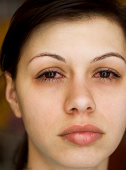
.Bags under the eyes-Smokers are four times as likely to have bags under the eyes. Nicotine slows the circulation of blood throughout the body, which in turn affects the flow of circulation around the eyes.
.Dental health-Cigarette smoke can also interfere with the normal function of the cells in the gum, which leads to discoloration of your pearly whites, bad breath and other dental problems.
.Premature wrinkles- Smoking limits circulation and causes deprivation of blood to the tissues that keep the skin supple. Studies show that smokers tend to look older than their peers because the aging process has been accelerated.
.Sagging arms or breasts- Is often a tell-tale sign of a person who has smoked for an extended period of time. It has been discovered that the chemicals in cigarettes destroy collagen and elastin. With the loss of these fibers, the skin will begin to lose its elasticity and strength.
.Yellow nails and fingers- Nicotine can stain fingers and nails making them brown or yellow in color.
.Hair loss- Studies show that smoking can accelerate hair loss. The circulation of blood flowing to the hair follicles is hampered, this disrupts the normal growth cycle of hair.

The damages caused by smoking affect the body both internally and externally. Some of the effects are immediate and can be seen instantly or some may develop over time. However, several of these conditions can be reversed once a person stops smoking.

Flushing Hospital Medical Center encourages you to quit today. For help with smoking cessation visit www.cdc.gov/tobacco for a list of resources near you.

All content of this newsletter is intended for general information purposes only and is not intended or implied to be a substitute for professional medical advice, diagnosis or treatment. Please consult a medical professional before adopting any of the suggestions on this page. You must never disregard professional medical advice or delay seeking medical treatment based upon any content of this newsletter. PROMPTLY CONSULT YOUR PHYSICIAN OR CALL 911 IF YOU BELIEVE YOU HAVE A MEDICAL EMERGENCY.

Why Do We Get Goosebumps?

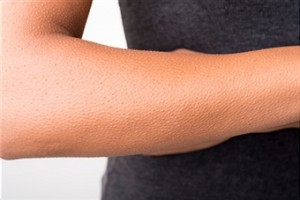
goosebumps164109706Answer: To raise the body’s temperature. When we are cold muscle fibers around the hair follicles contract- giving us goosebumps.  This activity produces heat and raises  the body temperature.

All content of this newsletter is intended for general information purposes only and is not intended or implied to be a substitute for professional medical advice, diagnosis or treatment. Please consult a medical professional before adopting any of the suggestions on this page. You must never disregard professional medical advice or delay seeking medical treatment based upon any content of this newsletter. PROMPTLY CONSULT YOUR PHYSICIAN OR CALL 911 IF YOU BELIEVE YOU HAVE A MEDICAL EMERGENCY.