What To Do When Your Baby Suddenly Stops Breastfeeding

When most people hear the words “nursing strike” the most common assumption is that it has something to do with a work stoppage by hospital caregivers, but the term can also refer to when a baby suddenly refuses to breastfeed. This response can sometimes be mistaken for weaning, but unlike a nursing strike, weaning normally takes places gradually over a period of weeks or months.

Nursing strikes can be frightening and upsetting to both you and your baby, but they are almost always temporary. Most nursing strikes end with your baby back to breastfeeding, within a few days. In some cases the cause is a mystery, but most of the time it is due to some external factor. Some of the most common triggers for a nursing strike include:

  • An illness affecting your baby such as an ear infection or stuffy nose
  • A change in deodorant, soap, lotion or anything that would result in you smelling different to your baby
  • Your baby is teething or experiencing sore gums
  • A temporary reduction in milk supply
  • A change in nursing patterns
  • Your baby was frightened during a previous nursing experience

Whatever the cause, getting the baby back to the breast can sometimes be challenging. Here are some tips that can help get your baby back to breastfeeding:

  • Be patient. Don’t try to force your baby to breastfeed as it can make the situation worse.
  • Rule out any physical problems such as an ear infection, stuffy nose, teething issues or a bladder infection.
  • Spend more skin-to-skin time together.
  • Avoid giving your baby a pacifier.
  • Attempt to nurse when your baby is either falling asleep, sound asleep, or just waking up.
  • Movement helps so try putting your baby in a sling while you walk around or try relaxing in a rocking chair.
  • Take a bath together or cuddle in a quiet, dark room.

You should continue to pump or hand express milk while your baby is refusing to nurse to prevent plugged ducts and infections.  It is also important to remain calm and understand that your baby isn’t rejecting you and while the situation can be upsetting that it is only temporary and everything will go back to normal.

If your baby is experiencing a nursing strike and you have additional questions, you should speak with your doctor or a lactation consultant.

If you would like to speak to a lactation consultant at Flushing Hospital Medical Center, please call 718-670-5201.

All content of this newsletter is intended for general information purposes only and is not intended or implied to be a substitute for professional medical advice, diagnosis or treatment. Please consult a medical professional before adopting any of the suggestions on this page. You must never disregard professional medical advice or delay seeking medical treatment based upon any content of this newsletter. PROMPTLY CONSULT YOUR PHYSICIAN OR CALL 911 IF YOU BELIEVE YOU HAVE A MEDICAL EMERGENCY.


Tips To Guard Against the Stomach Flu

The flu isn’t the only virus that we need to protect ourselves against this time of year. Gastroenteritis, or the stomach flu is a very contagious bug that is common in our region beginning in the fall and winter months.Unlike influenza, which affects your respiratory system, the stomach flu attacks your intestines causing the following symptoms:

• Watery, non-bloody diarrhea
• Abdominal cramps and pain
• Nausea, vomiting or both
• Occasional muscle aches, headache, and low-grade fever

Businessman with stomach ache

Gastroenteritis is typically spread through the sharing of food or drink with someone who is infected or sharing other items with them such as utensils or towels. Children can also spread the illness by placing their hands in their mouths after touching contaminated items or surfaces.

Symptoms usually appear within one to three days after exposure and can range from mild to severe. Typically symptoms last only a day or two, but in some cases, they may persist for up to ten days.

The main complication from viral gastroenteritis is dehydration — a severe loss of water and essential salts and minerals. If you’re healthy and drink enough to replace fluids you lose from vomiting and diarrhea, dehydration shouldn’t be a problem. However, infants, older adults and people with suppressed immune systems may become severely dehydrated when they lose more fluids than they can replace. Hospitalization might be needed so that lost fluids can be replaced intravenously. Dehydration can be fatal, but rarely.

To avoid catching the stomach flu, it is recommended that individuals wash their hands thoroughly, use separate items around the home, disinfect all potentially infected items and surfaces, and keep your distance from those who are infected.

If you do contract gastroenteritis, follow these tips:

• Let your stomach settle. Stop eating solid foods for a few hours.
• Try sucking on ice chips or taking small sips of water. You might also try drinking clear liquids or broths or non-caffeinated sports drinks. Drink plenty of liquid every day, taking small, frequent sips.
• Ease back into eating. Gradually begin to eat bland, easy-to-digest foods, such as ginger ale crackers, toast, gelatin, bananas, rice and chicken. Stop eating if your nausea returns.
• Avoid certain foods and substances until you feel better. These include dairy products, caffeine, alcohol, nicotine, and fatty or highly seasoned foods.
• Get plenty of rest. The illness and dehydration may have made you weak and tired.

See a doctor if you become dehydrated (characterized by excessive thirst, dry mouth, dark yellow or no urine, severe weakness or dizziness), if symptoms persist for over 24 hours, if you are vomiting blood or have blood in your stool, or if you have a temperature of 104 degrees or above.

All content of this newsletter is intended for general information purposes only and is not intended or implied to be a substitute for professional medical advice, diagnosis or treatment. Please consult a medical professional before adopting any of the suggestions on this page. You must never disregard professional medical advice or delay seeking medical treatment based upon any content of this newsletter. PROMPTLY CONSULT YOUR PHYSICIAN OR CALL 911 IF YOU BELIEVE YOU HAVE A MEDICAL EMERGENCY.

The Stages of Wound Healing

Whether it’s a minor cut or a more serious injury everyone has sustained a wound at some point in their life. Each time we develop a break in our skin our bodies go through a wound healing process to repair the damage, but how does this happen?

When the skin is injured, our body sets into motion an automatic series of events, often referred to as the “cascade of healing,” in order to repair the injured tissues. The cascade of healing is divided into these four overlapping phases:

Phase 1: Stop the bleeding (hemostasis)
The first stage of wound healing is for the body to stop the bleeding. This is called hemostasis or clotting and it occurs within seconds to minutes after you suffer a wound. During this phase the body activates its emergency repair system to form a dam to block the drainage and prevent too much blood loss. Clotting also helps to close and heal the wound, making a scab.

Phase 2: Scabbing over
Once your wound isn’t bleeding any more, the body can begin cleaning and healing it. First, the blood vessels around the wound open a bit to allow more blood flow to it. Fresh blood brings more oxygen and nutrients to the wound.  White blood cells called macrophages help clean the wound by fighting any infection. They also send out chemical messengers called growth factors that help repair the area.

Phase 3: Rebuilding
After the wound is clean and stable, your body can begin rebuilding the site. Oxygen-rich red blood cells come to the site to create new tissue. Chemical signals in the body tell cells around the wound to make elastic tissues called collagen. This helps to repair the skin and tissues in the wound. At this stage in healing, you might see a fresh, raised, red scar. The scar will slowly fade in color and look flatter.

Phase 4: Maturation (strengthening)
Even after your wound looks closed and repaired, it’s still healing – this is called the Maturation phase. During this phase the new tissue slowly gains strength and flexibility. You may also experience itching or tightness over the area at this time. This phase can last anywhere from a few weeks to months.

If you suffered a wound, you can help the healing process by thoroughly cleaning it with mild soap and water and covering it with a sterile bandage to prevent infection. See your doctor if you think your wound has become infected.

Due to a variety of underlying conditions, some people may experience slow or non-healing wounds.  For those patients, Flushing Hospital Medical Center offers a Wound Care Center.  Speak to you doctor to see if you require specialized wound healing services.

All content of this newsletter is intended for general information purposes only and is not intended or implied to be a substitute for professional medical advice, diagnosis or treatment. Please consult a medical professional before adopting any of the suggestions on this page. You must never disregard professional medical advice or delay seeking medical treatment based upon any content of this newsletter. PROMPTLY CONSULT YOUR PHYSICIAN OR CALL 911 IF YOU BELIEVE YOU HAVE A MEDICAL EMERGENCY.

Make Your Smile a Priority in 2020

We have all made New Year’s resolutions at some point in our lives. Many of these

annual vows revolve around improving our health.  Typical resolutions may include losing weight, quitting smoking, or beginning an exercise routine, but what about our oral health? The New Year is also a good time to commit ourselves to better dental care.

Make 2018 the year you look to improve your smile. Some ways to help you meet this goal include:

  • Practice Good Oral Hygiene – Daily brushing and flossing is a simple way to improve your oral health. For successful bacterial plaque removal, it is important to brush at least twice a day and floss at least once per day to remove bacterial plaque and food that has accumulated throughout the day. Daily brushing and flossing help to prevent gingivitis (gum disease), tooth decay and halitosis (bad breath). The daily use of antimicrobial and fluoride mouth rinses also helps to improve your oral health.
  • Watch What You Eat and Drink – An important part of achieving your dental health resolutions is making healthier food and beverage choices, especially for snacks. Frequent consumption of food and beverages containing carbohydrates and acids contributes to tooth decay.
  • Quit Smoking – Quitting cigarette smoking and smokeless tobacco use is important for improving your oral and overall health. There is no better time than the present to make a resolution to stop tobacco use. Consider free online tools, smoking cessation groups, progress-tracking apps and support from friends and family to assist you with tobacco cessation.
  • Use Whitening Products – There are several over-the-counter smile-improving products that you
    can use to whiten your teeth when you brush and floss. In recent years, tooth whitening has acquired enormous popularity because they can enhance the appearance of teeth by removing deep (intrinsic) or surface (extrinsic) stains.
  • Receive Regular Check-Ups – A resolution to make routine visits to the dentist may help prevent oral disease or reveal an existing disease in its early stage. Dental visits should take place every six months to allow your dentist and dental hygienists to monitor the condition of your oral cavity and develop an appropriate treatment plan to meet your wants and needs.

Some however might need to make more than a few lifestyle changes to address their dental needs. For those, a dentist or orthodontist can help. Make this the year you stop putting off having dental work done. An orthodontist can correct an overbite or straighten crooked teeth and a dentist can address your need for crowns, implants or fillings to preserve your tooth structure.

To make an appointment at Flushing Hospital’s Dental Center, please call 718-670-5521.

All content of this newsletter is intended for general information purposes only and is not intended or implied to be a substitute for professional medical advice, diagnosis or treatment. Please consult a medical professional before adopting any of the suggestions on this page. You must never disregard professional medical advice or delay seeking medical treatment based upon any content of this newsletter. PROMPTLY CONSULT YOUR PHYSICIAN OR CALL 911 IF YOU BELIEVE YOU HAVE A MEDICAL EMERGENCY.
Learn The Facts About Epilepsy

Epilepsy, also referred to as a “seizure disorder,” is a chronic condition that affects the central nervous system. Those with this neurological disorder experience abnormal brain activity, which results in unpredictable and unprovoked seizures as well as other unusual behaviors, sensations, and sometimes loss of awareness.

Because epilepsy is caused by abnormal activity in the brain, seizures can affect any process the brain coordinates. Seizure signs and symptoms may include:

  • Temporary confusion
  • A staring spell
  • Uncontrollable jerking movements of the arms and legs
  • Loss of consciousness or awareness
  • Psychic symptoms such as fear, anxiety or déjà vu

A person with epilepsy may experience different symptoms than others with the same disorder. In most cases however, a person with epilepsy will tend to have the same type of seizure each time, so the symptoms will be similar from episode to episode.

While epilepsy has no identifiable cause, about half the cases can be traced to a variety of different factors, including:

  • Family history
  • Head trauma
  • Stroke
  • Infectious disease, such as meningitis encephalitis, or AIDS
  • Developmental disorders, including autism

Medications or surgery can control seizures for the majority of people with epilepsy. Some people require lifelong treatment to control seizures, but for others, the seizures eventually go away. Some children with epilepsy may outgrow the condition with age.

To schedule an appointment with a neurologist at Flushing Hospital’s Ambulatory Care Center, please call 718-670-5486.

All content of this newsletter is intended for general information purposes only and is not intended or implied to be a substitute for professional medical advice, diagnosis or treatment. Please consult a medical professional before adopting any of the suggestions on this page. You must never disregard professional medical advice or delay seeking medical treatment based upon any content of this newsletter. PROMPTLY CONSULT YOUR PHYSICIAN OR CALL 911 IF YOU BELIEVE YOU HAVE A MEDICAL EMERGENCY.

Learn The Facts About Psoriatic Arthritis

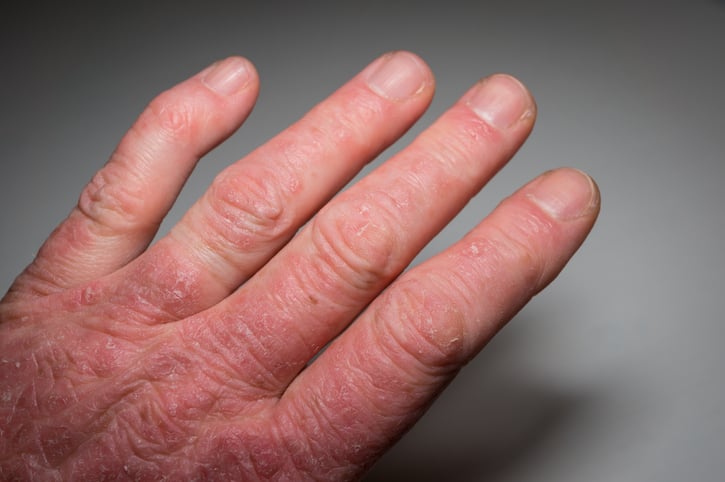
Psoriasis is a skin disease that causes a red, scaly rash topped with silvery scales, most often located on the elbows, knees, ankles, feet, and hands.  It affects millions of Americans and nearly one third of all people with this condition develop a condition called psoriatic arthritis, (or PsA)

Psoriatic arthritis is an autoimmune condition that causes inflammation in the joints as well as overproduction of skin cells. In addition to the psoriatic rash, the symptoms of psoriatic arthritis are not unlike those of other types of inflammatory arthritis, which include painful and swollen joints that are warm to the touch. Other symptoms of psoriatic arthritis include:

  • Swollen knees, ankles, feet and hands
  • Stiff Joints, which are typically worse in the morning
  • Back, neck, and shoulder pain
  • Inflammation where a muscle connects to a bone, such as the Achilles tendon
  • Tiny ridges or dents called “pitting” in the nails.
  • Physical and mental exhaustion

PsA symptoms can range from mild to severe, with symptoms usually progressively worsening over time. Those with psoriasis as well as psoriatic arthritis may experience alternating periods of “flare-ups” followed by periods of remission.

If left untreated, inflammation associated with PsA can result in serious damage to joints and tissues. Those with PsA are also at a higher risk of developing other conditions such as cardiovascular disease, Crohn’s disease, type 2 diabetes, gout, and certain eye conditions.

Those most at risk of developing PsA are those who have psoriasis or have a family member living with the condition. It can develop at any age, but is most often occurs in adults between the ages of 30 and 50.

There is currently no cure for psoriatic arthritis, but with treatment, the symptoms can be controlled. Medications can often help manage psoriatic arthritis, but when they don’t, surgery might be an option.

Inform your doctor if you have psoriasis and begin to develop joint pain. To make an appointment at Flushing Hospital’s Ambulatory Care Center, please call. 718-670-5486.

All content of this newsletter is intended for general information purposes only and is not intended or implied to be a substitute for professional medical advice, diagnosis or treatment. Please consult a medical professional before adopting any of the suggestions on this page. You must never disregard professional medical advice or delay seeking medical treatment based upon any content of this newsletter. PROMPTLY CONSULT YOUR PHYSICIAN OR CALL 911 IF YOU BELIEVE YOU HAVE A MEDICAL EMERGENCY.

What Type Of Flu Vaccine Is Best For Seniors

With flu season upon us, it is recommended that everyone six months and older receive their annual influenza (flu) vaccine.  This is especially true for senior citizens as they are at a greater risk of developing serious complications from the flu. While there is no debate over whether or not seniors should get their flu shot, there is one about what type of vaccine they should receive.

Many providers are now recommending that patients over the age of 65 receive the vaccine Fluzone, a higher dose injectable vaccine formulated specially for seniors.  Like other flu vaccines, Fluzone is comprised of three different strains of the influenza virus that are most likely to cause the flu during the upcoming season.  However, Fluzone contains four times the amount of antigen (the inactivated virus that promotes a protective immune response) as a regular flu vaccine and produces a stronger immune response.

This high-dose vaccine was created specifically for seniors because their immune defenses are weakened due to their age. It is estimated that approximately 75% of seasonal flu-related deaths have occurred in people 65 years and older and between 50% and 70% of seasonal flu-related hospitalizations have occurred among people in this age group.

The results of seniors who have taken high-dose vaccines are promising. Initial studies have indicated that 25% fewer cases of influenza occurred in adults 65 years or older who took the high-dose vaccine compared with those who took the standard-dose vaccine, but other studies also revealed that seniors who received the high-dose vaccine were more likely to develop side effects, such as a fever and soreness at the injection site, during the week after vaccination.

If you are over 65 years old and still haven’t received your flu vaccine this year, speak to your doctor about whether or not a high-dose vaccine is right for you.

If you would like to make an appointment with a doctor at Flushing Hospital, please call 718-670-5486.

All content of this newsletter is intended for general information purposes only and is not intended or implied to be a substitute for professional medical advice, diagnosis or treatment. Please consult a medical professional before adopting any of the suggestions on this page. You must never disregard professional medical advice or delay seeking medical treatment based upon any content of this newsletter. PROMPTLY CONSULT YOUR PHYSICIAN OR CALL 911 IF YOU BELIEVE YOU HAVE A MEDICAL EMERGENCY.

How Your Pet Can Be A Distraction To You While You Drive

There are many known driving distractions that we are warned to avoid while on the road. These include: talking or texting on your mobile device, eating or drinking, attending to personal grooming, or adjusting our vehicle’s radio or navigation system. While it is important to be mindful of each of these potential distractions, there is another type of distraction that doesn’t get as much attention – driving with our pets.

Pets can be a distraction to drivers

Many people take their dogs or cats in the car with them when they run local errands; others bring them along for long road trips. During these excursions, our pets often have free reign of the vehicle, will place their head out the car window, and in some cases, even sit in the driver’s lap. These activities, while adorable, can pose great danger to not only the operator of the vehicle, but also the other passengers, fellow motorists, and even the pets themselves.

A recent study of individuals who frequently travel with their pets in the car revealed some very startling facts about their behaviors. The survey concluded that 64 percent of drivers admitted to engaging in a potentially distracting pet-related activity, and 29 percent admitted to actually being distracted by their pets. Some of the activities noted in the study included petting or playing with their pets, allowing them to stay in their lap, feeding them treats, and taking photos of them.  The same study determined 84 percent allowed their pets to ride in their vehicle while unrestrained.

To avoid these types of distractions while driving, motorists should consider purchasing a safety device for their dog or cat. There are two types of devices to choose from:

  • Pet seat belts – They are easy to use and work in tandem with your normal seat belt. Check to make sure the pet belt is the right size for your animal. One that’s too big or too small is counterproductive and can cause unnecessary injuries.
  • Pet carriers- Look for a sturdy carrier with ample ventilation and plenty of room for your pet to turn around and stretch out. Also, make sure you secure the carrier so that it stays safely in place if you suddenly brake or get into an accident.


Driving with your beloved pet in the car doesn’t need to be dangerous. Take some time to make sure you can safely restrain your pet to maximize safety for you and your lovable friend.

All content of this newsletter is intended for general information purposes only and is not intended or implied to be a substitute for professional medical advice, diagnosis or treatment. Please consult a medical professional before adopting any of the suggestions on this page. You must never disregard professional medical advice or delay seeking medical treatment based upon any content of this newsletter. PROMPTLY CONSULT YOUR PHYSICIAN OR CALL 911 IF YOU BELIEVE YOU HAVE A MEDICAL EMERGENCY.

November is Bladder Health Month

The American Urological Association (AUA) has designated November as Bladder Health Month.

flushing hospital, bladder health month

So often we take bladder health for granted until a problem starts to develop, therefore the AUA is committed to increasing the public’s awareness  about bladder health conditions.

Some symptoms of an infected bladder are:

  • Pelvic pain
  • Increased urge to urinate
  • Pain with urination
  • Blood in the urine

The good news is by taking an active role in your bladder health you can avoid infections and reduce the risk of developing several medical problems. Here are some ways you can help improve your bladder’s health and help it to function properly.

  1. Don’t wait long to use the bathroom. Holding in urine can add pressure to the bladder and increase the risk of developing infections.
  2. Do not rush when emptying your bladder. Rushing may result in your bladder not emptying completely- this can lead to bladder infections.
  3. Avoid food or drinks that contain irritants. Certain food or drinks that contain ingredients such as caffeine, artificial sweeteners, acid, spices, excessive amounts of salt and alcohol can worsen bladder problems.
  4. Drink enough water throughout the day. Drinking your daily recommended amount of water can help flush out bacteria in the urinary tract.
  5. Avoid constipation by adding fiber to your diet. Constipation often results in a full rectum which adds pressure to the bladder.
  6. Urinate after having intercourse. Men and women should try to urinate after sexual intercourse. This helps to flush away bacteria that may have entered during sex.

If you are experiencing symptoms of a bladder infection and have questions about maintaining bladder health, please call Flushing Hospital’s Ambulatory Care Center at 718-670-5486 to schedule an appointment with a urologist.

All content of this newsletter is intended for general information purposes only and is not intended or implied to be a substitute for professional medical advice, diagnosis or treatment. Please consult a medical professional before adopting any of the suggestions on this page. You must never disregard professional medical advice or delay seeking medical treatment based upon any content of this newsletter. PROMPTLY CONSULT YOUR PHYSICIAN OR CALL 911 IF YOU BELIEVE YOU HAVE A MEDICAL EMERGENCY.

Can A Glycemic Index Help Diabetics Control Their Blood Sugar

If you have diabetes, you probably already know that eating certain carbohydrates can raise your blood sugar levels dramatically and quickly.

That’s because carbohydrates such as refined sugars and breads are easier for your body to convert into glucose, (the sugar your body uses for energy) than more slowly digested carbohydrates like those in vegetables and whole grains.

glycemic index, diabetes, flushing Hospital, blood sugar

If you are diabetic and consume too much of the wrong type of carbohydrates you may have a difficult time controlling your blood sugar. To help diabetics make better choices a guide known as the glycemic index (GI) has been developed. This index assigns numbers to carbohydrate-containing foods based on how much and how quickly they can increase your blood sugar. The glycemic index provides diabetics with a way to distinguish slower-acting “good carbs” from the faster “bad carbs.” Many utilize this tool to refine their carbohydrate intake and to help them maintain steady blood sugar levels.

According to the glycemic index, carbohydrates with a low GI value are more slowly digested, absorbed and metabolized, resulting in a lower and slower rise in blood glucose. GI values are divided into three categories:

  • 55 or less = Low (good)
  • 56- 69 = Medium
  • 70 or higher = High (bad)

Research has indicated that for most diabetics, the best tool for managing blood glucose is carbohydrate counting. Some clinical studies also suggest that a low GI diet can help people with diabetes control blood glucose levels, but there are warnings.

While the glycemic index can be a helpful tool to assist diabetics, most healthcare professionals agree that it shouldn’t be the only guide used to determine what to eat. One of the reasons for this is that the glycemic index only takes the carbohydrate value into account and doesn’t consider other nutritional values. The glycemic index also does not take into consideration the portion size of the carbohydrates being eaten, how they are being prepared, and what other foods are being consumed at the same time.

The glycemic index is also used by individuals who are trying to lose weight as well as those trying to adopt a healthier diet. Regardless of the reason however, doctors maintain that even though it can be helpful, the glycemic index should not be used in isolation as other nutritional factors, such as calories, fat, fiber, vitamins, and other nutrients should be considered.

If you have diabetes and are considering adopting the glycemic index into your diet, it is important to speak to your doctor first. If you would like to schedule an appointment with a diabetes specialist at Flushing Hospital’s Ambulatory Care Center, please call 718-670-5486.


All content of this newsletter is intended for general information purposes only and is not intended or implied to be a substitute for professional medical advice, diagnosis or treatment. Please consult a medical professional before adopting any of the suggestions on this page. You must never disregard professional medical advice or delay seeking medical treatment based upon any content of this newsletter. PROMPTLY CONSULT YOUR PHYSICIAN OR CALL 911 IF YOU BELIEVE YOU HAVE A MEDICAL EMERGENCY.