Ovarian Cysts

Many women have ovarian cysts at some point in their lifetime.  In most cases, these cysts which are fluid-filled sacs that develop on the ovaries, are painless and have no symptoms.  Typically, they disappear within a few months without treatment.

However, there are instances when cysts can become enlarged and result in symptoms such as pelvic pain, bloating, painful intercourse and pain in the lower back or thighs. In some cases, cysts can affect fertility.

Ovarian cysts can be detected by a gynecologist during a pelvic examination. To get specific information such as size or possible causes, the doctor may order an ultrasound or blood tests.  If it is determined that surgery is needed to remove cysts; surgery can be performed laparoscopically by way of tiny incisions by the belly button.

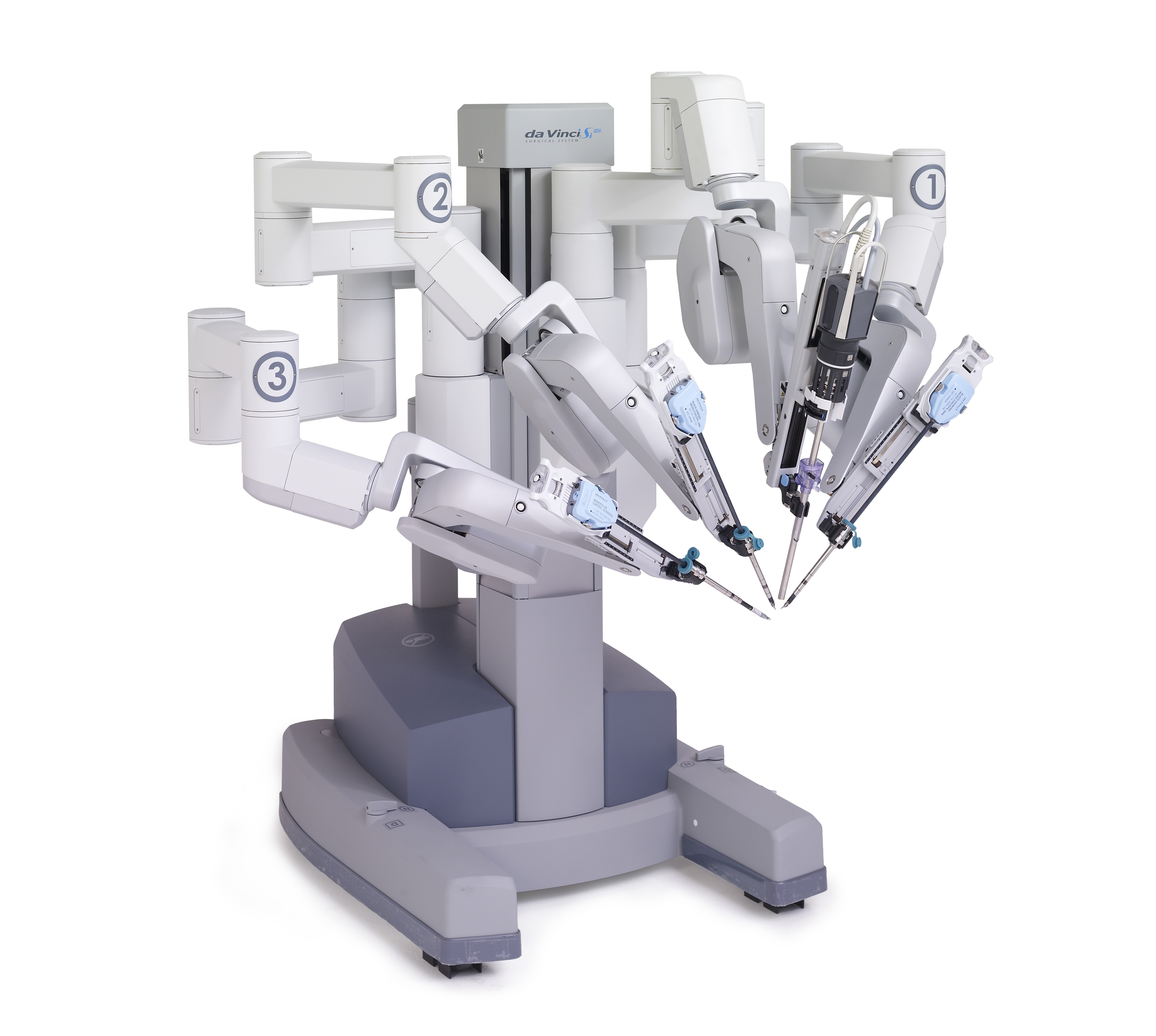
The most common surgical treatment is an ovarian cystectomy. An ovarian cystectomy can be performed utilizing robotic technology.   The da Vinci Robot Surgical System is the tool most popularly used by surgeons.  Doctors at Flushing Hospital Medical Center operate using this state-of-the-art equipment because of the many benefits it can offer.

The advantages of operating with the robot include a reduced risk of infection, shorter hospital stays and minimal pain. The dexterity of the machine also allows far greater control and precision than the human wrist.

To learn more about the da Vinci robotic ovarian cystectomy or to schedule a consultation with a doctor at Flushing Hospital Medical Center, please call 718-670-8994.


All content of this newsletter is intended for general information purposes only and is not intended or implied to be a substitute for professional medical advice, diagnosis or treatment. Please consult a medical professional before adopting any of the suggestions on this page. You must never disregard professional medical advice or delay seeking medical treatment based upon any content of this newsletter. PROMPTLY CONSULT YOUR PHYSICIAN OR CALL 911 IF YOU BELIEVE YOU HAVE A MEDICAL EMERGENCY.


Understanding Hysterectomies

woman with doctor 486487591 (1)A hysterectomy is a surgical procedure that involves removing a woman’s uterus.   It is a common operation, in fact, the CDC reports that  over 10% of women between the ages of 40-44 have had a hysterectomy and approximately 600,000 procedures are performed annually.

Hysterectomies are used to treat several health conditions, some of which include:

  • Uterine fibroids
  • Gynecologic cancer
  • Endometriosis
  • Uterine prolapse
  • Chronic pelvic pain
  • Adenomyosis

Hysterectomies can be performed utilizing several techniques.  Based on the course of treatment that is best for you, your surgeon may recommend one of the following options:

  • Abdominal hysterectomy
  • Laparoscopic-assisted abdominal hysterectomy
  • Vaginal hysterectomy
  • Laparoscopic-assisted vaginal hysterectomy
  • Robotic- assisted hysterectomy

Procedures may require the complete or partial removal of the uterus.  If a complete removal is required, a total hysterectomy may be performed. In the case where the uterus and surrounding structures such as the fallopian tubes and ovaries need to be removed, a radical hysterectomy is often recommended. Treatment involving the partial removal of the uterus may include a supracervical hysterectomy.

As with all surgical procedures there are risks to consider.  However some techniques can offer patients a reduced risk of complications such as pain and bleeding. Laparoscopic and robotic assisted hysterectomies may result in less pain, minimal bleeding, a lower risk in infection and shorter hospital stays.

Flushing Hospital Medical Center’s Department of Obstetrics and Gynecology has a full program to provide total health care to women. Our highly trained specialists utilize the latest techniques and equipment, such as ultrasonography, color Doppler, laser, laparoscopic and robotic surgery, in the diagnoses and treatment of female disorders. Robotic surgeons at Flushing Hospital are board certified or board approved and have performed countless procedures resulting in high rates of success.


Gynecological procedures performed robotically by Flushing Hospital’s team of surgeons include hysterectomy, ovarian cystectomy, salpingo-oophorectomy, sacrocolpopexy, tubal reanastomosis, dermoid cystectomy and more.

For more information or to make an appointment please call, 718-670-8994

All content of this newsletter is intended for general information purposes only and is not intended or implied to be a substitute for professional medical advice, diagnosis or treatment. Please consult a medical professional before adopting any of the suggestions on this page. You must never disregard professional medical advice or delay seeking medical treatment based upon any content of this newsletter. PROMPTLY CONSULT YOUR PHYSICIAN OR CALL 911 IF YOU BELIEVE YOU HAVE A MEDICAL EMERGENCY.
Facts About Robotic Surgery

You hear the words “robotic surgery” and your natural reaction might be one of fear. After all, surgery under any circumstance is intimidating; adding a robot into the mix could only increase your anxiety. While your concerns are justified, Flushing Hospital would like to share the following five facts about robotic surgery to put your fears to rest.Davinci Image

  1. Robotic surgery is always performed by an experienced surgeon.
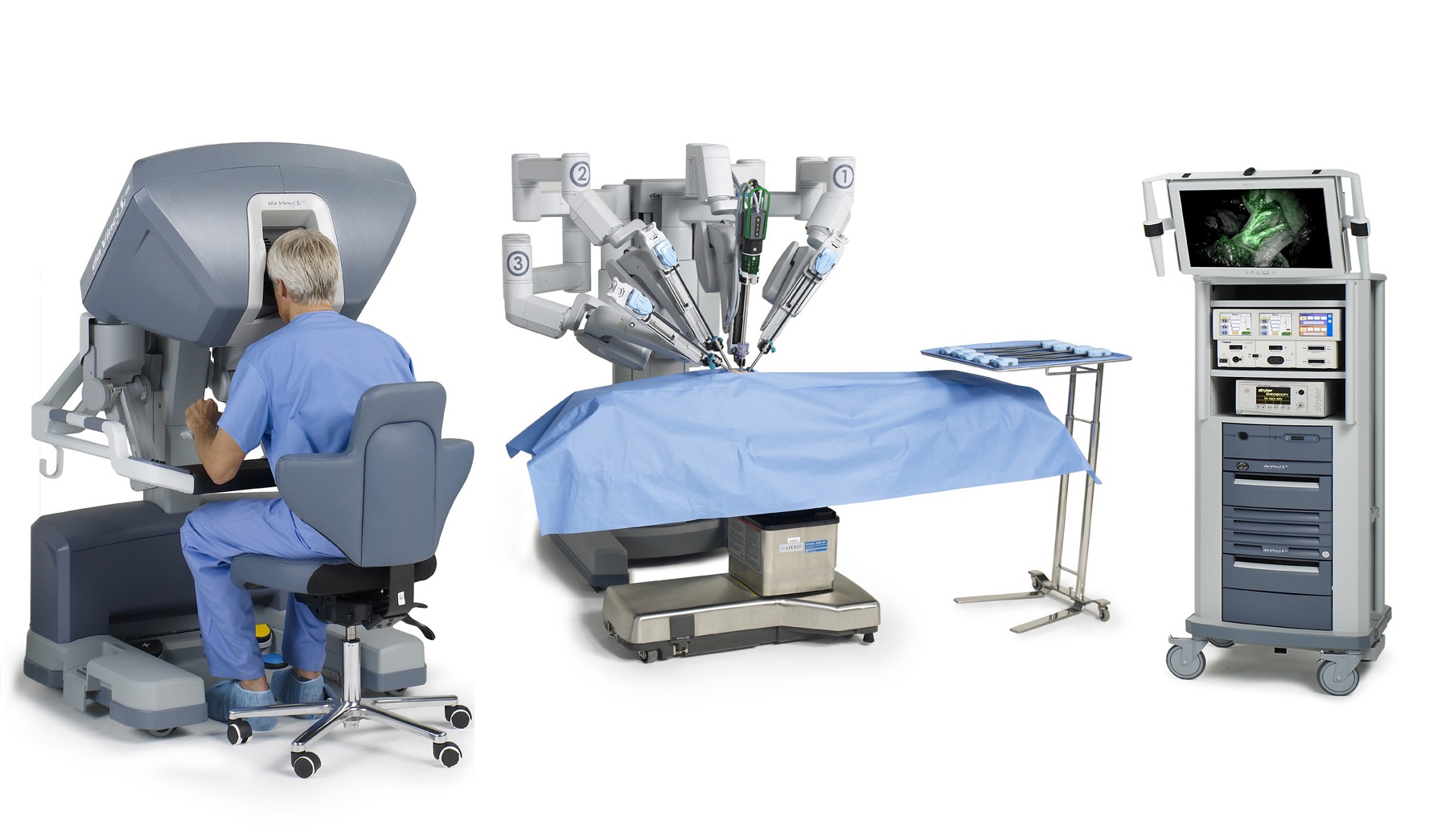
    Using the state-of-the art da Vinci robotic surgical system, specially trained surgeons at Flushing Hospital are in total control of small, precise, minimally invasive tools. This system offers the surgeon more exact movements and a far wider range of motion within the small surgical site.
  2. Robotic surgery means smaller and fewer scars.
    Since surgeons only need two or three small incisions to successfully complete surgery with the da Vinci Si surgical system, larger, more invasive incisions are now a thing of the past. These small incisions heal much more quickly and resolve with far less scarring.
  3. Robotic surgery results in less pain or risk of infection.
    Minimally invasive surgery results in smaller incisions and much less pain during healing and recovery. Also, since the surgical site is smaller, the risk of infection is reduced dramatically.
  4. Robotic surgery results in a much faster recovery period.
    Due to the smaller incisions, patients tend to recover much more quickly from robotic surgery. In many cases patients require minimal hospital stays and are able to return to normal activities within days of the procedure.
  5. Robotic surgery treats a wide variety conditions.
    At Flushing Hospital Medical Center, many of our surgical specialists have been trained to expertly complete a wide range of procedures in the fields of gynecology, urology, bariatric surgery, and general surgery.

For more information about the da Vinci surgical system at Flushing Hospital, please call 718-670-3135.

All content of this newsletter is intended for general information purposes only and is not intended or implied to be a substitute for professional medical advice, diagnosis or treatment. Please consult a medical professional before adopting any of the suggestions on this page. You must never disregard professional medical advice or delay seeking medical treatment based upon any content of this newsletter. PROMPTLY CONSULT YOUR PHYSICIAN OR CALL 911 IF YOU BELIEVE YOU HAVE A MEDICAL EMERGENCY.