How to Prevent the Flu

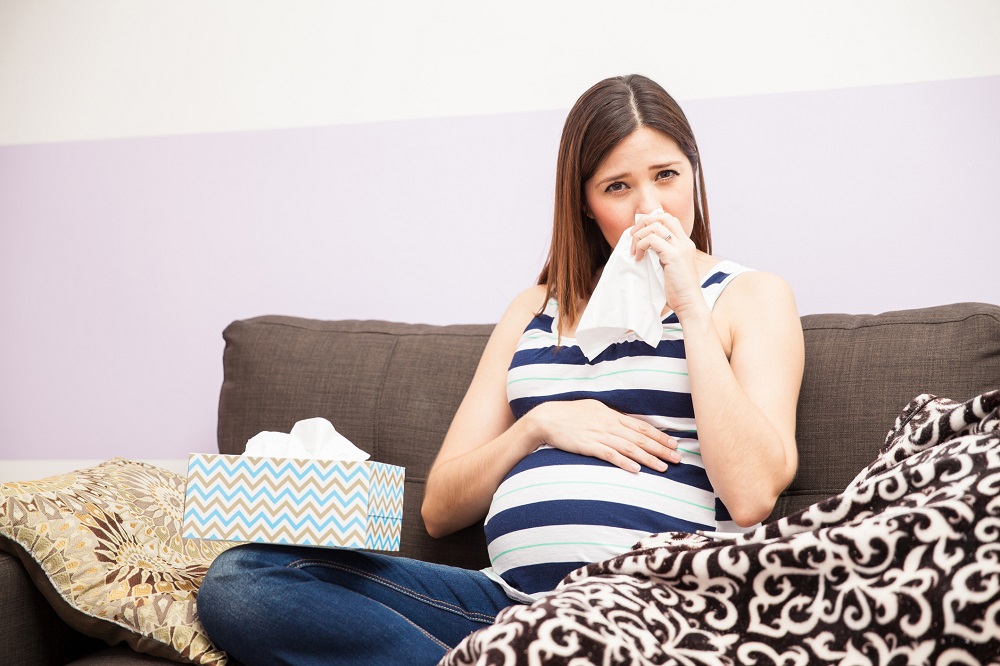
It is nearing the middle of October and it is also the beginning of flu season. None of us want to catch the flu so it is a good idea to take some preventative measures that can help us to stay healthy.
Here are a few of the ways we can prevent getting the flu:
• Everyone who is six months of age and older should get the vaccine every year
• Avoid close contact with people who are sick.
• Wash your hands frequently with soap and water.
• Keep a hand sanitizer handy for the times soap and water are not available.
• Avoid touching your hands to your eyes, nose and mouth.
• Whenever possible, disinfect surfaces that are frequently used by others such as tables and chairs.
• Clean your drinking glasses and dishes in hot water and with soap
• Keep your immune system healthy by eating a balanced diet, exercising  regularly and getting enough sleep every night
• Tobacco can suppress the immune system, so it is highly recommended to quit smoking.
If you would like to schedule an appointment with a physician at Flushing Hospital to discuss the flu vaccine and other ways to stay healthy, please call 718-670-5486.

All content of this newsletter is intended for general information purposes only and is not intended or implied to be a substitute for professional medical advice, diagnosis or treatment. Please consult a medical professional before adopting any of the suggestions on this page. You must never disregard professional medical advice or delay seeking medical treatment based upon any content of this newsletter. PROMPTLY CONSULT YOUR PHYSICIAN OR CALL 911 IF YOU BELIEVE YOU HAVE A MEDICAL EMERGENCY.
The Flu Vaccine

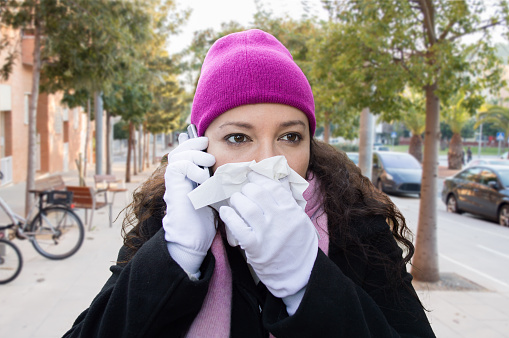
Influenza – the unwelcome guest that comes calling on us every year – often with many very unpleasant consequences. Historically, widespread flu epidemics have had devastating effects on large portions of the earth’s population. It wasn’t until the 1930’s that two scientists, Dr. Jonas Salk and Dr. Thomas Francis developed the first vaccine to prevent the flu virus. The vaccine was given to American soldiers during World War II and was found to be useful in preventing the widespread outbreaks that had been common before the vaccines were used. In the years after the war, the vaccine was made available to the general public and has greatly reduced the widespread epidemics that were so common before. Research has helped to develop better vaccines with fewer side effects and also better suited to combat strains of the influenza virus that keep changing every year. Over the past 60 years millions of people have been given the flu vaccine each year. There is still a debate going on as to whether the flu vaccine is safe. Many people still are hesitant about getting the vaccine at all. The flu still comes calling every year, and many people are still being affected. However there are much fewer catastrophic epidemics throughout the world, and symptoms appear to be lessened, thanks in large part to the work done by Dr Salk and Dr. Francis in the early part of the last century.

All content of this newsletter is intended for general information purposes only and is not intended or implied to be a substitute for professional medical advice, diagnosis or treatment. Please consult a medical professional before adopting any of the suggestions on this page. You must never disregard professional medical advice or delay seeking medical treatment based upon any content of this newsletter. PROMPTLY CONSULT YOUR PHYSICIAN OR CALL 911 IF YOU BELIEVE YOU HAVE A MEDICAL EMERGENCY.

How Do You Keep Your Immune System Strong?

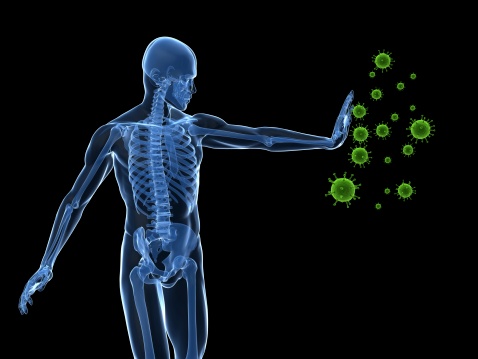
Our immune system protects our bodies from illness and infection. While having a strong immune system is important all year long, there are times of the year that its effectiveness is tested more than other.

body defense

With cold a flu season upon us, Flushing Hospital wants to offer some day-to-day lifestyle tips to avoid weakening your immune system and keep you healthy.

STRESS
Prolonged periods of intense stress can affect the immune system. Stress causes the brain to boost the production of hormones that weaken the function of the infection-fighting T cells. If you are experiencing high levels of stress, try to adopt stress-relieving activities to boost your immune system.

POOR SLEEP
Poor sleep is strongly associated with a weak immune system as it reduces the number of killer cells needed to fight germs. Recent research has suggested that the amount of flu-fighting antibodies produced was cut in half in those who were sleep deprived.

ALCOHOL
Excessive intake of alcohol may reduce the immune system’s response to invading pathogens because alcohol contains ingredients that impair lung functionality, making us more prone to viral or bacterial infections.

POOR DIET
Excessive consumption of refined sugars and highly processed food containing pesticides, chemical additives and preservatives can weaken the immune system. In addition, obesity can lead to a weakened immune system as it affects the ability of white blood cells to multiply, produce antibodies and prevent inflammation.

By adopting some healthy lifestyle practices and avoiding certain others, we can give our bodies the best chance of staving of illness this cold and flu season.

All content of this newsletter is intended for general information purposes only and is not intended or implied to be a substitute for professional medical advice, diagnosis or treatment. Please consult a medical professional before adopting any of the suggestions on this page. You must never disregard professional medical advice or delay seeking medical treatment based upon any content of this newsletter. PROMPTLY CONSULT YOUR PHYSICIAN OR CALL 911 IF YOU BELIEVE YOU HAVE A MEDICAL EMERGENCY.

Ahhhhhchew! Cold, Flu or Seasonal Allergies?

We have sprung into spring!  Flowers and trees are beginning to bud and we should be feeling great, but some of us aren’t.  If you are one of these folks, you may be experiencing seasonal allergies, or are you?

Allergies, colds and the flu are often hard to tell apart because they share many similar symptoms. It is knowing the differences in the symptoms that will help you when seeking treatment.

Colds and the flu are caused by different viruses and the symptoms associated with the flu are often more severe.  Allergies are different because they are not caused by a virus.  It is your body’s immune system reacting to an allergen that you are allergic to such as pollen or pet dander.

This chart can help you determine whether you have seasonal allergies, a cold or the flu:

Common Cold Influenza Seasonal Allergies
Stuffy or runny nose Yes Sometimes Runny, itchy nose
Fever Sometimes; mild if present Usually, often 100 degrees F (38.8 degrees C) or higher. No
Body Aches Mild Mild to severe No
Chills Sometimes Yes, sometimes intense No
Sore Throat Often Sometimes Itchy or tickling throat
Fatigue, Weakness Sometimes Usually, can last a couple of weeks after recovery Rarely
Feeling extremely exhausted No Yes No
Headache Sometimes Usually, sometimes severe Sinus pressure or stuffiness
Sinus drainage Usually Rarely Often
Diarrhea, Vomiting No Sometimes No
Cough Mild to moderate Usually, can become severe Dry or with minimal mucus
Watering eyes Sometimes Sometimes, with fever Itchy swollen, burning, and/or watery eyes
Ears Ear congestion No Ear congestion or popping
Sneezing Usually Sometimes Yes
Timing Anytime throughout the year Most cases occur between October and May. Anytime, but symptoms are often more intense in the fall and spring seasons.

If you are experiencing some or all of the symptoms listed above and would like to make an appointment to see a physician, you can call Flushing Hospital Medical Center’s Ambulatory Care Center at 718-670-5486.

All content of this newsletter is intended for general information purposes only and is not intended or implied to be a substitute for professional medical advice, diagnosis or treatment. Please consult a medical professional before adopting any of the suggestions on this page. You must never disregard professional medical advice or delay seeking medical treatment based upon any content of this newsletter. PROMPTLY CONSULT YOUR PHYSICIAN OR CALL 911 IF YOU BELIEVE YOU HAVE A MEDICAL EMERGENCY.