What are the Risk Factors and Symptoms of Childhood Asthma?

Did you know that asthma is the most common, chronic,childhood disease?  It’s more commonly found in children who live in urban areas and more prevalent in African Americans than Caucasians, and in males more than females.

Asthma often runs in families. Children who have brothers, sisters or parents with asthma often will have asthma themselves. Asthma can also be caused by certain types of allergens.

Risk factors for childhood asthma include:asthma-childhood-200x300
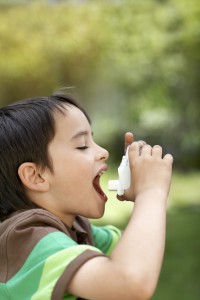
• Allergies – environmental or food
• Family history
• Frequent respiratory infections
• Secondhand smoke
• Living in an urban versus suburban area
• African American
• Low birth weight baby

Signs and symptoms:

• Rapid breathing
• Dark circles under the eyes
• Shortness of breath
• Wheezing
• Feeling tired or weak
• Chest pain on exertion

The Ambulatory Care Center at Flushing Hospital Medical Center offers a full range of pediatric allergy and asthma services. Please call 718-670-5486 for an appointment.

All content of this newsletter is intended for general information purposes only and is not intended or implied to be a substitute for professional medical advice, diagnosis or treatment. Please consult a medical professional before adopting any of the suggestions on this page. You must never disregard professional medical advice or delay seeking medical treatment based upon any content of this newsletter. PROMPTLY CONSULT YOUR PHYSICIAN OR CALL 911 IF YOU BELIEVE YOU HAVE A MEDICAL EMERGENCY.

Obesity and Arthritis: What is the Relationship?

200249480-001When asked what health problems are directly attributed to obesity, the most common answers are hypertension, heart health, and diabetes, but obesity has a large affect on another condition – arthritis.

May is Arthritis Awareness Month, and according to the Centers for Disease Control and Prevention (CDC), one out of five Americans has been diagnosed with arthritis, but that number nearly doubles among those considered obese. Obesity not only raises the risk of getting a certain type of arthritis; but for those who already have arthritis, obesity makes the condition worse.

Here’s a look at what fat does to arthritis, as well as some tips to put you on the road to losing weight.

Osteoarthritis (OA) is the most common type of arthritis, affecting approximately 27 million Americans. It is characterized by the breakdown of cartilage – the flexible but tough connective tissue that covers the ends of bones at joints. Age, injury, heredity and lifestyle factors all affect the risk of OA.

OA has a logical link to obesity: The more weight that’s placed on a joint, the more stressed the joint becomes, and the more likely it will wear down and be damaged.
Every pound of excess weight exerts about 4 pounds of extra pressure on the knees. So a person who is 10 pounds overweight has 40 pounds of extra pressure on his knees. If a person is 100 pounds overweight, that is 400 pounds of extra pressure on the knees, causing those who are overweight to be at greater risk of developing arthritis in the first place. Once a person has arthritis, the additional weight causes even more problems on already damaged joints.

Flushing Hospital Medical Center offers nutritional clinics to help those looking to loose weight and avoid developing osteoarthritis, as well as full range of barriatric surgery options performed by doctors using the minimally invasive da Vinci robotic system. Barriatric surgery performed using the robot allows for faster healing time, less scarring, and shorter hospital stays. For more information call 718-670-8908.

For more health and lifestyle tips, please “like” us on Facebook www.facebook.com/flushinghospital and follow us on twitter @FHMC_NYC


All content of this newsletter is intended for general information purposes only and is not intended or implied to be a substitute for professional medical advice, diagnosis or treatment. Please consult a medical professional before adopting any of the suggestions on this page. You must never disregard professional medical advice or delay seeking medical treatment based upon any content of this newsletter. PROMPTLY CONSULT YOUR PHYSICIAN OR CALL 911 IF YOU BELIEVE YOU HAVE A MEDICAL EMERGENCY.
Can You Guess How Far A Sneeze Travels?

sneeze480536339

The spray from a sneeze can travel distances of up to five feet and speeds of 100 miles per hour.  To prevent the spread of germs always cover your nose when you sneeze.

All content of this newsletter is intended for general information purposes only and is not intended or implied to be a substitute for professional medical advice, diagnosis or treatment. Please consult a medical professional before adopting any of the suggestions on this page. You must never disregard professional medical advice or delay seeking medical treatment based upon any content of this newsletter. PROMPTLY CONSULT YOUR PHYSICIAN OR CALL 911 IF YOU BELIEVE YOU HAVE A MEDICAL EMERGENCY.
The Surprising Benefits of Hot Water and Lemon

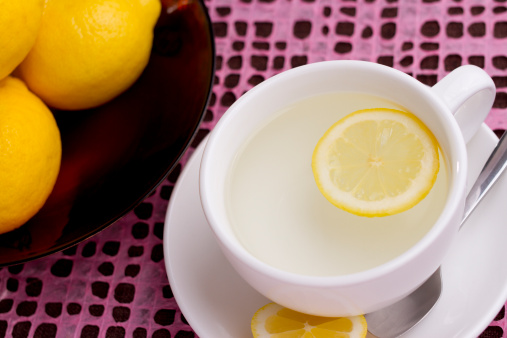
ThinkstockPhotos-153630948Have you tried hot water and lemon? Nutritionists and celebrities alike are raving about the benefits of drinking a single glass of hot lemon water 15-30 minutes before breakfast.  Use the juice of half a lemon per 8 oz. cup, or adjust the lemon for your personal taste.  It will not only help you stay hydrated, but it may also improve digestion and relieve symptoms of indigestion.

Additional benefits to drinking hot water and lemon:

. Gives your immune system a boost – Lemons are packed with nutrients including vitamin C, B-complex vitamins, calcium, iron, magnesium, potassium, and fiber. The vitamin C in lemons can help alleviate stress and fight viral infections and sore throats. Potassium is beneficial to heart health, as well as brain and nerve function.

. Reduces inflammation and cleanses the system – Drinking lemon water regularly decreases acidity in your body and removes uric acid from joints. It enhances enzyme function, stimulating your liver and activating bile flow, which helps emulsify and flush out fat soluble toxins.

. Keeps your skin blemish-free — The antioxidants in lemon juice help decrease blemishes and wrinkles.

. Helps you lose weight — Lemons contain pectin fiber, which assists in fighting hunger cravings.

A potential drawback is that the citric acid in lemon juice could erode the enamel on your teeth. To prevent damage make sure the water is lukewarm, not steaming hot. You can also drink through a straw so it bypasses your teeth, and rinse your mouth with water immediately after drinking. Wait 60 minutes after drinking to brush your teeth.

There are myriad benefits to drinking more water. Adding a cup of hot water and lemon to your morning routine will help you do that.

For more health and lifestyle tips follow us on Twitter @FHMC_NYC and on Facebook at www.facebook.com/Flushing Hospital

All content of this newsletter is intended for general information purposes only and is not intended or implied to be a substitute for professional medical advice, diagnosis or treatment. Please consult a medical professional before adopting any of the suggestions on this page. You must never disregard professional medical advice or delay seeking medical treatment based upon any content of this newsletter. PROMPTLY CONSULT YOUR PHYSICIAN OR CALL 911 IF YOU BELIEVE YOU HAVE A MEDICAL EMERGENCY.

April is IBS Awareness Month: Probiotics and Prebiotics

You may have heard a lot about probiotics recently, but what exactly are they? Probiotics are live organisms, specifically beneficial bacteria, that live in your intestines and help process indigestible fibers and keep bowel function regular. They produce a number of vitamins, including B6, B12, and K2, and aid in the absorption of minerals such as iron, calcium, and magnesium.

ThinkstockPhotos-78742339

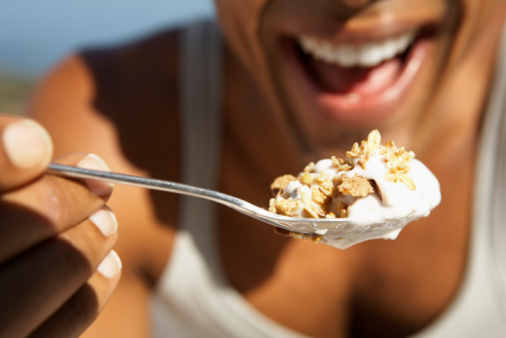
Probiotics are found in yogurt, kefir, milk, and in fermented foods like sour pickles, sauerkraut, kimchee and miso. They can also be taken as over-the-counter supplements.

Although more research is needed, there’s evidence that probiotics may:

.Treat diarrhea, especially after taking certain antibiotics

.Prevent and treat vaginal yeast infections and urinary tract infections

.Treat irritable bowel syndrome

Speed treatment of certain intestinal infections, like Salmonella and E. coli

.Prevent or reduce the severity of colds and flu

.Calm your immune system if you’re prone to allergies or eczema

.Help with anxiety, depression and other mood disorders

So what’s the deal with prebiotics?

Prebiotics are non-digestible carbohydrates that act as food for probiotics. Prebiotics are found in whole grains, bananas, onions, leeks, garlic, honey, asparagus, soybeans and artichokes. When probiotics and prebiotics are combined they form an interdependent, beneficial relationship. One is the live bacteria and the other is the fuel needed to thrive.

Side effects are rare, and most healthy adults can safely add foods, or supplements, that contain prebiotics and probiotics to their diets. If you’re considering taking supplements, check with your doctor to be sure that they’re right for you.

For more health, fitness and lifestyle tips, follow us on Twitter @FHMC_NYC, and like us on Facebook www.facebook.com/FlushingHospital

All content of this newsletter is intended for general information purposes only and is not intended or implied to be a substitute for professional medical advice, diagnosis or treatment. Please consult a medical professional before adopting any of the suggestions on this page. You must never disregard professional medical advice or delay seeking medical treatment based upon any content of this newsletter. PROMPTLY CONSULT YOUR PHYSICIAN OR CALL 911 IF YOU BELIEVE YOU HAVE A MEDICAL EMERGENCY.

Your Child and the Battle Against Junk Food

187539116 kid and junk food

Childhood obesity has become a common health concern for parents. It is estimated that one in every five children is overweight.  An obese child is considered well above the normal weight for their age and height. One of the contributing factors in obesity is unhealthy eating habits. Parents should introduce healthy eating to children as early as possible.  For some this may be easier said than done, because children love junk food.

What makes junk food enticing to children is sugar, high sodium, the taste of fat-commonly hydrogenated oils, in addition to bright, colorful packaging, fun shapes and unnatural food coloring. Parents can win the fight against junk food by making healthy food more appealing to children’s senses.

Here are a few tips on converting kid favorites into healthier choices:

  • Hot dogs- instead of regular beef and pork hot dogs, purchase low sodium turkey franks and ones without added nitrates. Decorate the hot dog with colorful vegetables such as cucumbers, carrots, red and yellow peppers.
  • Salty cheese snacks- make plain cheese fun by cutting it into quirky shapes or adding bright and sweet fruit. You can make cheese and fruit shish kebabs.
  • French fries- opt for baked sweet potato fries and sprinkle lightly with sea salt. Sweet potatoes are high in vitamin C, B6, and D. They are a great source of Iron, magnesium and potassium.
  • Ice cream- frozen yogurt is just as tasty and contains less sugar and fat. Adding toppings such as fruit and granola is a plus.
  • Popsicles- freeze real fruit juices with bits of fruit into bars.
  • Potato chips- kale chips are rich in vitamin A and easy to make at home. Make them delicious by adding herbs and spices.
  • Candy- healthy alternatives to candy include raisins or strawberries and bananas lightly drizzled with chocolate.
  • Milk shakes- smoothies made with fresh fruit and low fat yogurt are a healthier option.
  • Meat lasagna- load lasagna with vegetables instead of meat, choose low fat cheese and whole-grain pasta.
  • Macaroni and cheese-use low fat cheese and Greek yogurt to make it creamy. Add spinach to make it nutritious.

The battle against junk food is not lost. In addition to healthy eating, keep your family physically active and make an appointment with your family doctor to ensure that everyone is at their recommended weight.

All content of this newsletter is intended for general information purposes only and is not intended or implied to be a substitute for professional medical advice, diagnosis or treatment. Please consult a medical professional before adopting any of the suggestions on this page. You must never disregard professional medical advice or delay seeking medical treatment based upon any content of this newsletter. PROMPTLY CONSULT YOUR PHYSICIAN OR CALL 911 IF YOU BELIEVE YOU HAVE A MEDICAL EMERGENCY.

What is White Coat Hypertension?

WhiteCoatDoes the thought of having a physician take your blood pressure make you nervous? Anxiety over going to the doctor’s office can lead to an elevation in your blood pressure; a condition known as “white coat hypertension.”

White coat hypertension is a real condition that occurs when blood pressure readings at your doctor’s office are higher than they are in other settings, such as your home. The term white coat refers to the traditional white lab coat health care professionals wear in clinical settings.

The underlying cause of white coat hypertension is believed to be tension and stress associated with being examined by a physician. Not much attention was given to this condition since the blood pressure of patients returned to normal levels when taken in the home environment, where they feel more relaxed. Recent studies however have proven that people with white coat hypertension are twice as likely to develop true hypertension within a decade, compared to people with normal blood pressure levels.

How do you know if you have white coat hypertension and what should you do if you have it? The first step is for your doctor to have you monitor your blood pressure at home to see if it returns to normal levels. If it does, together, you and your doctor can decide whether to treat it or not. On one hand, if your blood pressure is normal during the rest of the day, taking blood pressure medications can lead to hypotension (low blood pressure). On the other hand, people with white coat hypertension might have elevated blood pressure during other stressful parts of the day. Many factors, such as age, family history, and the existence of other conditions will help the doctor make the right decision for you.

There are things that you can do to reduce your anxiety and stress before having your blood pressure checked by a health care professional. First, avoid drinking excessive amounts of water before checking your blood pressure because water can increase your reading. Also, do not participate in any physical activity before having your blood pressure taken. Excessive physical exertion will raise blood pressure. Lastly, avoid stressful situations and remain calm leading up to and during your visit to the doctor’s office.

If you think you have hypertension, make an appointment with your doctor immediately. If you do not have a primary care physician, call Flushing Hospital Medical Center’s Ambulatory Care Center at 178-670-5486 to schedule an appointment.

Join us on Facebook.com/FlushingHospital or follow us on Twitter @FHMC_NYC for more tips on fitness and health.


All content of this newsletter is intended for general information purposes only and is not intended or implied to be a substitute for professional medical advice, diagnosis or treatment. Please consult a medical professional before adopting any of the suggestions on this page. You must never disregard professional medical advice or delay seeking medical treatment based upon any content of this newsletter. PROMPTLY CONSULT YOUR PHYSICIAN OR CALL 911 IF YOU BELIEVE YOU HAVE A MEDICAL EMERGENCY.

Obesity and Your Teen’s Self Esteem

Feet on a scale

Obesity among teenagers is a growing problem in the United States. It’s estimated that 30% of teenagers are overweight and another 15% are obese.

Many parents and doctors focus on the physical effects of obesity, but what about the psychological and emotional ramifications? Obesity can lead to heart disease, asthma, diabetes, and hypertension, but its depression, low self esteem, anxiety and poor body image that should be the greater concern for most.

Recent studies have concluded that obese teens have considerably lower self esteem than their non-obese peers. The difference in the two groups is most evident among 14 year olds, which also happens to be a critical time for teens because it is when they develop their sense of self worth. It is also an age where peers can be most cruel. Teasing, taunting, and poor treatment from other kids can also contribute to depression and other psychological issues.

Teens with low self-esteem often feel lonely, nervous, or are generally sad. They are also more inclined to experiment with cigarettes, alcohol, and drugs. They often become depressed, which causes them to withdraw from social activities with friends and family and lose interest in activities they once enjoyed.

There are a variety of factors that have contributed to a rise in obesity among teens. While genetics play a role for some, poor diet and a sedentary lifestyle are often the cause for most. Teens today consume too much junk food and sugary drinks and don’t exercise as much as in previous generations. Temptations from television, video games, and computers are often cited as the reasons for a decrease in physical activity.

Professionals suggest that parents of obese teens engage their children in an open dialogue about the issue. Together, parents and teens can work on a plan that is attainable. Efforts to fix the problem should focus on lifestyle issues rather than a calorie count because attempting to impose a strict diet could contribute to the teen’s poor self esteem. Incorporate the assistance of a medical professional, but allow the teen to take charge during visits in an effort to build confidence.  Parents should encourage and participate in improving diet and increasing activity as well.

Flushing Hospital Medical Center has a variety of services to help teens facing this issue, including nutritional counseling and adolescent mental health services. Speak to your child’s pediatrician or make an appointment at the Pediatric Ambulatory Care Center at 718-670-5486 to find the best treatment options for your teen.

All content of this newsletter is intended for general information purposes only and is not intended or implied to be a substitute for professional medical advice, diagnosis or treatment. Please consult a medical professional before adopting any of the suggestions on this page. You must never disregard professional medical advice or delay seeking medical treatment based upon any content of this newsletter. PROMPTLY CONSULT YOUR PHYSICIAN OR CALL 911 IF YOU BELIEVE YOU HAVE A MEDICAL EMERGENCY.

Toddlers and Tantrums

Your child is throwing a temper tantrum. It’s every parent’s nightmare, especially if it happens in a public place like a store or restaurant. What is the best way to deal with the situation?

temper-tantrum22

Tantrums are most common when your child is a toddler, around ages two to three. During this time your child is becoming independent and developing ideas on what they want and need.  Most toddlers aren’t able to express these feelings with words and they haven’t yet learned to share. They test rules over and over by saying “No!” and “Mine!” to see how parents will react.

It is often easier to prevent tantrums than to deal with them after they get going. Try these tips:


  • Stick to a daily routine that balances fun activities with enough rest and healthful food.
  • Anticipate when your child will be disappointed, and give your child a choice in small matters. (“We won’t be buying cookies, but you can help me pick out some fruit for later.”)
  • Praise your child when he or she shows self-control and expresses feelings with words.

If you can’t prevent a tantrum, here are some tips for dealing with one:

  • Direct your child’s attention to something else. (“Wow, look at that fire engine!”)
  • Say what you expect from your child and have confidence that your child will behave.
  • Remain calm. Resist overreacting to tantrums, and try to keep your sense of humor. You are a role model for your child.
  • Holding your child during a tantrum may help a younger child feel more secure and calm them down more quickly.
  • Take your child to a quiet place where he or she can calm down safely. Speak softly or play soft music.
  • Some children throw tantrums to seek attention. Try ignoring the tantrum, but pay attention to your child after he or she calms down.

Despite your best efforts, you still might have to deal with a few tantrums. The most important thing you can do is remain calm and wait it out. Do not let your child’s behavior cause you to lose control.

April is National Child Abuse Prevention month. #NCAPM

All content of this newsletter is intended for general information purposes only and is not intended or implied to be a substitute for professional medical advice, diagnosis or treatment. Please consult a medical professional before adopting any of the suggestions on this page. You must never disregard professional medical advice or delay seeking medical treatment based upon any content of this newsletter. PROMPTLY CONSULT YOUR PHYSICIAN OR CALL 911 IF YOU BELIEVE YOU HAVE A MEDICAL EMERGENCY.

Oatmeal Chocolate Chip Lactation Cookies

Are you a breastfeeding mom who needs a little help boosting your milk supply? Try this healthy, easy and delicious lactation cookie recipe. The addition of Brewer’s Yeast, which contains B vitamins, may help increase milk production. 
Recipe courtesy of Food.com.
download (2)
Ingredients
1 cup butter
1 cup sugar
1 cup firmly packed brown sugar
4 tablespoons water
2 tablespoons flaxseed meal or ground flaxseeds
2 eggs
1 teaspoon vanilla
2 cups flour
1 teaspoon baking soda
1 teaspoon salt
3 cups oats
1 cup chocolate chips
2-4 tablespoons Brewer’s Yeast
Directions:  
  1. Preheat oven to 350°.
  2. Mix the flaxseed meal and water and let sit for 3-5 minutes.
  3. Beat butter, sugar, and brown sugar well.
  4. Add eggs and mix well.
  5. Add flaxseed mix and vanilla, beat well.
  6. Sift together flour, brewers yeast, baking soda, and salt.
  7. Add dry ingredients to butter mix.
  8. Stir in oats and chips.
  9. Scoop onto baking sheet.
  10. Bake for 12 minutes.
  11. Let set for a couple minutes then remove from tray.

Makes 4 1/2 dozen cookies

All content of this newsletter is intended for general information purposes only and is not intended or implied to be a substitute for professional medical advice, diagnosis or treatment. Please consult a medical professional before adopting any of the suggestions on this page. You must never disregard professional medical advice or delay seeking medical treatment based upon any content of this newsletter. PROMPTLY CONSULT YOUR PHYSICIAN OR CALL 911 IF YOU BELIEVE YOU HAVE A MEDICAL EMERGENCY.