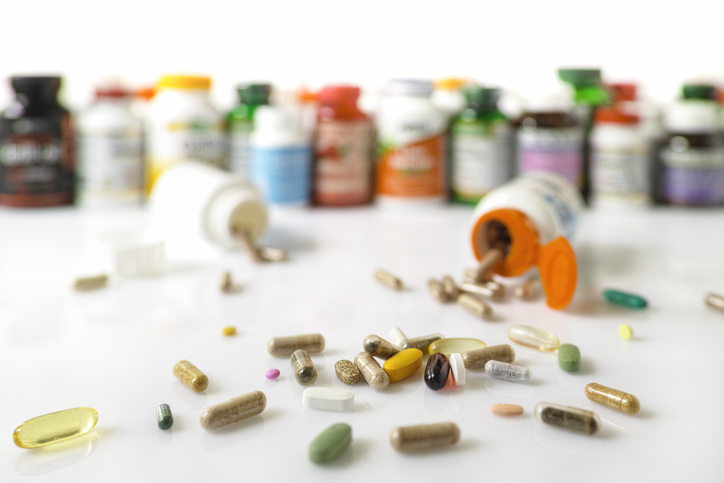
Learn The Facts About Essential Oils

The use of essential oils has been gaining popularity among many for their healing properties, but what are they?

Basically, essential oils are plant extracts. They are made by steaming or pressing various parts of a plant, such as the flowers, bark, leaves or fruit, to capture the compounds that produce fragrance.

The use of essential oils for therapeutic purposes is known as aromatherapy.  Some of the many conditions essential oils are used to treat include:

  • Anxiety
  • Insomnia
  • Depression
  • Nausea
  • Headaches
  • Osteoarthritis

Essential oils can be inhaled using a diffuser or spray or they can be topically applied.  Some of the most popular essential oil scents are lavender, chamomile, eucalyptus, peppermint, tee tree and lemon grass.  When used safely and in combination with conventional medicine, essential oils can have a positive impact on your overall health, but there can be dangers if not used responsibly.

Here are some tips on the proper use of essential oil:

  • Make sure they are diluted, usually with vegetable oils, creams or bath gels. Your solution should only 1% to 5% of the essential oil.
  • Only use them on certain parts of your body. The best places to rub essential oils are your arms and legs. Avoid placing inside your mouth, nose or eyes.
  • Don’t keep essential oils more than three years. Older oils are more likely to be spoiled and may not work as well. They could also irritate your skin or cause an allergic reaction.
  • Stop using them if you develop a rash, little bumps, boils, or just itchy skin and don’t use essential oils on damaged skin as it could cause unwanted skin reactions.
  • Consider age when using essential oils. Young children and the elderly may be more sensitive to them. Don’t use essential oils on a baby unless your pediatrician says it’s okay.
  • Avoid using if you are pregnant. Some essential oils may make their way into the placenta. It’s not clear if this causes any problems, unless taken in toxic amounts, but to be safe, it’s best to avoid if you’re pregnant.
  • Don’t overdo It. More of a good thing is not always good. Even when diluted, an essential oil can cause a bad reaction if you use too much or use it too often.

Speak with your doctor before using essential oils.  Together you can determine if they are right for you.

All content of this newsletter is intended for general information purposes only and is not intended or implied to be a substitute for professional medical advice, diagnosis or treatment. Please consult a medical professional before adopting any of the suggestions on this page. You must never disregard professional medical advice or delay seeking medical treatment based upon any content of this newsletter. PROMPTLY CONSULT YOUR PHYSICIAN OR CALL 911 IF YOU BELIEVE YOU HAVE A MEDICAL EMERGENCY.
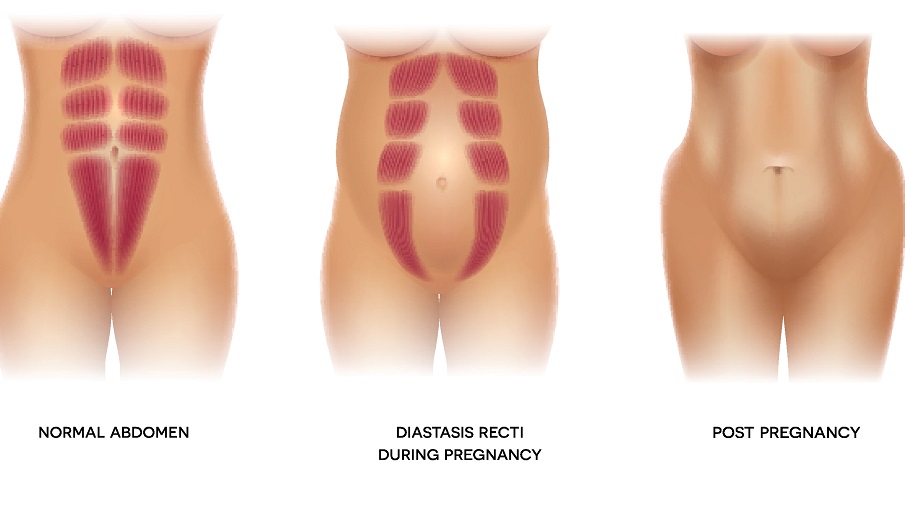
World Suicide Prevention Day

September 10th is designated by the International Association for Suicide Prevention as World Suicide Prevention Day.

The World Health Organization reports that approximately every 40 seconds, someone takes their own life around the world, and in the United States it is one person every 12 minutes. Suicide is the leading cause of death in people between the ages of 15 to 29. Women are more likely to attempt suicide, but men are more likely to be successful. For every successful suicide attempt, there are 25 attempts that are not successful.

Suicide is preventable, and we can all do our part to help those who may be in distress or are having suicidal thoughts.

Here are a few ways you can promote suicide prevention::

  • Help raise awareness
  • Learn the warning signs
  • Know the resources that are available
  • Show compassion for those who need help

It takes a team approach to help people who are thinking of suicide. This includes family, friends, health professionals, clergy, colleagues at work and the community in general. Help is also needed for the families and loved ones of those who are at risk for committing suicide.

If you or someone you know needs help, do not wait to take action. Encourage them to seek the immediate care of a professional. The trained professionals in the Mental Health Department at Flushing Hospital Medical Center can also help. You can make an appointment by calling 718-670-5562. If there is imminent danger, bring the person to the nearest hospital as quickly as possible.

All content of this newsletter is intended for general information purposes only and is not intended or implied to be a substitute for professional medical advice, diagnosis or treatment. Please consult a medical professional before adopting any of the suggestions on this page. You must never disregard professional medical advice or delay seeking medical treatment based upon any content of this newsletter. PROMPTLY CONSULT YOUR PHYSICIAN OR CALL 911 IF YOU BELIEVE YOU HAVE A MEDICAL EMERGENCY.

Fall Activities

With temperatures dropping and crisp air abounding; the fall season is a great time to begin a fitness regime.

Some tips for how to start you fall fitness routine are:

Change it up – The fall season is a great season to spend time with family and friends while taking part in physical activities such as walking through apple and pumpkin patches, corn mazes or trails.

Participate in fun runs – The fall season is when organizations plan their fun runs.  You can participate in a 5K, or a turkey trot.  If you get a group together, it can further motivate you.

Appreciate fall foliage – The fall season brings with it lots of colored leaves.  Local parks usually have trails to walk, run or ride a bike on.

Go to a farmer’s market – Fall brings lots of root vegetables into season.  Take a bike ride and stop at local farmer’s markets to pick up some healthy, tasty fruits and veggies.

Rake the lawn – In the fall season, even chores can be a really good workout. Activities such as raking the leaves can provide great cardio exercise.

As you can see, fall offers several opportunities to stay active and create good habits that will last with you throughout the upcoming holiday season and winter months.

All content of this newsletter is intended for general information purposes only and is not intended or implied to be a substitute for professional medical advice, diagnosis or treatment. Please consult a medical professional before adopting any of the suggestions on this page. You must never disregard professional medical advice or delay seeking medical treatment based upon any content of this newsletter. PROMPTLY CONSULT YOUR PHYSICIAN OR CALL 911 IF YOU BELIEVE YOU HAVE A MEDICAL EMERGENCY.
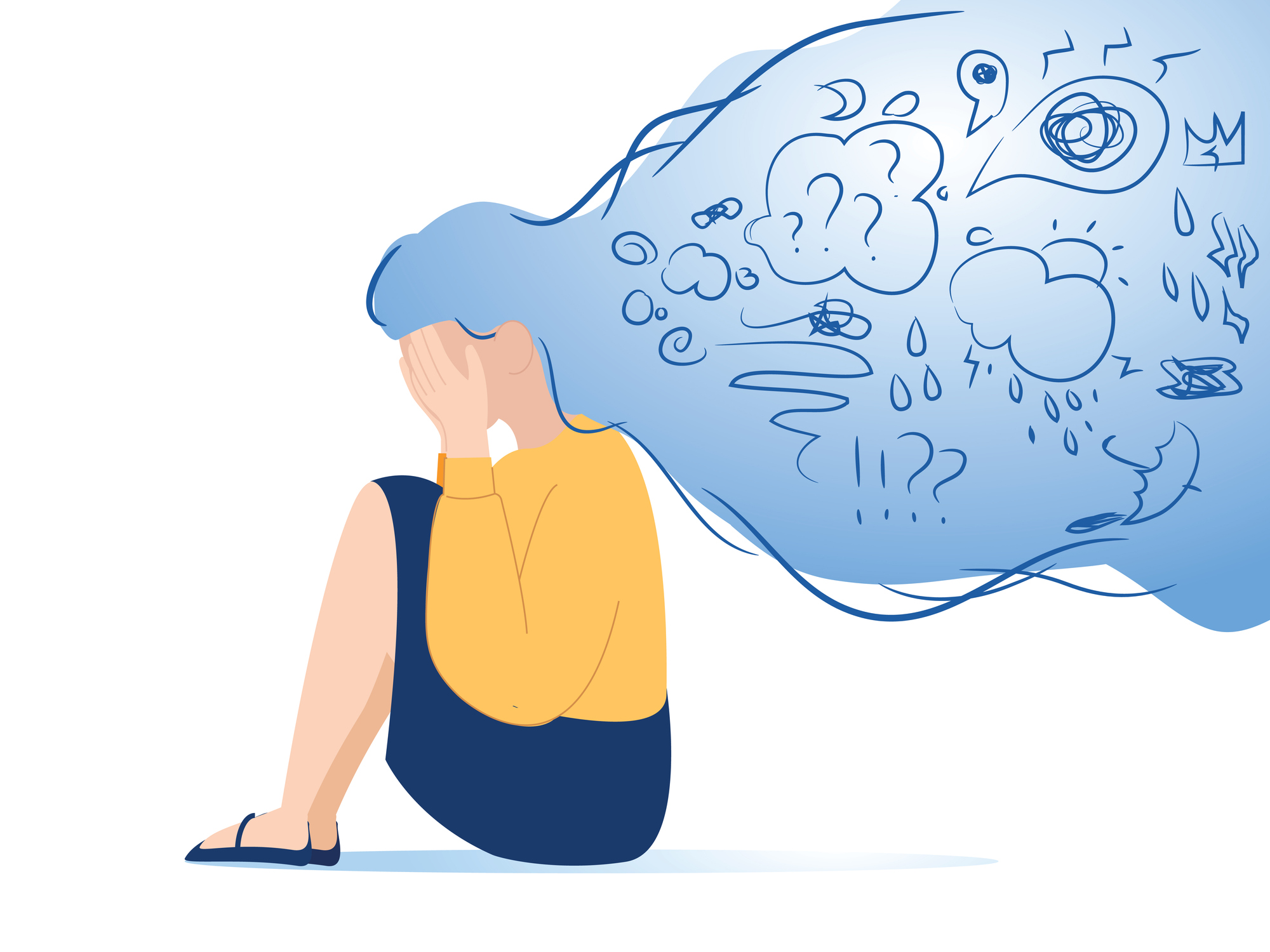
Backpack Awareness Dayy

Backpacks are essential back-to- school items for kids.  They come in different colors, sizes and shapes and most importantly they help children to carry their belongings.  Backpacks are preferred by many in comparison to shoulder bags because when worn correctly, they evenly distribute weight across the body.  However, if worn incorrectly they can cause back pain or injuries and eventually lead to poor posture.

To prevent problems associated with improper backpack use, parents should first purchase a backpack that has the following features:

  • Lightweight
  • Wide and padded straps
  • Multiple compartments
  • Padded back
  • Waist belt
  • Correct size (A backpack should never be wider or longer than your child’s torso).

Practicing these safety tips will further reduce the chance of back pain or injuries caused by backpacks:

  • When packing, heavier items should be placed to the back and center of the backpack. Lighter items should be in front. Sharp objects such as scissors or pencils should be kept away from your child’s back.  Utilizing different compartments can help in distributing weight.
  • Do not over pack. Doctors recommend that children should not carry backpacks that weigh more than 10-15% of their body weight.
  • Ensure that children use both straps. Using a single strap can cause muscle strain.
  • Adjust the straps so that the backpack fits closely to your child’s back and sits two inches above the waist. This ensures comfort and proper weight distribution.
  • Encourage children to use their lockers or desks throughout the day to drop off heavy books.

The Pediatric Orthopedic Society of North America recommends that parents should always look for warning signs that indicate backpacks may be too heavy. If your child struggles to put on and take off the backpack, they are complaining of numbness or tingling or if there are red strap marks on their shoulders -It may be time for you to lighten their load.

All content of this newsletter is intended for general information purposes only and is not intended or implied to be a substitute for professional medical advice, diagnosis or treatment. Please consult a medical professional before adopting any of the suggestions on this page. You must never disregard professional medical advice or delay seeking medical treatment based upon any content of this newsletter. PROMPTLY CONSULT YOUR PHYSICIAN OR CALL 911 IF YOU BELIEVE YOU HAVE A MEDICAL EMERGENCY.

September is National Prostate Cancer Awareness Month

The month of September has been designated as National Prostate Cancer Awareness Month to bring attention to this very common form of cancer that affects so many men. Prostate cancer is the most commonly diagnosed form of cancer in men and is the second leading cancer-related cause of death in men. Although it is not known exactly what causes prostate cancer some risk factors for developing  it are:

• Older age (more than 65% of prostate cancers are diagnosed in men older than 65)
• Race (African-American men are 60% more likely to develop prostate cancer than Caucasian men)
• Family history (having a father or brother with prostate cancer)
• Obesity

The prostate gland is a part of the male reproductive system that produces a fluid that mixes with sperm and other fluids during ejaculation.  It sits just below the bladder and is normally about the size of a walnut.

Prostate cancer, especially in its early stages, may not have any symptoms.  When symptoms are present they may include difficulty starting urination, less force to the stream of urine, dribbling at the end of urination, needing to urinate frequently, urinating frequently at night, pain while urinating, blood in the urine or semen, difficulty starting or maintaining an erection, pain with ejaculation, pain or stiffness in the lower back, hips, pelvis and upper thighs, or unintended weight loss.

When screening is done there are two tests that are available.  The available tests are a digital rectal exam (DRE) and a prostate-specific antigen (PSA) test.  To perform a digital rectal exam your doctor uses a gloved finger, inserted a few inches into your rectum, to check your prostate gland.  A prostate-specific antigen test is a blood test that measures the level of PSA in your blood.  Many men who have prostate cancer have elevated levels of PSA, however PSA can also be elevated for less serious causes such as prostate enlargement or infection. Further testing is needed to diagnose cancer.  Additional tests that your doctor may recommend to diagnose cancer include an ultrasound of the prostate and a biopsy of the prostate.  A biopsy is when a small piece of the prostate is removed to look for abnormal cells.

Treatment of prostate cancer depends on many factors including your age, your overall health and the growth and spread of cancer when it is diagnosed.  Some men who have slow-growing tumors may not need treatment right away and some may never need treatment.  Other types of prostate cancer are aggressive and can quickly spread to other parts of the body making treatment difficult.  Common treatment options include watchful waiting or expectant management (regular testing and checkups to assess for new signs or symptoms), radiation therapy (high-energy x-rays used to kill cancer cells), chemotherapy, surgery (having the prostate gland removed), and hormone therapy.
To schedule an appointment with a physician at Flushing Hospital to discuss a prostate cancer screening, please call 718-670-5486.

All content of this newsletter is intended for general information purposes only and is not intended or implied to be a substitute for professional medical advice, diagnosis or treatment. Please consult a medical professional before adopting any of the suggestions on this page. You must never disregard professional medical advice or delay seeking medical treatment based upon any content of this newsletter. PROMPTLY CONSULT YOUR PHYSICIAN OR CALL 911 IF YOU BELIEVE YOU HAVE A MEDICAL EMERGENCY.

Coping With Substance Abuse and a Crisis

The worldwide crisis of the coronavirus pandemic has affected everyone. The way we work, socialize, and care for our health have all been impacted. For many these factors are cause for tremendous amounts of stress; for others, they are triggers for alcohol and substance abuse.

The stress of living with the pandemic has led to more people leaning on drugs and alcohol abuse to cope with uncertainty and adversity. This is reflected in an increase in sales of alcoholic beverages over the last few months, as well as an increase in the number of patients treated in ERs for drug overdoses.

The rise in alcohol and substance abuse can be partly attributed to an increase in people who were once occasional users of alcohol or illicit drugs, now making it a daily habit, and addicts who relapsed due to challenges they faced during the pandemic.

Challenges encountered by those needing help for addiction include fear of seeking health in treatment centers due to fear of exposure of the coronavirus, limitations affecting in-person support groups or the decline of treatment centers due to a lack of funding.

Although the coronavirus pandemic may pose a few challenges for those seeking help with addiction, there are still many resources available to provide assistance with recovery. The Centers for Disease Control and Prevention (CDC) www.cdc.gov and Substance Abuse and Mental Health Services Administration (SAMHSA) www.samhsa.gov offer helpful information to individuals and families facing mental health and substance abuse disorders on their websites (include links)

Those who are suffering from addiction are also encouraged to seek help from their doctor or any trained alcohol and substance abuse professional.

If you are having substance abuse issues and would like to speak to a trained professional at Flushing Hospital Medical Center, You can schedule an appointment by calling 718-670-4416.

All content of this newsletter is intended for general information purposes only and is not intended or implied to be a substitute for professional medical advice, diagnosis or treatment. Please consult a medical professional before adopting any of the suggestions on this page. You must never disregard professional medical advice or delay seeking medical treatment based upon any content of this newsletter. PROMPTLY CONSULT YOUR PHYSICIAN OR CALL 911 IF YOU BELIEVE YOU HAVE A MEDICAL EMERGENCY.

Flushing Hospital Offers Tips on Successful Aging

In many cases, how we age has as much to do with our mental attitude as it does our physical well-being. September has been designated Healthy Aging Month, an observance designed to focus our attention on the positive aspects of growing older.

Flushing Hospital understands the importance of successful aging and wants to provide you with the following practical tips to help you improve your physical, mental, and social well-being.

  • Try to remain positive in your daily interactions and distance yourself from the negative influences in your life. When you catch yourself complaining, look to change the conversation to something more positive.
  • If you find yourself bored or lonely, do something about it! Pick up the telephone and make plans to meet someone for lunch. You can also try a new hobby, volunteer your time with a local organization or take a class and learn something new.
  • Don’t comply with social norms and act how society expects you to act. Instead, think back to the age when you were at your happiest and be it.  This is not denial; it’s a way of staying positive, which can help you feel better about yourself.
  • A simple act like standing up straight can make you look and feel younger. Look at yourself in the mirror. Are you holding your stomach in, have your shoulders back, chin up? Fix your stance and practice it every day, all day until it is natural. You will look great and feel better.
  • Make an appointment to schedule your annual physical or other health screenings. By doing so, you can address any potential health concerns and end unnecessary worrying about some of your nagging ailments.

Flushing Hospital encourages the older members of our community to use September as the motivation to use these tools and others in their quest for successful aging.

All content of this newsletter is intended for general information purposes only and is not intended or implied to be a substitute for professional medical advice, diagnosis or treatment. Please consult a medical professional before adopting any of the suggestions on this page. You must never disregard professional medical advice or delay seeking medical treatment based upon any content of this newsletter. PROMPTLY CONSULT YOUR PHYSICIAN OR CALL 911 IF YOU BELIEVE YOU HAVE A MEDICAL EMERGENCY.

Remote Learning Tips

With the lazy days of summer coming to an end, it’s time to start the frenzy called “Back to School!”

Each year parents, guardians and students visit their local stores frantically purchasing supplies, clothing and all things school related.  However, the 2020-2021 school terms will be like no other.

For this school year, different models for learning are being offered. One of the models offered is Full Remote Learning.

If you have chosen this model for your student, Flushing Hospital Medical Center would like to share some helpful tips on how to help your student succeed:

  1. Utilize the internet for live video lessons and record lessons. It will be helpful for your student to be able to review the video to reinforce the lesson.
  2. Be sure your student has the tools they need to succeed. Both electronically and physically (such as, computer, scientific calculator, folders, paper, pads, pens, pencils, etc.)
  3. Provide a supportive, quiet and private space for learning where there are little to know distractions.
  4. Remain consistent in your methods and keep to a schedule, otherwise things could become disorganized.
  5. Be supportive of your student. Let them know you are there to help them navigate the unknown.
  6. Stay in touch with your students educators. Keep the lines of communication open between yourself and the educators so that you can be made aware of any assignments that may or may not have been submitted.
  7. Be supportive of your student. Remember, this is new territory for your student.  Try to remain understanding, patient and offer to help as much as you are able to.
  8. Create a cohort of support. Encourage your student to speak regularly with other students from their class, virtually or on the phone, to discuss, collaborate and communicate in real time. They will need to know that their problems are shared and can help each other by exchanging ideas.

Keep in mind that no matter what method or tip you follow, adapting to remote learning is going to be challenging.  We hope these tips will help reduce some of the stress and confusion

All content of this newsletter is intended for general information purposes only and is not intended or implied to be a substitute for professional medical advice, diagnosis or treatment. Please consult a medical professional before adopting any of the suggestions on this page. You must never disregard professional medical advice or delay seeking medical treatment based upon any content of this newsletter. PROMPTLY CONSULT YOUR PHYSICIAN OR CALL 911 IF YOU BELIEVE YOU HAVE A MEDICAL EMERGENCY.

Gestational Diabetes

Gestational diabetes is the term used to describe a high level of blood sugar that develops in pregnant women who never had diabetes prior to their pregnancy. The exact cause is not certain, but it is thought to be due to the placenta blocking the body’s ability to use insulin, causing the blood sugar level to rise. The body simply can’t manufacture a high enough quantity of insulin to keep blood sugar under control.

Risk factors for gestational diabetes:
• Women over the age of 25 who become pregnant
• Family history of diabetes
• Excess weight before and during pregnancy
• Race and ethnicity (African Americans, Hispanics, Asian and American Indians are at higher risk)

Gestational diabetes usually affects the mother after the 24th week of pregnancy. Babies born to mothers who have gestational diabetes tend to be heavier than babies born to mothers who have well-controlled blood sugar. There is also the chance that women with gestational diabetes will deliver their babies pre-term. Later on in life, these babies may develop diabetes on their own. After the baby is born, the mom’s blood sugar often returns to normal but there is a higher risk of developing type II diabetes later in life.

Treatment for gestational diabetes includes regular daily testing of blood sugar, a rigorous diet, and a regular schedule of exercise. Medication may be necessary to control blood sugar in some cases.

There are a few ways to lower the risk of diabetes. This includes:
• Watch your weight
• Exercise regularly
• Eat a diet of fresh fruits and vegetables

If you are pregnant or thinking of becoming pregnant and would like to schedule an appointment with a doctor at Flushing Hospital, please call 718-670-5486.

Side profile of a female doctor checking the blood pressure of a pregnant woman

All content of this newsletter is intended for general information purposes only and is not intended or implied to be a substitute for professional medical advice, diagnosis or treatment. Please consult a medical professional before adopting any of the suggestions on this page. You must never disregard professional medical advice or delay seeking medical treatment based upon any content of this newsletter. PROMPTLY CONSULT YOUR PHYSICIAN OR CALL 911 IF YOU BELIEVE YOU HAVE A MEDICAL EMERGENCY.

Bee Stings

It is summertime and we all spend more time outdoors. Whether it be in our gardens, the park, or at the beach, the potential to get bitten by a bee is always there.

Bees are typically attracted to flowers because of their scent and bright colors. They can be attracted to a human if they are wearing brightly colored clothing or have a particular scent.

Getting stung by a bee is not the most pleasant experience to say the least. In the event that you are stung by a bee here are a few helpful steps to follow:

  1. Remove the stinger as soon as you can, as it only takes seconds for the venom to enter your body. You can remove the stinger by scraping it off the best way you can. (example: fingernail, tweezer, credit card ).
  2. Wash the sting area with soap and water.
  3. Apply cold compresses or ice to relieve pain and ease swelling.

The treatment steps for minor reactions to bee stings are not as effective for those who have severe allergic reactions. If you are allergic to bee stings, contact your primary care provider or seek emergency medical care immediately. Severe reactions may need epinephrine, by way of an Epi-Pen.

If you are stung by a bee, you should seek medical attention as quickly as possible if you are having any sort of reaction.

All content of this newsletter is intended for general information purposes only and is not intended or implied to be a substitute for professional medical advice, diagnosis or treatment. Please consult a medical professional before adopting any of the suggestions on this page. You must never disregard professional medical advice or delay seeking medical treatment based upon any content of this newsletter. PROMPTLY CONSULT YOUR PHYSICIAN OR CALL 911 IF YOU BELIEVE YOU HAVE A MEDICAL EMERGENCY.