How Many Calories Should You Eat Each Day?

Whether you’re trying to lose, gain, or maintain your weight, it can be helpful to know the ideal amount of calories you should be eating each day. However, this amount varies from person to person based on a variety of different factors.

Your current weight and height are primary factors in determining the number of calories you should eat each day. Generally, people who are taller and heavier require a greater number of calories to maintain their physique than lighter, shorter people.

Age also plays a role in determining your calorie requirements. As your age increases, you’ll need less calories to maintain your weight than a younger person, though you may need the same or an increased amount of nutrients to stay in good physical condition. This is due to factors such as changes in your metabolism, decreasing activity, and a loss of muscle mass and bone density over time.

People who engage in regular physical activity have higher daily calorie requirements than people who are typically inactive. Your calorie needs are also affected by the type of activity you’re engaged in; aerobic exercise, for example, burns more calories than anaerobic activity, resulting in a higher number of calories needed to maintain your weight.

Calorie needs vary between genders, as well. People assigned female at birth generally have lower calorie requirements than people assigned male at birth.

Hormones such as leptin, insulin, ghrelin, cortisol, and estrogen may also all directly impact your body’s calorie-burning efficiency, as well as where fat accumulates in your body. These hormones, and by extension your body’s calorie-burning functions, may also be affected by certain medications.

Taking these factors into account to determine your daily calorie needs can be particularly instrumental in finding the right diet and exercise routine to achieve your weight loss goals. However, due to certain conditions, not everyone can lose weight effectively through these methods alone, with some people requiring medical intervention to get the head start they need.

Flushing Hospital Medical Center’s Bariatric Surgery Center can provide potentially life-saving weight loss procedures for eligible candidates with a body mass index greater than 40 who are 100 or more pounds above their ideal weight. To learn more about our procedures or to schedule an appointment, please call at (718) 408-6977 or (718) 670-8908.

All content of this newsletter is intended for general information purposes only and is not intended or implied to be a substitute for professional medical advice, diagnosis or treatment. Please consult a medical professional before adopting any of the suggestions on this page. You must never disregard professional medical advice or delay seeking medical treatment based upon any content of this newsletter. PROMPTLY CONSULT YOUR PHYSICIAN OR CALL 911 IF YOU BELIEVE YOU HAVE A MEDICAL EMERGENCY.

Congenital Heart Defect Awareness Week – Know The Facts About CHD

Every year, February 7th to the 14th is designated as Congenital Heart Defects (CHD) Awareness week. This annual week of recognition was created to raise awareness about CHD and to empower all patients and families affected by this condition.

Congenital heart defects are problems with the heart’s structure that are present at birth. These defects can involve:

  • The interior walls of the heart
  • The valves inside the heart
  • The arteries and veins that carry blood to the heart or the body

Congenital heart defects are the most common form of birth defect. They affect eight out of every 1,000 newborns. Each year, more than 35,000 babies in the United States are born with this condition.

There are many different forms of defects that can range from minor with no symptoms to complex with life-threatening symptoms. Minor defects often do not require any treatment or are easily fixed. However, those babies born with complex congenital heart defects require special medical care soon after birth.

Unfortunately, doctors often do not know why congenital heart defects occur. Heredity may play a role in cases. Children who have genetic disorders, such as Down syndrome, are often more likely to have congenital heart defects. In fact, half of all babies who have Down syndrome have congenital heart defects. Smoking during pregnancy also has been linked to several congenital heart defects.

Even though many children born with congenital heart defects do not require treatment, some do. Doctors can treat children with CHD with either catheter procedures or surgery. Thankfully, through advances in medicine, the diagnosis and treatment of complex heart defects have greatly improved over the past few decades. As a result, almost all children who have complex heart defects survive to adulthood and can live active, productive lives.

Through continued education and support, we hope to conquer CHD.

All content of this newsletter is intended for general information purposes only and is not intended or implied to be a substitute for professional medical advice, diagnosis or treatment. Please consult a medical professional before adopting any of the suggestions on this page. You must never disregard professional medical advice or delay seeking medical treatment based upon any content of this newsletter. PROMPTLY CONSULT YOUR PHYSICIAN OR CALL 911 IF YOU BELIEVE YOU HAVE A MEDICAL EMERGENCY.

A Winter Recipe For Minestrone

A chilly winter night calls for a nice bowl of minestrone to warm you up. Here is a recipe from the Food Network for a delightfully delicious., easy to prepare, winter minestrone. https://www.foodnetwork.com/recipes/giada-de-laurentiis/winter-minestrone-recipe2-1922445

All content of this newsletter is intended for general information purposes only and is not intended or implied to be a substitute for professional medical advice, diagnosis or treatment. Please consult a medical professional before adopting any of the suggestions on this page. You must never disregard professional medical advice or delay seeking medical treatment based upon any content of this newsletter. PROMPTLY CONSULT YOUR PHYSICIAN OR CALL 911 IF YOU BELIEVE YOU HAVE A MEDICAL EMERGENCY.

Thyroid Eye Disease

Thyroid eye disease (or TED) is a condition that causes the immune system to attack the muscles and other tissues around the eyes. The condition is most commonly associated with Graves’ disease, which is an autoimmune disorder that attacks the thyroid gland, causing it to produce more thyroid hormone than the body needs.

In most cases people who develop TED are already diagnosed with Graves’ disease, but for some, it is the first indicator of thyroid problem.  Approximately one half of all people diagnosed with Graves disease develop eye symptoms. In most cases the symptoms are mild, but for some, it can have more serious consequences.

The most common symptoms of TED include:

  • Pain and pressure
  • Dry, itchy, or watery eyes
  • Difficulty wearing contact lenses
  • Inflammation and swelling of the eye and its surrounding tissues
  • Bulging or wide-eyed stare caused by swelling in the orbital tissues
  • Red or bloodshot eyes
  • Double vision
  • Light sensitivity
  • Impaired vision
  • Difficulty moving the eyes

Thyroid eye disease can affect people differently. Symptoms can last from 6 months to 2 years. For some, symptoms may go away on their own, but others may experience lasting effects. To best treat the condition, it is best to work with a team of doctors, including a primary care physician, an ophthalmologist, and an endocrinologist.

For milder cases, applying lubricating eye drops and artificial tears a few times during the day can help be helpful.  It is also recommended to avoid conditions that can worsen the condition, such as wind and bright light (or try to wear sunglasses in these elements to protect your eyes). Other tips include applying cool compresses to provide relief and elevating your head while you sleep to relieve pressure on the eyes.

If you have severe symptoms, a doctor may prescribe corticosteroids, such as prednisone to reduce the swelling in and around your eyes.  In a very small percentage of patients, orbital decompression surgery may be recommended if your vision becomes impaired.

To schedule an appointment at Flushing Hospital’s Ambulatory Care Center, please call 718-670-5486.

All content of this newsletter is intended for general information purposes only and is not intended or implied to be a substitute for professional medical advice, diagnosis or treatment. Please consult a medical professional before adopting any of the suggestions on this page. You must never disregard professional medical advice or delay seeking medical treatment based upon any content of this newsletter. PROMPTLY CONSULT YOUR PHYSICIAN OR CALL 911 IF YOU BELIEVE YOU HAVE A MEDICAL EMERGENCY.

What is Myocarditis?

Approximately 10 to 20 out of every 100,000 people around the world are affected by myocarditis each year. Myocarditis is a condition that causes inflammation in the heart muscle, enlarging it and weakening its ability to pump blood. It is most often caused by an infection from a virus, bacteria, fungi, or parasites, as well as some medical treatments and inflammatory conditions.

Myocarditis can cause a range of different symptoms, and not everyone may experience the same ones. They may include:

  • Chest pain
  • Heart palpitations
  • Shortness of breath
  • Lightheadedness
  • Abdominal pain
  • Leg or foot swelling
  • Fainting

Certain serious complications are associated with myocarditis, including arrhythmia, heart failure, lung problems, and even death. However, in most cases, this condition is mild and will go away on its own.

Some people are at greater risk of developing myocarditis than others. People of all ages and any gender can get it, but it is most common in young adults assigned male at birth. A genetic tendency to react poorly to inflammation can also increase your risk, as well as excessive alcohol consumption.

Certain medical conditions may also make you more vulnerable to myocarditis, including diabetes, HIV/AIDS, kidney disease, chest injuries, skin injuries or infections, and eating disorders. Additionally, medical treatments such as dialysis, radiation, a central venous line, and certain heart condition or cancer treatments may also increase your risk.

If you experience severe myocarditis, treatment may involve medication, surgery, or both. Corticosteroids, heart medications, or treatments for underlying conditions that may be causing your myocarditis could help. If these do not provide adequate relief, you may require procedures such as:

  • IV medications
  • Ventricular assist device (VAD)
  • Intra-aortic balloon pump
  • Extracorporeal membrane oxygenation (ECMO)
  • Heart transplant

If you experience chronic or severe myocarditis, schedule an appointment with a cardiologist at Flushing Hospital’s Ambulatory Care Center by calling (718) 670-5486. If cardiac arrest or acute heart failure occurs, dial 911 immediately.

All content of this newsletter is intended for general information purposes only and is not intended or implied to be a substitute for professional medical advice, diagnosis or treatment. Please consult a medical professional before adopting any of the suggestions on this page. You must never disregard professional medical advice or delay seeking medical treatment based upon any content of this newsletter. PROMPTLY CONSULT YOUR PHYSICIAN OR CALL 911 IF YOU BELIEVE YOU HAVE A MEDICAL EMERGENCY.
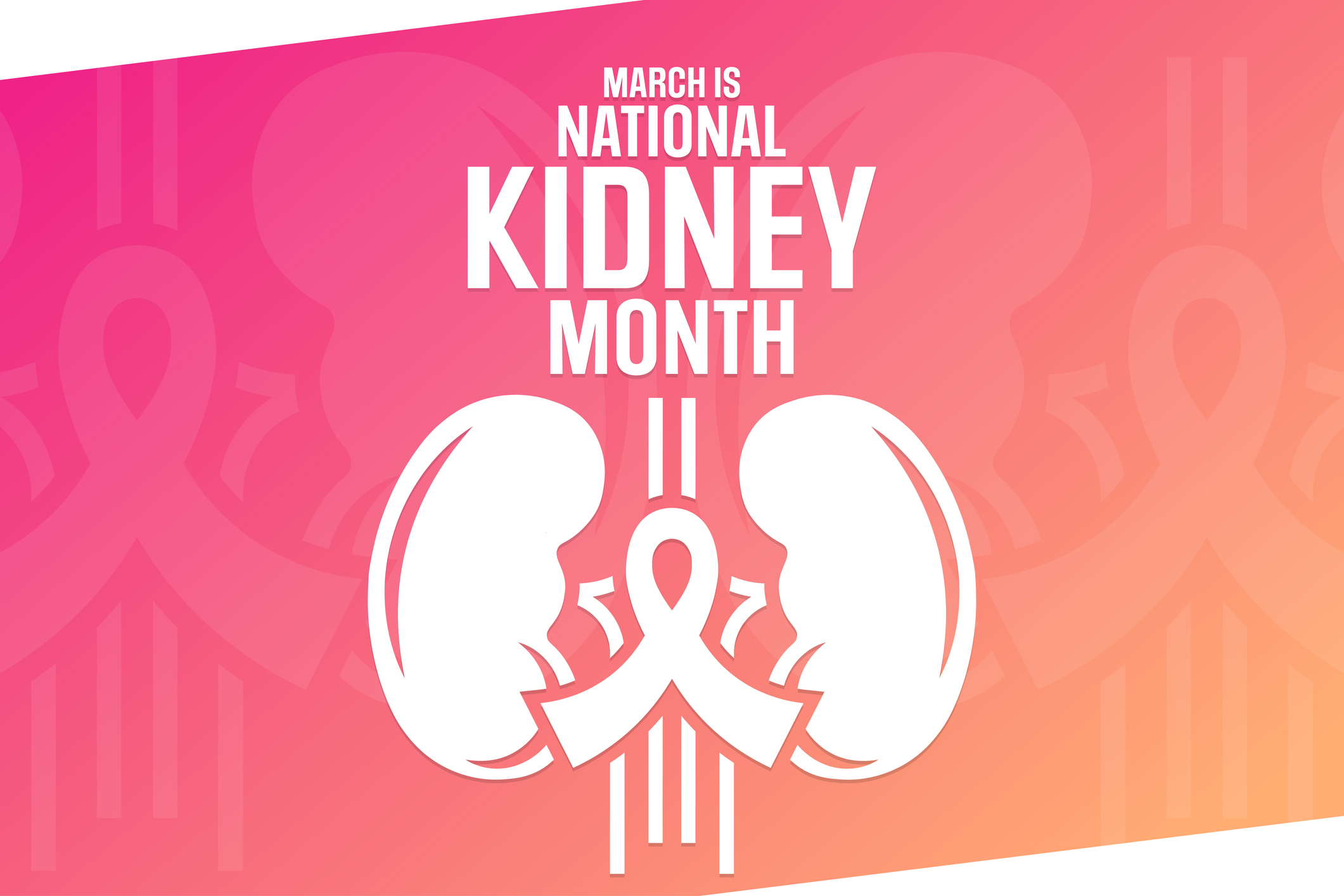
Employee Spotlight Shines on Antoinette Ormaza, RN

This month,  we are proud to shine our employee spotlight on Antoinette Ormaza, RN in our Maternal Fetal Medicine Department. Antoinette began her career at Flushing Hospital Medical Center in September of 2001. She spent her first five years working in the Labor and Delivery Department and later transferred over to the Maternal Fetal Medicine Department.

Antoinette is a native of Queens, having grown up in Astoria and still residing in the borough. She attended elementary school at Immaculate Conception in Astoria, high school at St. John’s Prep and then the College of Mount St. Vincent where she graduated with a BSN degree in nursing.

Antoinette has one daughter, Valentina who she enjoys spending her free time with. Antoinette also enjoys playing softball and shopping whenever she has an opportunity. Her favorite types of food to eat when she dines out are Italian and Greek. She likes going to the movies, especially to see comedies and dramas.

When Antoinette  goes on vacation, she likes to visit places that have warm climates and nice beaches. She has vacationed in Puerto Rico, Turks and Caicos, the Bahamas, and Aruba.

Antoinette feels that Flushing Hospital is a very special place to work. As a nurse in the Maternal Fetal Department, she gets a lot of satisfaction seeing a new life come into the world and sharing that experience with her patients. She also finds working with a great team of people in a pleasant environment to be enjoyable.

We are very fortunate to have Antoinette as a member of our team and we look forward to her continuing to working with us for many years.

All content of this newsletter is intended for general information purposes only and is not intended or implied to be a substitute for professional medical advice, diagnosis or treatment. Please consult a medical professional before adopting any of the suggestions on this page. You must never disregard professional medical advice or delay seeking medical treatment based upon any content of this newsletter. PROMPTLY CONSULT YOUR PHYSICIAN OR CALL 911 IF YOU BELIEVE YOU HAVE A MEDICAL EMERGENCY.

How Cold Weather Affects People With Asthma

When very cold and dry air enters the body, and subsequently the lungs, it can cause a tightening of the airways. Cold air can cause wheezing, tightness of the chest muscles, shortness of breath, coughing, a sense of dizziness and sometimes difficulty speaking.

Taking some precautions before going outside in very cold weather can help ease symptoms. It is important to keep asthma under control at all times. It can be helpful to take a dose of an asthma inhalant ten minutes before going outdoors. This will aid in keeping the airways open. People with asthma should always carry their medication with them if they know they are going to be outdoors for any period of time.

Another good idea is to keep your mouth and nose covered with a scarf when you are outside. This will help to warm the air you are breathing. Anyone who has asthma should avoid strenuous outdoor activities. Sometimes, the act of just walking on a windy day can bring on symptoms of an asthma attack. Try breathing through your nose more and through your mouth less. This will help to warm the air that enters your lungs.

If you are experiencing symptoms of asthma and would like to seek the advice of a physician at Flushing Hospital Medical Center. Please call 718-670-5486  to schedule an appointment.

All content of this newsletter is intended for general information purposes only and is not intended or implied to be a substitute for professional medical advice, diagnosis or treatment. Please consult a medical professional before adopting any of the suggestions on this page. You must never disregard professional medical advice or delay seeking medical treatment based upon any content of this newsletter. PROMPTLY CONSULT YOUR PHYSICIAN OR CALL 911 IF YOU BELIEVE YOU HAVE A MEDICAL EMERGENCY.

3 Important Tips for Protecting Your Child from the Stomach Flu

Gastroenteritis (also known as the stomach flu) is a very common medical problem among young children. It typically causes symptoms such as stomach cramps, vomiting, dehydration, and diarrhea; in some cases, a fever may also develop.

The stomach flu is usually not a serious illness and may resolve within a few days with rest and drinking plenty of fluids. However, if your child becomes severely dehydrated due to this illness, they may require a visit to the emergency room.

Your child is most likely to come into contract with gastroenteritis at daycare or in school due to consistent exposure to a large number of other children who they may share snacks and other items with. To give them the best chance of avoiding this illness, you should teach them to:

Consistently wash their hands thoroughly: Your child should wash their hands with warm soap and water for at least 20 seconds before eating any food or touching their eyes, nose, or mouth. Make sure they also have hand sanitizer available for when hand washing isn’t possible.

Avoid sharing snacks with other children: It may be difficult for your child to determine whether any other children around them are sick. Teach them to avoid taking snacks or utensils from other children as much as possible and give your child plenty of their own food to enjoy throughout the day.

Speak up if they feel sick: If your child is suffering from symptoms of the stomach flu, they should feel comfortable telling an adult and visiting an on-site medical professional (such as a school nurse) immediately. It is essential for them to rest and get the fluids they need to avoid severe symptoms and recover as quickly as possible.

If your child experiences serious stomach flu symptoms such as a fever, pain, or dehydration, schedule an appointment at Flushing Hospital Medical Center’s Ambulatory Care Center as soon as possible by calling (718) 670-5486.

All content of this newsletter is intended for general information purposes only and is not intended or implied to be a substitute for professional medical advice, diagnosis or treatment. Please consult a medical professional before adopting any of the suggestions on this page. You must never disregard professional medical advice or delay seeking medical treatment based upon any content of this newsletter. PROMPTLY CONSULT YOUR PHYSICIAN OR CALL 911 IF YOU BELIEVE YOU HAVE A MEDICAL EMERGENCY.

January is National Birth Defects Awareness Month

The month of January has been recognized by the Centers for Disease Control and Prevention as National Birth Defects Month.  The reason for this designation is to raise awareness about birth defects as it is estimated to affect 1 in every 33 births every year in the United States.

A birth defect is defined as a structural change that can affect almost any part of the body. The defect can be structural or functional or both in nature and can vary in severity from mild to severe.  Some birth defects can be detected before birth while some may not be seen until the baby is born.

Some of the known causes of birth defects include:

  • Smoking during pregnancy
  • Being an older mother
  • Consuming alcohol during pregnancy
  • Taking certain medications during pregnancy
  • Having certain infections during pregnancy
  • Having uncontrolled diabetes during pregnancy

There are no guarantees that birth defects can be prevented, however it is recommended to have regular prenatal medical check-ups, always consult with a physician before taking any medications during pregnancy, avoid situations that can cause the body to overheat such as hot tubs, saunas, or other environments where the temperature can be excessively hot, and avoid smoking and alcoholic drinks.

It is important to speak with a physician if you are thinking of becoming pregnant or already know that you are pregnant to make sure that you are receiving the proper prenatal care. If you would like to schedule an appointment with a physician at Flushing Hospital Medical Center, please call 718-670-5486.

All content of this newsletter is intended for general information purposes only and is not intended or implied to be a substitute for professional medical advice, diagnosis or treatment. Please consult a medical professional before adopting any of the suggestions on this page. You must never disregard professional medical advice or delay seeking medical treatment based upon any content of this newsletter. PROMPTLY CONSULT YOUR PHYSICIAN OR CALL 911 IF YOU BELIEVE YOU HAVE A MEDICAL EMERGENCY.

The Importance of Having an Annual Physical

It’s the beginning of a new year which is a perfect time to make a promise to take better care of yourself.  The best way to do this is by scheduling an appointment for a regular medical check-up. Even if you feel fine, it is a good idea to see your medical doctor to ensure that you don’t have any underlying health issues.

The American Medical Association is now recommending that physical exams be performed once every five years for people between 18 and 40 years of age and every three years after the age of 40, as long as there are no chronic illnesses that require more frequent check-ups.  After the age of 55, an annual exam is probably a good idea.

There are many reasons why having a physical exam is something that everyone should make time to do.  These include:

  • Preventing of illnesses
  • Monitoring the risk of chronic disease
  • Identifying illnesses that don’t have symptoms
  • Monitoring your weight, blood pressure, heart rate, and basic body chemistry
  • Adjusting your lifestyle to best suit your age
  • Keeping an ongoing relationship with your physician

If you would like to schedule an appointment with a physician at Flushing Hospital Medical Center, please call 718-670-5486.

All content of this newsletter is intended for general information purposes only and is not intended or implied to be a substitute for professional medical advice, diagnosis or treatment. Please consult a medical professional before adopting any of the suggestions on this page. You must never disregard professional medical advice or delay seeking medical treatment based upon any content of this newsletter. PROMPTLY CONSULT YOUR PHYSICIAN OR CALL 911 IF YOU BELIEVE YOU HAVE A MEDICAL EMERGENCY.