What You Need To Know About The Delta Variant

It is common for viruses to change through mutation, and new variants of a virus are expected to occur. These variants can affect the strength, symptoms, or transmission rate of the virus. There have been multiple variants of the virus that causes COVID-19 identified in the United States and globally throughout this pandemic. One variant that you may be hearing more and more about is the delta variant.

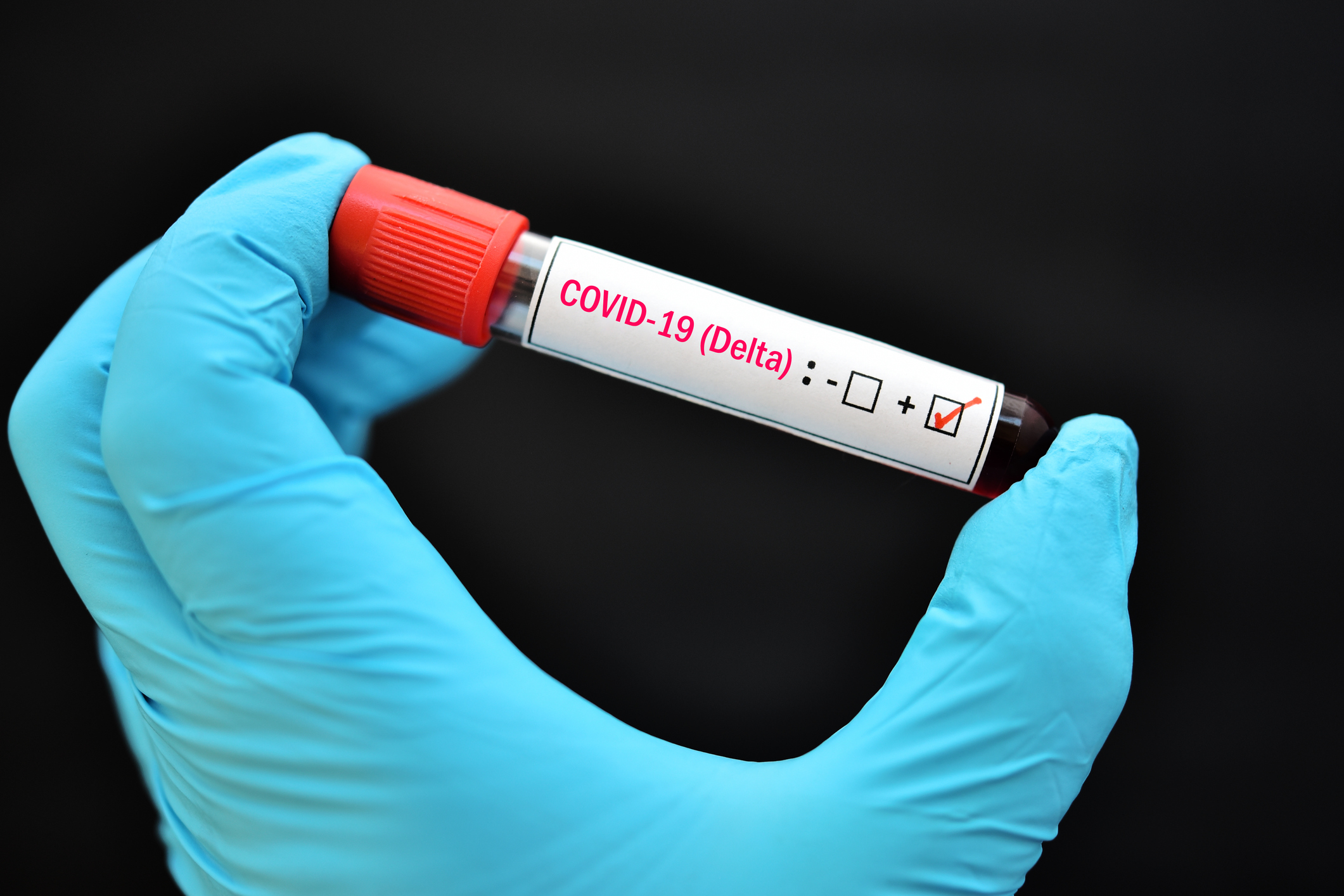
The highly transmissible delta variant of the COVID-19 virus was first identified in India and has now been reported in at least 104 countries. According to the Centers for Disease Control and Prevention (CDC), the delta variant is now the dominant strain of the virus, representing 51.7% of new COVID cases in the United States as of the week of July 3.

The delta variant is a cause of concern to health authorities because it is thought to be the most transmissible variant yet. According to the World Health Organization (WHO), the delta variant is estimated to be approximately 55% more transmissible than the alpha variant, which was first identified in Britain last year. Officials believe delta is more contagious because of its ability to partially evade the antibodies made by the immune system after a coronavirus infection or vaccination.

Many health experts fear the variant will cause a surge in new cases this fall, hitting the unvaccinated the hardest. Currently, only 48% of adult Americans are fully-vaccinated, well below the 70% most believe is needed to achieve herd immunity. In fact, areas in the U.S. with low vaccination rates are already beginning to see delta-driven outbreaks, and the number of COVID-19 cases has begun to climb again nationally.

The good news is that data suggests that several widely used shots, including those made by Pfizer-BioNTech, Moderna, Johnson & Johnson and AstraZeneca, appear to retain most of their effectiveness against the delta variant.


Flushing Hospital urges everyone eligible to get vaccinated if you have not already done so and encourage your family and friends to get vaccinated as well.  Vaccination is the best way to stop the spread of all the variants and reduce the odds that new, even more dangerous variants emerge.

All content of this newsletter is intended for general information purposes only and is not intended or implied to be a substitute for professional medical advice, diagnosis or treatment. Please consult a medical professional before adopting any of the suggestions on this page. You must never disregard professional medical advice or delay seeking medical treatment based upon any content of this newsletter. PROMPTLY CONSULT YOUR PHYSICIAN OR CALL 911 IF YOU BELIEVE YOU HAVE A MEDICAL EMERGENCY.
Breakthrough COVID Cases

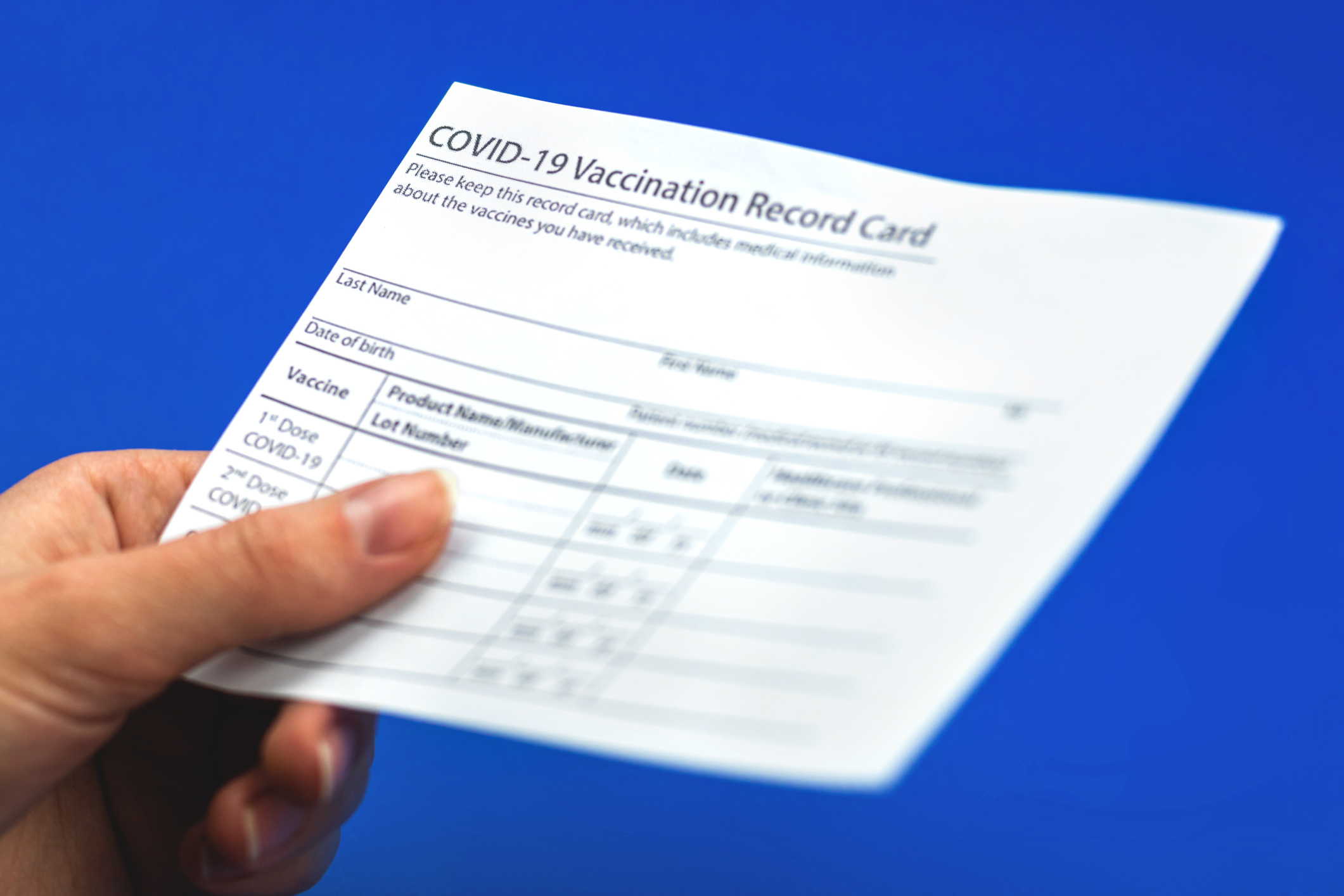
COVID-19 vaccines have proven effective in helping our bodies fight COVID and prevent serious illness.  Based on evidence gathered from clinical trials, Johnson and Johnson’s Janssen vaccine was found to be 66.3% effective in protecting us from the virus, Moderna’s vaccine 94.1%, and Pfizer- BioNTech’s vaccine 95%.

Although each vaccine offers a high level of protection, none are 100% effective in preventing illness in vaccinated people.  Therefore, a small percentage of fully vaccinated people can potentially get sick if they are exposed to the virus.  These occurrences are being referred to as “Vaccine Breakthrough Cases”

According to the Centers for Disease Control and Prevention (CDC), breakthrough cases are expected. However, they are very rare. A recent study conducted by the agency found that among the 101 million people vaccinated from January 1st to April 30th, there were just 10,262 breakthrough cases across 46 states.  This amounts to .01% of the population.

Despite concerns about breakthrough cases, the CDC is encouraging people to get vaccinated because the number of COVID-19 cases, hospitalizations, and deaths that will be prevented among vaccinated persons will far exceed the number of breakthrough cases.  Furthermore, there is some evidence that suggests vaccination may make symptoms less severe in those who are vaccinated, and still get sick.

It is important to note that COVID vaccines are most effective two weeks after a person is fully vaccinated.  Individuals are considered fully vaccinated after they have completed the recommended number of doses for the vaccine received.  Someone who tests positive for COVID-19 between doses or within the two-week period after receiving their final dose, would not be considered a breakthrough case.   The CDC defines breakthrough cases as people who test positive for the coronavirus 14 or more days after receiving their final shot.

While COVID vaccines play a vital role in stopping the spread of the virus, we must continue to practice safety measures to protect ourselves and others.  Wearing a mask, washing our hands, and practicing social distancing can bolster our efforts to prevent exposure and the transmission of COVID.

All content of this newsletter is intended for general information purposes only and is not intended or implied to be a substitute for professional medical advice, diagnosis or treatment. Please consult a medical professional before adopting any of the suggestions on this page. You must never disregard professional medical advice or delay seeking medical treatment based upon any content of this newsletter. PROMPTLY CONSULT YOUR PHYSICIAN OR CALL 911 IF YOU BELIEVE YOU HAVE A MEDICAL EMERGENCY.
Is It Spring Allergies Or COVID19?

With Spring now upon us, more and more people are taking advantage of the nicer weather and spending significant time outdoors, but this change in season can also bring the return of allergies for many. For some, these allergic reactions could be confused with symptoms of Covid-19. Flushing Hospital wants to offer our community with tips on how to tell the difference between seasonal allergies and Covid.

While the symptoms of allergies and Covid-19 can be similar, there are some definitive ways to tell which you are experiencing so you can treat it appropriately.

Typically, a virus such as Covid-19 causes a system-wide response, while an allergy, which is an overreaction of the immune system in response to exposure to a trigger, is usually more localized. For instance, someone with Covid-19 may have a fever, body aches, chills, a sore throat, weakness, and respiratory symptoms. On the other hand, someone with allergies will be more likely to have the symptoms centered on the nose, eyes, and throat, and they usually will not have a fever.

In addition, allergies cause itchiness: itchy eyes, itchy nose and sneezing, and a tickle in the throat, while itchiness is usually not a symptom of illness. COVID-19 also does not seem to cause much in the way of nasal symptoms, which means if your child is sneezing a lot, it is more likely allergies and isn’t related to COVID-19.

To treat allergies, your doctor may recommend using allergy medications to prevent or manage the symptoms. This can include antihistamines (a medication that blocks histamine, a chemical your body releases when exposed to a trigger), nasal corticosteroids (prescription medications that relieve symptoms by reducing inflammation in your nasal passages), and if you also have asthma, a rescue asthma inhaler (this contains a medication that opens airway passages) and inhaled corticosteroids (this reduces the inflammation in your airways).

In addition, there are some things you can do to limit your chances of experiencing allergy symptoms, including:

  • Wear a hat and sunglasses to prevent pollen from getting in your eyes.
  • Remove your clothes as soon as you come home and wash them remove allergens.
  • Wash your child’s hands and face as soon as they come in from the outdoors.

It is important to note that you can have seasonal allergies and still contract Covid, so it is important to not dismiss the possibility of one just because you have the other.  If you have any suspicions, it is important to consult with your physicians.  To make an appointment with a doctor at Flushing Hospital’s Ambulatory Care Center, please call 718-670-5486.

All content of this newsletter is intended for general information purposes only and is not intended or implied to be a substitute for professional medical advice, diagnosis or treatment. Please consult a medical professional before adopting any of the suggestions on this page. You must never disregard professional medical advice or delay seeking medical treatment based upon any content of this newsletter. PROMPTLY CONSULT YOUR PHYSICIAN OR CALL 911 IF YOU BELIEVE YOU HAVE A MEDICAL EMERGENCY.

Flushing Hospital Provides Information on mRNA Vaccines

With more and more Americans becoming eligible to receive their COVID-19 vaccine, questions about what type of vaccines are being administered and how they work are very common.  Flushing Hospital Medical Center, with the help of the Centers for Disease Control and Prevention (CDC)would like provide our community with the facts about Messenger RNA (or mRNA) vaccines.

According to the CDC, mRNA vaccines are a new type of vaccine to protect against infectious diseases. To trigger an immune response, many vaccines put a weakened or inactivated germ into our bodies. Not mRNA vaccines. Instead, they teach our cells how to make a protein—or even just a piece of a protein—that triggers an immune response inside our bodies. That immune response, which produces antibodies, is what protects us from getting infected if the real virus enters our bodies.

It is important to note the following facts about the mRNA vaccines

  • They do not use the live virus that causes COVID-19
  • They cannot give someone COVID-19
  • They do not interact with our DNA in any way
  • mRNA never enters the nucleus of the cell, which is where our DNA is kept
  • The cell breaks down and gets rid of the mRNA soon after it is finished using the instructions.

mRNA vaccines are new, but they are not unknown.  Researchers have been studying and working with mRNA vaccines for decades. Interest has grown in these vaccines because they can be developed in a laboratory using readily available materials. This means the process can be standardized and scaled up, making vaccine development faster than traditional methods of making vaccines. Even though they are new, mRNA vaccines are held to the same rigorous safety standards by the U.S. Food and Drug Administration (FDA).

Future mRNA vaccine technology may allow for one vaccine to provide protection for multiple diseases, thus decreasing the number of shots needed for protection against common vaccine-preventable diseases. Beyond vaccines, cancer research has used mRNA to trigger the immune system to target specific cancer cells.

All content of this newsletter is intended for general information purposes only and is not intended or implied to be a substitute for professional medical advice, diagnosis or treatment. Please consult a medical professional before adopting any of the suggestions on this page. You must never disregard professional medical advice or delay seeking medical treatment based upon any content of this newsletter. PROMPTLY CONSULT YOUR PHYSICIAN OR CALL 911 IF YOU BELIEVE YOU HAVE A MEDICAL EMERGENCY.
Flushing Hospital Dispels Myths About The COVID Vaccine

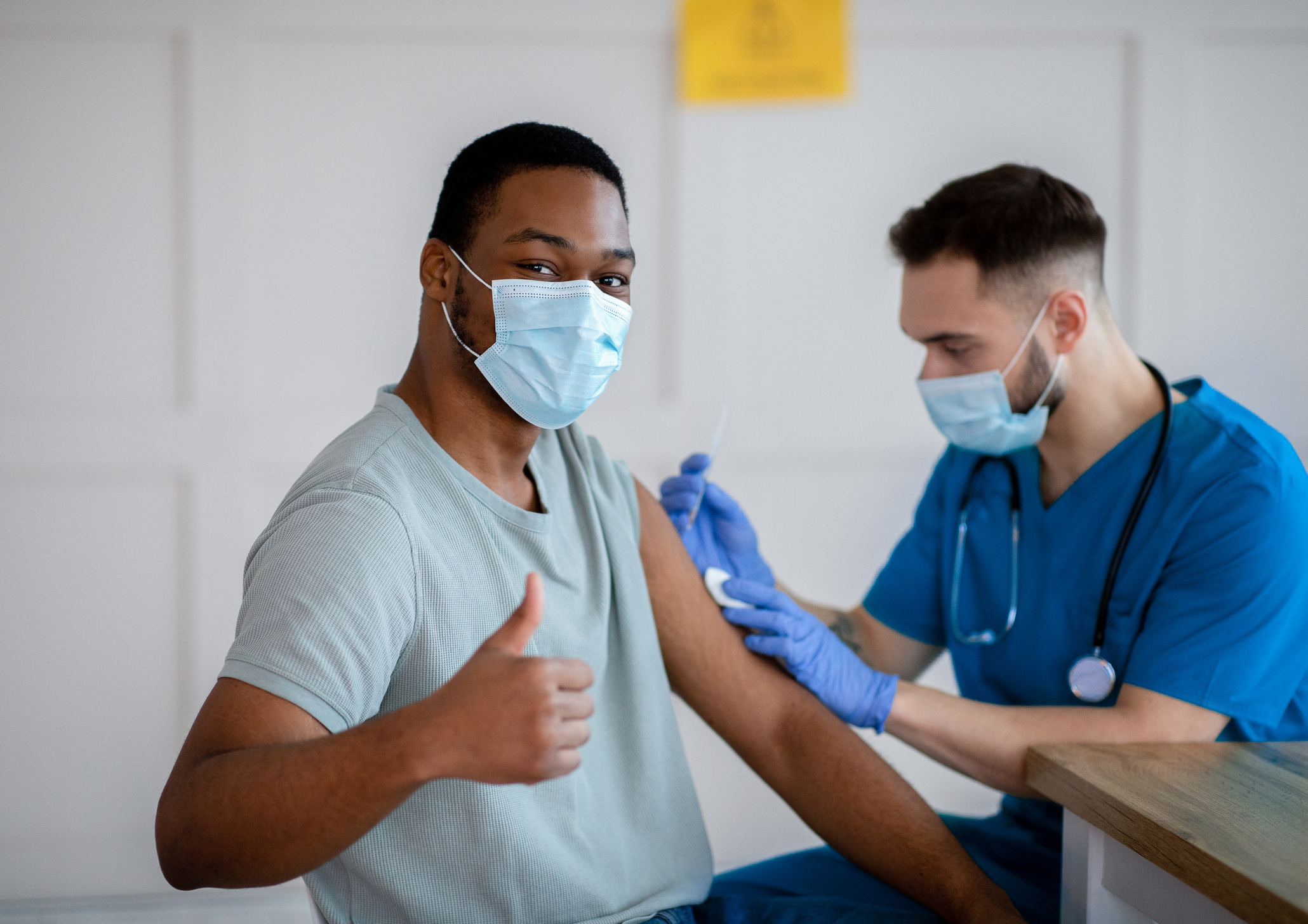
There are many myths being circulated about the COVID-19 vaccine due to a spread of misinformation. It is important to know what is true and what is not to help you make an informed decision about getting vaccinated.

Myth:  I don’t need to get the vaccine if I already had COVID Is it true that the vaccine was produced too quickly and is unsafe because it wasn’t tested sufficiently?

Fact: The Centers for Disease Control and Prevention (CDC) recommends everyone receive the vaccine when it’s their turn, including those who have already had covid-19.

While it is true that those who had covid-19 may have developed some natural immunity, we don’t yet fully understand how long that immunity will last. The vaccine can boost any existing immunity without causing any harm.

All content of this newsletter is intended for general information purposes only and is not intended or implied to be a substitute for professional medical advice, diagnosis or treatment. Please consult a medical professional before adopting any of the suggestions on this page. You must never disregard professional medical advice or delay seeking medical treatment based upon any content of this newsletter. PROMPTLY CONSULT YOUR PHYSICIAN OR CALL 911 IF YOU BELIEVE YOU HAVE A MEDICAL EMERGENCY.
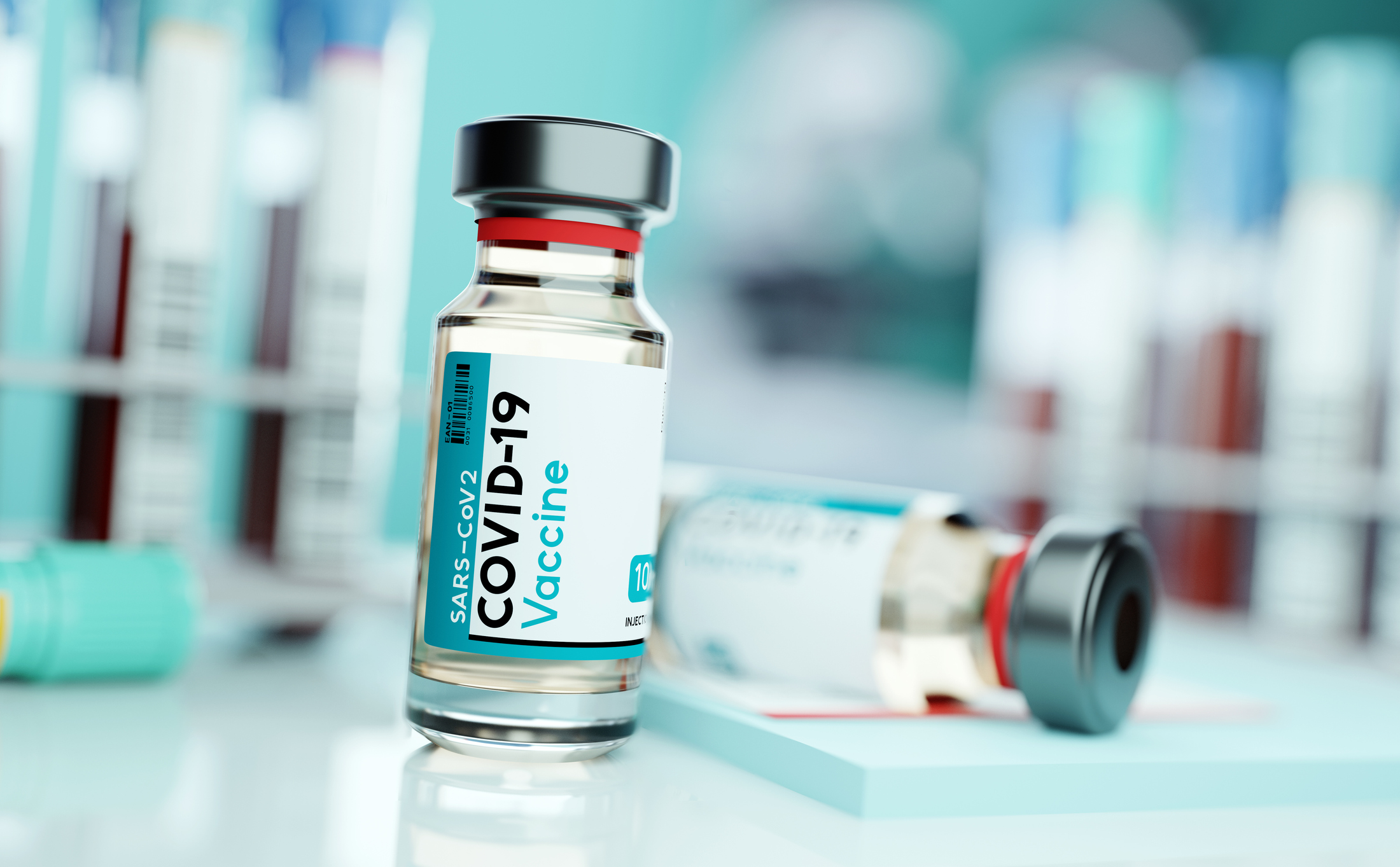
What Is Brain Fog?

Brain fog is characterized as a mental fuzziness or lack of clarity.  Some of the characteristics of brain fog can include:

  • Difficultly grasping thoughts
  • Problems finding the right words to say
  • Problems concentrating or remembering what you are doing
  • Mental exhaustion

The term “brain fog” has been associated with many medical conditions including lupus, multiple sclerosis, thyroid disease and menopause. Patients receiving chemotherapy have also reported experiencing brain fog. Most recently, the term has been mentioned as a long-term side effect of COVID-19 patients. Many of these patients, referred to as “long haulers” are currently living with this condition.

Regardless of the cause for your brain fog, Flushing Hospital Medical Center is offering the following tips to help you manage this condition:

  • Get more sleep – Sleep deprivation can make it difficult for you to think clearly during the day. It is recommended that you receive 8-9 hours of sleep every night.
  • Exercise your body– Physical activity doesn’t only offer benefits for your body, it can also help improve memory and reaction time.
  • Exercise your brain – Regularly challenge your brain power by participating in puzzles and other activities. Also seek other enjoyable activities that will keep your brain engaged.
  • Decrease stress – Identify coping skills such as removing stressful elements in your life and saying no to requests that can cause stress. Meditation and journaling are also good techniques to help you manage
  • Monitor your diet – A diet lacking in vitamins (such as B12) and minerals can lead to poor brain function. Some suggested foods to incorporate into your diet include walnuts, fatty fishes, blueberries and turmeric.
  • Check your medications – Certain migraine and anti-seizure prescriptions as well as over-the-counter sleep aid and allergy medications can have potential side-effects linked to brain fog.

If you are currently living with conditions associated with brain fog as a result of COVID-19, Flushing Hospital has opened a Post-COVID Care Center to help you manage your long-hauler symptoms.  We incorporate a holistic approach to care for our patients, combining the best of conventional medicine and alternative therapies.

To make an appointment, please call 718-736-8204.

All content of this newsletter is intended for general information purposes only and is not intended or implied to be a substitute for professional medical advice, diagnosis or treatment. Please consult a medical professional before adopting any of the suggestions on this page. You must never disregard professional medical advice or delay seeking medical treatment based upon any content of this newsletter. PROMPTLY CONSULT YOUR PHYSICIAN OR CALL 911 IF YOU BELIEVE YOU HAVE A MEDICAL EMERGENCY.

COVID-19 and GI Symptoms

People are more likely to develop viral gastroenteritis or the stomach flu during this time of year. Symptoms that can result from this illness include nausea, vomiting or diarrhea

Although symptoms of the stomach flu are common and often mild, it is important that they are not ignored because they may be indicative of a COVID-19 infection.

According to the Centers for Disease Control and Prevention (CDC), many people with COVID-19, experience gastrointestinal (GI) symptoms, sometimes prior to having a fever and lower respiratory tract signs. Therefore, if you are experiencing GI issues, you should watch for other COVID-19 symptoms such as shortness of breath or coughing as a precaution.

COVID-19 and viral gastroenteritis are both highly contagious. If you are concerned about a possible infection or experiencing symptoms of either illness, you should speak with a physician.  Your doctor can assess your condition and order tests to determine if you have COVID-19 or a gastrointestinal illness.

To schedule an appointment with a doctor at Flushing Hospital Medical Center, please call 718-670-5486.

All content of this newsletter is intended for general information purposes only and is not intended or implied to be a substitute for professional medical advice, diagnosis or treatment. Please consult a medical professional before adopting any of the suggestions on this page. You must never disregard professional medical advice or delay seeking medical treatment based upon any content of this newsletter. PROMPTLY CONSULT YOUR PHYSICIAN OR CALL 911 IF YOU BELIEVE YOU HAVE A MEDICAL EMERGENCY.

Safe COVID-19 Holiday Shopping Tips

2020 has been a year where we have altered so many aspects of our daily lives. With the arrival of the holiday season, it only makes sense that we will also be forced to change the way we do our holiday shopping.

Normally, during this time of year, malls would be packed as shoppers seek the perfect holiday gifts for their loved ones. Unfortunately, the COVID-19 pandemic has affected our ability (or comfort level) to go to conventional brick-and-mortar stores.

To help you prepare for a very different holiday shopping season, Flushing Hospital is offering the following safety tips:

  • Shop from home – Recent studies have indicated that nearly half of Americans plan to complete most of their holiday shopping online this year. If you plan to do this, please keep in mind that this uptick in online shopping could mean inventory shortages and shipping delays, so it is recommended to start early.
  • Look at alternative types of gifts – There has never been a time when do-it-yourself gifts are more appropriate. In addition to helping you avoid going to stores, they are also fun gifts to receive because they are thoughtful and made with love. If you are not that crafty, you should consider other gift options, such as gift cards, streaming service subscriptions, meal kits or boxes, or even making a charitable donation on behalf of the gift recipient.
  • Start early – Some gifts however might be best purchased in person. If you plan on going to the mall, try to start your shopping early before the holiday rush. Many stores have not waited for “Black Friday” to begin their holiday sales, so it is easier to find bargains now and avoid last-second craziness. Also try to shop at non-peak times such as early in the day or during the week to avoid the crowds.
  • Support local businesses – If possible, try to shop locally and support some of the smaller businesses in your community. These “mom and pop” stores could benefit from your support and they may also be a safer option than some of the larger, more crowded stores.
  • Understand the new reality – Many stores have put into place shopping restrictions and regulations for the safety of their employees and customers. This may include limiting the number of shoppers allowed into the store at one time. Some stores are even creating shopping appointments for their customers. While these regulations might prolong your shopping experience, they are intended for your protection so please exercise patience.

As with every other aspect of life, when shopping, it is extremely important to follow all safety measures when shopping. This includes wearing a mask at all times and practicing proper hand washing and social distancing rules to limit your chances of contracting COVID or any other transmittable disease.

All content of this newsletter is intended for general information purposes only and is not intended or implied to be a substitute for professional medical advice, diagnosis or treatment. Please consult a medical professional before adopting any of the suggestions on this page. You must never disregard professional medical advice or delay seeking medical treatment based upon any content of this newsletter. PROMPTLY CONSULT YOUR PHYSICIAN OR CALL 911 IF YOU BELIEVE YOU HAVE A MEDICAL EMERGENCY.
What Is Herd Immunity?

The existence of COVID-19 has introduced us to many new terms that we may not completely understand. One of those terms is “herd immunity.”

Herd immunity describes how the spread of a contagious disease can be controlled after a large enough portion of the population, (referred to as “the herd”) becomes immune.

A disease is most contagious when everyone in the community is at risk of contracting it. If a sizable percentage becomes immune however, it makes it harder for the disease to reach those susceptible because the herd blocks its ability to reach them.  As a result, the entire community becomes better protected.

There are two ways to achieve herd immunity: vaccination or infection and recovery.

  • Vaccination – Vaccines create immunity without causing illness or resulting complications. Vaccines have successfully controlled deadly contagious diseases such as smallpox, polio, diphtheria, rubella and many others. Herd immunity by vaccination protects people who are unable to be vaccinated due to age or other conditions.
  • Natural infection – Herd immunity can also be reached when a sufficient number of people in the population have recovered from a disease and have developed antibodies against future infection. For example, those who survived the 1918 flu (influenza) pandemic were later immune to infection to the H1N1 flu, a subtype of influenza A.

The percentage of a community that needs to be immune in order to achieve herd immunity varies from disease to disease. The more contagious a disease is, there will need to be a greater proportion of the population that is immune to the disease to stop its spread. For example, the measles is a highly contagious illness, therefore it’s estimated that 94% of the population must be immune to interrupt the chain of transmission.

It is important to note that while herd immunity can reduce the risk of getting a disease, it does not prevent it. Until an effective COVID-19 vaccine is developed, it is important to follow all safety guidelines to protect against the transmission of the virus, including:

  • Avoiding large events and mass gatherings.
  • Avoiding close contact with others, (within 6 feet).
  • Washing your hands often with soap and water for at least 20 seconds, or use an alcohol-based hand sanitizer that contains at least 60% alcohol.
  • Wearing a face mask or covering in public spaces.
  • Covering your mouth and nose with your elbow or a tissue when you cough or sneeze.
  • Avoiding touching your eyes, nose and mouth.
  • Avoiding sharing dishes, glasses, bedding and other household items if you’re sick.
  • Cleaning and disinfect high-touch surfaces daily.
  • Staying home from work, school and public areas if you’re sick, unless you’re going to get medical care.

All content of this newsletter is intended for general information purposes only and is not intended or implied to be a substitute for professional medical advice, diagnosis or treatment. Please consult a medical professional before adopting any of the suggestions on this page. You must never disregard professional medical advice or delay seeking medical treatment based upon any content of this newsletter. PROMPTLY CONSULT YOUR PHYSICIAN OR CALL 911 IF YOU BELIEVE YOU HAVE A MEDICAL EMERGENCY.

Our Post-COVID Care Center Is Now Open

During the early stages of the COVID-19 pandemic, most health authorities were operating under the belief that the virus, while extremely dangerous for some, was a short-term illness. Most young, healthy individuals who tested positive for the coronavirus were told to expect to sustain a variety of symptoms that could last anywhere from two to six weeks.

Now, however, doctors are seeing a growing number of patients who are enduring lingering symptoms for an extended period of time. These patients are now being referred to as “Long Haulers.”

For long haulers, symptoms of the virus can drag on for multiple months. Some of the most common lingering symptoms include fatigue, muscle and body pain, shortness of breath, dizziness, and headaches. In addition to these physical symptoms, many long haulers are also reporting a variety of cognitive deficits, such as difficulty concentrating or focusing (commonly referred to as mental fog). Other patients may also experience mental health issues such as anxiety and depression.

With nearly a quarter of a million reported cases of COVID-19 in New York City over the past six months, many of the City’s residents are still experiencing the long-term effects of the virus. To help these patients, the MediSys Health Network (comprised of Jamaica and Flushing Hospital Medical Center, the Trump Pavilion for Nursing and Rehabilitation, and a network of community-based MediSys ambulatory care centers) has opened a Post-COVID Care Center in Hollis Tudors, Queens.

At this center, long haulers, as well as others experiencing post-COVID symptoms can receive specialized care from a multi-disciplinary group of qualified physicians. “We were compelled to help those in our community who are still dealing with the effects of the virus” stated Dr. Alan Roth, Chairman of Ambulatory Care and Family Medicine, who added “Queens was considered the epicenter of the coronavirus pandemic in March and April. During that time we treated thousands of patients. While the situation in our community has greatly improved recently, we know that there is still work to be done, including continuing to treat patients living with long-term symptoms.”

The MediSys Health Network’s Post-COVID Care Center provides patients with personalized, comprehensive care, coordinated by a primary care physician, who will work with other on-site specialists, including pulmonologists, neurologists, and psychiatrists, all dedicated to helping our patients better manage their condition.

For more information about our services, or to make an appointment at our Post-COVID Care center, please call  718-736-8204.

All content of this newsletter is intended for general information purposes only and is not intended or implied to be a substitute for professional medical advice, diagnosis or treatment. Please consult a medical professional before adopting any of the suggestions on this page. You must never disregard professional medical advice or delay seeking medical treatment based upon any content of this newsletter. PROMPTLY CONSULT YOUR PHYSICIAN OR CALL 911 IF YOU BELIEVE YOU HAVE A MEDICAL EMERGENCY.