Tips for College Health and Safety

Starting freshman year of college is one of the most exciting times in a young person’s life. In addition to an increased study schedule, new environments, routines and friends can be very overwhelming.

ThinkstockPhotos-481482970

Here are a few tips from the Center for Disease Control (CDC) to help keep your kids on the right track their freshman year:

. Maintain a Healthy Lifestyle – Follow a healthy eating and exercise plan. Limiting soda and caffeine intake, as well as increasing exercise like walking across campus instead of driving, taking the stairs instead of the elevator, and working out with a friend will help combat the dreaded “Freshman Fifteen.”  Many colleges also offer a wide variety of sports and classes from crewing to modern dance.

. Manage Stress — Getting enough sleep, avoiding drugs and alcohol, making friends and taking personal time are all important ways to avoid stress.  If your child is feeling depressed or experiencing distress, encourage them to seek help from a medical professional. Suicide is the 3rd leading cause of death among persons aged 15 to 24 years. If you or someone you know is thinking about suicide contact the National Suicide Prevention Lifeline at 1-800-273-8255.

. Safety First — Sexually transmitted infections are preventable.  Half of all new sexually transmitted diseases (STDs) occur among young people under the age of 25. College students who are sexually active should get tested for STDs and HIV to know their status and to protect themselves and their sexual partners.

. Be Aware — One in five women have been sexually assaulted while in college. Students should know their rights, and seek help immediately if they or someone they know is the victim of violence.

. Drink Responsibly – Binge drinking accounts for 90% of the alcohol consumed by youth. Binge drinking is defined as having four or more drinks for women or five or more drinks for men over a short period of time. Binge drinking increases the chances for risky sexual behavior, unintended pregnancy, HIV and other sexually transmitted diseases, motor vehicle accidents, violence, and alcohol poisoning.

. Just Say No — Substance abuse and smoking are problems among young people. In 2013, around 21% of those aged 18 to 25 years reported use of illicit drugs in the past month. Among cigarette smokers, 99% first tried smoking by the age of 26. Call 1-800-662-HELP to get help for substance abuse problems.

An open line of communication is the best way to keep your child happy, healthy and thriving while in school. Let them know you support them no matter what!

All content of this newsletter is intended for general information purposes only and is not intended or implied to be a substitute for professional medical advice, diagnosis or treatment. Please consult a medical professional before adopting any of the suggestions on this page. You must never disregard professional medical advice or delay seeking medical treatment based upon any content of this newsletter. PROMPTLY CONSULT YOUR PHYSICIAN OR CALL 911 IF YOU BELIEVE YOU HAVE A MEDICAL EMERGENCY.

When Should You Throw Out Makeup?

ThinkstockPhotos-478685349

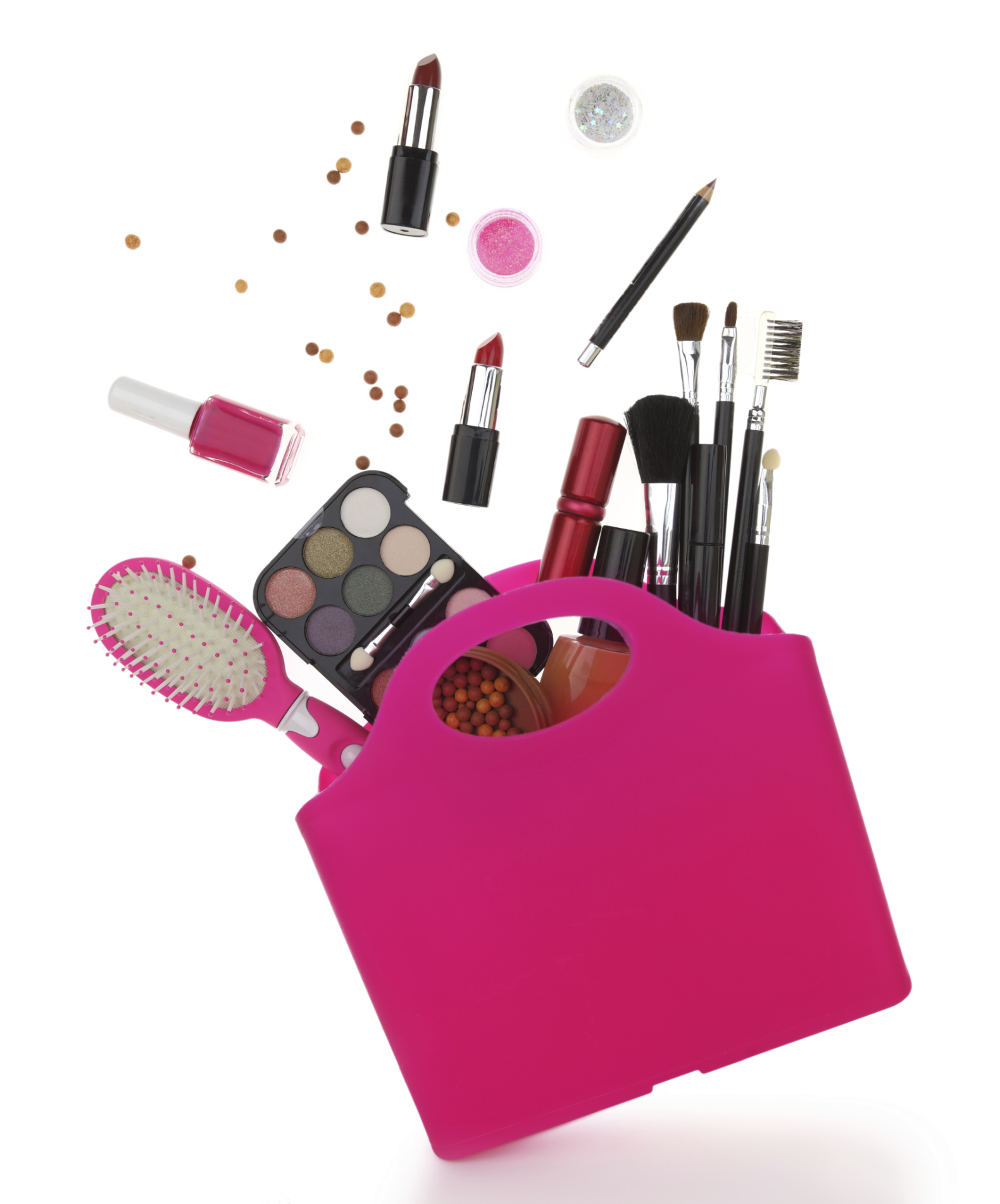
Beauty products can be expensive!  A recent study estimates that the average woman spends approximately $15,000 on beauty products during her lifetime, $3,770 towards mascara alone. So when it comes time to throw out your makeup, many women might be hesitant to toss that blush, especially if it’s a color or product that’s hard to find or has been discontinued. The reality is, even if you take really good care of your makeup, clean your brushes, and avoid cross contamination, your makeup is a hotbed of bacteria.


Here are a few tips on what you should discard and when:

Blush – 2 years

Eyeshadow – 2 years

Eyeliner – 1 year

Liquid foundation – 2 years

Moisturizer – 2 years

Powder – 2 year

Lipstick – 1 year

Lipliner – 1 year

Brow pencil – 1 year

Concealer – 2 years

Cleanser – 1 year

Mascara – 6 months

One last bit of advice — Wash your brushes every few weeks, letting them air dry standing straight up. Also, immediately discard any makeup that’s broken or missing a lid.

All content of this newsletter is intended for general information purposes only and is not intended or implied to be a substitute for professional medical advice, diagnosis or treatment. Please consult a medical professional before adopting any of the suggestions on this page. You must never disregard professional medical advice or delay seeking medical treatment based upon any content of this newsletter. PROMPTLY CONSULT YOUR PHYSICIAN OR CALL 911 IF YOU BELIEVE YOU HAVE A MEDICAL EMERGENCY.

It’s National Cherry Turnover Day!

exps589_SD2847494D02_12_9b
In honor of National Cherry Turnover Day try these quick and easy cherry turnovers courtesy of Taste of Home.
TOTAL TIME: Prep/Total Time: 20 min.
MAKES: 4 servings

Ingredients

  • 1 8 oz tube of refrigerated crescent rolls
  • 1 cup cherry pie filling
  • 1/2 cup confectioners’ sugar
  • 1-2 tablespoons milk
Directions
  1. Preheat oven to 375°. Unroll crescent dough and separate into four rectangles; place on an ungreased baking sheet. Press perforations to seal. Place 1/4 cup pie filling on one half of each rectangle. Fold dough over filling; pinch edges to seal. Bake 10-12 minutes or until golden.
  2. Place confectioners’ sugar in a small bowl; stir in enough milk to achieve a drizzling consistency. Drizzle over turnovers. Serve warm. Yield: 4 servings.
Nutritional Facts

1 turnover equals 359 calories, 12 g fat (3 g saturated fat), 1 mg cholesterol, 459 mg sodium, 56 g carbohydrate, trace fiber, 4 g protein.


All content of this newsletter is intended for general information purposes only and is not intended or implied to be a substitute for professional medical advice, diagnosis or treatment. Please consult a medical professional before adopting any of the suggestions on this page. You must never disregard professional medical advice or delay seeking medical treatment based upon any content of this newsletter. PROMPTLY CONSULT YOUR PHYSICIAN OR CALL 911 IF YOU BELIEVE YOU HAVE A MEDICAL EMERGENCY.

Myth: Does Stress Make Your Hair Fall Out?

Truth: Being stressed can make your hair fall out

Severe stress can take a toll on your hair. All hair follicles normally undergo periodic “rest” periods; sudden stress can cause them to enter this resting phase prematurely, making the hair fall out in the three months following the stressful event. Normally hair growth restores naturally, but it’s important to deal with stress and seek medical advice to rule out any underlying illness, hormonal imbalance, or drug side effects.

ThinkstockPhotos-465280921

All content of this newsletter is intended for general information purposes only and is not intended or implied to be a substitute for professional medical advice, diagnosis or treatment. Please consult a medical professional before adopting any of the suggestions on this page. You must never disregard professional medical advice or delay seeking medical treatment based upon any content of this newsletter. PROMPTLY CONSULT YOUR PHYSICIAN OR CALL 911 IF YOU BELIEVE YOU HAVE A MEDICAL EMERGENCY.
Driving and Secondhand Smoke

We all know about the health risks associated with smoking and secondhand smoke, but do you truly know how dangerous it is to smoke in an enclosed place like a car, even with the windows open?

A study by researchers at the Harvard School of Public Health found “alarming” levels of secondhand smoke were generated in just five minutes in vehicles under various driving, ventilation, and smoking conditions. These levels were higher than found in similar studies conducted in restaurants and bars.

Secondhand smoke and carbon monoxide from just one cigarette exceeded levels described by the U.S. Environmental Protection Agency as “unhealthy for sensitive groups” such as children and the elderly. Even when the smoker extinguished the cigarette and rolled down the window, the unhealthy levels lingered.

For more information, check out this video from the California Department of Public Health.

All content of this newsletter is intended for general information purposes only and is not intended or implied to be a substitute for professional medical advice, diagnosis or treatment. Please consult a medical professional before adopting any of the suggestions on this page. You must never disregard professional medical advice or delay seeking medical treatment based upon any content of this newsletter. PROMPTLY CONSULT YOUR PHYSICIAN OR CALL 911 IF YOU BELIEVE YOU HAVE A MEDICAL EMERGENCY.

Strange but True – Werewolf Syndrome

werewolf-118321409 V2Werewolf Syndrome does exist but it is not what Hollywood or science fiction depicts it to be. Werewolf syndrome is medically known as hypertrichosis. It is a disorder that is characterized by excessive body hair. Typically the entire body with the exception of the palms of the hands and the soles of the feet are covered in dense hair, which can resemble fur.  In some cases hair growth can be localized to a specific body part such as the back, elbows or ears.

Hypertrichosis can be classified into three main subcategories: congenital hypertrichosis terminalis, Naevoid hypertrichosis and congenital hypertrichosis lanuginosa.

  • Congenital hypertrichosis terminalis- Is often associated with gingival hyperplasia, which causes those that are afflicted to have very few teeth or soft voices.
  • Naevoid hypertrichosis – Symptoms may include excessive beard growth (men and women), a heavy unibrow, hairy ears and in some cases with underlying spina bifida-a tail on the lower back.
  • Congenital hypertrichosis lanuginosa- This form of hypertrichosis is extremely rare and is characterized by excessive hair at birth. There have only been about 50 cases reported globally since the middle ages.

Some possible conditions believed to cause hypertrichosis are metabolic disorders or genetic disorders caused by spontaneous mutations. The recommended treatment for this condition is hair removal because it is usually considered a cosmetic problem.

All content of this newsletter is intended for general information purposes only and is not intended or implied to be a substitute for professional medical advice, diagnosis or treatment. Please consult a medical professional before adopting any of the suggestions on this page. You must never disregard professional medical advice or delay seeking medical treatment based upon any content of this newsletter. PROMPTLY CONSULT YOUR PHYSICIAN OR CALL 911 IF YOU BELIEVE YOU HAVE A MEDICAL EMERGENCY.
The “Eyes” Have It! Treating Pinkeye

August is Children’s Eye Health and Safety Month, and Pinkeye, also known as conjunctivitis, affects children of all ages and at any time of the year.  Symptoms include redness and swelling of the mucous membrane that line the lid and surface of the eye and discharge. Pinkeye can be caused by many things including, but not limited to, an infection, dry eyes from lack of tears or over exposure to wind and sun, chemicals, allergies and smoke.

pinkeye-185931022-300x219

Pinkeye is very common, is usually not serious, can be viral or bacterial, is highly contagious and can spread very easily. Therefore, preventing its spread is important.

There are home remedies for Pinkeye that will help reduce your pain and keep your eye free of drainage prior to seeing your doctor.

Some home remedies that have proven effective are – removing your contacts from infected eyes, applying cold or warm compresses to your eye (whichever feels best) to soothe any discomfort and reduce redness.

When treating your Pinkeye at home, remember to wipe your eye from the inside toward the outside and do not rub drainage back and forth between eyes. After wiping your eye, be sure to wash your hands to prevent pinkeye from spreading.

Symptoms usually last 5 to 7 days, but some cases can last for up to 3 weeks.

If symptoms persist and you would like to make an appointment to see one of our doctors, please call the Flushing Hospital Medical Center’s Ambulatory Care Center at 718-670-5486 for an appointment.

All content of this newsletter is intended for general information purposes only and is not intended or implied to be a substitute for professional medical advice, diagnosis or treatment. Please consult a medical professional before adopting any of the suggestions on this page. You must never disregard professional medical advice or delay seeking medical treatment based upon any content of this newsletter. PROMPTLY CONSULT YOUR PHYSICIAN OR CALL 911 IF YOU BELIEVE YOU HAVE A MEDICAL EMERGENCY.

Protect Your Skin, Naturally!


Wearing sunscreen isn’t the only way to ensure UV protection. During the dog days of summer when the sun is at its hottest try these three delicious fresh fruits and vegetables that naturally offer UV protection.

ThinkstockPhotos-493175897 (1)

. Citrus fruit – Bring some fresh lemonade to the beach! Lemons, oranges and limes all contain limonene, which studies have shown to reduce skin cancer risk by 34 percent.

. Carrots and Red peppers – Snack on some crudité by the pool! Red, yellow and orange vegetables provide carotenoids that help to reduce sunburn intensity.

.  Spinach – Take a smoothie to the ball park! Leafy greens, like dark green lettuce, spinach, kale, and Swiss chard are great sources of the antioxidants lutein and zeaxanthin that studies how halt abnormal cell growth prompted by UV light.

Remember that these fruits and vegetables are not a substitute for wearing sunscreen and protective clothing when outside in the sun, but they may give you an extra line of defense in saving your skin down the line.

All content of this newsletter is intended for general information purposes only and is not intended or implied to be a substitute for professional medical advice, diagnosis or treatment. Please consult a medical professional before adopting any of the suggestions on this page. You must never disregard professional medical advice or delay seeking medical treatment based upon any content of this newsletter. PROMPTLY CONSULT YOUR PHYSICIAN OR CALL 911 IF YOU BELIEVE YOU HAVE A MEDICAL EMERGENCY.

Is Pilates Right For You?

The Pilates Method, a physical fitness system developed by Joseph Pilates in the early 1930s, is a practice intended to strengthen the physical body, as well as the mind. The goal of Pilates is to help the participant realize the connection between how you move and carry yourself throughout the day and any pain or discomfort that you might experience as a result of sitting, walking or moving in a way that might aggravate these conditions.

Pilates believed that stretching, strengthening and body alignment are all important in maintaining good physical and mental health.

ThinkstockPhotos-77130771

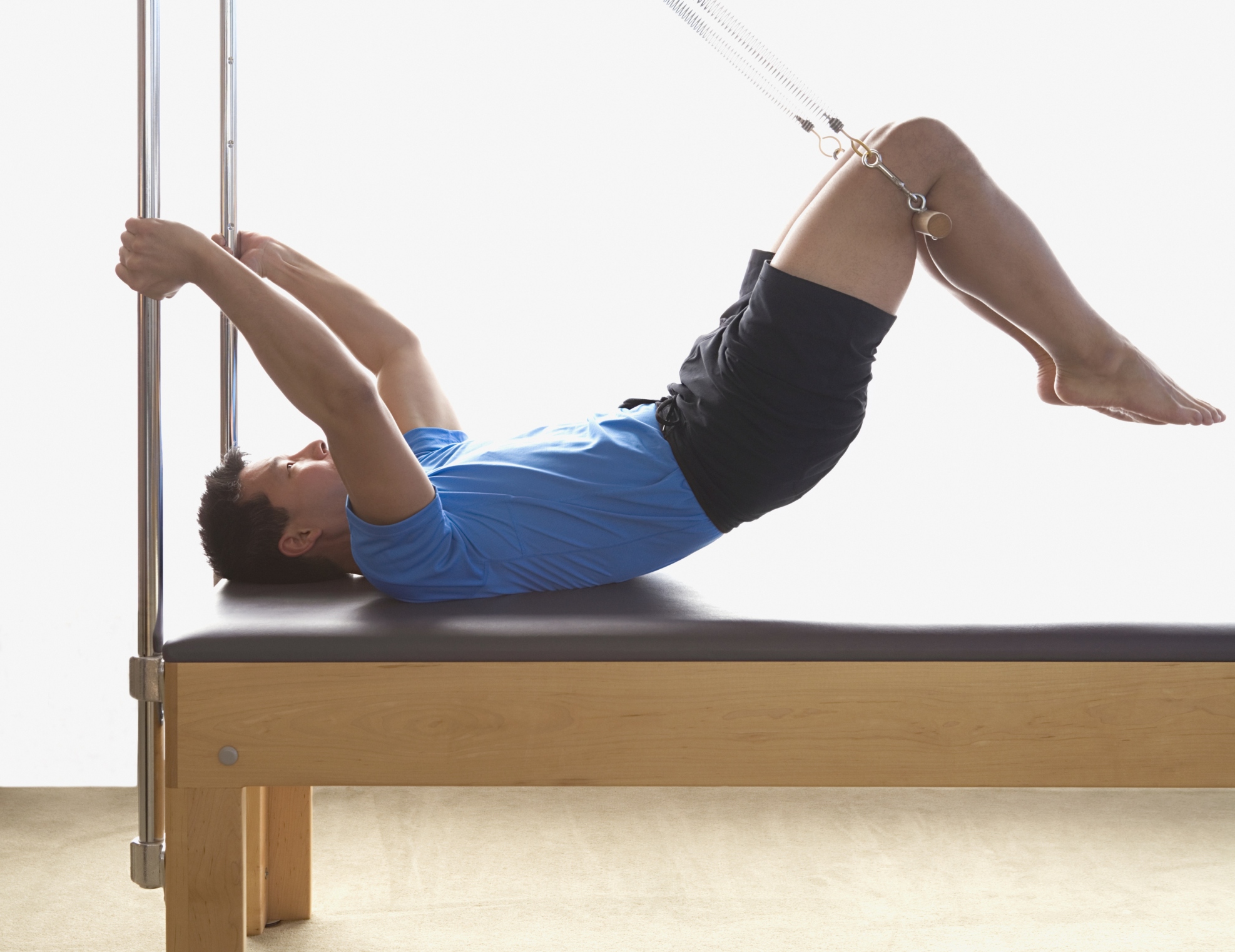
Pilates can be done on a mat or using an “apparatus,” a stretching machine usually found in a Pilates studio.  Some of the main principles and aims of Pilates exercise include:

. Concentrating and focusing on what you’re doing all the time and aiming for smooth movements.

. Increased control of muscle movement teaches you to be in control of your body.

. Increased core strengthening, called “centering,” of the abdomen, lower and upper back, hips, buttocks, and inner thighs strengthens the rest of the body.

. Better flow and efficiency of movement helps to build strength and stamina.

. Increasing the intake of oxygen through proper breathing can increase circulation to every part of the body.

Pilates is generally recommended for people who have chronic lower back pain, but might not be a cure all for everyone. Check with your doctor before embarking on this or any new exercise plan.

All content of this newsletter is intended for general information purposes only and is not intended or implied to be a substitute for professional medical advice, diagnosis or treatment. Please consult a medical professional before adopting any of the suggestions on this page. You must never disregard professional medical advice or delay seeking medical treatment based upon any content of this newsletter. PROMPTLY CONSULT YOUR PHYSICIAN OR CALL 911 IF YOU BELIEVE YOU HAVE A MEDICAL EMERGENCY.

Is Soy Bad For Men?

Recent studies regarding the effects of soy and soy based products like soy milk and tofu have caused some confusion about whether or not soy is good for men.

ThinkstockPhotos-478286446

Soy has been a dietary staple in Asia for many centuries, and studies suggest that it may offer some cardiovascular benefits.  However, the concentration of phytoestrogens found in soy, a group of natural compounds that resemble estrogen chemically, have led some to question if soy might lower testosterone levels in men and cause problems for women who have estrogen-sensitive breast cancers. Experts say that the phytoestrogens in soy mimic estrogen very weakly.  Clinical studies in men have cast doubt on the notion that eating soy influences testosterone levels in any significant way.

A 2012 Journal of Oncology analysis of soy intake and breast cancer rates in women found that soy does not cause any harm. Some studies have even found that women who consume the equivalent of about one to two servings of soy daily have a reduced risk of receiving a diagnosis of breast cancer and of its recurrence. Nutrition guidelines for cancer survivors published by the American Cancer Society note that eating traditional soy foods — like tofu, edamame, miso, tempeh and soy milk — may help lower the risk of breast, prostate and other cancers.  However, highly processed soy, like tofurky, and pill supplements, are not recommended.  Check with your doctor before adding large amounts of soy to your diet.

All content of this newsletter is intended for general information purposes only and is not intended or implied to be a substitute for professional medical advice, diagnosis or treatment. Please consult a medical professional before adopting any of the suggestions on this page. You must never disregard professional medical advice or delay seeking medical treatment based upon any content of this newsletter. PROMPTLY CONSULT YOUR PHYSICIAN OR CALL 911 IF YOU BELIEVE YOU HAVE A MEDICAL EMERGENCY.