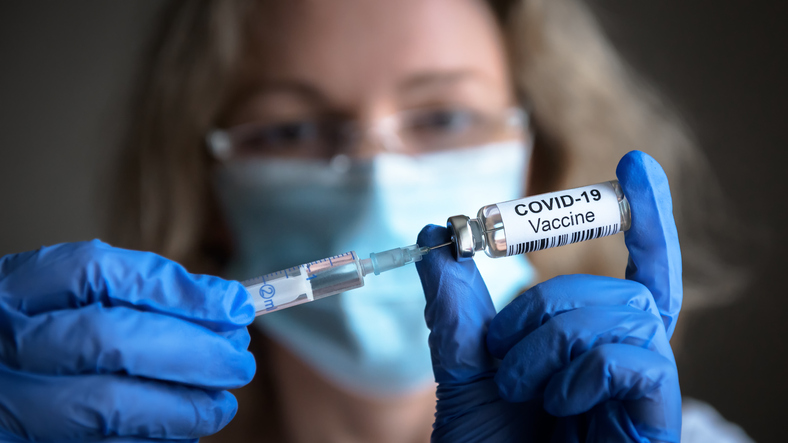
What Not to do After Receiving the Covid-19 Vaccine

People who are fully vaccinated sometimes assume that they no longer have to be as vigilant about taking safety precautions because they are “protected”.

While the vaccine does provide protection from COVID-19. Medical experts advise that you follow these recommendations to avoid complications and reduce risks:

  • Do not get any other vaccines within 14 days of getting the Covid vaccine.
  • Do not leave the vaccine site prior to the 15 minute waiting period is up.
  • Do not assume that you cannot get the virus even if you have been fully vaccinated.
  • Do not stop taking precautions when going out just because you have been vaccinated.

Until more information about the vaccine becomes available it is always wise to speak to your medical doctor about what you can and cannot do once you are fully vaccinated. If you would like to schedule an appointment with a physician at Flushing Hospital Medical Center, please call 718-670-5486.

All content of this newsletter is intended for general information purposes only and is not intended or implied to be a substitute for professional medical advice, diagnosis or treatment. Please consult a medical professional before adopting any of the suggestions on this page. You must never disregard professional medical advice or delay seeking medical treatment based upon any content of this newsletter. PROMPTLY CONSULT YOUR PHYSICIAN OR CALL 911 IF YOU BELIEVE YOU HAVE A MEDICAL EMERGENCY.

COVID-19 Myth or Fact

A very common myth is that Covid-19 affects older people more severely than younger people. The fact is that while older people tend to have more risk factors, people of any age can and do get the virus. A younger person may have a more robust immune system but it will not prevent them from getting the virus. Younger people can be affected just as severely as an older adult. If you would like to schedule an appointment with a physician at Flushing Hospital Medical Center, you may do so by calling 718-670-5486.

All content of this newsletter is intended for general information purposes only and is not intended or implied to be a substitute for professional medical advice, diagnosis or treatment. Please consult a medical professional before adopting any of the suggestions on this page. You must never disregard professional medical advice or delay seeking medical treatment based upon any content of this newsletter. PROMPTLY CONSULT YOUR PHYSICIAN OR CALL 911 IF YOU BELIEVE YOU HAVE A MEDICAL EMERGENCY.
March is National Kidney Month

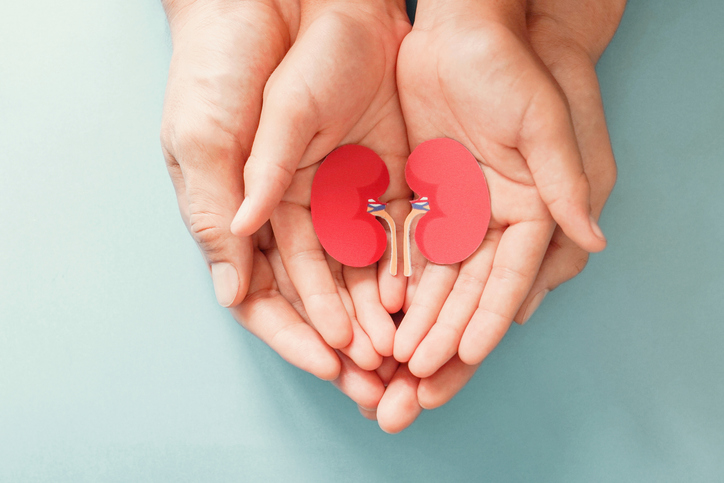
March is National Kidney Month and the National Kidney Foundation is urging all Americans to give their kidneys a well-deserved checkup.

The kidneys are two, fist-sized organs in your lower back. They maintain overall health by serving following functions:

  • Filtering waste out of 200 liters of blood each day
  • Regulating of the body’s salt, potassium and acid content
  • Removing toxins from the body.
  • Balancing the body’s fluids
  • Releasing hormones that regulate blood pressure
  • Producing an active form of vitamin D that promotes strong, healthy bones
  • Controlling the production of red blood cells

According to the U.S. Centers for Disease and Control, some quick facts on Kidney Disease are:

  • Kidney disease is the 9thleading cause of death in the country.
  • More than 26 million Americans have kidney disease, and most don’t know it.
  • There are over 95,000 people waiting for kidney transplants.
  • Currently, more than 590,000 people have kidney failure in the U.S. today.

Often times, kidney failure can be prevented or delayed through early detection and proper treatment of underlying disease such as diabetes and high blood pressure which can slow additional damage to the kidneys.

If you are 18 years or older with diabetes, high blood pressure, cardiovascular disease or a family history of kidney disease, you should schedule an appointment with your doctor and ask that you be screened for kidney disease.

If you would like to make an appointment to have your Kidney’s checked, you can schedule an appointment at Flushing Hospital Medical Center by calling 718-670-5486 for an appointment.

All content of this newsletter is intended for general information purposes only and is not intended or implied to be a substitute for professional medical advice, diagnosis or treatment. Please consult a medical professional before adopting any of the suggestions on this page. You must never disregard professional medical advice or delay seeking medical treatment based upon any content of this newsletter. PROMPTLY CONSULT YOUR PHYSICIAN OR CALL 911 IF YOU BELIEVE YOU HAVE A MEDICAL EMERGENCY.
National Chili Day

Today is National Chili Day and we would like to share with you a vegetarian version of this classic meal.

The ingredients that you will need:

  • 2 tablespoons extra-virgin olive oil
  • 1 medium onion, chopped
  • 1 large bell pepper, chopped
  • 2 medium carrots, chopped
  • ½ teaspoon salt, divided
  • 4 cloves garlic, pressed
  • 2 tablespoons chili powder
  • 2 teaspoons ground cumin
  • 1 ½ teaspoons smoked paprika
  • 1 teaspoon dried oregano
  • 1 large can ( 28 ounces ) diced tomatoes with their juices
  • 2 cans ( 15 ounces ) black beans, rinsed and drained
  • 1 can ( 15 ounces ) pinto beans, rinsed and drained
  • 2 cups vegetable broth or water
  • 1 bay leaf
  • 2 tablespoons chopped fresh cilantro
  • 1 to 2 teaspoons sherry vinegar or red wine vinegar or lime juice
  • Garnishes: chopped cilantro, sliced avocado, tortilla chips, sour cream, grated cheddar cheese

In a large heavy-bottomed pot over a medium heat warm the olive oil until it simmers

Add the chopped onion, bell pepper, carrot, celery and ¼ teaspoon of salt

Stir to combine to combine and then stir occasionally for about 7 – 10 minutes

Add the garlic, chili powder, cumin, smoked paprika and oregano

Cook for about a minute

Add the diced tomatoes and their juices, the rained black beans and pinto beans, vegetable broth and bay leaf. Stir to combine and let mixture simmer for about 30 minutes.

Remove chili from the heat and take out the bay leaf. For the best texture and flavor, transfer 1 ½ cups of the chili to a blender. Blend until smooth watch out for hot steam. Pour the blended mixture back the pot.

Add the chopped cilantro, stir to combine and them mix in the vinegar. Add salt to taste.

Serve by placing the mixture into individual bowls and server with garnishes of your choice.

Total time to prepare 1 hour.

Serves 4 – 6 people.

Enjoy !

All content of this newsletter is intended for general information purposes only and is not intended or implied to be a substitute for professional medical advice, diagnosis or treatment. Please consult a medical professional before adopting any of the suggestions on this page. You must never disregard professional medical advice or delay seeking medical treatment based upon any content of this newsletter. PROMPTLY CONSULT YOUR PHYSICIAN OR CALL 911 IF YOU BELIEVE YOU HAVE A MEDICAL EMERGENCY.
The Health Benefits of Red Wine

Did you know that drinking red wine in moderation may be good for your health? The alcohol and antioxidants in red wine are believed to help prevent heart disease.

The difference between red wine and white wine is that red wine retains the skin of the grapes during the fermentation process and this is where the beneficial chemicals are found.

Red wine contains alcohol and a chemical called polyphenol that helps to protect the lining of the blood vessels in the heart. Reseveratol is the active ingredient in the polyphenol that acts as an antioxidant. The low content of alcohol in red wine may also protect the lining of the blood vessels by preventing blood clots, lowering the bad cholesterol (LDL) and raising the good cholesterol (HDL).

Other potential benefits of red wine include:

  • Improving the healthy bacteria in the intestinal tract
  • Lowering blood pressure
  • Helping the body digest glucose which is important in diabetes control
  • Protecting vision
  • Preventing stroke patients from having recurrences.

Although red wine can provide benefits for heart health, it is important to drink it in moderation. Consuming excessive amounts of alcohol is not good for the body. For those who decide to add red wine to their diet, a moderate amount is considered to be:

  • For women of any age, one 5 ounce glass of wine per day
  • For men 65 years old or older, one 5 ounce glass of wine per day
  • For men up to the age of 65, two 5-ounce glasses of wine per day

One 5 ounce serving of red wine contains 125 calories, 1 gram of sugar, 4 grams of carbohydrates, and a small amount of iron, calcium, some vitamins and minerals.

Please keep in mind that there are risks in consuming alcoholic beverages. Never consume any beverage with alcohol if you have underlying health issues or take certain medications. Never drink and drive or operate any type of equipment while under the influence of an alcoholic beverage.

Consult with your physician if you consume alcoholic beverages on a regular or semi-regular basis to make sure that your body can tolerate it. You may schedule an appointment with a physician at Flushing Hospital Medical Center by calling 718-670-5486.

All content of this newsletter is intended for general information purposes only and is not intended or implied to be a substitute for professional medical advice, diagnosis or treatment. Please consult a medical professional before adopting any of the suggestions on this page. You must never disregard professional medical advice or delay seeking medical treatment based upon any content of this newsletter. PROMPTLY CONSULT YOUR PHYSICIAN OR CALL 911 IF YOU BELIEVE YOU HAVE A MEDICAL EMERGENCY.

Did You Know That Vitamins Can Help Boost Your Immunity ?

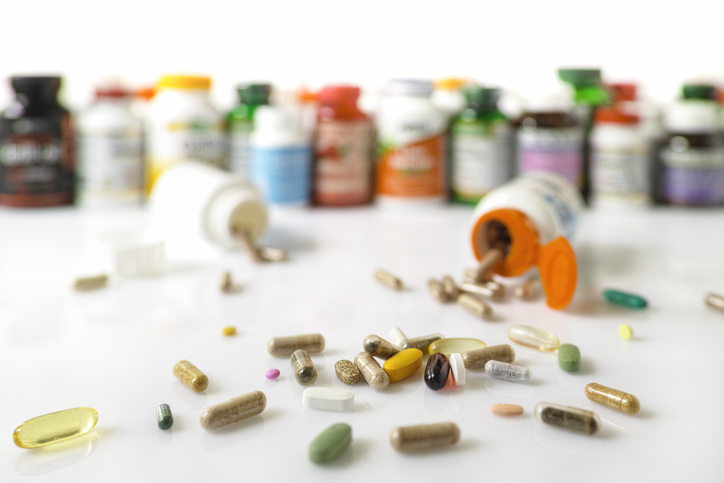
The body’s immune system is our primary line of defense against many types of illnesses. Therefore, it is important that we provide it with the nutrients and vitamins needed to help keep it strong.

Here is a list of vitamins that are known to boost immunity, the foods in which they are found, and the benefits they provide for our health:


Vitamin C acts as an antioxidant helps to fight inflammation and is found in:

  • Kale
  • Spinach
  • Papaya
  • Strawberries
  • Bell Peppers
  • Brussel sprouts

Vitamin E acts as an antioxidant and is found in:

  • Peanuts
  • Sunflower seeds
  • Almonds
  • Hazel nuts
  • Soybean oil

Vitamin A helps to fight infections and is found in:

  • Carrots
  • Sweet potatoes
  • Pumpkin
  • Cantaloupe
  • Dark green leafy vegetables

Vitamin D helps the body to absorb and regulate calcium and phosphorous and is found in:

  • Salmon
  • Tuna
  • Mackerel
  • Sardines
  • Milk

Vitamin B6 helps the body perform biochemical reactions and is found in:

  • Salmon
  • Tuna
  • Chicken

While it always best to get your vitamins from the foods that you eat, taking vitamin supplements can also be very effective.

If you would like to schedule an appointment with a doctor at Flushing Hospital Medical Center to discuss your nutrition, please call 718-670-5487.

All content of this newsletter is intended for general information purposes only and is not intended or implied to be a substitute for professional medical advice, diagnosis or treatment. Please consult a medical professional before adopting any of the suggestions on this page. You must never disregard professional medical advice or delay seeking medical treatment based upon any content of this newsletter. PROMPTLY CONSULT YOUR PHYSICIAN OR CALL 911 IF YOU BELIEVE YOU HAVE A MEDICAL EMERGENCY.

Big Game Safety Tips

Like so many other events over the past 12 months, this year’s Super Bowl celebrations will be different from previous ones. The “Big Game” is typically one of the largest social events of the year, but because of the COVID pandemic, large gatherings are strongly discouraged.

The fact that we are unable to get together the way we normally would doesn’t mean we still can’t have a fun experience.

One way to enjoy the game with extended friends and family is to host a virtual event.  This is considered the safest way to celebrate the Super Bowl. According to the Centers for Disease Control and Prevention (CDC), some of the ways to make a virtual event fun include:

  • Wear clothing or decorate your home with your favorite team’s logo or colors.
  • Make appetizers or snacks with the people you live with to enjoy while watching the game and share the recipes with your friends and family.
  • Start a text group with other fans to chat about the game while watching.

Another option is to use a projector screen to host an outdoor viewing event.  While not as safe as a virtual event, getting together outdoors is considered less risky than an indoor event.

Normal behavior at Super Bowl gatherings include a lot of shouting, cheering and laughing. When this occurs outdoors, the tiny droplets of saliva that come out of our mouths is better dispersed into the environment and become more diluted, making the risk of infection less likely.

When hosting an outdoor party, some safety tips include spacing guests six feet apart and encouraging everyone bring their own snacks.

Like holiday gathering, Super Bowl parties can be super-spreader events. Following these suggestions will help control the spread of COVID and save lives.

All content of this newsletter is intended for general information purposes only and is not intended or implied to be a substitute for professional medical advice, diagnosis or treatment. Please consult a medical professional before adopting any of the suggestions on this page. You must never disregard professional medical advice or delay seeking medical treatment based upon any content of this newsletter. PROMPTLY CONSULT YOUR PHYSICIAN OR CALL 911 IF YOU BELIEVE YOU HAVE A MEDICAL EMERGENCY.
This Month’s Home Exercise Tips

This month’s home work out tip is very simple. All exercise routines, whether performed at home or in a gym should include the following elements:

  • Warm-up
  • Cardiovascular workout
  • Strength building
  • Movement to help flexibility
  • Cooling off period

It is always important to get the body ready for exercise by warming up. It is just as important to help the body recover by cooling down. Cardiovascular, strength and flexibility exercises help us to target all the major muscle groups in our bodies, and improve our overall level fitness.

All content of this newsletter is intended for general information purposes only and is not intended or implied to be a substitute for professional medical advice, diagnosis or treatment. Please consult a medical professional before adopting any of the suggestions on this page. You must never disregard professional medical advice or delay seeking medical treatment based upon any content of this newsletter. PROMPTLY CONSULT YOUR PHYSICIAN OR CALL 911 IF YOU BELIEVE YOU HAVE A MEDICAL EMERGENCY.

Cold Weather and Asthma

People who suffer from asthma definitely know the effects that cold air can have on their ability to breathe.  When very cold and dry air enters the body, and subsequently the lungs it can cause a tightening of the airways. Cold air can cause wheezing, tightness of the chest muscles, shortness of breath, coughing, a sense of dizziness and sometimes difficulty speaking.

Taking some precautions before going outside in very cold weather can help ease the symptoms. It is important to keep asthma under control at all times. It can be helpful to take a dose of an asthma inhalant ten minutes before going outdoors. This will aid in keeping the airways open. People with asthma should carry their medication with them if they know they are going to be outdoors for any period of time. Another good idea is to keep your mouth and nose covered with a scarf when you are outside in cold weather. This will help to warm the air you are breathing. Anyone who has asthma should avoid strenuous outdoor activities. Sometimes the act of just walking on a windy day can bring on symptoms of an asthma attack. Try breathing through your nose more and through your mouth less. This will help to warm the air that enters your lungs.

People with asthma know the effects it can have during the cold days of winter. Taking a few precautions can help minimize the effects of the cold air on the body.

If you would like to schedule an appointment with a physician at Flushing Hospital, please call 718-670-5486.

All content of this newsletter is intended for general information purposes only and is not intended or implied to be a substitute for professional medical advice, diagnosis or treatment. Please consult a medical professional before adopting any of the suggestions on this page. You must never disregard professional medical advice or delay seeking medical treatment based upon any content of this newsletter. PROMPTLY CONSULT YOUR PHYSICIAN OR CALL 911 IF YOU BELIEVE YOU HAVE A MEDICAL EMERGENCY.

January is National Glaucoma Awareness Month

Glaucoma is a group of eye diseases that mainly affects people who are middle aged or older, but it can affect anyone at any age. There are more than three million people in the United States and 60 million people worldwide who suffer from glaucoma.

Glaucoma is the second leading cause of blindness. Typically the disease starts to develop suddenly, often without symptoms,  and once vision is lost, it is permanent. As much as 40 percent of vision can be lost before some people even notice a problem. It usually starts with loss of peripheral vision. Glaucoma  is caused by damage to the optic nerve so that the  brain isn’t able to receive images from the eyes. There are two types of Glaucoma, Primary Open-Angle Glaucoma where pressure inside the eye increases on its own and damages the optic nerve and Secondary Glaucoma where another disease causes the pressure in the eye to increase and that results in optic nerve damage. Both types will eventually lead to blindness.

Early detection of Glaucoma can help to slow down the progression of the disease. Regular eye exams are very important. To schedule an appointment with an eye doctor at Flushing Hospital, please call 718- 670-5486.

All content of this newsletter is intended for general information purposes only and is not intended or implied to be a substitute for professional medical advice, diagnosis or treatment. Please consult a medical professional before adopting any of the suggestions on this page. You must never disregard professional medical advice or delay seeking medical treatment based upon any content of this newsletter. PROMPTLY CONSULT YOUR PHYSICIAN OR CALL 911 IF YOU BELIEVE YOU HAVE A MEDICAL EMERGENCY.