
Celebrating New Year’s Eve 2021

The Centers for Disease Control and Prevention (CDC) recently issued guidelines for Americans to safely celebrate New Year’s Eve.

The CDC recommends postponing travel and celebrating at home with people you live with. You can always ring in the New Year virtually with friends and family. These are the best and safest ways to protect those living in your household and others.

If you are intending to travel or go out for New Year’s Eve events, the CDC cautions you to:

  • If traveling – Research your chosen destination for cases of COVID- 19. You can utilize the CDC’s COVID Data Trackerto identify the latest number of cases in each area.
  • Always wear a mask in public settings (restaurants, public transportation, when around people who don’t live with you)
  • Wear your mask correctly – Over your nose and mouth, secured under your chin while snugly hugging your cheeks.
  • Get your flu shot
  • Stay at least 6 feet from people who do not live with you.
  • Avoid crowds and poorly ventilated indoor spaces.
  • Wash your hands often with soap and water for at least 20 seconds especially after you have been in a public place, after blowing your nose, coughing or sneezing and before eating
  • Stay home if you are sick
  • Isolate yourself from other members of your family and wear a mask if you are sick.

If you are hosting a celebration, the CDC recommends:

  • Talk with guests ahead of time to set expectations for celebrating together.
  • Limit the number of guests.
  • Keep celebrations outdoors, if possible.
  • If indoors, open windows and doors.  Use a window fan to blow air out, which will pull fresh are in through the open windows.
  • Clean and disinfect frequently touched surfaces and items between use
  • Have guests bring their own food, drinks, plates, cups and utensils
  • Have extra unused masks available for your guests and encourage everyone to wear them inside and outside.
  • Keep background music volume low so guests don’t need to shout.

You also need to be mindful that, along with the new CDC guidelines, New Year’s Eve revelers are also urged to keep the traditional safety tips such as not drinking excessively or driving while intoxicated.

There is no doubt that 2020 has been an unusual year because of the COVID-19 pandemic.  The virus has all but re-imagined how we celebrate our holidays. With the New Year approaching, we are all awaiting better days to come. Let’s celebrate, but let’s do it safely.

For more tips and guidelines visit – https://www.cdc.gov/coronavirus/2019-ncov/daily-life-coping/holidays/new-years-eve.html#:~:text=Stay%20at%20least%206%20feet,as%20masks%20and%20hand%20sanitizer.

All content of this newsletter is intended for general information purposes only and is not intended or implied to be a substitute for professional medical advice, diagnosis or treatment. Please consult a medical professional before adopting any of the suggestions on this page. You must never disregard professional medical advice or delay seeking medical treatment based upon any content of this newsletter. PROMPTLY CONSULT YOUR PHYSICIAN OR CALL 911 IF YOU BELIEVE YOU HAVE A MEDICAL EMERGENCY.

Holiday Safety Tips

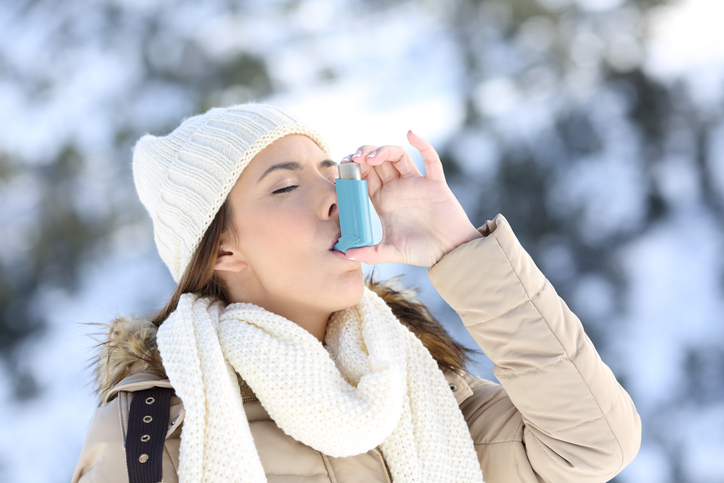
Christmas and New Year’s Eve are typically holidays where we gather with our family and friends to celebrate but this year is unlike any other. In an effort to keep you safe, Flushing Hospital Medical Center offers the following tips to modify your holiday celebration during the COVID-19 pandemic.

This year many health experts are recommending that we spend the holiday with only the people we live with year round and who are consistently taking precautions and are at the lowest risk. Once we open our home to people who don’t live with us, such as people traveling from other cities or states such as college students, we are increase the risk of spreading the virus. In addition, it is strongly recommended that gatherings be limited to ten people or less.

The Centers for Disease Control issued the following criteria for people who should not attend holiday gatherings. They include:

  • Anyone who has been diagnosed with COVID-19 recently
  • Anyone with symptoms of COVID-19
  • Anyone waiting for test results
  • Anyone who was exposed to someone else with COVID-19
  • Anyone who is immunocompromised

All guests should be asked to wear a mask and to maintain social distancing and avoid loud talking and singing. The number of people preparing and serving the meal should be limited to just a few. They should all be wearing masks and they should be washing their hands frequently. Other guests should also be encouraged to wash their hands as soon as they enter the home and limit contact with surfaces of furniture. It is also recommended that there be only one source of food preparation. This means food from other households should be avoided as best as possible.

This year the holiday will definitely have a different vibe than what we have been accustomed to in the past but if we all practice safety precautions, we can still enjoy festivities.

All content of this newsletter is intended for general information purposes only and is not intended or implied to be a substitute for professional medical advice, diagnosis or treatment. Please consult a medical professional before adopting any of the suggestions on this page. You must never disregard professional medical advice or delay seeking medical treatment based upon any content of this newsletter. PROMPTLY CONSULT YOUR PHYSICIAN OR CALL 911 IF YOU BELIEVE YOU HAVE A MEDICAL EMERGENCY.
Frequently Asked Questions About the COVID-19 Vaccine

The Centers for Disease Control and Prevention (CDC) determines if a vaccine is appropriate based on the recommendations from the Advisory Committee on Immunizations and Practices (ACIP). The ACIP is a group of medical and public health experts that develop recommendations on how to use vaccines to control diseases in the United States.

Factors that the ACIP consider in their recommendations of vaccines include:

  • Safety and effectiveness
  • Severity of the disease
  • The number of people who get the disease if there is no vaccine
  • How effective is the vaccine for different age groups

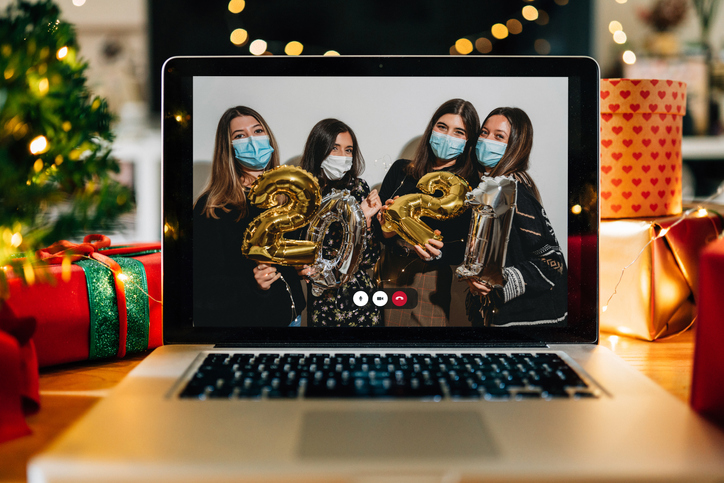
The recent news about the availability of a COVID-19  vaccine has led to questions from many members of our community. Flushing Hospital Medical Center is sharing the following information from the Centers for Disease Control  and Prevention (CDC) in an attempt to answer them.

Some commonly asked questions that people are asking:

Who will receive the vaccine first?

At the present time, the first people to receive the vaccine will be frontline healthcare workers and elderly patients who are in extended care facilities such as nursing homes.

Is the vaccine safe?

The vaccines that are being distributed have undergone rigorous testing and have met the safety standards set forth by the CDC and the Food and Drug Administration (FDA).

Are there any side effects of this vaccine?

The known side effects of the vaccines currently being distributed include soreness in the arm in which the vaccine was administered and some people have developed low grade fevers. Both of these only lasted less than 48 hours. There may be other side effects that we aren’t aware of yet.

Will the vaccine prevent me from getting COVID-19 ?

This vaccine, like all other vaccines, will lessen the chances of getting the virus but is not 100 percent guaranteed to be effective for everyone.

How long will the vaccine be effective for?

Until more time has passed and more people have been vaccinated, the CDC is not sure how long the vaccine will be effective for.

Do I need to wear a mask when I receive the vaccine?

Yes. Receiving the vaccine does not guarantee that you will not get the virus. Anytime you are outside of your immediate household and in contact with others, you should wear a mask that covers your nose and mouth.

Will I still have to follow safety protocols even though I have received the vaccine?

Yes. The vaccine is only one component of the safety measures that will still have to be followed.

How many times will I have to be vaccinated?

At the present time, it will be necessary to receive two doses of the vaccine and you will be given a date when you receive the first dose and when to come back for the second one.

If I already had the virus, should I still get the vaccine?

At the present time the CDC feels there isn’t enough information available to answer this question.

What should I do if I have a reaction to the vaccine?

You should contact your health care provider immediately as well as to the Vaccine Adverse Event Reporting System (VAERS).

The first doses were delivered around the United States on Monday December 14th. Once mass distribution begins the answers to the frequently asked questions will be answered more accurately. Here is the link to the CDC to provide you with more
information about the vaccine https://www.cdc.gov/coronavirus/2019-ncov/vaccines/faq.html

All content of this newsletter is intended for general information purposes only and is not intended or implied to be a substitute for professional medical advice, diagnosis or treatment. Please consult a medical professional before adopting any of the suggestions on this page. You must never disregard professional medical advice or delay seeking medical treatment based upon any content of this newsletter. PROMPTLY CONSULT YOUR PHYSICIAN OR CALL 911 IF YOU BELIEVE YOU HAVE A MEDICAL EMERGENCY.
What is Post-traumatic Stress Disorder ?

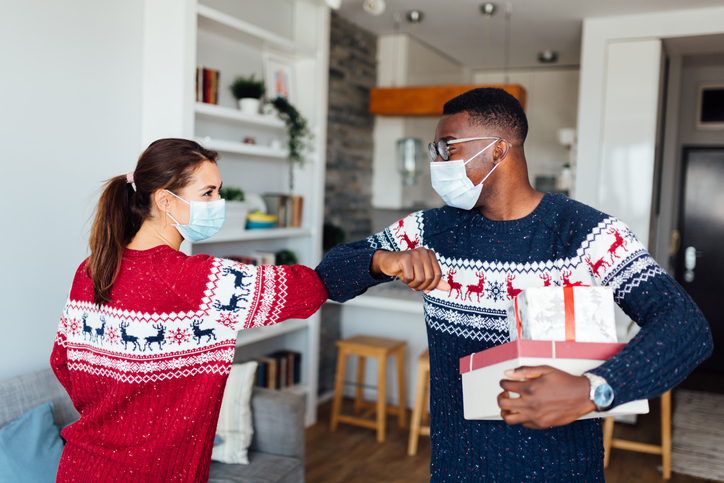
When people live through a traumatic event such as a war, an act of violence, a rape, a serious accident, an act of terrorism, or have been seriously threatened, they may experience  Post-traumatic Stress Disorder, also known as PTSD. This is a mental health disorder that affects approximately 3.5% of the U.S. population. PTSD is known to occur more commonly in women than men and certain ethnic groups including Latinos, African Americans, and American Indians.

When people go through traumatic events they may not necessarily experience the effects immediately. It is not uncommon for the symptoms to start anywhere from a month to several years after the event.  Sometimes traumatic events that occur during childhood may not manifest until later in life.

Symptoms of PTSD can vary from person to person and are divided into four groups: Intrusive memories, avoidance, changes in emotional and physical reactions, and negative changes in thinking.

Symptoms of intrusive memories include:

  • Flashbacks
  • Nightmares
  • Severe emotional distress or physical reactions

Symptoms of avoidance include:

  • Avoiding certain places that remind you of the event
  • Avoiding talking about the event

Symptoms of changes in emotional and physical reactions include:

  • Easily frightened
  • Difficulty sleeping
  • Difficulty concentrating
  • Aggressive behavior

Symptoms of negative changes in thinking include:

  • Feeling hopeless
  • Negative thoughts about the world or yourself
  • Difficulty maintain relationships
  • Sense of detachment

Long-term PTSD may lead to alcohol or substance abuse, eating disorders, thoughts of suicide or depression. Complications can also lead to poor coping skills, loss of work, loss of relationships and health complications.

Anyone who has experienced a traumatic event and has any PTSD symptoms that last more than a few weeks should seek professional care. If any of the symptoms are so severe that they may lead to physical danger, for themselves or to someone else, 911 should be called immediately. If you would like to schedule an appointment with a mental health professional at Flushing Hospital Medical Center please call, 718-670-5486.

All content of this newsletter is intended for general information purposes only and is not intended or implied to be a substitute for professional medical advice, diagnosis or treatment. Please consult a medical professional before adopting any of the suggestions on this page. You must never disregard professional medical advice or delay seeking medical treatment based upon any content of this newsletter. PROMPTLY CONSULT YOUR PHYSICIAN OR CALL 911 IF YOU BELIEVE YOU HAVE A MEDICAL EMERGENCY.

Winter Skin Care Tips

Winter can be a particularly harsh season for our skin. Not only is the cold temperature to blame but also the dry air which affects the skin.  A major reason skin becomes dry is because of the low humidity in the environment. Another reason is because we spend more time indoors where heating systems tend to warm the air and deplete the water content in the environment.

Dry skin most commonly appears as being rough and flaky patches on the arms and legs which are typically the areas exposed to the air. In more severe cases, the skin will develop creases and cracks when it is extremely dry. The feet and hands frequently show deep fissures and cracks during the winter months because the skin tends to be thinner and there is less protection from micro trauma.

The outer layer of the skin is called the stratum corneum. It is composed of dead skin cells and natural oils that act as a protective layer, preventing water from evaporating from the surface. When the outer layer becomes compromised, water begins to evaporate, outer skin cells become flaky and will cause cracks and fissures.

Steps we can take to prevent dry skin:

  • Bathe in warm water, never hot
  • Use mild soaps that contain moisturizing creams
  • Pat the skin dry with soft towels
  • Use a moisturizer several times a day on exposed areas of the body.
  • Drink a lot of water
  • Apply sunscreen to prevent drying out from the sun’s rays
  • Wear gloves
  • Avoid wearing wet articles of clothes outdoors.
  • Have a humidifier in the home

If you would like to schedule an appointment with a dermatologist at Flushing Hospital Medical Center to discuss dry skin and how best to treat it, please call 718-670-5486.

All content of this newsletter is intended for general information purposes only and is not intended or implied to be a substitute for professional medical advice, diagnosis or treatment. Please consult a medical professional before adopting any of the suggestions on this page. You must never disregard professional medical advice or delay seeking medical treatment based upon any content of this newsletter. PROMPTLY CONSULT YOUR PHYSICIAN OR CALL 911 IF YOU BELIEVE YOU HAVE A MEDICAL EMERGENCY.

The Great American Smokeout

Every year, on the third Thursday of November, the American Cancer Society encourages everyone to take part in the Great American Smokeout. This event helps to make people aware of the dangers of using tobacco products as well as the tools that are available to help them quit smoking.

The Great American Smokeout started in 1970 in a small town in Massachusetts. People were asked to give up smoking for one day and to take the money that they would have spent on cigarettes and donate it to a local high school scholarship fund. The event spread to other cities both large and small and eventually led to legislation that bans smoking in workplaces, restaurants, and other public spaces both indoors and outdoors.

Smoking is responsible for one in five deaths in the United States today. Lung cancer is the leading cause of death in both men and women. Smoking is also the cause of cancer of the larynx, mouth, sinuses, throat, esophagus, and the bladder. The number of people who smoke has dramatically decreased in the United States since the anti-smoking campaigns began. In 1965 it was estimated that over 40 percent of the population were smokers and today that number is around 18 percent.

Smokers have the best chances of quitting if they use at least two of the following methods:

  • Smoking Cessation Groups
  • Nicotine substitute products
  • Support from family and friends
  • Telephone quit lines
  • Counseling
  • Prescription medications that help to reduce the urge to smoke

If you would like more information about quitting smoking please call the American Cancer Society at 1-800-227-2345. If you would like to schedule an appointment with a doctor at Flushing Hospital Medical Center to discuss smoking cessation, please call 718-206-8494.

All content of this newsletter is intended for general information purposes only and is not intended or implied to be a substitute for professional medical advice, diagnosis or treatment. Please consult a medical professional before adopting any of the suggestions on this page. You must never disregard professional medical advice or delay seeking medical treatment based upon any content of this newsletter. PROMPTLY CONSULT YOUR PHYSICIAN OR CALL 911 IF YOU BELIEVE YOU HAVE A MEDICAL EMERGENCY.

Thanksgiving COVID-19 Tips

Thanksgiving is typically a holiday where we gather with our family and friends but this year is unlike any other. In an effort to keep you safe, Flushing Hospital Medical Center offers the following tips to modify your holiday celebration during the COVID-19 pandemic.

This year many health experts are recommending that we spend the holiday with only the people we live with year round and who are consistently taking precautions and are at the lowest risk. Once we open our home to people who don’t live with us, such as people traveling from other cities or states such as college students, we are increase the risk of spreading the virus. In addition, it is strongly recommended that gatherings be limited to ten people or less.

The Centers for Disease Control issued the following criteria for people who should not attend holiday gatherings. They include:

  • Anyone who has been diagnosed with COVID-19 recently
  • Anyone with symptoms of COVID-19
  • Anyone waiting for test results
  • Anyone who was exposed to someone else with COVID-19
  • Anyone who is immunocompromised

All guests should be asked to wear a mask and to maintain social distancing and avoid loud talking and singing. The number of people preparing and serving the meal should be limited to just a few. They should all be wearing masks and they should be washing their hands frequently. Other guests should also be encouraged to wash their hands as soon as they enter the home and limit contact with surfaces of furniture. It is also recommended that there be only one source of food preparation. This means food from other households should be avoided as best as possible.

This year the holiday will definitely have a different vibe than what we have been accustomed to in the past but if we all practice safety precautions, we can still enjoy festivities.

All content of this newsletter is intended for general information purposes only and is not intended or implied to be a substitute for professional medical advice, diagnosis or treatment. Please consult a medical professional before adopting any of the suggestions on this page. You must never disregard professional medical advice or delay seeking medical treatment based upon any content of this newsletter. PROMPTLY CONSULT YOUR PHYSICIAN OR CALL 911 IF YOU BELIEVE YOU HAVE A MEDICAL EMERGENCY.

November is Prematurity Awareness Month

November is Prematurity Awareness Month which is defined as a baby born before the mother reaches 37 weeks of pregnancy. It is estimated that approximately 15 million babies around the world are born prematurely and approximately one million of them do not survive. The earlier a baby is born the more problems they are likely to have.

There are several factors that can lead to mothers having premature babies. Some of the risk factors are smoking, alcohol or substance abuse, poor nutrition, being under the age of 19 or over the age of 35, poor quality of prenatal care, previous premature babies, and abnormally shaped reproductive organs.

Some of the health issues that premature babies can experience are:

  • Breathing problems
  • Heart problems
  • Anemia
  • Gastrointestinal problems
  • Brain problems
  • Metabolism problems
  • Low blood pressure
  • Infections

Premature babies often require specialized care before they are able to leave the hospital. Flushing Hospital Medical Center has a specialized unit called the Neonatal Intensive Care Unit (NICU) that has a highly trained staff and the equipment needed to care for these babies. The team is comprised of neonatologists, registered nurses, respiratory therapists, pharmacists, physical and occupational therapists, as well as several other support staff and consultants.

The criteria for allowing a premature baby to be discharged from the hospital is dependent on each baby’s progress. Typically a baby has to be able to breath on their own, should weigh about 4 pounds, can be breastfed or bottle fed successfully, and can maintain a stable body temperature.

A premature baby may require special care once they are allowed to go home from the hospital. You can speak to your pediatrician about what that may include. To schedule an appointment with a pediatrician at Flushing Hospital Medical Center, please call 718-670-5486.

All content of this newsletter is intended for general information purposes only and is not intended or implied to be a substitute for professional medical advice, diagnosis or treatment. Please consult a medical professional before adopting any of the suggestions on this page. You must never disregard professional medical advice or delay seeking medical treatment based upon any content of this newsletter. PROMPTLY CONSULT YOUR PHYSICIAN OR CALL 911 IF YOU BELIEVE YOU HAVE A MEDICAL EMERGENCY.

World Psoriasis Day is October 29th

October 29th has been designated as World Psoriasis Day by the International Federation of Psoriasis Association to raise awareness about this disease. It is estimated that worldwide there are 125 million people worldwide who have psoriasis.

Psoriasis is a chronic, reoccurring, immune related inflammatory disorder of the skin. It is believed to have a genetic component which means it can run in families. The disease usually starts to appear in the younger years and continues into adulthood, and it affects men and women equally. There is no known cause other than it is triggered by a malfunctioning of the immune system.  Psoriasis is unsightly but is not contagious.

Psoriasis presents as reddish plaques on the skin with silvery scales. These lesions can be very painful and itchy. It can also affect the joints (psoriatic arthritis) which can cause physical and functional deformity. There is no cure for the disease, but treatments do exist that make the skin lesions less painful and less visible.

To make an appointment with a dermatologist at Flushing Hospital Medical Center’s Ambulatory Care Center, please call  718-670-5486

All content of this newsletter is intended for general information purposes only and is not intended or implied to be a substitute for professional medical advice, diagnosis or treatment. Please consult a medical professional before adopting any of the suggestions on this page. You must never disregard professional medical advice or delay seeking medical treatment based upon any content of this newsletter. PROMPTLY CONSULT YOUR PHYSICIAN OR CALL 911 IF YOU BELIEVE YOU HAVE A MEDICAL EMERGENCY.

Is Your Pain From Osteoarthritis Or Another Similar Condition ?

Osteoarthritis is a common joint disease that typically affects parts of the body where joints are weight bearing such as the knees, hips, spine, hands or feet. It is caused by the wearing down of cartilage which is the tissue that cushions the bones where they meet each other to form a joint. Over time, the loss of cartilage will lead to bone rubbing against bone which causes them to erode and become painful with motion.

Osteoarthritis is sometimes mistaken for similar diseases that also cause joint pain. Some of these diseases include:

  • Psoriatic arthritis
  • Rheumatoid arthritis
  • Lupus
  • Reactive arthritis
  • Lyme disease

A characteristic that distinguishes osteoarthritis from these diseases is the way that joint pain presents itself. For those suffering from osteoarthritis, pain usually occurs as a result of exertion of the joints, and typically occur during or after movement. The diseases that present with some of the same characteristics, movement within a joint is not usually reason for the pain to occur.

Diagnosing osteoarthritis is done by performing lab tests to check for indicators in the blood and also by performing x-rays to check for distinctive patterns of bone and joint involvement.

If you are experiencing symptoms of osteoarthritis such as joint pain or limited mobility, you can make an appointment with a specialist known as a rheumatologist who can make a diagnosis. Treatment of the disease may include medications, therapy or surgery.

To schedule an appointment with a physician at Flushing Hospital Medical Center please call 718-670-5486.

All content of this newsletter is intended for general information purposes only and is not intended or implied to be a substitute for professional medical advice, diagnosis or treatment. Please consult a medical professional before adopting any of the suggestions on this page. You must never disregard professional medical advice or delay seeking medical treatment based upon any content of this newsletter. PROMPTLY CONSULT YOUR PHYSICIAN OR CALL 911 IF YOU BELIEVE YOU HAVE A MEDICAL EMERGENCY.