Children With An Overactive Bladder

Overactive Bladder (OAB) is a commonly seen condition in children. It is characterized by a sudden and uncontrollable urge to urinate. OAB and bed-wetting are often thought to be the same.  However, OAB is different from bed wetting which is caused by a child being unable to control their bladder at night.

Typically, an overactive bladder in children is caused by a problem and (or) delay in the maturation of the nervous system. Other causes may include:

  • Having frequent urinary tract infections
  • Stress
  • Having a new child in the house
  • Drinking too much water or soda
  • Forgetting to use the bathroom when needed
  • Incomplete or early toilet training (training before a child is ready)

OAB can be embarrassing to the child and the caregiver when it leads to “accidents”, it can also affect a child’s emotional and social development.

Potential medical complications caused by an overactive bladder are:

  • Kidney damage
  • Urinary tract infections
  • Difficulty emptying the bladder completely

Depending on the cause of overactive bladder in children, there are different ways to treat it. Placing a child on a schedule to use the bathroom is a helpful way to teach them control. Another technique is called double-voiding where right after urinating the first time, the child goes back to the bathroom to try and urinate again. This method helps to fully empty the bladder. In some cases, a child may benefit from biofeedback training with the help of a skilled professional. A doctor may also prescribe a bladder-relaxing medication.

If you would like to schedule an appointment with a pediatrician at Flushing Hospital Medical Center, please call 718-670-5486.

All content of this newsletter is intended for general information purposes only and is not intended or implied to be a substitute for professional medical advice, diagnosis or treatment. Please consult a medical professional before adopting any of the suggestions on this page. You must never disregard professional medical advice or delay seeking medical treatment based upon any content of this newsletter. PROMPTLY CONSULT YOUR PHYSICIAN OR CALL 911 IF YOU BELIEVE YOU HAVE A MEDICAL EMERGENCY.

How Does Dehydration Affect the Body ?

Dehydration is a condition, seen at any time of the year but more often during the warmer months,  whereby the body doesn’t have enough water and therefore is unable to function properly. The severity of dehydration, mild, moderate or severe indicates how much water is missing from the body. Severe dehydration can lead to the body going into shock. The people who are most susceptible to dehydration are people who work outdoors in warm weather, and also athletes, the elderly, and people who live in high altitudes.

The body loses water in various ways. These include:

  • Sweating
  • Urinating
  • Breathing,
  • Crying
  • Pooping

We can lose an even greater amount of water when we have a fever, diarrhea, vomiting, sweating heavily while exercising strenuously, frequently urinating due to diabetes or when taking certain medications that cause us to deplete the water in our bodies.

What are the symptoms of dehydration? Depending on the severity, in adults they can include:

  • Headaches
  • Dizziness
  • Weakness
  • Muscle cramps
  • Low blood pressure
  • Dark urine
  • Dry skin
  • Rapid heartbeat
  • Rapid breathing
  • Sleepiness

In young children symptoms of dehydration can also include having a dry diaper for several hours, crying without tears, sunken eyes, irritability, and a dry mouth and tongue.

The recommended amount of water taken in every day for an adult woman is 92 fluid ounces and for an adult man it is 124 fluid ounces. More water may be necessary if exercising strenuously or spending time in a very warm environment for an extended period of time. It is recommended that people who are dehydrated avoid caffeinated beverages, sugary drinks, and drinks containing alcohol.

If a person is suspected of being dehydrated, medical exams can help to diagnose it. This will include a thorough history, blood pressure, heart rate, blood test, and urine exams. A simple way to rehydrate some people is to have them drink more water during the day, and in some cases a sports drink that contains electrolytes. A young child may be given called Pedialyte. In more severe cases it may be necessary to give fluids intravenously.

If you have symptoms of dehydration, consult with a physician immediately. A severe case of dehydration can lead to complications, and potentially death. For less severe cases., you can schedule an appointment with a physician at Flushing Hospital Medical Center by calling 718-670-5486.

All content of this newsletter is intended for general information purposes only and is not intended or implied to be a substitute for professional medical advice, diagnosis or treatment. Please consult a medical professional before adopting any of the suggestions on this page. You must never disregard professional medical advice or delay seeking medical treatment based upon any content of this newsletter. PROMPTLY CONSULT YOUR PHYSICIAN OR CALL 911 IF YOU BELIEVE YOU HAVE A MEDICAL EMERGENCY.

Celebrating National Senior Health and Fitness Awareness Day

This year marks the 28th anniversary of National Senior Health and Fitness Day. The purpose of this event is to promote fitness in older adults and raise awareness of the benefits of regular exercise.

Exercising regularly is an excellent way to maintain good health as you grow older. The Centers for Disease Control and Prevention (CDC) recommends that older adults participate in at least 150 minutes of moderate-intensity aerobic activity every week and muscle strengthening activity at least twice a week.  These guidelines are recommended for those who are 65 years of age and older, are generally fit, and have no limiting health conditions.

Some of the benefits of keeping active, for everyone but especially seniors, include:

  • Improving balance and reducing the risk of falling
  • Maintaining a healthy blood pressure
  • Allowing for more socialization
  • Reducing the risk of diabetes and heart disease
  • Reducing the risk of joint stiffening

There are many ways to participate in National Senior Health and Fitness Day. Some of them include:

  • Visiting a park and walking along a path or a trail
  • Participating in a fitness class
  • Gardening
  • Swimming
  • Dancing
  • Getting a check-up to know the status of your physical health

Many senior centers, parks and recreation centers will be holding classes to recognize this event. You can also start a fitness routine at home that will help keep you active. It is advised that you speak with a doctor before starting an exercise routine.  If you would like to schedule an appointment with a physician at Flushing Hospital Medical Center to monitor your health, please call 718-670-5486.

All content of this newsletter is intended for general information purposes only and is not intended or implied to be a substitute for professional medical advice, diagnosis or treatment. Please consult a medical professional before adopting any of the suggestions on this page. You must never disregard professional medical advice or delay seeking medical treatment based upon any content of this newsletter. PROMPTLY CONSULT YOUR PHYSICIAN OR CALL 911 IF YOU BELIEVE YOU HAVE A MEDICAL EMERGENCY.

Is it Advisable to Mix Covid Vaccines ?

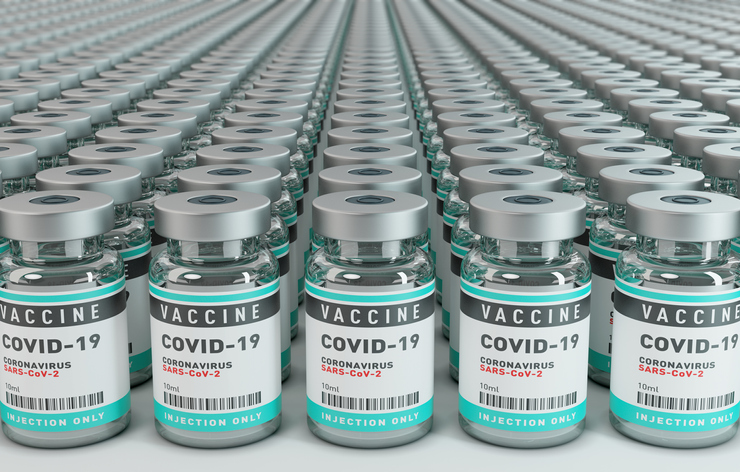
At the present time, most Covid vaccines require two doses.  The exception is the Johnson and Johnson Covid vaccine.

The question asked by many is it okay to mix two different vaccines?  According to the Centers for Disease Control and Prevention it is not recommended to mix vaccines unless there are extenuating circumstances where there is no availability of the first type that was administered.  One reason for this is reports have shown that people who mix vaccines will often have more severe reactions. Another reason is that not all of the vaccines use the same mechanism of action to build the body’s immunity, and may not give a person the same amount of protection.

To schedule an appointment for a Pfizer vaccine you can click on this link and select a time that works best for you https://mychart.medisys.org/MyChart/covid19#/

All content of this newsletter is intended for general information purposes only and is not intended or implied to be a substitute for professional medical advice, diagnosis or treatment. Please consult a medical professional before adopting any of the suggestions on this page. You must never disregard professional medical advice or delay seeking medical treatment based upon any content of this newsletter. PROMPTLY CONSULT YOUR PHYSICIAN OR CALL 911 IF YOU BELIEVE YOU HAVE A MEDICAL EMERGENCY.

May is National Arthritis Awareness Month

The month of May is recognized each year as National Arthritis Awareness Month. The significance of this observation is to bring attention to a condition that currently affects over 53 million Americans and is expected to grow to over 67 million people by the year 2030.  Arthritis is the leading cause of disability in the U.S. and has an economic impact of over $156 million in medical expenses and lost wages.

There are three major forms of arthritis. These are:

  • Osteoarthritis – This is the most common form of arthritis which results in the wearing down of the cartilage at the ends of bones. Osteoarthritis leads to bone rubbing against bone, causing pain.
  • Rheumatoid arthritis – an autoimmune disease that causes an inflammatory reaction to occur in the synovium or lining of the joints. Eventually this will cause the joints to deteriorate.
  • Psoriatic arthritis – occurs in people who have psoriasis. It affects the joints as well as the ligaments and tendons that attach to the bones.

There is a lot of misinformation about arthritis and available treatment options. Some common misconceptions are:

  • Arthritis only affects the elderly – this is not true. Arthritis can occur at any age.
  • Exercise may make arthritis worse – this is not true. Exercise improves muscle strength which can take some of the pressure away from the joints.
  • All joint pain is related to arthritis – this is not true. Other causes of joint pain include gout, bursitis, lupus and tendonitis.
  • There is no treatment for arthritis – this isn’t true. Often treatment will involve relieving the symptoms with medications and physical therapy. Surgery may be needed if the condition is causing limitations in one’s ability to perform functions of daily living.

If you are experiencing any pain or discomfort in your joints, it is advisable to speak with a rheumatologist or orthopedist who specializes in treating arthritic conditions. If you would like to schedule an appointment with a physician at Flushing Hospital Medical Center you may call 718-670-5486.

All content of this newsletter is intended for general information purposes only and is not intended or implied to be a substitute for professional medical advice, diagnosis or treatment. Please consult a medical professional before adopting any of the suggestions on this page. You must never disregard professional medical advice or delay seeking medical treatment based upon any content of this newsletter. PROMPTLY CONSULT YOUR PHYSICIAN OR CALL 911 IF YOU BELIEVE YOU HAVE A MEDICAL EMERGENCY.
Recommendations For People Planning To Travel

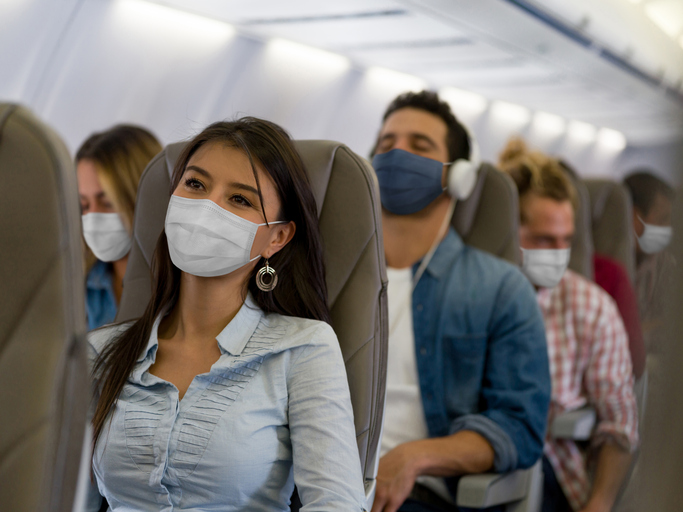
The Centers for Disease Control and Prevention (CDC) has issued guidelines for travel to destinations within the United States and internationally. Currently, the CDC recommends delaying travel unless you are fully vaccinated. If you have symptoms of COVID-19 you are advised not to travel. This lessens the risk of contracting and spreading the virus.

According to the CDC, people who are fully vaccinated  can travel safely to destinations within the United States.  Fully vaccinated people do not have to self-quarantine upon arrival at their destination and they do not have to be tested before or after their trip unless it is required by their destination.

Individuals are considered fully vaccinated:

  • Two weeks after receiving their second dose of the Pfizer or Moderna vaccine
  • Two weeks after receiving a single-dose vaccine, such as the Johnson and Johnson vaccine

The CDC still recommends that travelers within the United States:

  • Wear a mask that covers the nose and mouth
    • Masks are required on planes, trains, buses, boats and other forms of public transportation.
    • Masks are required in airports, train stations and all other public places
  • Avoid crowded areas
  • Wash their hands and use sanitizers often
  • Remain six feet away from others

People who are not fully vaccinated must be COVID-19 tested 1 – 3 days prior to traveling and again get tested 3 – 5 days after their trip. Travelers must self-quarantine for 7 days after they arrive at their destination. They should also avoid coming in contact with anyone at risk of contracting the virus.

People traveling to the United States from other countries must have an approved Covid test performed 1 -3 days prior to travel and the result must be negative. Documentation of test results must be shown upon request. If the test result is positive, they will not be allowed to enter the United States and will be banned from traveling. International travelers must also follow the safety precautions listed above once they arrive to their destinations.

There is some progress being made in terms of safe travel but there are still many places where the risk of contracting the Covid virus is still high. Therefore, following safety recommendations is always in your best interest.

The CDC will update their recommendations as more people get vaccinated and as the rates of infection diminish. You may get more information about travel by going to the CDC website www.cdc.gov/covid19travel

All content of this newsletter is intended for general information purposes only and is not intended or implied to be a substitute for professional medical advice, diagnosis or treatment. Please consult a medical professional before adopting any of the suggestions on this page. You must never disregard professional medical advice or delay seeking medical treatment based upon any content of this newsletter. PROMPTLY CONSULT YOUR PHYSICIAN OR CALL 911 IF YOU BELIEVE YOU HAVE A MEDICAL EMERGENCY.

April is Testicular Cancer Awareness Month

The month of April has been designated as Testicular Cancer Awareness Month.  This is a disease where cancer cells form in one or both testicles. The average age of detection is 33 years old.. The American Cancer Society estimates that 8,430 new cases are diagnosed each year and more than 380 men will die from the disease. It is considered to be a highly treatable disease, with an average of one death per 5,000 men.

There are a few risk factors of testicular cancer:

  • Family history
  • History of HIV positivity
  • Races – Caucasian American males are at highest risk followed by African American males then Asian American males
  • Body size – tall slender males are at higher risk
  • History of an undescended testicle

The signs and symptoms of testicular cancer include:

  • A lump or swollen testicles
  • Loss of sex drive
  • Back pain
  • Breast growth or tenderness
  • Pre puberty growth of hair on face and body
  • Aches in the belly or testicles

Diagnosing testicular cancer is done by performing a physical exam as well as an ultrasound to detect whether a mass is solid ( more likely to be cancerous ) or fluid filled, a blood test to detect certain proteins, a biopsy to see if there are cancerous cells present, and an MRI or Cat Scan to see if the cancer has spread.

Treatment of testicular cancer is determined based upon what is found at the time of diagnostic testing. Typically surgery to remove the affected testicle(s) as well as radiation and chemotherapy are needed.

Testicular cancer is highly treatable if caught early. If you would like to schedule an appointment with a urologist at Flushing Hospital Medical Center, please call 718-670-5486.

All content of this newsletter is intended for general information purposes only and is not intended or implied to be a substitute for professional medical advice, diagnosis or treatment. Please consult a medical professional before adopting any of the suggestions on this page. You must never disregard professional medical advice or delay seeking medical treatment based upon any content of this newsletter. PROMPTLY CONSULT YOUR PHYSICIAN OR CALL 911 IF YOU BELIEVE YOU HAVE A MEDICAL EMERGENCY.
Anger Management in Children

Children, just as adults, can exhibit different ways of expressing their anger or frustration.  The difference is that adults typically have better ways of coping with and understanding these emotions.  Children, on the other hand lack the maturity to understand why they feel the way that they do.

It is not unusual for a child to experience moments of stress which can lead to anger. Children will tend to respond to these situations by “acting out “. This can be displayed by crying uncontrollably, screaming, clenching their fists, hitting or being difficult to console.

These are a variety of events that can lead a child to displaying their frustration, including:

  • A new person, such as a baby, coming into the home
  • Parents fighting all the time
  • Starting a new school
  • Moving to a new home
  • Having a difficult time in school
  • Being bullied
  • Experiencing a trauma such as the loss of a loved one

What are some of the ways to help a child cope with their anger? Here are a few suggestions:

Children have to understand that there are certain rules and limits that they must live by. Setting a good example as an adult as to what constitutes good behavior is very important. It is also important to be consistent when setting boundaries. Rules can’t change from one situation to another and from one adult to another when dealing with a child.

Additional recommendations include:

  • Rewarding good behavior.
  • Keeping calm, getting angry at the already angry child can make things worse
  • Trying to speak to the child away from others so that they aren’t being embarrassed in front of others
  • Be reassuring to the child, tell them everything will be okay.
  • If the child is old enough, allowing them to verbalize why they feel the way they do.

Some activities that a child can do to relieve stress and lessen anger include having them:

  • Pop bubble wrap
  • Squish playdough
  • Scribble on a piece of paper than crumple it up
  • Do exercises
  • Rip a piece of paper

Most children will respond well to an adult who wants to help them learn how to cope with their anger. However there are some situations where professional intervention may be necessary. Speak to your pediatrician if you think your child is becoming angry too frequently or is overreacting. If you would like to make an appointment with a pediatrician at Flushing Hospital Medical Center, please call 718-670-5486.

All content of this newsletter is intended for general information purposes only and is not intended or implied to be a substitute for professional medical advice, diagnosis or treatment. Please consult a medical professional before adopting any of the suggestions on this page. You must never disregard professional medical advice or delay seeking medical treatment based upon any content of this newsletter. PROMPTLY CONSULT YOUR PHYSICIAN OR CALL 911 IF YOU BELIEVE YOU HAVE A MEDICAL EMERGENCY.

April is Alcohol Awareness Month

The National Council on Alcohol and Drug Dependence (NCADD) has designated the month of April as Alcohol Awareness Month. The purpose of this observation is to raise awareness about issues related to alcohol addiction and share helpful resources.

The National Council on Alcohol and Drug Dependence estimates that there are 14.4 million people over the age of 18 who have alcohol abuse problems. Each year, it is estimated that there are 88,000 deaths due to alcohol abuse. Nationally, over 31 % of driving fatalities are alcohol related.

Many people afflicted with alcohol addiction often do not seek help because they are in denial of having the disease. In other instances,  addicts do reach out to family members and loved ones for support; however, they do not know how to provide the assistance that is needed.  It is important for all who are affected by alcoholism to know there are many programs available to help with this type of addiction. Information and resources can be found on The Substance Abuse and Mental Health Services Administration (SAMHSA) website www.samhsa.gov.

At Flushing Hospital Medical Center, our Psychiatry Department features a Division of Addiction Services where your loved one can receive comprehensive assessments and treatment for alcohol and chemical dependency. These services are offered through our inpatient through Chemical Dependence Unit and our outpatient Reflections Treatment Program. Both services are staffed with highly skilled professionals who understand the process of treating addiction.

If you would like to speak with someone in our program, please call (718) 670-5693 or (718) 670-5540.

All content of this newsletter is intended for general information purposes only and is not intended or implied to be a substitute for professional medical advice, diagnosis or treatment. Please consult a medical professional before adopting any of the suggestions on this page. You must never disregard professional medical advice or delay seeking medical treatment based upon any content of this newsletter. PROMPTLY CONSULT YOUR PHYSICIAN OR CALL 911 IF YOU BELIEVE YOU HAVE A MEDICAL EMERGENCY.

Alcohol Awareness Month

The National Council on Alcohol and Drug Dependence (NCADD) has designated the month of April as Alcohol Awareness Month. The purpose of this is raise awareness about the dangers of alcoholism and the issues related to alcohol and to help people get help by giving them resources available to them.

Many people who are afflicted with alcohol abuse are in denial and therefore do not seek help. Often times family members and friends of people who are alcoholics don’t know how to get them help. The National Council on Alcohol and Drug Dependence estimates that there are 14.4 million people over the age of 18 who have alcohol abuse problems. Each year it is estimated that there are 88,000 deaths due to alcohol abuse. Nationally the over 31 % of driving fatalities are alcohol related.

There are many resources that are available to help those who struggle with alcohol abuse. If you would like to speak with a physician at Flushing Hospital Medical Center, please call 718-670-5487

All content of this newsletter is intended for general information purposes only and is not intended or implied to be a substitute for professional medical advice, diagnosis or treatment. Please consult a medical professional before adopting any of the suggestions on this page. You must never disregard professional medical advice or delay seeking medical treatment based upon any content of this newsletter. PROMPTLY CONSULT YOUR PHYSICIAN OR CALL 911 IF YOU BELIEVE YOU HAVE A MEDICAL EMERGENCY.