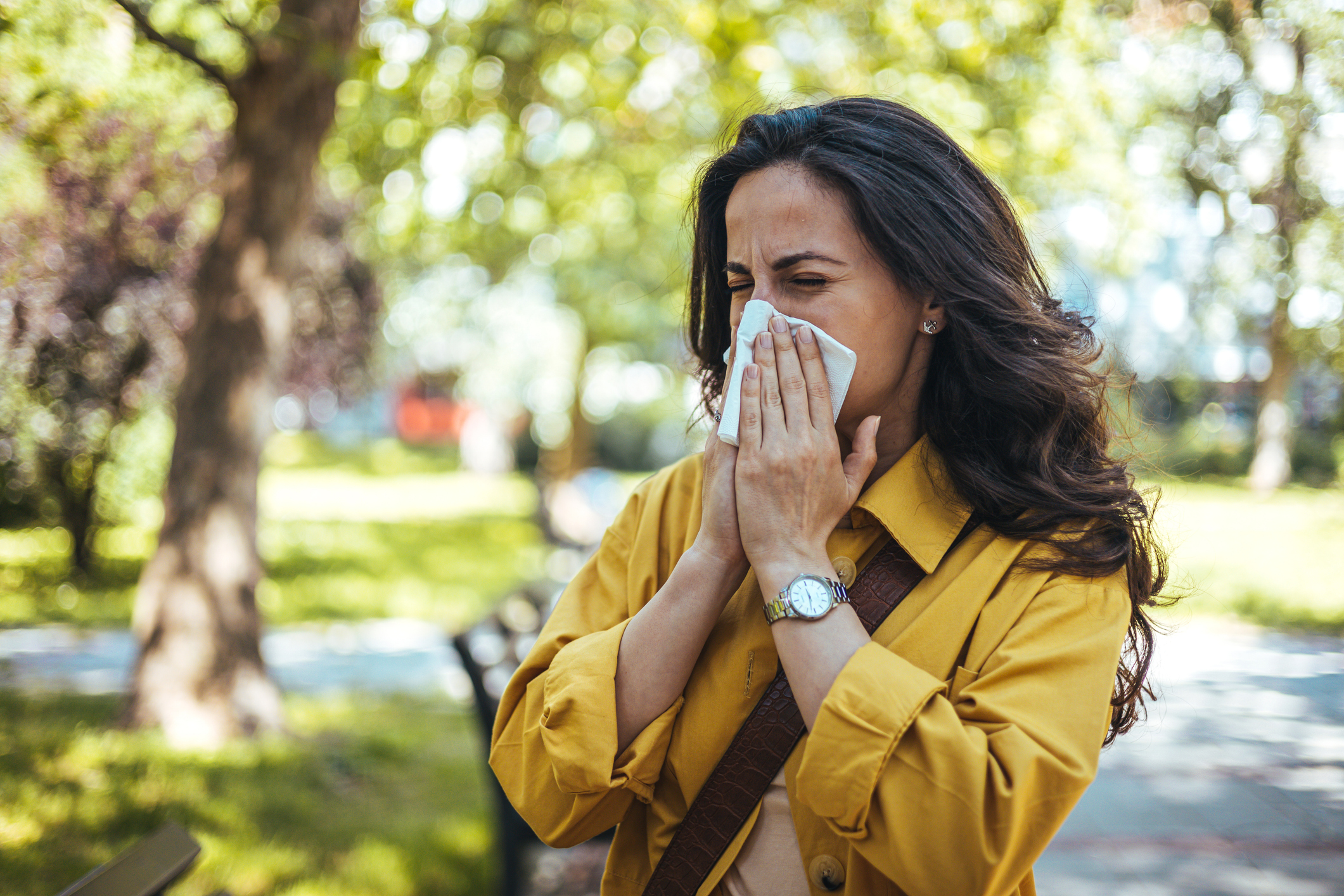
Preparing for Allergy Season

Spring has arrived, and with it comes longer days, warmer weather, and the blooming of trees and flowers. However, as trees and flowers bloom they release pollen, causing those who suffer from seasonal allergies to experience allergy symptoms. Spring allergy symptoms can include:

  • Runny nose
  • Watery eyes
  • Sneezing
  • Itchy eyes and nose
  • Dark circles under your eyes.

Some ways you can reduce your exposure to allergy triggers include:

  • Staying indoors on dry, windy days. The best time to go outside is after a good rain, which helps clear pollen from the air.
  • Avoiding garden chores like mowing the lawn and pulling weeds that stir up allergens.
  • Removing clothes worn outside and showering to rinse pollen from your skin and hair.
  • Avoid hanging laundry outside because pollen can stick to sheets and towels.
  • Wearing a face mask when doing chores outside.
  • Checking your local TV or the internet for pollen forecasts and the current pollen levels.
  • Taking allergy medication before symptoms start or if high pollen counts are forecasted.
  • Closing doors and windows at night when there are high pollen counts.
  • Avoiding outdoor activity when pollen counts are highest.

There isn’t a miracle product that can get rid of all allergens from the air in your home, but ways to keep indoor air clean include:

  • Using air conditioning in your house.
  • Using high-efficiency filters if you have a forced air conditioning or heating system, and following regular maintenance schedules.
  • Keeping indoor air dry with a dehumidifier.
  • Using a portable HEPA filter in your bedroom.
  • Cleaning floors with a vacuum cleaner that has a HEPA filter regularly.

Here are some over-the-counter medications that can help ease allergy symptoms:

  • Oral antihistamines
  • Corticosteroid nasal sprays
  • Cromolyn sodium nasal spray
  • Oral decongestants

If you are experiencing seasonal allergy symptoms, you can get an allergy test and treatment at Flushing Hospital Medical Center’s Ambulatory Care Center. To schedule an appointment, please call (718) 670-5486.

All content of this newsletter is intended for general information purposes only and is not intended or implied to be a substitute for professional medical advice, diagnosis or treatment. Please consult a medical professional before adopting any of the suggestions on this page. You must never disregard professional medical advice or delay seeking medical treatment based upon any content of this newsletter. PROMPTLY CONSULT YOUR PHYSICIAN OR CALL 911 IF YOU BELIEVE YOU HAVE A MEDICAL EMERGENCY.


Meet Our Doctors: Dr. Brittany Choe

Meet Dr. Brittany Choe. She is thrilled to join the MediSys team as Chair of the Department of Emergency Medicine at Flushing Hospital Medical Center.

Dr. Choe completed residency training in Emergency Medicine at Northwell Staten Island University Hospital. She then went on to complete a Fellowship in Emergency Medicine and Hospital Administration coupled with an Executive MBA.

Throughout her career, Dr. Choe has been dedicated to developing processes that deliver safe and effective care to all patients. Her work has focused heavily on performance improvement initiatives that expand the scope of Emergency Medicine and provide increased access to care for patients in the Emergency Department. As a daughter of first-generation Korean immigrants, the opportunity to work in “The World’s Borough” of Queens is both an honor and a privilege.

Through this new role as Chair of Emergency Medicine, she aims to support the mission and vision of the MediSys Health Network, serving the community of Flushing and continuing the delivery of high-quality patient care.

All content of this newsletter is intended for general information purposes only and is not intended or implied to be a substitute for professional medical advice, diagnosis or treatment. Please consult a medical professional before adopting any of the suggestions on this page. You must never disregard professional medical advice or delay seeking medical treatment based upon any content of this newsletter. PROMPTLY CONSULT YOUR PHYSICIAN OR CALL 911 IF YOU BELIEVE YOU HAVE A MEDICAL EMERGENCY.
Healthy Eating Tips for Seniors

As we age, our metabolism slows down, causing us to require fewer calories than we did in our younger years. Our body also needs more of certain nutrients. Eating a healthy diet can support healthy aging.

Here are some tips to help get the most nutrition out of your meals:

  • Know what a healthy plate looks like
  • Eat more whole foods and limit processed foods
  • Look for essential nutrients
  • Read the “Nutrition Facts” label
  • Use recommended servings
  • Stay hydrated by drinking water with your meals and eating water-rich foods
  • Focus on getting enough protein to prevent muscle loss
  • Eat fiber-rich foods
  • Watch your sodium intake
  • Subscribe to a grocery or meal delivery service

Making these simple adjustments to your eating habits can go a long way toward building healthier eating habits. Getting the most out of foods and beverages can help you meet your nutrition needs and reduce the risk of disease. Be sure to speak with your healthcare provider about creating a dietary plan that works best for you before making changes to your diet.

All content of this newsletter is intended for general information purposes only and is not intended or implied to be a substitute for professional medical advice, diagnosis or treatment. Please consult a medical professional before adopting any of the suggestions on this page. You must never disregard professional medical advice or delay seeking medical treatment based upon any content of this newsletter. PROMPTLY CONSULT YOUR PHYSICIAN OR CALL 911 IF YOU BELIEVE YOU HAVE A MEDICAL EMERGENCY.

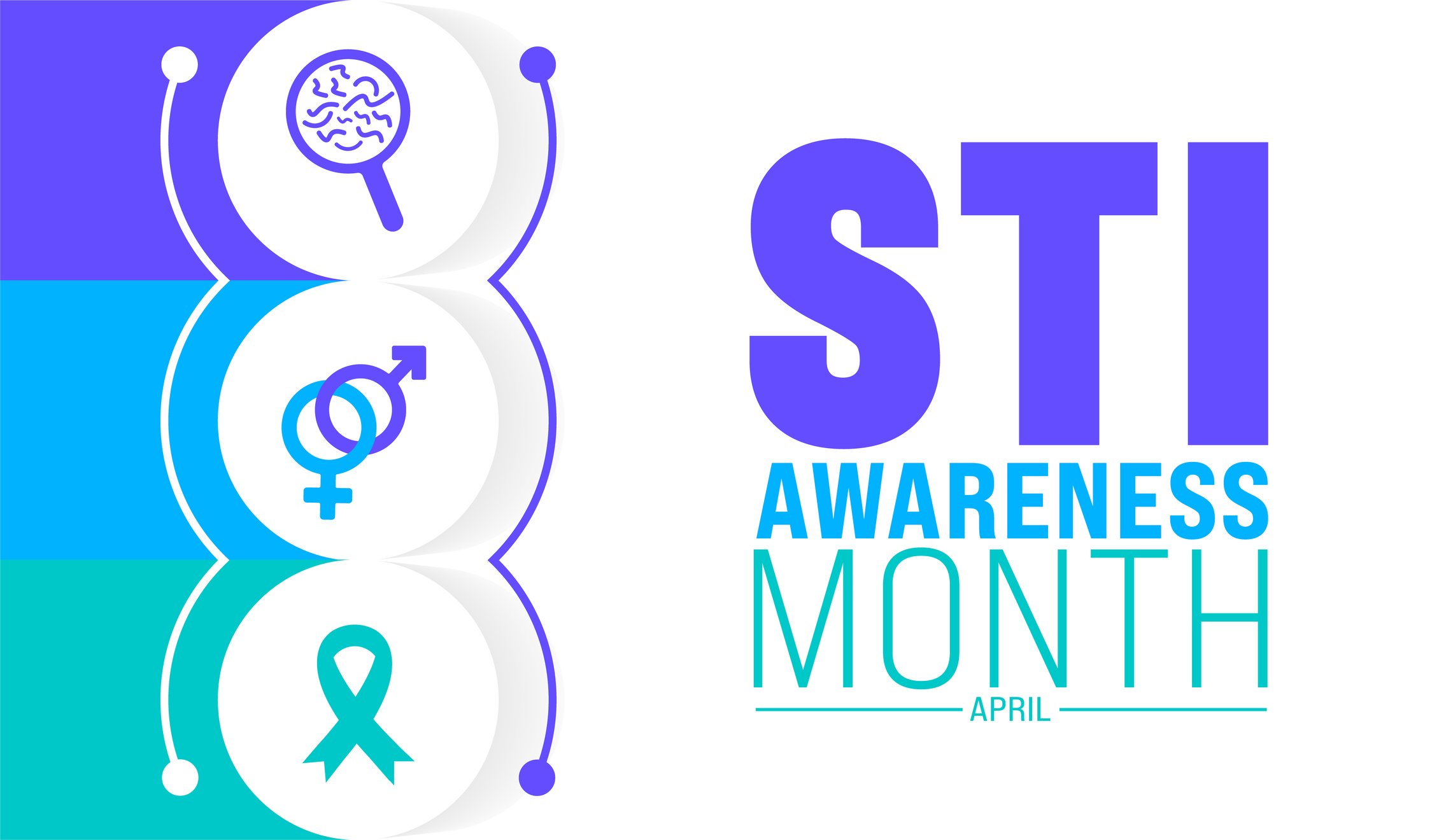
STI Awareness Month

April is STI Awareness Month, a month observed to educate people on sexually transmitted infections (STIs).

S.T.I.s are infectious diseases spread through sexual contact. S.T.I.s are common medical issues, however, many people don’t know they’re infected because they have mild symptoms that are easily overlooked or have no symptoms at all.

STI Awareness Month is important because it

  • It teaches others to be more responsible
  • It encourages regular S.T.I testing
  • It corrects the stigma and misinformation

Ways to observe STI Awareness Month:

  • Get involved in youth sex education
  • Educate yourself on S.T.I.s
  • Contribute to an S.T.I organization
  • Practice or promote safe sex

STI Awareness Month provides an opportunity to raise awareness about sexually transmitted infections and how they impact our lives. Getting involved can help remove the stigma from S.T.I.s.

All content of this newsletter is intended for general information purposes only and is not intended or implied to be a substitute for professional medical advice, diagnosis or treatment. Please consult a medical professional before adopting any of the suggestions on this page. You must never disregard professional medical advice or delay seeking medical treatment based upon any content of this newsletter. PROMPTLY CONSULT YOUR PHYSICIAN OR CALL 911 IF YOU BELIEVE YOU HAVE A MEDICAL EMERGENCY.