Electronic Cigarettes — Are They Safe?

Electronic cigarettes, or as they are more popularly called, e-cigarettes, are designed to look like traditional tobacco cigarettes. Though the e-cigarettes contain no tobacco, they can be harmful because they contain nicotine which is a cancer causing chemical. Some believe they are safer than cigarettes and a good smoking cessation aid when trying to quit, but this may not be the case.

How they work – The user inhales through a mouthpiece similar to traditional cigarettes. This flow of air triggers a sensor that turns on a small battery operated heater. The heater warms up a capsule that contains nicotine and propylene glycol. The vapor that is created gives the user the sensation of smoking a traditional cigarette. The vapor from these e-cigarettes also contains formaldehyde and acetaldehyde which can also cause cancer.
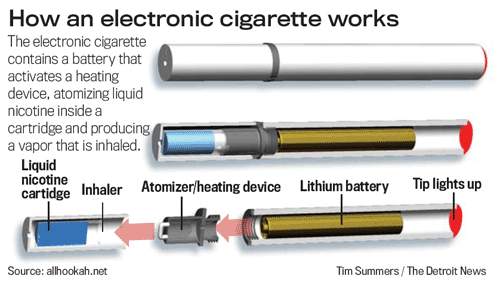
e-cigarette_11

The U. S. Food and Drug Administration has done a preliminary analysis of these devices and concluded that the vapors that they emit contain other carcinogens, such as  nitrosamines and diethylene glycol. It is presumed that the effects of smoking these e-cigarettes would have similar second hand effects as regular tobacco products and their use should be regulated in a similar manner.

If you smoke, or know someone who does, and are interested in quitting we recommend speaking with your physician. Join us on Facebook.com/FlushingHospital or follow us on Twitter @FHMC_NYC for more information on smoking cessation and tips on fitness and health.

All content of this newsletter is intended for general information purposes only and is not intended or implied to be a substitute for professional medical advice, diagnosis or treatment. Please consult a medical professional before adopting any of the suggestions on this page. You must never disregard professional medical advice or delay seeking medical treatment based upon any content of this newsletter. PROMPTLY CONSULT YOUR PHYSICIAN OR CALL 911 IF YOU BELIEVE YOU HAVE A MEDICAL EMERGENCY.

How Smoking Affects Your Good Looks


smoker177094162

Smoking is harmful to your body; the toxins found in tobacco and cigarettes can damage your body from the inside out. The smoke from cigarettes contains 7,000 hazardous chemicals which may lead to lung cancer, asthma, complications with diabetes and damage to your heart. These chemicals are also known to wreak havoc on your physical appearance.

Here are some of the ways smoking can ruin your good looks:

.Bags under the eyes-Smokers are four times as likely to have bags under the eyes. Nicotine slows the circulation of blood throughout the body, which in turn affects the flow of circulation around the eyes.
.Dental health-Cigarette smoke can also interfere with the normal function of the cells in the gum, which leads to discoloration of your pearly whites, bad breath and other dental problems.
.Premature wrinkles- Smoking limits circulation and causes deprivation of blood to the tissues that keep the skin supple. Studies show that smokers tend to look older than their peers because the aging process has been accelerated.
.Sagging arms or breasts- Is often a tell-tale sign of a person who has smoked for an extended period of time. It has been discovered that the chemicals in cigarettes destroy collagen and elastin. With the loss of these fibers, the skin will begin to lose its elasticity and strength.
.Yellow nails and fingers- Nicotine can stain fingers and nails making them brown or yellow in color.
.Hair loss- Studies show that smoking can accelerate hair loss. The circulation of blood flowing to the hair follicles is hampered, this disrupts the normal growth cycle of hair.

The damages caused by smoking affect the body both internally and externally. Some of the effects are immediate and can be seen instantly or some may develop over time. However, several of these conditions can be reversed once a person stops smoking.

Flushing Hospital Medical Center encourages you to quit today. For help with smoking cessation visit www.cdc.gov/tobacco for a list of resources near you.

All content of this newsletter is intended for general information purposes only and is not intended or implied to be a substitute for professional medical advice, diagnosis or treatment. Please consult a medical professional before adopting any of the suggestions on this page. You must never disregard professional medical advice or delay seeking medical treatment based upon any content of this newsletter. PROMPTLY CONSULT YOUR PHYSICIAN OR CALL 911 IF YOU BELIEVE YOU HAVE A MEDICAL EMERGENCY.