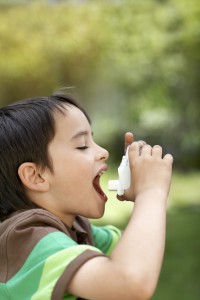
The Flu Vaccine

Influenza – the unwelcome guest that comes calling on us every year – often with many very unpleasant consequences. Historically, widespread flu epidemics have had devastating effects on large portions of the earth’s population. It wasn’t until the 1930’s that two scientists, Dr. Jonas Salk and Dr. Thomas Francis developed the first vaccine to prevent the flu virus. The vaccine was given to American soldiers during World War II and was found to be useful in preventing the widespread outbreaks that had been common before the vaccines were used. In the years after the war, the vaccine was made available to the general public and has greatly reduced the widespread epidemics that were so common before. Research has helped to develop better vaccines with fewer side effects and also better suited to combat strains of the influenza virus that keep changing every year. Over the past 60 years millions of people have been given the flu vaccine each year. There is still a debate going on as to whether the flu vaccine is safe. Many people still are hesitant about getting the vaccine at all. The flu still comes calling every year, and many people are still being affected. However there are much fewer catastrophic epidemics throughout the world, and symptoms appear to be lessened, thanks in large part to the work done by Dr Salk and Dr. Francis in the early part of the last century.

All content of this newsletter is intended for general information purposes only and is not intended or implied to be a substitute for professional medical advice, diagnosis or treatment. Please consult a medical professional before adopting any of the suggestions on this page. You must never disregard professional medical advice or delay seeking medical treatment based upon any content of this newsletter. PROMPTLY CONSULT YOUR PHYSICIAN OR CALL 911 IF YOU BELIEVE YOU HAVE A MEDICAL EMERGENCY.
Should Food Allergies Make You Stop Breastfeeding?

If you have been told that your breastfed infant has food allergies, you may be wondering what to do next. Even a baby who has never been formula fed, and has never had any food besides breast milk may show symptoms of having a food allergy including: diarrhea, bloody stools, vomiting, eczema, constipation and poor growth. Babies can develop allergies to foods that you are eating while you are breastfeeding. Will you still be able to breastfeed? You may be surprised to learn that in most cases, the answer is yes.


Any food could potentially cause an allergy. The most commonly known foods to cause allergies are:

  • Dairy
  • Eggs
  • Nuts
  • Soy
  • Wheat

It is not easy to discover which foods are causing an allergic reaction in your baby and allergy testing in young infants is not the most reliable. One way to determine which foods are a problem for your baby is to keep a food diary of what you eat along with a record of your baby’s symptoms.

In most cases where breastfed babies experience food allergies it is usually recommended to remove dairy from your diet. Read all ingredient labels carefully to eliminate any foods that contain dairy. It takes about a month or more for your child’s symptoms to improve. If there is little to no progress after a dairy-free diet, speak to a lactation consultant about eliminating other common allergens from your diet that may be the cause of your baby’s reactions.

Sometimes babies are allergic to more than one food. You may need to stay on this restricted diet the entire time you are breastfeeding, or until your infant is one year old. Many babies outgrow their food allergies by their first birthday.

Breast milk provides important health benefits for your baby including protection from infections and a reduction in chronic diseases such as diabetes and obesity. Breastfeeding creates a special bond between mother and baby and many babies enjoy breastfeeding into the second year of life. There is no reason to wean your baby from the breast if your baby develops signs of food allergies. If you change your diet, you and your baby should be able to enjoy breastfeeding until you are both ready to stop.

If you have further questions about breastfeeding your baby and what to do when he or she has a food allergy, Flushing Hospital Medical Center’s Lactation Consultant is available to help. For further information, please call 718-206-5933.

All content of this newsletter is intended for general information purposes only and is not intended or implied to be a substitute for professional medical advice, diagnosis or treatment. Please consult a medical professional before adopting any of the suggestions on this page. You must never disregard professional medical advice or delay seeking medical treatment based upon any content of this newsletter. PROMPTLY CONSULT YOUR PHYSICIAN OR CALL 911 IF YOU BELIEVE YOU HAVE A MEDICAL EMERGENCY.

Are Allergies Controlling Your Life?

In some parts of the country, spring allergy season starts as early as February and can last through the summer months. Tree pollen is the first sign of allergy season’s arrival and continues to cause allergy symptoms throughout March and April. Tree pollen and grass pollen are one in the same, beginning in late spring and continuing into early summer.

Allergies are the result of an over-reactive immune system. When allergies occur, the immune system mistakenly identifies an allergen such as pollen, pet dander, mold, and dust mites as an “invader.” As a reaction, the body mounts an inappropriate immune response. To get rid of the “invader,” the immune response triggers a response that results in you experiencing typical allergy symptoms like, sneezing, runny nose, and itchy, watery eyes.

People are affected by all kinds of allergens. Some people need to avoid pollen and dust; others can’t be around dogs or cats. Regardless of what sets your allergies off, symptoms can interfere with daily activities and reduce your quality of life. Here are a few suggestions to lessen the severity of your allergies:

  1. Leave your shoes at the door

When you come home from the outside, taking your shoes off at the door lessens the amount of pollen you track into the house. Wipe down your dog’s coat before he comes into the house, too, because pollen clings to fur.

  1. Change your clothes when you get home

You can bring pollen into your home on your clothes and shoes even if you can’t see it. Toss soiled clothes in the hamper immediately; even better, take a shower.

  1. Clean or change the filters in your air conditioner

Change them at the intervals recommended by the manufacturer, or more frequently if it seems to help.

  1. Keep open windows closed

Open windows can be refreshing, but they let in pollen. Close windows and outside doors, especially on high-pollen days, and turn on the heat or the air-conditioning.

  1. Take allergy medicine at night.

If your doctor suggests or prescribes allergy medicine try taking them at night. Typically, allergy symptoms tend to be at their worst in the morning.

There are many popular methods of treatment. They work in different ways, but some are more effective than others. Before making any changes in your allergy treatment options speak with your doctor first. Flushing Hospital’s Ambulatory Care Center has qualified doctors available to diagnose and treat your allergy symptoms. To make an appointment, please call 718 670-8994.

All content of this newsletter is intended for general information purposes only and is not intended or implied to be a substitute for professional medical advice, diagnosis or treatment. Please consult a medical professional before adopting any of the suggestions on this page. You must never disregard professional medical advice or delay seeking medical treatment based upon any content of this newsletter. PROMPTLY CONSULT YOUR PHYSICIAN OR CALL 911 IF YOU BELIEVE YOU HAVE A MEDICAL EMERGENCY.

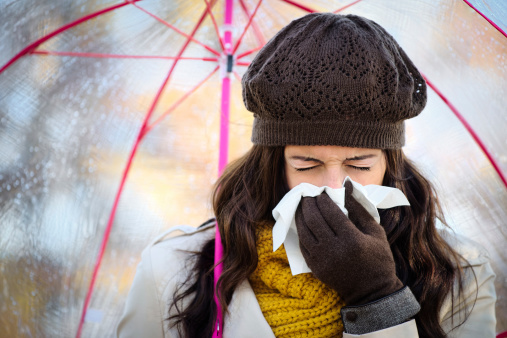
Ahhhhhchew! Cold, Flu or Seasonal Allergies?

We have sprung into spring!  Flowers and trees are beginning to bud and we should be feeling great, but some of us aren’t.  If you are one of these folks, you may be experiencing seasonal allergies, or are you?

Allergies, colds and the flu are often hard to tell apart because they share many similar symptoms. It is knowing the differences in the symptoms that will help you when seeking treatment.

Colds and the flu are caused by different viruses and the symptoms associated with the flu are often more severe.  Allergies are different because they are not caused by a virus.  It is your body’s immune system reacting to an allergen that you are allergic to such as pollen or pet dander.

This chart can help you determine whether you have seasonal allergies, a cold or the flu:

Common Cold Influenza Seasonal Allergies
Stuffy or runny nose Yes Sometimes Runny, itchy nose
Fever Sometimes; mild if present Usually, often 100 degrees F (38.8 degrees C) or higher. No
Body Aches Mild Mild to severe No
Chills Sometimes Yes, sometimes intense No
Sore Throat Often Sometimes Itchy or tickling throat
Fatigue, Weakness Sometimes Usually, can last a couple of weeks after recovery Rarely
Feeling extremely exhausted No Yes No
Headache Sometimes Usually, sometimes severe Sinus pressure or stuffiness
Sinus drainage Usually Rarely Often
Diarrhea, Vomiting No Sometimes No
Cough Mild to moderate Usually, can become severe Dry or with minimal mucus
Watering eyes Sometimes Sometimes, with fever Itchy swollen, burning, and/or watery eyes
Ears Ear congestion No Ear congestion or popping
Sneezing Usually Sometimes Yes
Timing Anytime throughout the year Most cases occur between October and May. Anytime, but symptoms are often more intense in the fall and spring seasons.

If you are experiencing some or all of the symptoms listed above and would like to make an appointment to see a physician, you can call Flushing Hospital Medical Center’s Ambulatory Care Center at 718-670-5486.

All content of this newsletter is intended for general information purposes only and is not intended or implied to be a substitute for professional medical advice, diagnosis or treatment. Please consult a medical professional before adopting any of the suggestions on this page. You must never disregard professional medical advice or delay seeking medical treatment based upon any content of this newsletter. PROMPTLY CONSULT YOUR PHYSICIAN OR CALL 911 IF YOU BELIEVE YOU HAVE A MEDICAL EMERGENCY.

What is an Allergic Reaction?

Your own asthma allergyimmune system is what really causes allergic reactions.  Grass and tree pollen’s, ragweed, dust- it mistakes these harmless allergens for a serious threat and attacks them. The sneezing, watery eyes or coughing are the result of your body mistakenly attacking itself.It begins with exposure to the allergen. Even if you’ve inhaled an allergen many times before with no trouble, at some point, the body flags it as an invader. The immune system studies the allergen and readies itself for the next exposure by developing antibodies; you are now “sensitized” to the allergen.

May is National Asthma and Allergy Awareness month. If you are having trouble finding relief from allergies, contact Flushing Hospital’s Ambulatory Care Center to set an appointment with one of our physicians at 718-670-5486.

All content of this newsletter is intended for general information purposes only and is not intended or implied to be a substitute for professional medical advice, diagnosis or treatment. Please consult a medical professional before adopting any of the suggestions on this page. You must never disregard professional medical advice or delay seeking medical treatment based upon any content of this newsletter. PROMPTLY CONSULT YOUR PHYSICIAN OR CALL 911 IF YOU BELIEVE YOU HAVE A MEDICAL EMERGENCY.