Try a Grilled Romaine Salad This 4th of July Weekend!

The 4th of July usually means dining al fresco and chowing down on grilled burgers, hot dogs and sausages. Why not lighten it up and add a grilled salad to your weekend meal? Remember to keep the cheese to a minimum to reduce your fat intake.
Recipe courtesy of the Food Network.

GE0301H_Grilled-Romaine-with-Blue-Cheese_s4x3.jpg.rend.sni12col.landscape

Ingredients

  • Dressing:
  • 1 tablespoon fresh lemon juice
  • 1 tablespoon sherry vinegar
  • 1 teaspoon capers
  • 1 teaspoon kosher salt
  • 6 cloves garlic, peeled
  • 1 tablespoon Worcestershire sauce
  • 1/2 teaspoon hot sauce, such as Tabasco
  • 6 anchovy fillets and 1/2 teaspoon of their oil
  • 1/2 to 3/4 cup olive oil
  • Romaine:
  • 3 romaine hearts, halved lengthwise, washed and dried
  • Olive oil, for tossing
  • Kosher salt
  • 1 lemon, juiced
  • 20 fresh basil leaves, washed and dried
  • 1 cup crumbled blue cheese, for garnish
Directions

Preheat the grill to medium.

For the dressing: In a blender, combine the lemon juice, vinegar, capers, salt and garlic. Blend until smooth. Add the Worcestershire, hot sauce, anchovies and 1/2 cup of the olive oil and blend until smooth. Taste for seasoning. Add the remaining olive oil if needed. Set aside.

In a large bowl, toss 4 of the romaine halves in a little olive oil and season them with salt. Put them in a single layer on the grill and cook for 3 minutes. Turn and cook on the other side for 3 additional minutes; the romaine should feel slightly warm and tender. Transfer the halves to a large platter. Spoon a little dressing on each.

On a flat surface, finely chop the rest of the romaine and add it to a medium bowl. Add the remaining vinaigrette, a touch of lemon juice and the basil leaves. Toss to coat the romaine.

Top the grilled romaine with some of the chopped, dressed romaine. Garnish with crumbled blue cheese and serve immediately.

All content of this newsletter is intended for general information purposes only and is not intended or implied to be a substitute for professional medical advice, diagnosis or treatment. Please consult a medical professional before adopting any of the suggestions on this page. You must never disregard professional medical advice or delay seeking medical treatment based upon any content of this newsletter. PROMPTLY CONSULT YOUR PHYSICIAN OR CALL 911 IF YOU BELIEVE YOU HAVE A MEDICAL EMERGENCY.


Your Fourth of July can be Safe and DYNAMITE!

fireworks-450439817With the Fourth of July celebrations arriving soon, how much do you know about firework safety? Take a quick quiz provided by The National Council on Firework Safety to test your knowledge –http://www.fireworkssafety.org/

Keep in mind that, while the Fourth of July is fun celebrating with family and friends, they are still illegal in New York State (including the five boroughs). Fireworks burn at extremely high temperatures and can rapidly burn through clothing and skin. Items, such as sparklers, are mistakenly thought to be safe, when they can be very dangerous.  This year, have a safe Fourth of July and leave the Fireworks displays to the trained professionals.

All content of this newsletter is intended for general information purposes only and is not intended or implied to be a substitute for professional medical advice, diagnosis or treatment. Please consult a medical professional before adopting any of the suggestions on this page. You must never disregard professional medical advice or delay seeking medical treatment based upon any content of this newsletter. PROMPTLY CONSULT YOUR PHYSICIAN OR CALL 911 IF YOU BELIEVE YOU HAVE A MEDICAL EMERGENCY.
What is Hypersalivation?

Have you ever found yourself drooling or swallowing excessively? You might suffer from hypersalivation. Saliva is produced by salivary glands located in the mouth and throat. Saliva helps to keep the mouth moist and assists in comfortable swallowing. It plays a protective role because of its’ anti-fungal properties and components that destroy viruses and attack bacteria and acids that cause tooth decay and produce plaque. Saliva also contains phosphorus and calcium which help to rebuild tooth enamel.

ThinkstockPhotos-74579471Most people produce between two and four pints of saliva every day. Chewing and swallowing food increases the flow of saliva and you swallow most of it. However, if you find yourself drooling at times other than sleep, which is normal, it can be an indicator of other problems.

Hypersalivation can be caused by everything from difficulty swallowing to problems with muscle control to an infection like tonsillitis or strep throat.  Certain medications cause excess saliva production as a side effect, and chronic diseases like Parkinson’s disease can also cause an increase in salivary activity. Some of the medical conditions that affect muscle control over the lips and tongue may cause drooling including cerebral palsy, multiple sclerosis, and stroke.

Other conditions that can lead to drooling are allergies, acid reflux or heartburn and pregnancy.

If you feel like you are producing excessive amounts of saliva and don’t know why, contact your doctor or dentist or make an appointment at Flushing Hospital Medical Center’s Ambulatory Care Center at 718-670-5486.

All content of this newsletter is intended for general information purposes only and is not intended or implied to be a substitute for professional medical advice, diagnosis or treatment. Please consult a medical professional before adopting any of the suggestions on this page. You must never disregard professional medical advice or delay seeking medical treatment based upon any content of this newsletter. PROMPTLY CONSULT YOUR PHYSICIAN OR CALL 911 IF YOU BELIEVE YOU HAVE A MEDICAL EMERGENCY.

Summer Bummers: West Nile Virus and Lyme Disease


Summer is when we usually spend more time outside either exercising or just enjoying the weather. Unfortunately, it is also the time when mosquitoes and ticks are at their most active and the possibility of exposure to West Nile virus and Lyme disease increases.

According to the CDC, West Nile virus (WNV) is most commonly transmitted to humans by mosquitoes. About 1 in 5 people who are infected will develop a fever with other symptoms.  Less than 1% of infected people develop a serious, sometimes fatal, neurologic illness with young children and seniors being the most susceptible. Symptoms include fever, headache, body aches, skin rash, and swollen lymph glands. Severe symptoms may include stiff neck, sleepiness, disorientation and tremors. Using insect repellent, wearing protective clothing to prevent bites, and limiting your time outside during key mosquito times like dusk, can help reduce your risk of infection.

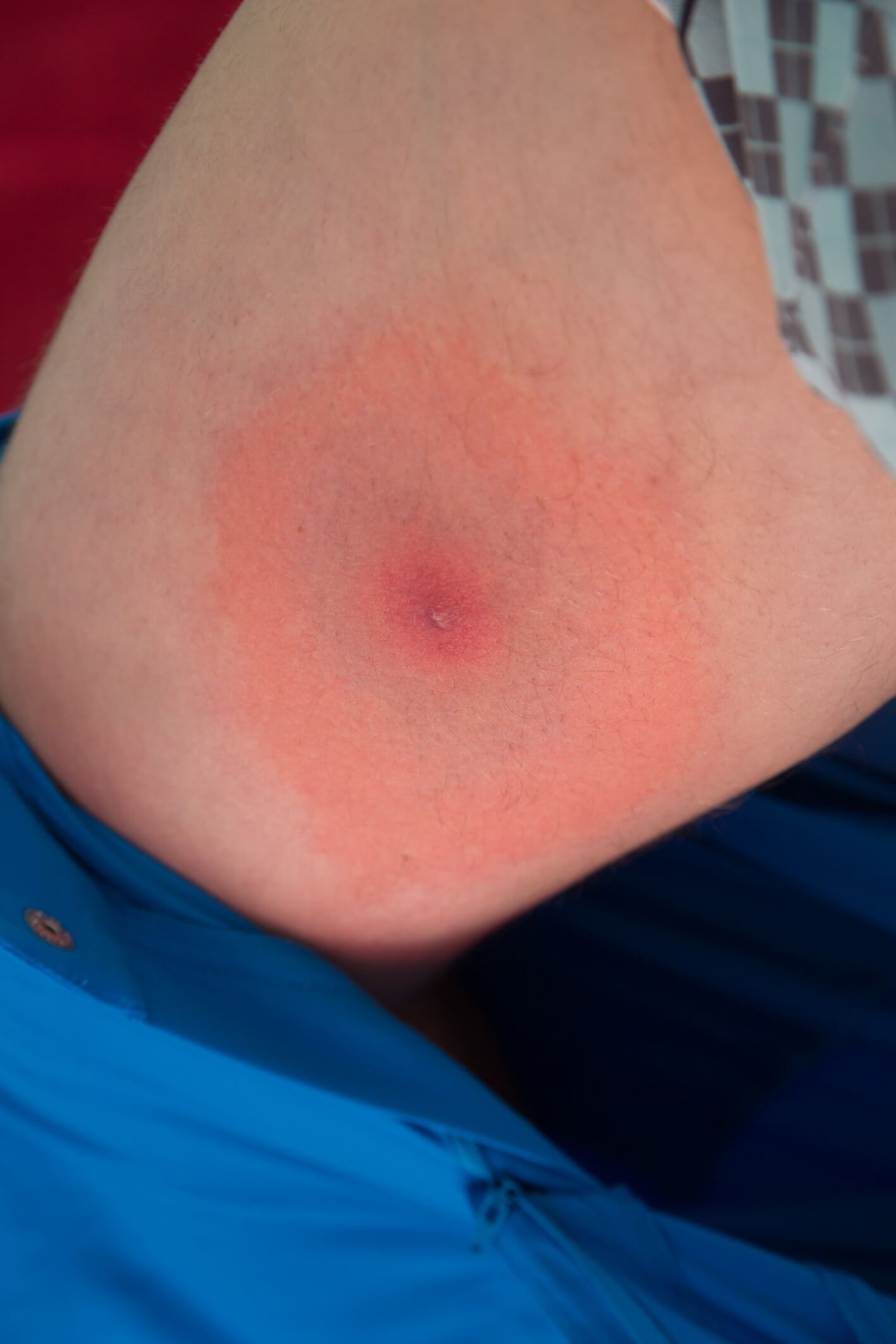
Lyme disease is transmitted to humans through the bite of infected blacklegged ticks and is difficult to diagnose. Typical symptoms include fever, headache, aches and pains, fatigue, the possibility of exposure to infected ticks, and a characteristic skin rash called erythema migrans, which resembles a bull’s-eye.  If left untreated, infection can spread to joints, the heart, and the nervous system. ThinkstockPhotos-469902118

Most cases of Lyme disease can be treated successfully with a few weeks of antibiotics. Steps to prevent Lyme disease include using insect repellent, removing ticks promptly, applying pesticides, and reducing tick habitats by frequently mowing the lawn, removing leaf litter, old furniture, mattresses, and trash from the yard that may give ticks a place to hide.

All content of this newsletter is intended for general information purposes only and is not intended or implied to be a substitute for professional medical advice, diagnosis or treatment. Please consult a medical professional before adopting any of the suggestions on this page. You must never disregard professional medical advice or delay seeking medical treatment based upon any content of this newsletter. PROMPTLY CONSULT YOUR PHYSICIAN OR CALL 911 IF YOU BELIEVE YOU HAVE A MEDICAL EMERGENCY.

July is Juvenile Arthritis Awareness Month


Juvenile arthritis, arthritis in children under 18, has been diagnosed in almost 300,000 kids in the United States.

ThinkstockPhotos-471012876

Juvenile arthritis (JA) is usually an autoimmune disorder, meaning that it affects the immune system and the body’s ability to fight off bacteria and viruses. It targets children of all ages and ethnic backgrounds, and is most often found in the knees, hands, and feet. There are various types of JA and doctors aren’t completely sure what causes this disease, but the most common symptoms are:

. Swelling of the joints

. Pain and stiffness that doesn’t go away

. Limping in the morning because of a stiff knee

. Excessive clumsiness

. High fever and skin rash

. Swelling in lymph nodes in the neck and other parts of the body

Arthritis in children can cause a number of issues including eye inflammation and growth problems, like uneven bones and joints.

Talk to your pediatrician or a rheumatologist if you suspect your child might have arthritis. He or she will take a family history and perform a variety of tests including a physical exam, blood work and x rays.  To make an appointment with a rheumatologist, please call Flushing Hospital Medical Center’s Ambulatory Care Center at 718-670-5486.

All content of this newsletter is intended for general information purposes only and is not intended or implied to be a substitute for professional medical advice, diagnosis or treatment. Please consult a medical professional before adopting any of the suggestions on this page. You must never disregard professional medical advice or delay seeking medical treatment based upon any content of this newsletter. PROMPTLY CONSULT YOUR PHYSICIAN OR CALL 911 IF YOU BELIEVE YOU HAVE A MEDICAL EMERGENCY.

Parenting:   Should I pay my kids to do chores?

ThinkstockPhotos-72459850 (1)

Many parents wrestle with the question of whether or not their children should be required to do chores around the house, and if so, should they be paid for it? There’s really no simple answer.

There are pros and cons to every method of administering an allowance to children. Some think kids should earn money in exchange for doing chores, others believe kids should not be paid for regular contributions that are expected of every family member.  No matter which side you agree with, the point of an allowance is to teach your kids money management skills.

Age appropriate, weekly chores, whether it’s taking out the garbage, emptying the dishwasher, folding clean laundry, cleaning the cat litter box, or light yard work like raking leaves, can help a child develop character. Paying them for their contributions also helps them to develop a respect for earning money.

You might decide on a definite set of weekly chores that your child must complete before being paid, or choose to make a list with a set price per chore and leave it up to them. Bigger tasks like shoveling snow, earn more money, and things like making their bed, earn less.

The method you end up using may not be what you started with, every child is different and the family dynamic and responsibility varies. However you structure it, be flexible. Even if you offer your child an allowance with no strings attached, you shouldn’t hesitate to ask them to do something periodically.

All content of this newsletter is intended for general information purposes only and is not intended or implied to be a substitute for professional medical advice, diagnosis or treatment. Please consult a medical professional before adopting any of the suggestions on this page. You must never disregard professional medical advice or delay seeking medical treatment based upon any content of this newsletter. PROMPTLY CONSULT YOUR PHYSICIAN OR CALL 911 IF YOU BELIEVE YOU HAVE A MEDICAL EMERGENCY.

FACT FRIDAY: Should you really wait an hour after eating before swimming?

ThinkstockPhotos-79079687

Your mom probably warned you that swimming right after eating could cause muscle cramping or spasming, possibly leading to drowning, but this is one case where mom doesn’t know best.  There’s no evidence to suggest that exercising after eating will give you cramps.  Vigorous exercise directs blood flow away from the digestive area and to the muscles in your arms, legs and skin. If your food is still half-digested this might make you feel nauseated, but it’s unlikely to cause cramping.  If you still want to follow mom’s advice, wait 20-30 minutes for the digestion process to stop.

All content of this newsletter is intended for general information purposes only and is not intended or implied to be a substitute for professional medical advice, diagnosis or treatment. Please consult a medical professional before adopting any of the suggestions on this page. You must never disregard professional medical advice or delay seeking medical treatment based upon any content of this newsletter. PROMPTLY CONSULT YOUR PHYSICIAN OR CALL 911 IF YOU BELIEVE YOU HAVE A MEDICAL EMERGENCY.

POLL QUESTION: Can you catch germs from a toilet seat?

Answer:  Highly unlikely.

According to WebMD, many disease-causing organisms can survive for only a short time on the surface of the seat. For an infection to occur, the germs would have to be transferred from the toilet seat to your urethral or genital tract, or through a cut or sore on the buttocks or thighs, which is possible but very unlikely. If you’re still suspicious, use a paper toilet seat cover or cover the seating area with toilet paper before sitting down.

ThinkstockPhotos-458869945


All content of this newsletter is intended for general information purposes only and is not intended or implied to be a substitute for professional medical advice, diagnosis or treatment. Please consult a medical professional before adopting any of the suggestions on this page. You must never disregard professional medical advice or delay seeking medical treatment based upon any content of this newsletter. PROMPTLY CONSULT YOUR PHYSICIAN OR CALL 911 IF YOU BELIEVE YOU HAVE A MEDICAL EMERGENCY.

Senior Spotlight: Are You Getting Enough Vitamin D?

As we age, the amount of Vitamin D we need to support muscle movement, strong bones and a healthy nervous and immune system increases. The risk of osteoporosis, where bones become fragile and may fracture if one falls, is one consequence of not getting enough calcium and vitamin D over the long term. The amount of vitamin D you need each day depends on your age. Supplements of both vitamin D3 (at 700–800 IU/day) and calcium (500–1,200 mg/day) have been shown to reduce the risk of bone loss and fractures in elderly people aged 62–85 years.

ThinkstockPhotos-77736763

Very few foods naturally contain vitamin D. Beef liver, mushrooms, egg yolks, and fatty fish such as salmon, tuna, and mackerel provide small amounts. Fortified foods, including many breakfast cereals and some brands of orange juice, provide most of the vitamin D in American diets.  Almost all of the milk in the United States is fortified with vitamin D, but foods like cheese and ice cream, are usually not.

Sun exposure causes the body to create vitamin D, however this isn’t true in older adults because their kidneys have a harder time converting it. It is also recommended to limit exposure to sunlight to lower the risk for skin cancer.

A simple blood test can be performed to determine your vitamin D levels and your doctor can suggest the best supplement dose for you. Some Americans are vitamin D deficient and almost no one has levels that are too high. Men and women should talk with their health care providers about their needs for vitamin D, and calcium.

Like most dietary supplements, vitamin D may interact or interfere with other medicines or supplements. Tell your doctor, pharmacist, and other health care providers about any dietary supplements and medicines you are taking.

For more health and lifestyle tips, please like us on Facebook www.facebook.com/FlushingHospital or follow us on Twitter @FHMC_NYC

All content of this newsletter is intended for general information purposes only and is not intended or implied to be a substitute for professional medical advice, diagnosis or treatment. Please consult a medical professional before adopting any of the suggestions on this page. You must never disregard professional medical advice or delay seeking medical treatment based upon any content of this newsletter. PROMPTLY CONSULT YOUR PHYSICIAN OR CALL 911 IF YOU BELIEVE YOU HAVE A MEDICAL EMERGENCY.

What Should I Do If I’m Outside During a Lightning Storm?

It’s summer time, the most likely time of year for surprise thunderstorms.  All thunderstorms are dangerous and every thunderstorm produces lightning.  Most lightning deaths and injuries occur when people are caught outdoors in the summer months during the afternoon and evening. Did you know that even if a storm is as much as 10 miles away, lightning can still strike in your area?  On average in the U.S., lightning kills 51 people and injures hundreds more. Although most survive, people struck by lightning often report a variety of long-term, debilitating symptoms.

ThinkstockPhotos-469850273According to the National Weather Service, if you’re outside while thunderstorms and lightning are occurring in your area, you should:

.  Get inside a home, building, or hard top automobile (not a convertible). Although you may be injured if lightning strikes your car, you are much safer inside a vehicle than outside. Avoid isolated sheds or other small structures in open areas.

.  Avoid natural lightning rods such as a tall, isolated tree in an open area.  Seek shelter in a low area under a thick growth of small trees.

.  Avoid hilltops, open fields, the beach or a boat on the water.

.  If you’re in a boat, get off the water.   Get to land and find shelter immediately.

.  Avoid contact with anything metal like motorcycles, golf carts, golf clubs, and bicycles.

.  Do not lie on concrete floors and do not lean against concrete walls.

.  If you are driving, try to safely exit the roadway and park. Stay in the vehicle and turn on the emergency flashers until the heavy rain ends. Avoid touching metal or other surfaces that conduct electricity in and outside the vehicle. The steel frame of a hard-topped vehicle provides increased protection if you are not touching metal.

Remember, rubber-soled shoes and rubber tires provide NO protection from lightning.


All content of this newsletter is intended for general information purposes only and is not intended or implied to be a substitute for professional medical advice, diagnosis or treatment. Please consult a medical professional before adopting any of the suggestions on this page. You must never disregard professional medical advice or delay seeking medical treatment based upon any content of this newsletter. PROMPTLY CONSULT YOUR PHYSICIAN OR CALL 911 IF YOU BELIEVE YOU HAVE A MEDICAL EMERGENCY.