Smoking and Rheumatoid Arthritis

by Michael Hinck

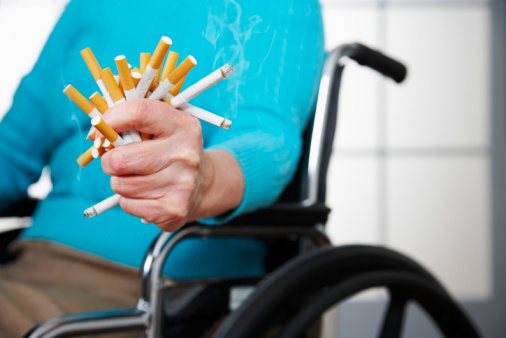
Smoking is a bad habit for anyone, but for those with rheumatoid arthritis (RA), it is a habit that is especially dangerous.
ThinkstockPhotos-78770898
Rheumatoid arthritis is a chronic disease that causes pain, stiffness, swelling, and loss of function in the joints. It occurs when your immune system, the system that protects your body from outside harm, mistakenly starts attacking healthy tissue. If not managed properly, over time, RA can cause joint damage—and can even result in permanent joint destruction.

Unlike the more common osteoarthritis, RA is not associated with factors such as aging, obesity, or injury, but lifestyle choices, such as smoking, not only increase your odds of developing the disease but also make the condition worse for those who already have it. In addition, smoking combined with RA can lead to even greater problems, such as heart disease.

Recent studies indicate that tobacco is highly associated with and the probable cause of RA in many instances and is a leading factor when the condition worsens. According to one study, Smokers with a specific gene makeup are 50% more likely to develop RA than those who do not smoke, and those who get it, usually develop a more serious form of the disease.

Smoking also affects how well those who develop RA respond to treatments. In general, smokers are less likely to achieve remission and have worse outcomes because tobacco reduces the effectiveness of medications used to treat swelling and reduce pain for rheumatoid arthritis patients.

Having rheumatoid arthritis, in and of itself, it’s a risk factor for developing heart disease. In fact, over the last ten years, the leading cause of death for people with RA is cardiovascular disease. Smoking, combined with RA raises your risk of developing heart disease to a much higher level.

Quitting smoking can go a long way toward rheumatoid arthritis prevention. If you’re at risk for developing RA or if you already have it, you don’t want to light up, and if you’re already smoking, you want to quit.

If you or a loved one either has or is at risk of developing arthritis, please speak to your doctor immediately about treatment options. To make an appointment at Flushing Hospitals’ Ambulatory Care Center, please call 718-670-5486.

All content of this newsletter is intended for general information purposes only and is not intended or implied to be a substitute for professional medical advice, diagnosis or treatment. Please consult a medical professional before adopting any of the suggestions on this page. You must never disregard professional medical advice or delay seeking medical treatment based upon any content of this newsletter. PROMPTLY CONSULT YOUR PHYSICIAN OR CALL 911 IF YOU BELIEVE YOU HAVE A MEDICAL EMERGENCY.
Are you at Risk for Stroke?

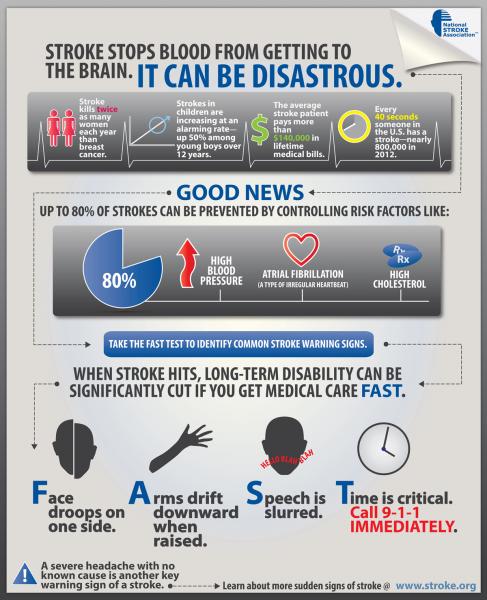
May is National Stroke Awareness Month. A stroke or a CVA (cerebrovascular accident) is an attack on the brain that can occur very quickly and with little warning.  Every year, more than 795,000 people in the United States suffer a stroke and one death from stroke happens every four minutes, making it the fifth leading cause of death in the U.S.

stroke_infographic_webThe risk of having a stroke varies with race and ethnicity. Though stroke risk increases with age, strokes can occur at any time. Prevent or reduce your risk of stroke by:

. Keeping your blood pressure, blood glucose and cholesterol levels in normal range

. Quitting smoking

. Staying active and maintaining a healthy diet and weight

. Treating heart disease

You may be having a stroke if you experience:

. Sudden, severe headache with no known cause

. Trouble seeing out of one or both eyes

. Confusion or trouble speaking

. Dizziness or trouble walking

. Numbness or weakness in the arm, face or legs, especially on one side of the body

If you suspect you or someone you know is having a stroke, act F.A.S.T:

F   Facial Weakness

A  Arm Weakness

  Slurred speech

  Time to call 911

Remember, the quicker you get medical help, the less damage to your brain and body and the better your chances are of surviving or avoiding long-term disability.

All content of this newsletter is intended for general information purposes only and is not intended or implied to be a substitute for professional medical advice, diagnosis or treatment. Please consult a medical professional before adopting any of the suggestions on this page. You must never disregard professional medical advice or delay seeking medical treatment based upon any content of this newsletter. PROMPTLY CONSULT YOUR PHYSICIAN OR CALL 911 IF YOU BELIEVE YOU HAVE A MEDICAL EMERGENCY.

The Dangers of Secondhand Smoke

downloadMay 31 is World No Tobacco Day. Know the dangers of exposing your family and friends to secondhand smoke.Secondhand smoke is a combination of side stream smoke-which comes from the end of a burning cigarette and mainstream smoke-which is exhaled by the smoker.  It may seem harmless but the smoke that comes from the end of the cigarette is considered to be even more harmful than the smoke inhaled by the smoker; because there are no filters. Secondhand smoke is harmful to everyone; however, pregnant women, children and partners of people who smoke are the most vulnerable. 

There are over 250 harmful chemicals that can be found in the smoke created by tobacco products. Some of these chemicals are carbon monoxide, hydrogen cyanide, ammonia, arsenic, vinyl chloride and formaldehyde. The Environmental Protection Agency categorizes secondhand smoke as a Group A carcinogen; meaning that it can cause cancer in humans.

The more you are exposed to secondhand smoke, the higher your risk of developing diseases and suffering from the health effects. Respiratory symptoms such as wheezing, breathlessness and coughing can be triggered by secondhand smoke. Other harmful health effects include the increased risk of developing heart disease, respiratory disease and strokes.

Pregnant women who consistently breathe secondhand smoke may have miscarriages or give birth to low birth-weight and premature babies.  For newborns exposure can escalate the risk of Sudden Infant Death Syndrome. Children can experience increased occurrences of asthma, pneumonia, bronchitis and ear infections.

Secondhand smoke is harmful, despite the level of exposure.  Breathing in even a little smoke can be dangerous and the effects on your health can be immediate. There are several ways to reduce the risk of exposure to second hand smoke. You can ask members in your family not to smoke in your home, disallow smoking in your car and choose smoke- free restaurant and indoor places.

All content of this newsletter is intended for general information purposes only and is not intended or implied to be a substitute for professional medical advice, diagnosis or treatment. Please consult a medical professional before adopting any of the suggestions on this page. You must never disregard professional medical advice or delay seeking medical treatment based upon any content of this newsletter. PROMPTLY CONSULT YOUR PHYSICIAN OR CALL 911 IF YOU BELIEVE YOU HAVE A MEDICAL EMERGENCY.