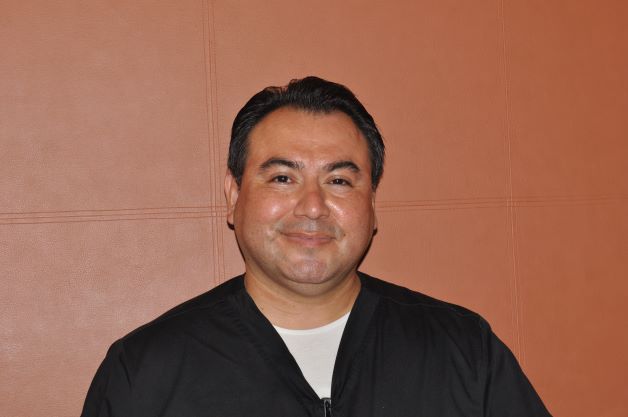
What Happens to Men When Testosterone Levels are Low ?

Testosterone is the male sex hormone that is produced in the testicles. It stimulates sperm production, has an effect on sex drive, and helps to build bone and muscle mass. Testosterone levels typically decrease with age. A low testosterone level in the blood is classified as having less than 300 nanograms per deciliter (ng/dl).

What are some of the reasons for low testosterone levels ?  Other than aging, the level of testosterone in the body may be reduced due to chemotherapy, congenital diseases that cause the testicles to not develop properly, use of narcotics, high blood pressure, diabetes, injury or removal of the testicles, radiation, or infection.

The symptoms of low testosterone include:

  • Reduced sex drive
  • Erectile dysfunction
  • Loss of body hair
  • Irritability
  • Depression
  • Reduced muscle mass
  • Reduced bone mass
  • Obesity
  • Reduced physical strength

Treating low testosterone levels should begin with tests to determine the cause of it. This will include a physical examination and blood tests. It is possible to take testosterone supplements which can be given as an injection, gels, patches and tablets. None of these supplements should be taken without consulting with a physician first as they may have side effects that outweigh the benefits. Some of these supplements are also not advised for men who have certain conditions such as heart disease, uncontrolled hypertension, prostate or breast cancer and clotting disorders.

Speak with your physician if you have reason to believe that you have low testosterone levels. You can schedule an appointment with a physician at Flushing Hospital Medical Center by calling 718-670-5486.

All content of this newsletter is intended for general information purposes only and is not intended or implied to be a substitute for professional medical advice, diagnosis or treatment. Please consult a medical professional before adopting any of the suggestions on this page. You must never disregard professional medical advice or delay seeking medical treatment based upon any content of this newsletter. PROMPTLY CONSULT YOUR PHYSICIAN OR CALL 911 IF YOU BELIEVE YOU HAVE A MEDICAL EMERGENCY.

STI (STD) Awareness Month

Sexually transmitted infections (STIs), also known as sexually transmitted diseases (STDs) are infections that are spread by sexual contact. April marks National STI Awareness Month, a campaign sparked by the Centers for Disease Control and Prevention as an effort to counter the nation’s high rates of sexually transmitted infections. The United States currently has one of the highest rates of sexually transmitted diseases among all countries in the developed world.

The best way to prevent STIs is to not have sexual intercourse but that isn’t realistic for most. However, knowledge of prevention is the second-best option. To prevent the transmission of STIs, people need to be taught how to effectively use condoms.  The Centers for Disease Control and Prevention (CDC), outlines the steps on their website https://www.cdc.gov/condomeffectiveness/male-condom-use.html

All content of this newsletter is intended for general information purposes only and is not intended or implied to be a substitute for professional medical advice, diagnosis or treatment. Please consult a medical professional before adopting any of the suggestions on this page. You must never disregard professional medical advice or delay seeking medical treatment based upon any content of this newsletter. PROMPTLY CONSULT YOUR PHYSICIAN OR CALL 911 IF YOU BELIEVE YOU HAVE A MEDICAL EMERGENCY.
The Benefits (And Some Warnings) About Using The Internet To Manage Your Health

The internet is a wonderful tool for us to gather information. One of the subjects that many use the internet for is to learn more about their health. Using online searches to increase your understanding of a potential or existing medical condition can be beneficial, but doctors do have warnings about how and when to utilize this technology.

There is no doubt that the internet has changed the physician-patient dynamic. It is estimated that over 90 percent of adults in the United States have access to the internet and approximately 75 percent of them have used it to conduct a search about a health condition within the last year.

For the most part, online searches are being done by patients before they see their doctor to determine if a visit is even necessary.  Some patients are armed with a plethora of knowledge when they arrive for their appointment, and they are asking their physician to confirm rather than diagnose a condition.  In other instances, many patients are using the internet to discuss medication and treatment options with their doctors as well as referrals for specialists.

But how are these internet searches affecting the doctor-patient relationship? If used correctly, doctors usually welcome and embrace their patient’s increased knowledge about their condition. They believe that an educated and engaged patient is better equipped to better manage their condition and make the correct lifestyle choices to improve their health. Most physicians also believe that if their patients come to them having already picked up some information online, they will get more out of the visit based on their increased knowledge of their condition. Lastly, many doctors use the internet as a valuable tool to reinforce what they are advising to those patients who may be otherwise skeptical of a diagnosis or treatment option.

Even with all of its advantages, doctors do warn that using the internet as a medical resource does have its pitfalls. Physicians want patients to understand that health information on the internet is endless and not all of it is accurate.  Relying on incorrect information can cause patients to either worry needlessly over a false self-diagnosis or worse, fail to seek treatment after incorrectly believing that they do not need medical attention.

The information found on the internet is intended to be supplemental, and not replace seeing your physician. The best recommendation to incorporate information obtained online is to bring it with you to your appointment and review it with your doctor. By collaborating with your provider you can build a better relationship that can ultimately lead to better health outcomes.

All content of this newsletter is intended for general information purposes only and is not intended or implied to be a substitute for professional medical advice, diagnosis or treatment. Please consult a medical professional before adopting any of the suggestions on this page. You must never disregard professional medical advice or delay seeking medical treatment based upon any content of this newsletter. PROMPTLY CONSULT YOUR PHYSICIAN OR CALL 911 IF YOU BELIEVE YOU HAVE A MEDICAL EMERGENCY.

Shining Our Employee Spotlight on Juanita Barrera

This month, we are proud to shine our employee spotlight on Juanita Barrera, Administrative Assistant to the Directors of Dietary and Building Services.

Juanita has been working at Flushing Hospital Medical Center for 31 years. Her first seven years were in the Health Information Department as a data entry clerk and for the past 24 years she has been in the Food and Nutrition Department.

She grew up in Flushing, Queens where she attended PS 214, Junior High School 185, Flushing High School and she recently went back to school at Queensborough Community College where she obtained her AS in Health Science.

Juanita has two children, Jasmine and Deval and one grandson Jayden.  Her family is very important to her and she enjoys spending time with them.  She also has a French bulldog.

Juanita likes to travel both locally and abroad. The best vacations are to places where she can relax in the sun and take in the local culture. She enjoys different types of music, her favorites being the ones she can dance to. She also enjoys keeping in shape and participates in many forms of activities which include kickboxing, running, Zumba and has even jumped off cliffs.

Juanita takes great pride in working at Flushing Hospital because of the people she works with and also because it’s located in the neighborhood where she grew up.

We are very proud to have Juanita as part of our team at Flushing Hospital Medical Center and look forward to having her continue for many more years.

All content of this newsletter is intended for general information purposes only and is not intended or implied to be a substitute for professional medical advice, diagnosis or treatment. Please consult a medical professional before adopting any of the suggestions on this page. You must never disregard professional medical advice or delay seeking medical treatment based upon any content of this newsletter. PROMPTLY CONSULT YOUR PHYSICIAN OR CALL 911 IF YOU BELIEVE YOU HAVE A MEDICAL EMERGENCY.

When To See A Doctor If You Have A Sinus Infection ?

A sinus infection, also known as sinusitis, is a very common type of infection that occurs when the sinuses or cavities in the front of the face, around the eyes, and behind the nose become filled with mucous.

The majority of sinus infections are caused by viruses.  Sinus infections can also be caused to a much lesser extent by bacteria or fungus however,  and are less likely to be transmitted from one person to another. They can also be caused by allergies, blocked nasal passages, asthma, and nasal blockages due to polyps.

Acute viral sinusitis typically lasts between seven to ten days and may follow a cold. Chronic sinusitis can last for 12 weeks or longer.

Symptoms of a sinus infection include:

  • Facial pain or pressure on the forehead or between the eyes
  • Runny or stuffy nose
  • Thick yellow, green, or cloudy nasal discharge
  • Inability to smell
  • Cough
  • Sore throat
  • Fever

Sinus infections typically begin to improve by themselves in about 10 days. You should contact your physician if the infection is not improving or if it is getting worse. Anyone who experiences any of the following should see a physician as soon as possible:

  • Fever over 102 degrees Fahrenheit
  • Confusion
  • Stiff neck
  • Vision changes
  • Swelling and redness around the eyes
  • Intense headache

A sinus infection can spread to the brain or the eye if it is left untreated. People who have frequent or chronic sinus infections should see an otolaryngologist, also known as an ear, nose and throat specialist (ENT) to see if there is an underlying reason these are occurring.

If you think you may have a sinus infection, you can try several remedies at home such as a warm compress on the face, over-the-counter decongestants, saline nasal sprays, and over-the-counter pain relievers. These shouldn’t be used for more than three days. Speak to your physician if the symptoms of a sinus infection don’t improve or worsen after ten days. If you would like to schedule an appointment with a physician at Flushing Hospital Medical Center, please call 718-670-5486.

All content of this newsletter is intended for general information purposes only and is not intended or implied to be a substitute for professional medical advice, diagnosis or treatment. Please consult a medical professional before adopting any of the suggestions on this page. You must never disregard professional medical advice or delay seeking medical treatment based upon any content of this newsletter. PROMPTLY CONSULT YOUR PHYSICIAN OR CALL 911 IF YOU BELIEVE YOU HAVE A MEDICAL EMERGENCY.

Things to Consider Before Doing a Colon Cleanse

A colon cleanse is the process of flushing out the large intestine. This can be done in one of two ways, one involves introducing large volumes of fluid into the colon, and the other involves taking powdered or liquid supplements such as laxatives, magnesium, or herbal tea by mouth. Both methods will stimulate emptying the colon of its contents.

History shows that colon cleanses date back thousands of years to ancient Greece. The theory of performing colon cleansing is to help remove toxins from the body which may be accumulating in the colon and can’t be expelled on their own.

Some of the conditions people believe are helped by doing a colon cleanse are fatigue, weight gain, low energy, and headaches.

Some of the potential risks of doing a colon cleanse include:

  • Dehydration
  • Mineral imbalance
  • Bowel perforation
  • Infection
  • Kidney failure
  • Nausea
  • Cramps
  • Bacterial imbalance

Some people should be extra cautious about having a colon cleanses, or might want to avoid them completely. These include people with the following conditions:

  • Diverticulitis
  • Crohn’s disease
  • Hemorrhoids
  • Rectal tumors
  • Heart disease
  • Ulcerative colitis
  • Tumors in the colon

Colon cleanses should only be done by a professional and only after consulting with a physician first. If you would like to make an appointment with a physician at Flushing Hospital Medical Center please call 718-670-5486.

All content of this newsletter is intended for general information purposes only and is not intended or implied to be a substitute for professional medical advice, diagnosis or treatment. Please consult a medical professional before adopting any of the suggestions on this page. You must never disregard professional medical advice or delay seeking medical treatment based upon any content of this newsletter. PROMPTLY CONSULT YOUR PHYSICIAN OR CALL 911 IF YOU BELIEVE YOU HAVE A MEDICAL EMERGENCY.

MediSys Health Network CEO Named to the Mayor’s Health Equity Task Force

On February 17, New York City Mayor Eric Adams announced the formation of his administration’s COVID-19 Recovery Roundtable and Health Equity Task Force. This task force was created to advise the administration on long-term, comprehensive policies around health equity and health access.

This roughly 40-person commission, unprecedented for its diversity, is comprised of a group of leaders from 11 different industries from across the city. One of those chosen to join this esteemed panel of leaders is MediSys (Jamaica and Flushing Hospital) President and CEO, Bruce J. Flanz.

Mr. Flanz, along with the other members of the COVID-19 Recovery Roundtable and Health Equity Task Force will meet monthly and focus their attention on continuing the city’s path to a speedy, effective, and equitable recovery from the COVID-19 pandemic as well as building a healthier and stronger city for all New Yorkers.

According to Mayor Adams, “We cannot build a just and prosperous recovery for all New Yorkers without bringing together and listening to experts and community leaders from across the city. The COVID-19 Recovery Roundtable and Health Equity Task Force brings not only the best minds together to build a speedy recovery, but a lasting one. I’m grateful to the members for bringing their time and ideas to the city as we work towards this shared goal.”

First Deputy Mayor Lorraine Grillo added, “I’m thrilled to have leaders from every corner of New York City as part of our COVID-19 Recovery Roundtable and Health Equity Taskforce. Thank you to everyone who has joined this effort, I’m looking forward to rolling up our sleeves and getting to work developing long term policies to guide our city through a just and equitable recovery.”

Mr. Flanz stated, “I am extremely proud to serve on this task force and I commend Mayor Adams for addressing these important issues. Representing two Queens-based hospitals located at the epicenter of the COVID pandemic, I witnessed first-hand the devastating effects the pandemic had on our communities that already face many socio-economic challenges. I look forward to working with this diverse group of talented individuals to address these disparities and create a more equitable health system for all.”

All content of this newsletter is intended for general information purposes only and is not intended or implied to be a substitute for professional medical advice, diagnosis or treatment. Please consult a medical professional before adopting any of the suggestions on this page. You must never disregard professional medical advice or delay seeking medical treatment based upon any content of this newsletter. PROMPTLY CONSULT YOUR PHYSICIAN OR CALL 911 IF YOU BELIEVE YOU HAVE A MEDICAL EMERGENCY.

March is National Colorectal Cancer Awareness Month

In February 2000, President Clinton dedicated March as National Colorectal Cancer Awareness Month. Colorectal cancer is one of the leading causes of death in the United States today. It is estimated that 140,000 people are diagnosed with this type of cancer each year and about 50,000 die from the disease.

The good news is that the disease is highly preventable by getting a regular screening. The reason that the screenings are so important is because if precancerous polyps are found early, they can be removed and treatment can be started early.
Risk factors for colorectal cancer include:
• Family history
• Precancerous polyps
• Smoking
• People over the age of 50
• People who have diets high in red meat and processed meat.

It is important to be checked regularly as people get older. For many people who don’t have a family history of colorectal cancer or experience symptoms of the disease, screenings can be started at age 50. If however there is a family history or symptoms exist, screenings should start by age 40 without symptoms or earlier if there are.
Screening for colorectal cancer can be done in several ways.  Some of the more common methods include:
• Checking the stool for occult blood by either a high sensitivity guaiac fecal occult blood test or fecal immunochemical test
• CT colonoscopy
• Colonoscopy
• Sigmoidoscopy

If there is blood present in the stool, or you are experiencing unexplained abdominal pain or weight loss you should consult with your physician immediately. If you would like to schedule an appointment with a physician at Flushing Hospital Medical Center, please call 718-670-5486.

All content of this newsletter is intended for general information purposes only and is not intended or implied to be a substitute for professional medical advice, diagnosis or treatment. Please consult a medical professional before adopting any of the suggestions on this page. You must never disregard professional medical advice or delay seeking medical treatment based upon any content of this newsletter. PROMPTLY CONSULT YOUR PHYSICIAN OR CALL 911 IF YOU BELIEVE YOU HAVE A MEDICAL EMERGENCY.

Eating Disorders Myths Debunked

“You can tell if someone has an eating disorder by looking at them,” “eating disorders are caused by a diet gone too far,” and “only young women are affected”   are some of the popular misconceptions associated with eating disorders.

Studies show that despite growing awareness and education about eating disorders, many people still continue to view myths such as these as factual.  This is dangerous as misinformation can result in the denial of symptoms and the validation of harmful behaviors.

In an effort to stop the spread of harmful information, we are providing the following myths and facts about eating disorders:

Myth –You can tell if someone has an eating disorder by looking at them.

Fact- Many individuals with eating disorders seem healthy in appearance. In several circumstances, weight loss or weight gain may not be obvious during the onset of eating disorders.  It is also common for sufferers to learn how to hide symptoms of their illness by doing things such as wearing baggy clothing.

Myth- Eating disorders are lifestyle choices or result from diets taken too far.

Fact – Going on a diet is a choice and having an eating disorder is not.  Eating disorders are life-threatening illnesses that are associated with psychological, social, or emotional distress.

Myth- Only adolescent women are affected by eating disorders.

Fact- Eating disorders do not discriminate by gender or age.  In fact, it is estimated that 10 million men living in the United States have an eating disorder.  More and more people are seeking treatment for these disorders in their twenties and up.  There are three main groups of people that fit into this category:

  • Those who secretly struggle with eating disorders for years without seeking treatment.
  • Those who received treatment earlier in life and are experiencing recurring symptoms
  • Those who have developed eating disorders as adults

All content of this newsletter is intended for general information purposes only and is not intended or implied to be a substitute for professional medical advice, diagnosis or treatment. Please consult a medical professional before adopting any of the suggestions on this page. You must never disregard professional medical advice or delay seeking medical treatment based upon any content of this newsletter. PROMPTLY CONSULT YOUR PHYSICIAN OR CALL 911 IF YOU BELIEVE YOU HAVE A MEDICAL EMERGENCY.

Employee Spotlight Shines on Melida Nieves

This month we are proud to shine our Employee Spotlight on Melida Nieves, Lead Registrar in the Ambulatory Care Center – OB/GYN Department.

Melida has been with Flushing Hospital Medical Center for 14 years. She was born and raised in Brooklyn, and still resides there. Family is the most important aspect of her life. To her it is important that both her family and friends are feeling well, are comfortable, and that their needs are met. She is very proud of her two beautiful daughters who she enjoys spending as much time as possible with. She also has a poodle named Lola that she adores. In her free time, Melida enjoys going shopping and going out to eat with her daughters and often with her two sisters. She is very active with the Real Life Church in Brooklyn where she is involved in many activities that benefit the people in the community including the food bank, clothing and toy drives. Melida enjoys many types of cuisine, especially, Spanish, Italian, and Caribbean. Her favorite type of music is gospel.

Melida likes working at Flushing Hospital Medical Center because she enjoys interacting with the patients, as well as her colleagues, many of whom have become like family.

We are very pleased to have Melida working with us and we look forward to her continuing to be a part of the Flushing Hospital team for many more years.

All content of this newsletter is intended for general information purposes only and is not intended or implied to be a substitute for professional medical advice, diagnosis or treatment. Please consult a medical professional before adopting any of the suggestions on this page. You must never disregard professional medical advice or delay seeking medical treatment based upon any content of this newsletter. PROMPTLY CONSULT YOUR PHYSICIAN OR CALL 911 IF YOU BELIEVE YOU HAVE A MEDICAL EMERGENCY.