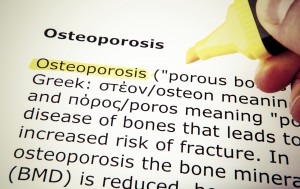
 Osteoporosis can strike at any age and occurs in both men and women, but it is most common in post-menopausal women. Bone is living tissue that constantly regenerates. Osteoporosis causes bones to become weak and brittle making you more susceptible to fractures. The most common fractures occur in the hip, wrist or spine.
Medications, healthy diet and weight-bearing exercise can help prevent bone loss or strengthen already weak bones.
May is National Osteoporosis Month. If you suffer from osteoporosis, try adding foods that are good for your bones and rich in nutrients like calcium, vitamins D, C, and K, as well as potassium and magnesium.
.Dairy products — Low-fat and non-fat milk, yogurt and cheese that contain calcium and are fortified with vitamin D, as well as fatty fishes like canned sardines, salmon (with bones), mackerel and tuna.
.Potassium — Spinach, beet greens, okra, tomato products, artichokes, plantains, potatoes, sweet potatoes, collard greens and raisins.
.Magnesium — Tomato products, raisins, potatoes, spinach, sweet potatoes, papaya, oranges, orange juice, bananas, plantains and prunes.
.Vitamin C — Red peppers, green peppers, oranges, grapefruits, broccoli, strawberries, Brussels sprout, papaya and pineapples.
.Vitamin K — Vegetables such as kale, mustard greens, turnip greens and Brussels sprout, okra, Chinese cabbage, dandelion greens, and broccoli.
If you think you have osteoporosis, make an appointment with a doctor at Flushing Hospital Medical Center’s Ambulatory Care Center by calling 718-670-5486.
For more health and lifestyle tips, follow us on Twitter @FHMC_NYC and like us on Facebook at www.facebook.com/FlushingHospital.
All content of this newsletter is intended for general information purposes only and is not intended or implied to be a substitute for professional medical advice, diagnosis or treatment. Please consult a medical professional before adopting any of the suggestions on this page. You must never disregard professional medical advice or delay seeking medical treatment based upon any content of this newsletter. PROMPTLY CONSULT YOUR PHYSICIAN OR CALL 911 IF YOU BELIEVE YOU HAVE A MEDICAL EMERGENCY.