
Medical Reasons We May Be Gaining Weight

We know that there are certain things that we do to cause us to gain weight. Habits such as overeating, late night snacking, and lack of exercise can all contribute to gaining weight. For some however, weight gain might be caused by any number of medical conditions including:

  • Underactive thyroid (hypothyroidism)
  • Mood disorders (depression, stress and anxiety)
  • Polycystic ovary syndrome (PCOS)
  • Menopause
  • Cushing’s disease
  • Ovarian tumor
  • Insomnia
  • Kidney disease
  • Liver cirrhosis
  • Pregnancy

Taking certain medications to treat diabetes, high blood pressure and psychiatric conditions can also lead to weight gain. In addition, when people stop smoking, this may lead to weight gain because the metabolism slows down. People who experience heart failure will retain greater than normal amounts of fluid in their lower extremities and abdomen which can also lead to  weight gain.

Some of the side effects of weight gain are noticeable and can include changes in vision, sweating, difficulty breathing, shortness of breath and heart palpitations.

Treatment for sudden weight gain has to include finding out what the cause is.

If a person is experiencing rapid weight gain and they can’t determine the reason why, it is important to see a physician who will recommend tests to determine the cause.

To schedule an appointment with a physician at Flushing Hospital Medical Center, please call 718-670-5486.

All content of this newsletter is intended for general information purposes only and is not intended or implied to be a substitute for professional medical advice, diagnosis or treatment. Please consult a medical professional before adopting any of the suggestions on this page. You must never disregard professional medical advice or delay seeking medical treatment based upon any content of this newsletter. PROMPTLY CONSULT YOUR PHYSICIAN OR CALL 911 IF YOU BELIEVE YOU HAVE A MEDICAL EMERGENCY.
Smoking and the Effects on the Skin

Everyone knows that smoking is bad for your health. The skin is one area that smoking has a very noticeable effect and can be seen very easily.

There are thousands of chemicals in tobacco smoke. Some of these can affect the skin’s elasticity which will lead to wrinkles and skin that looks baggy. Smoke also affects oxygenation of the blood which can lead to a change in skin tone and pallor.

Some other effects smoking can have on skin include:

  • Psoriasis
  • Hair thinning
  • Yellow fingers
  • Slower wound healing
  • Cancerous skin lesions

Quitting smoking can reverse some of the negative effects. This is due to better oxygenation of the blood and also removal of the toxic chemicals from the body.

If you smoke and would like to quit, you can speak to your doctor and see what method would be best for you. Flushing Hospital Medical Center provides extensive assistance for people willing to quit smoking.  More information is available at 718-206-8494.

All content of this newsletter is intended for general information purposes only and is not intended or implied to be a substitute for professional medical advice, diagnosis or treatment. Please consult a medical professional before adopting any of the suggestions on this page. You must never disregard professional medical advice or delay seeking medical treatment based upon any content of this newsletter. PROMPTLY CONSULT YOUR PHYSICIAN OR CALL 911 IF YOU BELIEVE YOU HAVE A MEDICAL EMERGENCY.
Fibromyalgia

Fibromyalgia is a condition thought to be caused by an increase in the way the brain processes pain sensation throughout the body’s musculoskeletal system. The result is a chronic sensation of pain that is often debilitating and life-changing. Women tend to be affected by fibromyalgia more than men but the reason for that is unclear. In some people, fibromyalgia appears after a trauma, a surgical procedure, an infection, or a stressful event. There also may be some correlation to it running in families.

Scientists believe that there may be an overstimulation of the pain receptors that causes the symptoms.  Symptoms of fibromyalgia include:
• Pain all over the body
• Fatigue
• Difficulty focusing
• Migraine headaches
• Anxiety
• Depression

Fibromyalgia is diagnosed through a physical exam and blood tests that examine thyroid function, red and white blood cell count, rheumatoid arthritis factor, and the erythrocyte sedimentation rate. If a person has pain for three months and no obvious medical reason for it, it might be reason to rule out fibromyalgia.

There is no one method of treating fibromyalgia that is completely effective.
• Treatment options include:
• Physical therapy
• Pain relievers
• Anti-depressants
• Getting adequate rest
• Acupuncture
• Regular exercise

If you have symptoms of fibromyalgia and would like to schedule an appointment with a doctor at Flushing Hospital, please call 718-670-5486.

All content of this newsletter is intended for general information purposes only and is not intended or implied to be a substitute for professional medical advice, diagnosis or treatment. Please consult a medical professional before adopting any of the suggestions on this page. You must never disregard professional medical advice or delay seeking medical treatment based upon any content of this newsletter. PROMPTLY CONSULT YOUR PHYSICIAN OR CALL 911 IF YOU BELIEVE YOU HAVE A MEDICAL EMERGENCY.

Flushing Hospital Wants You To Know About Cold Sores

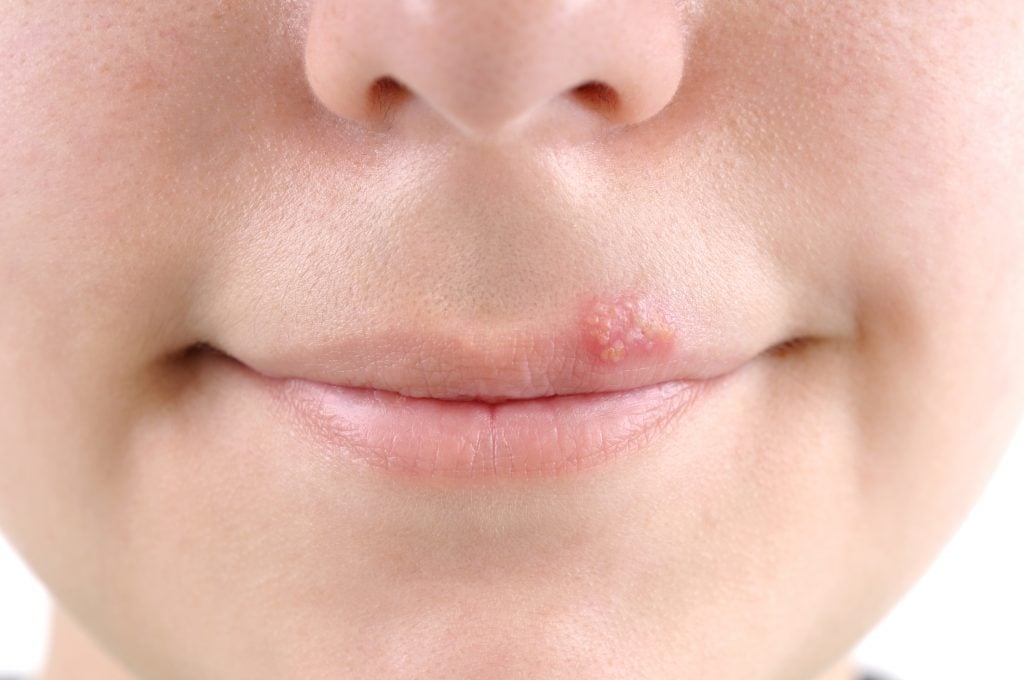
Cold sores are small fluid filled blisters, also known as fever blisters, that are develop on or near the mouth and the lips. They are caused by the herpes simplex virus (HSV-1). Cold sores are highly contagious and are spread by coming in close contact with secretions from the blisters or sharing utensils or other personal hygiene items with an infected person. It is important to keep in mind that the virus can spread even when an infected person does not have a cold sore.

A cold sore usually develops in several stages during an outbreak. The stages of a cold sore are:

1 Tingling and itching near the mouth
2 Formation of a fluid filled blister
3 The blister breaks
4 Scab forms
5 Scab falls off and sore heals

Additional symptoms a person may experience during an outbreak include:

  • Headache
  • Sore throat
  • Muscle aches
  • Swollen lymph nodes

There are several factors that can cause a cold sore to develop or reoccur if a person has already had an outbreak in the past: These include:

  • Stress
  • Fatigue
  • Eating certain foods
  • Having a cold
  • Allergic reaction

The diagnosis of a cold sore can usually be made by visual inspection. It is also possible to do a blood test to see if the virus is present.

There are no cures for a cold sore but there are ways to treat the symptoms.  Antiviral medications are often prescribed and there re over the counter medications treatment available to purchase.

Speak to your physician if you think you have a cold sore and it doesn’t start to heal in two weeks. You can also schedule an appointment with a physician at Flushing Hospital Medical Center’s Ambulatory Care Center by calling 718-670-5486.

All content of this newsletter is intended for general information purposes only and is not intended or implied to be a substitute for professional medical advice, diagnosis or treatment. Please consult a medical professional before adopting any of the suggestions on this page. You must never disregard professional medical advice or delay seeking medical treatment based upon any content of this newsletter. PROMPTLY CONSULT YOUR PHYSICIAN OR CALL 911 IF YOU BELIEVE YOU HAVE A MEDICAL EMERGENCY.
What is Aortic Valve Disease

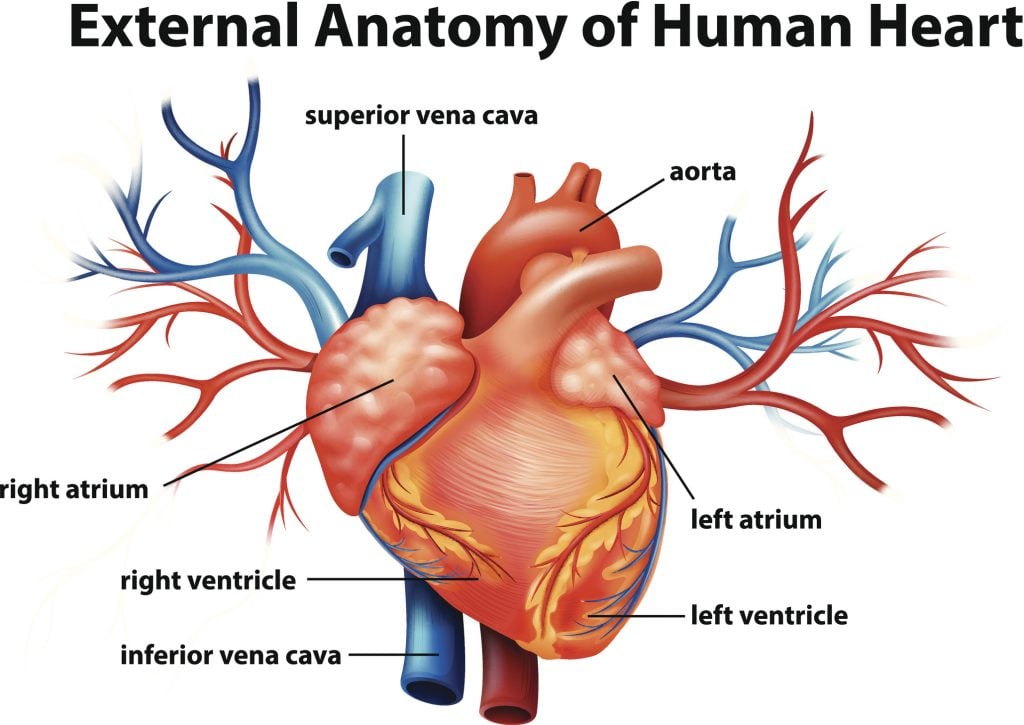
One of the most important organs of the body is the heart. It’s main function is to pump oxygenated blood to the rest of the body which is what keeps us alive.

The heart has four chambers, two on the right and two on the left. Blood enters the heart through the right atrium, it then passes to the right ventricle. From the right ventricle the heart pumps blood to the lungs where it receives oxygen and then returns blood into the left atrium.  From the left atrium blood then passes to the left ventricle. The heart then pumps blood to the rest of the body from the left ventricle through the aortic valve and into the aorta.   When this valve doesn’t function properly, it causes a condition called aortic valve disease.

Aortic valve disease can be due to a birth defect, an infection, the aging process, or an injury to the heart.

There are two main types of aortic valve disease:

Aortic valve stenosis is a condition where the aortic valve opening is narrowed due the valve flaps being either thickened, fused or too stiff. This leads to reduced blood flow from the heart to the aorta. This can be caused by a calcium buildup on the valve leaflets. A history of rheumatic fever can also lead to aortic valve stenosis.

Aortic valve regurgitation is a condition where blood flows back into the heart from the aorta due to the valve flaps being weakened and unable to keep the blood flowing in only one direction. This may be due to a birth defect that worsens over time.

Aortic valve disease can cause the following symptoms:

  • Heart murmur
  • Shortness of breath
  • Swollen ankles
  • Fatigue
  • Chest pain
  • Irregular heartbeat
  • Dizziness

Aortic valve disease can lead to heart related complications such as stroke, blood clots, heart failure, and death.

Diagnosing aortic valve disease is done by a physician who will take a full medical history and listen to the heart with a stethoscope to determine if there are signs of a murmur. Diagnostic tests will foloow and these include an electrocardiogram, an echocardiogram and a chest x-ray to determine if the heart appears enlarged. Other tests that may be performed are a CT scan, a MRI, and a stress test.

Treatment options depend on the severity of the disease. They can range from lifestyle changes,  such as stress reduction, smoking cessation,  and diet modification, and possibly prescribing medications to control heart function. In more severe cases surgery to repair or replace the valve may be necessary.

If you would like to schedule an appointment with a cardiologist at Flushing Hospital Medical Center please call 718-670-5486.

All content of this newsletter is intended for general information purposes only and is not intended or implied to be a substitute for professional medical advice, diagnosis or treatment. Please consult a medical professional before adopting any of the suggestions on this page. You must never disregard professional medical advice or delay seeking medical treatment based upon any content of this newsletter. PROMPTLY CONSULT YOUR PHYSICIAN OR CALL 911 IF YOU BELIEVE YOU HAVE A MEDICAL EMERGENCY.
The Importance of Keeping Hydrated in Cold Weather

The level of humidity in the air during the winter months tends to be much lower, resulting in much drier air as compared to other times of the year.  In addition, the air in our homes is also drier due to home heating. These differences in air quality both inside and outside can increase our chances of becoming dehydrated.

Other factors that can lead to dehydration in the winter include:

  • Cold-induced diuresis (frequent urination)
  • Drinking less water because we tend to feel less thirsty
  • Wearing heavier clothing which can cause us to perspire more
  • Increased respiratory  rates which leads to greater water loss

It is important that we stay hydrated in winter because doing so helps keep our body temperature at a constant and normal level. When there isn’t enough fluid in the body, this can cause the core temperature to drop to dangerous levels. Hypothermia can set in quicker if the body is dehydrated. Staying hydrated is also helps our immune system fight off colds and the flu, which are more common in the winter.

Things to avoid in cold weather to prevent dehydration include caffeinated beverages and alcoholic beverages.  It is also recommended that you don’t drink cold beverages, but rather warm or room temperature beverages because this will lead to more frequent urination.

Signs and symptoms of dehydration to look out for include:

  • Severe thirst
  • Reduced urine output
  • Dark urine for long periods of time
  • Dizziness
  • A rapid heart rate
  • Muscle cramps

If you have any signs of dehydration during the winter months, it is important to seek medical attention immediately.

All content of this newsletter is intended for general information purposes only and is not intended or implied to be a substitute for professional medical advice, diagnosis or treatment. Please consult a medical professional before adopting any of the suggestions on this page. You must never disregard professional medical advice or delay seeking medical treatment based upon any content of this newsletter. PROMPTLY CONSULT YOUR PHYSICIAN OR CALL 911 IF YOU BELIEVE YOU HAVE A MEDICAL EMERGENCY.

What is Pinkeye ?

Pinkeye, also known as conjunctivitis, is one of the most common and highly treatable eye conditions.  More than three million adults and children in the U.S. contract pinkeye every year.

Pinkeye occurs when the thin, clear tissue under the eyelid, known as the conjunctiva, becomes inflamed.  This inflammation makes the blood vessels in the eye more visible, giving them a pink appearance.  People who develop pinkeye typically experience pain, or feel a burning or itchy sensation. Their eyes may also tear and form a discharge that crusts while sleeping.  Other symptoms may include swelling, tenderness or sensitivity to light.

There are several causes for pinkeye, but it is most commonly either viral, which is the most contagious form, or due to a bacterial infection. Other factors that can lead to pinkeye include exposure to irritants such as shampoo, cosmetics, dirt, or pool chlorine, an allergic reaction to pollen, dust, or smoke, or a reaction to eye drops or contact lenses.  Usually a doctor can diagnose pinkeye through a routine examination.

Treating pinkeye depends on the cause of the condition.  In most cases it is treated by administering artificial tears, which can be purchased over-the-counter, to treat the dryness and cold compresses to treat inflammation. If pinkeye has developed due to a bacterial infection, antibiotics may be prescribed. Symptoms of pinkeye typically last anywhere from one to two weeks.

To avoid contracting pinkeye, take the following precautions:

  • Wash your hands frequently with soap and warm water. If soap and water are not available, use an alcohol-based hand sanitizer that contains at least 60 percent alcohol.
  • Avoid touching or rubbing your eyes.
  • Avoid sharing towels, blankets, and pillowcases.
  • Do not share eye makeup, face makeup, makeup brushes, contact lenses or containers, or eyeglasses.

In rare cases pinkeye can lead to complications. Please see a doctor if you experience moderate to severe pain your eyes, if you have problems with your vision, or if symptoms persist or worsen over time.

Pinkeye, also known as conjunctivitis, is one of the most common and highly treatable eye conditions.  More than three million adults and children in the U.S. contract pinkeye every year.

Pinkeye occurs when the thin, clear tissue under the eyelid, known as the conjunctiva, becomes inflamed.  This inflammation makes the blood vessels in the eye more visible, giving them a pink appearance.  People who develop pinkeye typically experience pain, or feel a burning or itchy sensation. Their eyes may also tear and form a discharge that crusts while sleeping.  Other symptoms may include swelling, tenderness or sensitivity to light.

There are several causes for pinkeye, but it is most commonly either viral, which is the most contagious form, or due to a bacterial infection. Other factors that can lead to pinkeye include exposure to irritants such as shampoo, cosmetics, dirt, or pool chlorine, an allergic reaction to pollen, dust, or smoke, or a reaction to eye drops or contact lenses.  Usually a doctor can diagnose pinkeye through a routine examination.

Treating pinkeye depends on the cause of the condition.  In most cases it is treated by administering artificial tears, which can be purchased over-the-counter, to treat the dryness and cold compresses to treat inflammation. If pinkeye has developed due to a bacterial infection, antibiotics may be prescribed. Symptoms of pinkeye typically last anywhere from one to two weeks.

To avoid contracting pinkeye, take the following precautions:

  • Wash your hands frequently with soap and warm water. If soap and water are not available, use an alcohol-based hand sanitizer that contains at least 60 percent alcohol.
  • Avoid touching or rubbing your eyes.
  • Avoid sharing towels, blankets, and pillowcases.
  • Do not share eye makeup, face makeup, makeup brushes, contact lenses or containers, or eyeglasses.

In rare cases pinkeye can lead to complications. Please see a doctor if you experience moderate to severe pain your eyes, if you have problems with your vision, or if symptoms persist or worsen over time.

To make an appointment at Flushing Hospital, please call 718-670-5486.

All content of this newsletter is intended for general information purposes only and is not intended or implied to be a substitute for professional medical advice, diagnosis or treatment. Please consult a medical professional before adopting any of the suggestions on this page. You must never disregard professional medical advice or delay seeking medical treatment based upon any content of this newsletter. PROMPTLY CONSULT YOUR PHYSICIAN OR CALL 911 IF YOU BELIEVE YOU HAVE A MEDICAL EMERGENCY.

Could your child have croup ?

Croup is an irritation of a baby’s upper airways that causes them to swell. It affects the area below the vocal chords resulting in noisy breathing accompanied by a cough that sounds like a dog’s bark bark. Croup is more commonly seen in boys than in girls and in children between three months to five years of age.

It is important to note that it can be contagious. There are two types of croup, one is viral and is usually caused by any virus that affects the larynx and the trachea. The most common virus to cause this illness is the parainfluenza virus. Viral croup is characterized by a high pitched wheezing noise with a barking cough in the lower airway or a harsh sound, called stridor, when it is located in the upper airway.

Spasmodic croup can start suddenly, usually at night, and the baby may sound like they are gasping for air. It may be due to an allergic reaction or from stomach reflux. Immediate medical attention is necessary for either type of croup especially if the child is showing signs of difficulty breathing, is anxious, breathing very quickly or is making sounds that are unusual when breathing. Additional symptoms of croup include: • Raspy voice • Fever in some cases but not all • Rash • Swollen lymph nodes • Fatigue Prevention of croup is best done by having your child stay away from anyone who is sick. Also frequent hand washing is recommended. Treatment for mild croup include: Keeping the child hydrated Keeping the head elevated Keeping the air moist Keeping the child calm Doctors may prescribe a steroid medication to reduce inflammation or epinephrine to reduce airway swelling.

The diagnosis of croup is made by observing a child breath and listening to their chest. An x-ray may be necessary in helping to see if it this illness or something else. If the symptoms last more than two or three days it is advised to seek medical attention. You can schedule an appointment with a pediatrician at Flushing Hospital Medical Center by calling 718-670-5486 or going to an emergency room.

All content of this newsletter is intended for general information purposes only and is not intended or implied to be a substitute for professional medical advice, diagnosis or treatment. Please consult a medical professional before adopting any of the suggestions on this page. You must never disregard professional medical advice or delay seeking medical treatment based upon any content of this newsletter. PROMPTLY CONSULT YOUR PHYSICIAN OR CALL 911 IF YOU BELIEVE YOU HAVE A MEDICAL EMERGENCY.

World AIDS Day

World AIDS Day has been recognized on December 1st every year since 1998. The World Health Organization (WHO) has designated it as one of the eight official global public health campaigns.

The focus of World AIDS Day is to raise awareness of the AIDS pandemic caused by the HIV infection.

Although the campaign extends throughout the year, World AIDS Day is the day when many events take place throughout the world to bring attention to this serious disease. The observance is recognized with educational programs on AIDS prevention and control.

In recognition of World AIDS Day Flushing Hospital Medical Center is sharing the following facts:

  • HIV (Human Immunodeficiency Virus) affects the body’s immune system. If not treated properly, HIV can develop into Acquired Immunodeficiency Syndrome (AIDS).
  • It has been estimated that 1.2 million people in the United States and 36.7 million people worldwide are presently living with HIV. In the United States, one out of eight does not know that they are infected.
  • The virus is either transmitted when certain bodily fluids come in contact with a mucous membrane within the body or a cut in the skin or through the sharing of needles and syringes of people who are infected.
  • HIV can only be transmitted by way of blood, semen, vaginal fluids, rectal fluids or breast milk.
  • HIV virus is not spread by water or air, mosquitoes, ticks or other insects, saliva, tears, sweat, sharing a toilet seat or by simple person -to- person touching.
  • There is no cure for HIV but there are ways to slow down its progression.

If you would like to speak to a physician about HIV and AIDS, or if you would like to be tested, you may schedule an appointment at Flushing Hospital at 718-670-5486.

All content of this newsletter is intended for general information purposes only and is not intended or implied to be a substitute for professional medical advice, diagnosis or treatment. Please consult a medical professional before adopting any of the suggestions on this page. You must never disregard professional medical advice or delay seeking medical treatment based upon any content of this newsletter. PROMPTLY CONSULT YOUR PHYSICIAN OR CALL 911 IF YOU BELIEVE YOU HAVE A MEDICAL EMERGENCY.

Do You Have a First Aid Kit ?

Medical emergencies can happen at any time and any place, for this reason every home, office and automobile should have a first aid kit on hand. It is important that the first aid kit is kept in a place that is easily accessible.  Everyone should be aware of where it is kept.

The American Red Cross recommends that a first aid kit contain the following items:

  • 2 absorbent compress dressings ( 5X9 inches)
  • 25 adhesive bandages
  • 1 adhesive cloth tape ( 10 yards X 1 inch )
  • 5 antibiotic ointment packets
  • 5 antiseptic wipe packets
  • 2 packets of aspirin
  • 1 emergency blanket
  • 1 breathing barrier ( with one way valve)
  • 1 instant cold compress
  • 2 pairs of non-latex gloves
  • 2 hydrocortisone ointment packets
  • One 3 inch gauze roll
  • One 4 inch gauze roller
  • One 3 inch X 3 inch sterile gauze pads
  • 5 4inch X 4 inch sterile gauze pads
  • 1 oral thermometer ( non-mercury and non-glass)
  • 2 triangular bandages
  • tweezers
  • Emergency first aid guide
  • Flashlight

In addition, the kit should contain emergency phone numbers for your health care providers and a small supply of medications when possible.

First aid kits can be purchased directly from the American Red Cross store and also online. Many pharmacies also carry first aid kits.

All content of this newsletter is intended for general information purposes only and is not intended or implied to be a substitute for professional medical advice, diagnosis or treatment. Please consult a medical professional before adopting any of the suggestions on this page. You must never disregard professional medical advice or delay seeking medical treatment based upon any content of this newsletter. PROMPTLY CONSULT YOUR PHYSICIAN OR CALL 911 IF YOU BELIEVE YOU HAVE A MEDICAL EMERGENCY.