The West Nile Virus Crisis of 1999

Just before Labor Day in 1999, Northern Queens became the epicenter of a very serious, and in rare cases, deadly disease – the West Nile Virus.

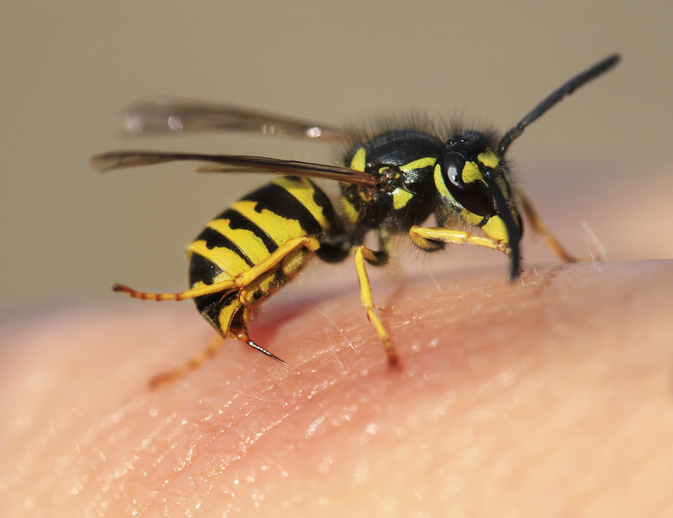
The West Niles Virus is primarily spread through the bite of a mosquito. While the overwhelming majority of those infected with the virus suffer either no or very minor symptoms, people over age 60, or those with a comprised immune system may be at risk of developing serious symptoms. In rare cases (less than 1%), individuals may develop headache, fever, stiff neck, nausea, vomiting, confusion, muscle weakness, or swelling of the brain (encephalitis) or paralysis.  West Nile can even cause permanent neurological damage and death.

The disease was found only in Africa, the Middle East and parts of Asia.  It had never seen in the United States, however, in the summer of 1999, Flushing Hospital doctors noticed a cluster of patients experiencing very mysterious symptoms that could not be explained. The medical staff immediately reached out to their partners at the local health authorities to report their findings. Together, the team identified the virus and alerted the public. The City’s response was immediate as they instituted an aerial assault days before the Labor Day weekend to eradicate the source…the mosquitoes. Thanks to the efforts of Flushing Hospital, many New Yorkers who might have otherwise been exposed while enjoying time outdoors were spared from becoming infected.

As we near the anniversary of this event, Flushing Hospital wants to continue to educate the public on how to stay safe and avoid becoming infected by West Nile or any other mosquito-borne diseases by following these tips to reduce your chances of exposure:

  • Wear protective clothing such as long pants and long sleeved shirts, particularly between dusk and dawn when mosquitoes are most active
  • Avoid shaded, bushy areas where mosquitoes like to rest
  • Remove any places where standing water can collect on your property, such as tires, cans, plastic containers or pots,
  • Make sure your roof gutters drain properly. Clean clogged gutters in the spring and the fall.
  • Clean and chlorinate your swimming pools, outdoor saunas or hot tubs and drain water from pool covers
  • Change the water in your bird baths at least every three to four days.

Flushing Hospital urges everyone to take proper precautions and enjoy the remainder of your summer.

All content of this newsletter is intended for general information purposes only and is not intended or implied to be a substitute for professional medical advice, diagnosis or treatment. Please consult a medical professional before adopting any of the suggestions on this page. You must never disregard professional medical advice or delay seeking medical treatment based upon any content of this newsletter. PROMPTLY CONSULT YOUR PHYSICIAN OR CALL 911 IF YOU BELIEVE YOU HAVE A MEDICAL EMERGENCY.


Do You Suffer From Summer Migraines ?

For many people who are prone to migraine headaches, summer can be the season when they are most affected. This doesn’t mean having to stay indoors to avoid symptoms, but instead learning the causes of migraines and taking precautions they should be taking to prevent them.

Migraine headaches are caused by changes in the brain that are brought on by several factors which include stress, hormonal changes, lack of sleep and food allergies. Factors that occur most commonly in summer include:

  • Changes in the weather
  • Sensitivity to bright light
  • Excessive heat and humidity
  • Changes in barometric pressure
  • Dehydration

In order to help prevent some of the causes of summer migraines, one can follow these helpful tips:

  • Make sure that you are drinking water adequately and frequently
  • Avoid beverages containing caffeine and alcohol
  • Wear a hat to keep the sun’s strong rays from your head and eyes
  • Protect your eyes with a good pair of sunglasses
  • Minimize the amount of time spent outdoors during the hottest part of the day
  • Do your errands during the cooler times of the day, if this is not possible, try to take breaks when you can and move into a cooler place.

People who experience frequent summer migraines don’t have to spend the summer indoors. If they take adequate precautions, they too can enjoy their time outdoors.

Speak to your physician if you experience frequent migraines at any time of the year and would like recommendations on  how to manage them. To make an appointment to see a physician at Flushing Hospital Medical Center, please call 718-670-5486.

All content of this newsletter is intended for general information purposes only and is not intended or implied to be a substitute for professional medical advice, diagnosis or treatment. Please consult a medical professional before adopting any of the suggestions on this page. You must never disregard professional medical advice or delay seeking medical treatment based upon any content of this newsletter. PROMPTLY CONSULT YOUR PHYSICIAN OR CALL 911 IF YOU BELIEVE YOU HAVE A MEDICAL EMERGENCY.
Safety Tips For Hurricane Season

While we typically associate the summer with delightful temperatures, this time of year can also bring dangerous weather conditions, namely hurricanes.

With a long history of providing relief to places previously devastated by hurricanes, including sending personnel to assist the victims of Hurricanes Katrina and Maria, Flushing Hospital Medical Center is experienced and knowledgeable about how to properly prepare for such an event. Our hospital would like to share the following safety tips with our community:

  • In case of a need to evacuate, know where the nearest evacuation route is located
  • Keep a supply of non-perishable food that doesn’t require refrigeration or cooking
  • In an easy to locate area of your home keep flashlights, extra batteries, extra cash, a first aid kit, basic tools, charged cell phones and chargers, and a battery operated radio
  • Make sure you have a seven day supply of prescription medications
  • Have a three day supply of drinking water, one gallon per day per person.
  • Fill a bathtub with water to use to flush toilets
  • Make sure that all of your important documents are kept in a place that is high above ground level. Always keep a copy of these documents with you if there is a need to evacuate
  • Give everyone in your household a list of people they should contact in case of an emergency
  • Have a plan to protect your pets and have extra food for them
  • Prepare to put outdoor furniture away or at least firmly secured

By being prepared and following these tips, you can help keep your home and your loved ones safe from disaster.

For more information, please visit https://www.ready.gov/hurricanes and www.fema.gov

All content of this newsletter is intended for general information purposes only and is not intended or implied to be a substitute for professional medical advice, diagnosis or treatment. Please consult a medical professional before adopting any of the suggestions on this page. You must never disregard professional medical advice or delay seeking medical treatment based upon any content of this newsletter. PROMPTLY CONSULT YOUR PHYSICIAN OR CALL 911 IF YOU BELIEVE YOU HAVE A MEDICAL EMERGENCY.

Swimming Pool Safety Tips

The weather is warming up and people will be looking for ways to keep cool. One way that has always been popular  during the warm summer months is by swimming in a pool, whether it be at someone’s home, or a community pool in the neighborhood.

Every year there are countless accidents and also fatalities at or near swimming pools. Many could have been avoided had precautions been taken.

Safety Tips to follow:

  • Never leave children unattended near a pool
  • Only swim when there is a lifeguard present
  • Every pool should have proper drain covers
  • Pools should have alarms and proper fencing
  • Keep the pool clean
  • There should be no diving allowed in pools that are shallow
  • Never swim alone
  • There should be no horseplay in or near a pool
  • Do not swim under the influence of alcohol or drugs
  • Do not swim in a thunderstorm
  • It is a good idea to give children swimming lessons before the start of the summer
  • Children who don’t know how to swim should be given flotation devices to wear

There are many organizations around the country that offer swimming lessons for children and adults of all ages. If you don’t know how to swim, look into getting some lessons before heading out to the pool. You will have a good time and you will also be a lot safer this summer.

All content of this newsletter is intended for general information purposes only and is not intended or implied to be a substitute for professional medical advice, diagnosis or treatment. Please consult a medical professional before adopting any of the suggestions on this page. You must never disregard professional medical advice or delay seeking medical treatment based upon any content of this newsletter. PROMPTLY CONSULT YOUR PHYSICIAN OR CALL 911 IF YOU BELIEVE YOU HAVE A MEDICAL EMERGENCY.

Tips Helping Kids Enjoy The Summer and Stay Safe During The Pandemic

During these last few months, with schools closed and social distancing rules in place, it has proven to be very challenging to keep children occupied.

Here are some suggestions that you may find helpful for keeping children occupied based on their age.

Younger children:

  • Go on scavenger hunts around your neighborhood
  • Put painters tape on the floor and make a maze for toy trucks to follow
  • Take a whiteboard or pieces of paper and let your child write a story
  • Make hand puppets with socks and tell stories
  • Plant seeds in paper cups and watch them grow
  • Build a fort with a sheet

Older children :

  • Go on virtual tours of interesting places around the world.
  • Bake cookies
  • Use the internet to learn new skills or to learn how to play an instrument
  • Write letters to people in nursing homes
  • Play board games

While trying new and innovative ways to occupy their time can be difficult at times, there are many benefits. These activities can stimulate them mentally and physically and help them to avoid boredom and depression. There are also many resources on the internet that will help you to find activities that suit everyone’s interests.

All content of this newsletter is intended for general information purposes only and is not intended or implied to be a substitute for professional medical advice, diagnosis or treatment. Please consult a medical professional before adopting any of the suggestions on this page. You must never disregard professional medical advice or delay seeking medical treatment based upon any content of this newsletter. PROMPTLY CONSULT YOUR PHYSICIAN OR CALL 911 IF YOU BELIEVE YOU HAVE A MEDICAL EMERGENCY.

July is UV Safety Month

Summertime is here and many of us will be spending much of our free time outdoors enjoying the beautiful weather. July was designated by the U.S. Department of Health and Human Services as UV Safety Awareness Month to bring attention to the harmful effects the sun can have on our bodies when it’s not properly protected.

The sun gives off two types of radiation:

  • UV-A which has a longer wavelength and can damage the outer and middle layer of skin
  • UV-B which has a shorter wavelength and primarily damages the outer layer of skin.

Too much exposure to the sun’s radiation can lead to serious health complications, such as:

  • Vision problems
  • Immune system suppression
  • Premature aging of the skin
  • Skin cancer

If you are spending time in the sun, following these guidelines can help to prevent any unwanted complications:

  • Always cover up your body as best as possible when prolonged exposure to the sun is anticipated. Loose and cool clothing is recommended.
  • Apply sunscreen with SPF if you are going to be outdoors. Wearing sunscreen is vital when exposed to the sun, as this helps to protect your skin from harmful UV rays. Make sure to use a sunscreen with a broad spectrum (UVA and UVB) and re-apply throughout the day.
  • When possible, try to avoid being out in direct sunlight, especially when the sun is at its most intense which is usually between 10 AM and 4 PM.
  • Wear sunglasses to help protect the eyes from the sun’s rays.

Practicing these safety precautions will allow you to enjoy the beautiful summer weather while protecting yourself from the sun’s harmful rays.

All content of this newsletter is intended for general information purposes only and is not intended or implied to be a substitute for professional medical advice, diagnosis or treatment. Please consult a medical professional before adopting any of the suggestions on this page. You must never disregard professional medical advice or delay seeking medical treatment based upon any content of this newsletter. PROMPTLY CONSULT YOUR PHYSICIAN OR CALL 911 IF YOU BELIEVE YOU HAVE A MEDICAL EMERGENCY.

July is UV Safety Month


Summertime is here and many of us will be spending much of our free time outdoors enjoying the beautiful weather. July was designated by the U.S. Department of Health and Human Services as UV Safety Awareness Month to bring attention to the harmful effects the sun can have on our bodies when it’s not properly protected.

The sun gives off two types of radiation:

  • UV-A which has a longer wavelength and can damage the outer and middle layer of skin
  • UV-B which has a shorter wavelength and primarily damages the outer layer of skin.

Too much exposure to the sun’s radiation can lead to serious health complications, such as:

  • Vision problems
  • Immune system suppression
  • Premature aging of the skin
  • Skin cancer

If you are spending time in the sun, following these guidelines can help to prevent any unwanted complications:

  • Always cover up your body as best as possible when prolonged exposure to the sun is anticipated. Loose and cool clothing is recommended.
  • Apply sunscreen with SPF if you are going to be outdoors. Wearing sunscreen is vital when exposed to the sun, as this helps to protect your skin from harmful UV rays. Make sure to use a sunscreen with a broad spectrum (UVA and UVB) and re-apply throughout the day.
  • When possible, try to avoid being out in direct sunlight, especially when the sun is at its most intense which is usually between 10 AM and 4 PM.
  • Wear sunglasses to help protect the eyes from the sun’s rays.

Practicing these safety precautions will allow you to enjoy the beautiful summer weather while protecting yourself from the sun’s harmful rays.

All content of this newsletter is intended for general information purposes only and is not intended or implied to be a substitute for professional medical advice, diagnosis or treatment. Please consult a medical professional before adopting any of the suggestions on this page. You must never disregard professional medical advice or delay seeking medical treatment based upon any content of this newsletter. PROMPTLY CONSULT YOUR PHYSICIAN OR CALL 911 IF YOU BELIEVE YOU HAVE A MEDICAL EMERGENCY.

The Importance of Getting a Bone Density Screening

A bone density test is a type of x-ray that measures the concentration of calcium and other minerals in the bones. This test is most commonly performed to evaluate a patient for osteoporosis.

Osteoporosis is a disease that causes bones to lose density and become easy to break or fracture.

Some people are more at risk for developing osteoporosis than others. Risk factors include:

  • Age – Older people tend to have a greater incidence of osteoporosis
  • Race – Caucasians and Asians are typically more prone to bone density issues
  • Gender – Women experience bone loss more frequently than men
  • Dietary factors – People who have a low intake of calcium are at greater risk
  • Medications – People with a long term use of injectable steroids have bone loss issues
  • Smoking – People who smoke tend to lose bone mass at a faster rate than non-smokers
  • Family history – There is a correlation of osteoporosis and hereditary factors

Symptoms of the disease are:

  • Loss of height over a period of time
  • Back pain
  • Bones that break more easily than expected
  • A stooped posture

For those who are presenting symptoms or have a higher chance of developing osteoporosis, a doctor may recommend testing to assess the density of their bones.

Bone density screenings are non-invasive, painless, and use low amounts of x-rays. The results of the test will indicate whether or not you need to take medication that will help to maintain your bone density or make changes in your lifestyle and diet to prevent bone loss.

If you would like to schedule a bone density screening at Flushing Hospital Medical Center, ask your physician for a referral to have it performed. You can schedule an appointment with a physician at Flushing Hospital by calling 718-670-5486.

All content of this newsletter is intended for general information purposes only and is not intended or implied to be a substitute for professional medical advice, diagnosis or treatment. Please consult a medical professional before adopting any of the suggestions on this page. You must never disregard professional medical advice or delay seeking medical treatment based upon any content of this newsletter. PROMPTLY CONSULT YOUR PHYSICIAN OR CALL 911 IF YOU BELIEVE YOU HAVE A MEDICAL EMERGENCY.

June is Men’s Health Month

The month of June has been recognized as Men’s Health Month. The reason for this designation is to bring awareness of preventable health issues and to encourage early detection and treatment of diseases prevalent in men.

The leading causes of death among men are:
• Heart Disease
• Cancer
• Diabetes
• Lung Disease
• Injuries
• Stroke
• HIV/AIDS

Some of the reasons that men tend to have more serious chronic illnesses are because more men than women don’t have health insurance, men tend to have more physically demanding jobs with greater safety risks. Additionally, more men smoke than women and they also tend to take greater risks with unsafe behavior.

Women tend to live five years longer than men and one of the reasons for this is that women usually take better care of their health. Men are often guilty of waiting until a disease has progressed to a more serious level before they seek help. There is an old adage that if a man is in a doctor’s waiting room, most likely a woman brought him there for an exam.

During the month of June, organizations across the country hold health awareness campaigns to educate men about various health issues that they may be at risk for and to encourage them to see a doctor regularly.

Flushing Hospital Medical Center has reopened many of its healthcare services. To learn about the safety measures the hospital has taken to protect your health, please visit https://flushinghospital.org/for-our-patients/

If you would like to schedule an appointment please call 718-670-5486.

All content of this newsletter is intended for general information purposes only and is not intended or implied to be a substitute for professional medical advice, diagnosis or treatment. Please consult a medical professional before adopting any of the suggestions on this page. You must never disregard professional medical advice or delay seeking medical treatment based upon any content of this newsletter. PROMPTLY CONSULT YOUR PHYSICIAN OR CALL 911 IF YOU BELIEVE YOU HAVE A MEDICAL EMERGENCY.

March is National Colorectal Cancer Awareness Month

March is Colorectal Cancer Awareness Month
In February 2000, President Clinton dedicated March as National Colorectal Cancer Awareness Month. Colorectal cancer is one of the leading causes of death in the United States today. It is estimated that 140,000 people are diagnosed with this type of cancer each year and about 50,000 die from the disease.
The good news is that the disease is highly preventable by getting a regular screening. The reason that the screenings are so important is because if precancerous polyps are found early, they can be removed and treatment can be started early.
Risk factors for colorectal cancer include:
• Family history
• Precancerous polyps
• Smoking
• People over the age of 50
People who have diets high in red meat and processed meat.
It is important to be checked regularly as people get older. For many people who don’t have a family history of colorectal cancer or experience symptoms of the disease, screenings can be started at age 50. If however there is a family history or symptoms exist, screenings should start by age 40 without symptoms or earlier if there are.
Screening for colorectal cancer can be done in several ways.  Some of the more common methods include:
• Checking the stool for occult blood by either a high sensitivity guaiac fecal occult blood test or fecal immunochemical test
• CT colonoscopy
• Colonoscopy
• Sigmoidoscopy
If there is blood present  in the stool, or you are experiencing unexplained abdominal pain or weight loss you should consult with your physician immediately. If you would like to schedule an appointment with a physician at Flushing Hospital, please call 718-670-5486.

All content of this newsletter is intended for general information purposes only and is not intended or implied to be a substitute for professional medical advice, diagnosis or treatment. Please consult a medical professional before adopting any of the suggestions on this page. You must never disregard professional medical advice or delay seeking medical treatment based upon any content of this newsletter. PROMPTLY CONSULT YOUR PHYSICIAN OR CALL 911 IF YOU BELIEVE YOU HAVE A MEDICAL EMERGENCY.