
How to Recognize Back-to-School Anxiety ?

Summer vacation is over and it is time for millions of children to head back to school. For many  the transition is easy, but for some, starting school after a long break can be filled with anxiety.

Usually, children who have school anxiety show a range of stress-related symptoms such as complaints of aches and pains, no appetite, or lack of sleep. In these instances, children are not being oppositional; they are simply displaying their anxieties through these physical symptoms.

Parents can also experience back-to-school anxiety when their children go back to school. The important thing to remember is that children often sense when a parent is nervous. Try to remain calm, and do not pass along your anxiety to your child. When your child expresses to you that they are feeling nervous, listen to them and offer suggestions that will keep both of you calm.

Here are some additional tips to help ease back-to-school anxiety:

  • A week or two before school starts, children should get back into the habit of eating meals and going to sleep at an appropriate time.
  • Try to take a tour of the school if it will be the first time the child will be attending.
  • If the child is very young, it might be a good idea to introduce them to the teacher and their new classroom ahead of the first day.
  • Start shopping for back to school clothes and supplies early to avoid the rush when school starts.
  • Prepare for the first day of school by selecting clothes the day before.
  • Leave home a little earlier for the first few days to avoid rushing.

Of course, it is always important to maintain open communication with your children. Always check with your pediatrician to rule out any physical issues If you would like to speak to a pediatrician at Flushing Hospital Medical Center to help your child with their anxiety, please call 718-670-5486 to schedule an appointment.

All content of this newsletter is intended for general information purposes only and is not intended or implied to be a substitute for professional medical advice, diagnosis or treatment. Please consult a medical professional before adopting any of the suggestions on this page. You must never disregard professional medical advice or delay seeking medical treatment based upon any content of this newsletter. PROMPTLY CONSULT YOUR PHYSICIAN OR CALL 911 IF YOU BELIEVE YOU HAVE A MEDICAL EMERGENCY.


Healthy Labor Day Cookout Tips

One of the best things about the Labor Day Weekend is spending time with family and friends at cookouts and barbeques. While we look forward to these outings, the foods found can cause us to pack on the pounds. Whether attending or hosting your a Labor Day gathering, try some of these calorie conscious techniques:

• Skip the chips and dip. Instead, try healthier alternatives, like fresh vegetables. If you want to make a dip, use non-fat yogurt instead of sour cream or mayonnaise.

• Try kabobs. They offer the same opportunity to enjoy grilled chicken, beef, or pork, but minus the bread. Plus, the grilled vegetables on them will help you fill up.

• If you insist on having a burger or hot dog, choose healthier options, such as chicken or turkey instead of beef. Also, avoid whit flout buns and breads and opt for whole grains instead.

• Instead of heavy macaroni or potato salads loaded with mayonnaise, look for salads with a vinaigrette base as a lighter alternative.

• Don’t limit yourself to just grilling meat. There are many types of fish that are not only healthier, but also taste great on the grill. Vegetables, lightly coated in olive oil are also tasty and filling.

• For dessert, serve some refreshing summer fruit, such as cherries, peaches, plums or melons.
By following these tips, you can still enjoy your end of summer, but not pay for it in the fall.

All content of this newsletter is intended for general information purposes only and is not intended or implied to be a substitute for professional medical advice, diagnosis or treatment. Please consult a medical professional before adopting any of the suggestions on this page. You must never disregard professional medical advice or delay seeking medical treatment based upon any content of this newsletter. PROMPTLY CONSULT YOUR PHYSICIAN OR CALL 911 IF YOU BELIEVE YOU HAVE A MEDICAL EMERGENCY.
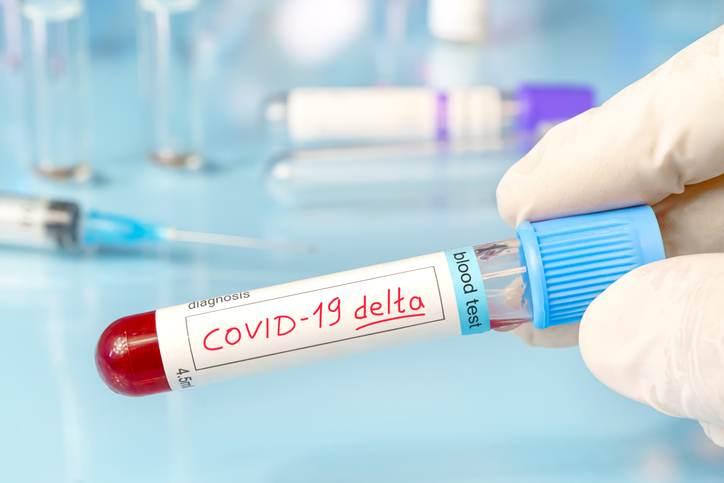
COVID-19: Myth: Natural Immunity Protects Against the Delta Variant

The Delta variant is spreading much more rapidly than previous strains of the COVID-19 virus. Current COVID vaccines are shown to be efficient in slowing the spread of this variation and lessening its effects on those who are infected. Vaccines work by producing antibodies that will fight infection.

Scientists at the Centers for Disease Control and Prevention have proven that COVID vaccines will create a better immune response to the Delta variant than the natural immune response people would have if they previously had the virus.

Unvaccinated people are dependent on their natural immunity, and since they don’t have sufficient antibodies specific to this virus, will often have a more severe reaction than those people who have been vaccinated.

All content of this newsletter is intended for general information purposes only and is not intended or implied to be a substitute for professional medical advice, diagnosis or treatment. Please consult a medical professional before adopting any of the suggestions on this page. You must never disregard professional medical advice or delay seeking medical treatment based upon any content of this newsletter. PROMPTLY CONSULT YOUR PHYSICIAN OR CALL 911 IF YOU BELIEVE YOU HAVE A MEDICAL EMERGENCY.

Gout

Gout is a common form of arthritis that is characterized by attacks of pain, swelling, stiffness, redness or tenderness in the joints. These attacks or flares typically affect one joint at a time. They can occur suddenly and return over time.

Gout is caused by an accumulation of urate crystals in the joint.  Urate crystals form when there are high levels of uric acid in your blood. Uric acid is produced when your body breaks down purines; substances that are found naturally in our bodies and in foods such as steak, seafood and organ meats.  Alcoholic beverages and drinks sweetened with fructose (fruit sugar) are known to promote higher levels of uric acid in the body.

Some people are more likely to develop gout than others. Factors that increase your risk include:

  • Being obese; If you are overweight your body produces more uric acid and your kidneys may not be able to properly eliminate excessive amounts
  • Having a diet that is rich in purines, this includes seafood, red meat, organ meat, or beverages sweetened with fructose
  • Consuming excessive amounts of alcohol
  • Having certain health conditions such as  hypertension, diabetes,  heart and kidney disease
  • Using certain medications such as diuretics or low-dose aspirin

Men are more at risk of developing gout than women; this is because women tend to produce lower levels of uric acid. Men are also more likely to develop gout at an earlier age than women.   In men, symptoms may occur as early as the age of 30, and in women after menopause.

There are a few things you can do to reduce your risk for gout or prevent future attacks, they include:

  • Drinking plenty of water
  • Limiting your intake of seafood and meat
  • Limiting or avoiding alcohol
  • Maintaining a healthy weight

If you are experiencing symptoms of gout, or believe that you may be at risk, make an appointment to see a physician. Your doctor may order a series of test or assess your current state of health to receive a diagnosis or to determine if you are at risk. If you would like to schedule an appointment with a doctor at Flushing Hospital Medical Center, you may call 718-670-5486.

All content of this newsletter is intended for general information purposes only and is not intended or implied to be a substitute for professional medical advice, diagnosis or treatment. Please consult a medical professional before adopting any of the suggestions on this page. You must never disregard professional medical advice or delay seeking medical treatment based upon any content of this newsletter. PROMPTLY CONSULT YOUR PHYSICIAN OR CALL 911 IF YOU BELIEVE YOU HAVE A MEDICAL EMERGENCY.

Tips to Heal a Sunburn

It is summertime and many of us will be spending time outdoors. For those who don’t take precautions to protect their skin from the strong rays of the sun, the results can be unpleasant. Too much exposure to the sun’s ultraviolet rays may lead to sunburn.

Sunburn can cause irritation and pain to the affected areas. It is important to treat sunburns as soon as possible to help your skin heal and avoid further complications.

Here are a few tips on how to help heal sunburn:

  • Take a cold bath or shower
  • Drink plenty of water
  • Use gel or cream containing ingredients such as aloe vera or calamine lotion on the affected area
  • Take a pain reliever if necessary ( aspirin, ibuprofen, naproxen )
  • Avoid further exposure to the sun
  • Never use creams that contain alcohol

If the sunburn is severe, especially in very young children, it may require medical attention. The signs of a severe sunburn are lethargy, high fever ( 101 degrees or higher ) and large blisters.  If you would like to schedule an appointment with a physician at Flushing Hospital Medical Center, please call 718-670-5486.

All content of this newsletter is intended for general information purposes only and is not intended or implied to be a substitute for professional medical advice, diagnosis or treatment. Please consult a medical professional before adopting any of the suggestions on this page. You must never disregard professional medical advice or delay seeking medical treatment based upon any content of this newsletter. PROMPTLY CONSULT YOUR PHYSICIAN OR CALL 911 IF YOU BELIEVE YOU HAVE A MEDICAL EMERGENCY.
Is Your Asthma Due to Excessive Physical Activity ?

Do your asthma attacks coincide with participation in physical activity such as exercise? As in all types of asthma, as the airways tighten, it becomes  difficult to take a complete breath, and the airways produce extra mucous.

The symptoms of exertional asthma include:

  • Wheezing
  • Tightness of the chest
  • Coughing
  • Feeling tired
  •  Inability to catch your breath

Some activities that can lead to heavier than normal breathing such as recreational sports including:  running, basketball, football, soccer, and aerobic exercise. These can lead to exertional asthma.  Additionally, when the air is cold and dry, activities such as shoveling snow or walking for long periods of time can also trigger an asthma attack.

Other contributing factors of exertional asthma can include:

  • Smoke or smog
  • High pollen counts
  •     Having a cold or other respiratory infection
  •     Chlorinated pools or other chemical irritants

Treatment of exertional asthma includes taking medications both on a regular basis and  prior to doing strenuous exercise to limit symptoms and control breathing. Some activities and sports should be avoided if they bring on asthma attacks.

If you are experience difficulty breathing while participating in strenuous activities, you should consult with a pulmonary specialist for a complete respiratory evaluation. Please call 718-670-5486 to schedule an appointment with a pulmonologist at Flushing Hospital Medical Center.

All content of this newsletter is intended for general information purposes only and is not intended or implied to be a substitute for professional medical advice, diagnosis or treatment. Please consult a medical professional before adopting any of the suggestions on this page. You must never disregard professional medical advice or delay seeking medical treatment based upon any content of this newsletter. PROMPTLY CONSULT YOUR PHYSICIAN OR CALL 911 IF YOU BELIEVE YOU HAVE A MEDICAL EMERGENCY.
The Health Benefits of Peaches

Peaches are a fruit that are believed to have originated in China over 8000 years ago. They are in the same family as almonds, cherries, apricots and plums. Peaches are known for having flesh that surrounds a shell containing an edible seed. White peaches tend to be sweeter and yellow peaches are tart. One of the nice things about peaches is that they can be eaten raw, baked, broiled or grilled.

Here are some of the health benefits of peaches:

  • Excellent source of vitamins and minerals which helps to improve immunity
  • High levels of antioxidants can help in protecting skin
  • They are high in fiber which helps digestion
  • They contain very few calories, approximately 60 in a medium sized peach.
  • They are low in fats, cholesterol and sodium
  • They contain beta carotene which is beneficial to eye health
  • May help to reduce histamine levels which can lessen allergy symptoms

Peaches can be found year round in the fruit section of most supermarkets but summertime is when they are most commonly seen. If you are looking for a fruit that is both refreshing and nutritious, peaches are definitely a good choice.

All content of this newsletter is intended for general information purposes only and is not intended or implied to be a substitute for professional medical advice, diagnosis or treatment. Please consult a medical professional before adopting any of the suggestions on this page. You must never disregard professional medical advice or delay seeking medical treatment based upon any content of this newsletter. PROMPTLY CONSULT YOUR PHYSICIAN OR CALL 911 IF YOU BELIEVE YOU HAVE A MEDICAL EMERGENCY.

Summer Asthma

Many people with asthma find that their symptoms worsen during the hot humid days of summer.  This is fairly common and there are several reasons why this may occur:

  • The poor air quality during the warm and hot weather is due to a rise in air pollutants which can make breathing more difficult.
  • The high humidity which is often found during the warmer months can make it difficult to inhale air.
  • Warm weather typically leads to an increase in allergens such as pollen, mold and dust mites.
  • These can cause a release of histamines in the body which constrict the air passages.
  • Heat puts stress on the lungs’ ability to inhale and exhale because the breathing passages narrow.

Here are some tips to keep asthma under control during the summer months:

  • Try not to go outside during the hottest times of the day
  • Stay in air-conditioned spaces as much as possible
  • Keep allergies well controlled
  • Avoid heavily chlorinated swimming pools
  • Keep asthma medication handy

There are a few treatment options available for people who have been diagnosed with asthma. These include inhaler corticosteroids which reduce the inflammation in the airways. Some inhalers also contain corticosteroids and beta blockers which help to keep the airways open. Always discuss with your physician which option is going to be best for you. If you would like to schedule an appointment with a physician at Flushing Hospital Medical Center, please call 718-670-5486

All content of this newsletter is intended for general information purposes only and is not intended or implied to be a substitute for professional medical advice, diagnosis or treatment. Please consult a medical professional before adopting any of the suggestions on this page. You must never disregard professional medical advice or delay seeking medical treatment based upon any content of this newsletter. PROMPTLY CONSULT YOUR PHYSICIAN OR CALL 911 IF YOU BELIEVE YOU HAVE A MEDICAL EMERGENCY.

Covid-19 Vaccine Myth or Fact

There is a myth that COVID-19 vaccines contain metallic ingredients that cause a person to become “magnetic”. On the Centers for Disease Control and Prevention website it clearly states that “ All COVID-19 vaccines are free from metals such as iron, nickel, cobalt, lithium, and rare earth alloys, as well as manufactured products such as microelectronics, electrodes, carbon, carbon nanotubes, and nanowire semiconductors.” The main ingredient in two of the  most commonly administered vaccines ( Pfizer and Moderna ) in the United States is messenger RNA ( mRNA ). This is a genetic molecule and non magnetic. The third most commonly administered vaccine ( Johnson and Johnson) also does not contain any ingredient that is metallic.

All content of this newsletter is intended for general information purposes only and is not intended or implied to be a substitute for professional medical advice, diagnosis or treatment. Please consult a medical professional before adopting any of the suggestions on this page. You must never disregard professional medical advice or delay seeking medical treatment based upon any content of this newsletter. PROMPTLY CONSULT YOUR PHYSICIAN OR CALL 911 IF YOU BELIEVE YOU HAVE A MEDICAL EMERGENCY.

How to Recognize When A Child Has An Overactive Bladder

Overactive Bladder (OAB) is a commonly seen condition in children. It is characterized by a sudden and uncontrollable urge to urinate. OAB and bed-wetting are often thought to be the same.  However, OAB is different from bed wetting which is caused by a child being unable to control their bladder at night.


Typically, an overactive bladder in children is caused by a problem and (or) delay in the maturation of the nervous system. Other causes may include:

  • Having frequent urinary tract infections
  • Stress
  • Having a new child in the house
  • Drinking too much water or soda
  • Forgetting to use the bathroom when needed
  • Incomplete or early toilet training (training before a child is ready)

OAB can be embarrassing to the child and the caregiver when it leads to “accidents”, it can also affect a child’s emotional and social development.


Potential medical complications caused by an overactive bladder are:

  • Kidney damage
  • Urinary tract infections
  • Difficulty emptying the bladder completely

Depending on the cause of overactive bladder in children, there are different ways to treat it. Placing a child on a schedule to use the bathroom is a helpful way to teach them control. Another technique is called double-voiding where right after urinating the first time, the child goes back to the bathroom to try and urinate again. This method helps to fully empty the bladder. In some cases, a child may benefit from biofeedback training with the help of a skilled professional. A doctor may also prescribe a bladder-relaxing medication.


If you would like to schedule an appointment with a pediatrician at Flushing Hospital Medical Center, please call 718-670-5486.

All content of this newsletter is intended for general information purposes only and is not intended or implied to be a substitute for professional medical advice, diagnosis or treatment. Please consult a medical professional before adopting any of the suggestions on this page. You must never disregard professional medical advice or delay seeking medical treatment based upon any content of this newsletter. PROMPTLY CONSULT YOUR PHYSICIAN OR CALL 911 IF YOU BELIEVE YOU HAVE A MEDICAL EMERGENCY.