Make Your Smile a Priority in 2022

We have all made New Year’s resolutions at some point in our lives. Many of these annual vows revolve around improving our health.  Typical resolutions may include losing weight, quitting smoking, or beginning an exercise routine, but what about our oral health? The New Year is also a good time to commit ourselves to better dental care.

Make 2022 the year you look to improve your smile. Some ways to help you meet this goal include:

  • Practice Good Oral Hygiene– Daily brushing and flossing is a simple way to improve your oral health. For successful bacterial plaque removal, it is important to brush at least twice a day and floss at least once per day to remove bacterial plaque and food that has accumulated throughout the day. Daily brushing and flossing help to prevent gingivitis (gum disease), tooth decay and halitosis (bad breath). The daily use of antimicrobial and fluoride mouth rinses also helps to improve your oral health.
  • Watch What You Eat and Drink– An important part of achieving your dental health resolutions is making healthier food and beverage choices, especially for snacks. Frequent consumption of food and beverages containing carbohydrates and acids contributes to tooth decay.
  • Quit Smoking– Quitting cigarette smoking and smokeless tobacco use is important for improving your oral and overall health. There is no better time than the present to make a resolution to stop tobacco use. Consider free online tools, smoking cessation groups, progress-tracking apps and support from friends and family to assist you with tobacco cessation.
  • Use Whitening Products– There are several over-the-counter smile-improving products that you
    can use to whiten your teeth when you brush and floss. In recent years, tooth whitening has acquired enormous popularity because they can enhance the appearance of teeth by removing deep (intrinsic) or surface (extrinsic) stains.
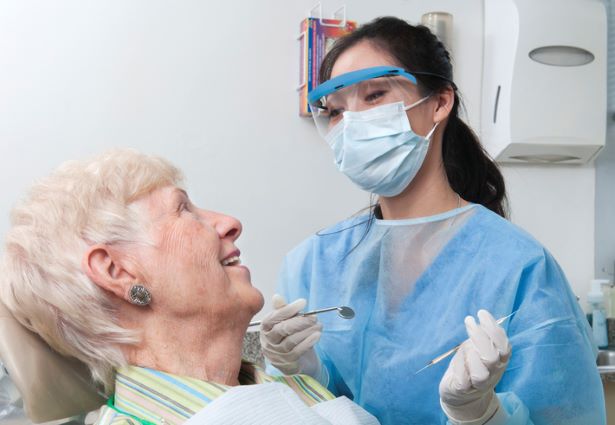
  • Receive Regular Check-Ups– A resolution to make routine visits to the dentist may help prevent oral disease or reveal an existing disease in its early stage. Dental visits should take place every six months to allow your dentist and dental hygienists to monitor the condition of your oral cavity and develop an appropriate treatment plan to meet your wants and needs.

Some however might need to make more than a few lifestyle changes to address their dental needs. For those, a dentist or orthodontist can help. Make this the year you stop putting off having dental work done. An orthodontist can correct an overbite or straighten crooked teeth and a dentist can address your need for crowns, implants or fillings to preserve your tooth structure.

To make an appointment at Flushing Hospital Medical Center’s Dental Center, please call 718-670-5521.

All content of this newsletter is intended for general information purposes only and is not intended or implied to be a substitute for professional medical advice, diagnosis or treatment. Please consult a medical professional before adopting any of the suggestions on this page. You must never disregard professional medical advice or delay seeking medical treatment based upon any content of this newsletter. PROMPTLY CONSULT YOUR PHYSICIAN OR CALL 911 IF YOU BELIEVE YOU HAVE A MEDICAL EMERGENCY.

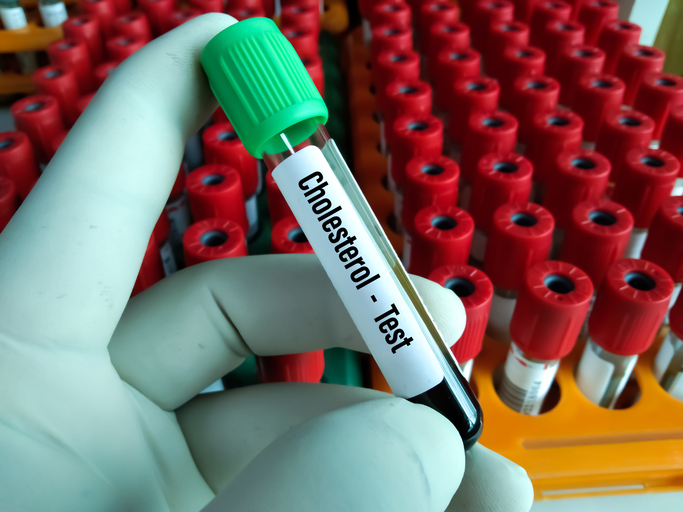
Understanding the Facts and the Myths About Cholesterol

Understanding how cholesterol helps or harms our health can be confusing due to several myths that exist.  It is important that we debunk misinformation so that we can learn how to properly take care of our bodies.

One of the most common myths about cholesterol is that it is all bad. This is not true.

High-density lipoprotein (HDL), “good cholesterol,” transports cholesterol to the liver where it is flushed from the body. Cholesterol is also important for the production of steroid hormones, vitamin D, and bile acid.   Cholesterol poses a problem for our health when high quantities of low-density lipoprotein (LDL), “bad cholesterol,” are found in our blood. This can lead to cardiovascular disease or stroke.

Here are a few other myths to explore:

  • People who have a healthy weight can’t have a high level of cholesterol – not true
    • Cholesterol levels have nothing to do with bodyweight. People of any weight can have high cholesterol levels
  • Eating food that has a lot of cholesterol in it will not raise my cholesterol levels – not true
    • Foods that are high in cholesterol tend to have a lot of saturated fat, which can cause cholesterol numbers to increase.
  • Only men have to worry about high cholesterol levels – not true
    • Both sexes are vulnerable to have high cholesterol levels. Women as they age lose estrogen and this can raise their risk level.
  • Taking cholesterol medications makes it okay to eat anything I want – not true
    • Medications used to lower the level of bad cholesterol in the body can only do so much. Diet and exercise are also very important to control cholesterol levels.
  • Only people over 40 years of age are affected by high cholesterol – not true.
    • High cholesterol can affect people of any age. The American Heart Association recommends having cholesterol levels checked once between the ages of 9 – 11 and again between 17 – 21. After that, young adults should be checked every four to six years.
  • Having high cholesterol is based only on your diet – not true
    • Several factors can contribute to high cholesterol levels. These include family history, level of physical activity, and also age are factors to consider.

Speak with your physician about your risk factors for developing high cholesterol and ask about having a blood test performed. If you would like to schedule an appointment with a physician at Flushing Hospital Medical Center, please call 718-670-5486.

All content of this newsletter is intended for general information purposes only and is not intended or implied to be a substitute for professional medical advice, diagnosis or treatment. Please consult a medical professional before adopting any of the suggestions on this page. You must never disregard professional medical advice or delay seeking medical treatment based upon any content of this newsletter. PROMPTLY CONSULT YOUR PHYSICIAN OR CALL 911 IF YOU BELIEVE YOU HAVE A MEDICAL EMERGENCY.
Winter Skin

Winter can be a particularly harsh season for our skin. Not only is the cold temperature to blame but also the dry air.  A major reason skin becomes dry is because of the low humidity in the environment. Another reason is because we spend more time indoors where heating systems tend to warm the air and deplete the water content in the environment.

The outer layer of the skin is called the stratum corneum. It is composed of dead skin cells and natural oils that act as a protective layer, preventing water from evaporating from the surface. When the outer layer becomes compromised, water begins to evaporate, outer skin cells become flaky and will cause cracks and fissures.

Dry skin most commonly appears as rough and flaky patches on the arms and legs which are typically the areas exposed to the air. In more severe cases, the skin will develop creases and cracks..

Steps we can take to prevent dry skin:

  • Bathe in warm water, never hot
  • Use mild soaps that contain moisturizing creams
  • Pat the skin dry with soft towels
  • Use a moisturizer several times a day on exposed areas of the body
  • Drink a lot of water
  • Apply sunscreen to prevent drying out from the sun’s rays
  • Wear gloves
  • Avoid wearing wet articles of clothes outdoors
  • Use a humidifier in the home

If you would like to schedule an appointment with a dermatologist at Flushing Hospital Medical Center to discuss dry skin and how best to treat it, please call 718-670-5486.

All content of this newsletter is intended for general information purposes only and is not intended or implied to be a substitute for professional medical advice, diagnosis or treatment. Please consult a medical professional before adopting any of the suggestions on this page. You must never disregard professional medical advice or delay seeking medical treatment based upon any content of this newsletter. PROMPTLY CONSULT YOUR PHYSICIAN OR CALL 911 IF YOU BELIEVE YOU HAVE A MEDICAL EMERGENCY.
Osteoarthritis

Osteoarthritis is the most common form of arthritis, currently affecting  over 32 million Americans. This form of arthritis is known as the “wear and tear” disease because while it can affect almost any joint, it most commonly affects the joints in the knees, hips, hands, and spine that are subject to the most amount of movement. Women tend to be affected by osteoarthritis more often than men.

Osteoarthritis occurs when the cartilage, which is the slippery tissue which cushions your bones when they rub against one another deteriorates over time due to weight, stress, injuries or genetic factors. When this happens, people with osteoarthritis will experience a variety of issues including::

  • Joint pain
  • Joint Deformity
  • Decrease in joint mobility
  • Swelling of a joint
  • Joint crackling

Diagnosing osteoarthritis can be performed by taking an x-ray, a magnetic resonance image (MRI), and physical manipulation of the joint. Examining the joint fluid can help differentiate osteoarthritis from other types of arthritis.

Osteoarthritis may not be able to be completely avoided but there are ways to slow down its progress and to treat it. Measures to minimize osteoarthritis include:

  • Keeping active
  • Maintaining a proper weight
  • Participating in physical therapy
  • Taking medications to reduce symptoms such as acetaminophen and non-steroidal anti-inflammatory drugs (NSAIDS)
  • Applying transcutaneous electrical nerve stimulation (TENS)
  • Receiving cortisone injections into the joint
  • Receiving injections of hyaluronic acid
  • Having Joint replacement procedures

If you are experiencing symptoms of osteoarthritis, speak with your physician to discuss what treatment option is best for you. If  you would like to schedule an appointment with a physician at Flushing Hospital Medical Center, please call 718-670-5486.

All content of this newsletter is intended for general information purposes only and is not intended or implied to be a substitute for professional medical advice, diagnosis or treatment. Please consult a medical professional before adopting any of the suggestions on this page. You must never disregard professional medical advice or delay seeking medical treatment based upon any content of this newsletter. PROMPTLY CONSULT YOUR PHYSICIAN OR CALL 911 IF YOU BELIEVE YOU HAVE A MEDICAL EMERGENCY.

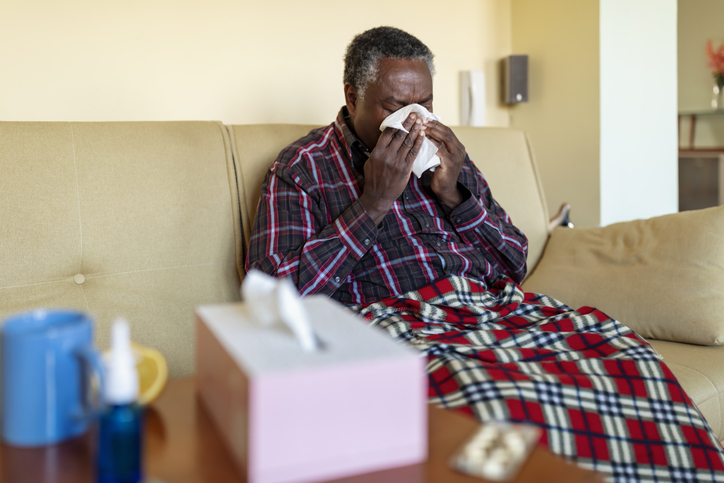
Home Remedies for a Cold and the Flu

.

There is no known cure for the common cold or the flu, both of which are caused by viruses. Anyone who has ever experienced having a cold or the flu has at some time or another tried a home remedy to help alleviate the symptoms. While some home remedies are natural, they may cause adverse reactions if you are taking certain medications or have allergies. Therefore, you should consult with a physician before taking anything.

Age-old home remedies have been passed on for generations. Even in a modern, technologically advanced and scientific world, these timeless, home-made remedies have remained and become common practice to this day.

Some commonly used home remedies that people have found helpful are:

  • Eating chicken soup
  • Drinking herbal tea
  • Sipping boiled ginger root
  • Drinking tea with honey
  • Adding garlic to food
  • Eating fruits and vegetables that contain vitamin C
  • Using a humidifier
  • Applying a warm compress on the nose and forehead
  • Gargling with salt water
  • Using a neti  pot
  • Practicing nasal irrigation with warm saline

Under most circumstances, the symptoms of a cold or the flu will subside on their own after a few days. If you have concerns, see your physician right away. You may schedule an appointment with a physician at Flushing Hospital Medical Center by calling 718-670-5486.

All content of this newsletter is intended for general information purposes only and is not intended or implied to be a substitute for professional medical advice, diagnosis or treatment. Please consult a medical professional before adopting any of the suggestions on this page. You must never disregard professional medical advice or delay seeking medical treatment based upon any content of this newsletter. PROMPTLY CONSULT YOUR PHYSICIAN OR CALL 911 IF YOU BELIEVE YOU HAVE A MEDICAL EMERGENCY.

November is Lung Cancer Awareness Month

November is recognized as Lung Cancer Awareness Month. The importance of this designation is to bring awareness to the fact that lung cancer is responsible for approximately 25 percent of all cancer deaths. Lung cancer takes more lives each year than colon, breast, and prostate cancers combined.

Lung cancer is a form of cancer that starts in the lungs. There are several types of lung cancer based on their appearance under the microscope. These include small cell cancer and non-small cell cancer, which  is a group of cancers that includes squamous cell carcinoma, adenocarcinoma, and large cell carcinoma.

In the early stages of lung cancer there may not be any signs or symptoms. However, as the disease progresses the following signs and symptoms my present:

• Coughing up blood
• Shortness of breath
• Chest pain
• Wheezing
• Hoarseness
• Weight loss that isn’t intentional

A history of smoking definitely contributes to a higher risk of being diagnosed with the disease, though non-smokers also can develop lung cancer. It is now recommended that certain patients who are over 55 years of age and have smoked for many years consider screening for lung cancer by doing a  low dose CT scan of the lungs. This may detect cancers at an early stage where they may be more curable. It is important to have a conversation with your physician prior to performing a screening CT scan so that the patient understands the pros and cons of screening.

Testing that can help diagnose cancer includes chest  x-rays, CT scans,  PET scans, examination of the sputum, bronchoscopy ( a test in which a fiber optic  scope is passed into the lungs), and lung biopsies (which can be done by a needle although sometimes a surgical procedure is required). Not all tests will be required for every patient.

Once the diagnosis is established it is important to determine what stage the cancer is. Factors that go into staging cancer include the size of the tumor, location and whether it has spread to the lymph nodes in the chest or to other parts of the body such as the brain, liver, bone or adrenal glands.

To schedule an appointment with a pulmonologist at Flushing Hospital Medical Center, please call 718-670-5486.

All content of this newsletter is intended for general information purposes only and is not intended or implied to be a substitute for professional medical advice, diagnosis or treatment. Please consult a medical professional before adopting any of the suggestions on this page. You must never disregard professional medical advice or delay seeking medical treatment based upon any content of this newsletter. PROMPTLY CONSULT YOUR PHYSICIAN OR CALL 911 IF YOU BELIEVE YOU HAVE A MEDICAL EMERGENCY.

Coping With The Five Stages Of Grief

Most people will experience some form of grief during their lifetime. It may be due to the death of a loved one, the loss of a pet, the loss of your home, the end of a relationship or the loss of a job.

It is important to keep in mind that everyone grieves differently. Some people grieve very intensely and some not at all. Most people fit into a category that lays between these two extremes. There is no timeline for how long a person will grieve for.

Elizabeth Kubler-Ross a Swiss American psychiatrist devised a model based on her theory that there are five stages of grief. This was published in her book “On Death and Dying” in 1969.

There is no specific order to the five stages of grief, and not everyone will experience these five stages which are:

  • Denial
  • Anger
  • Bargaining
  • Depression
  • Acceptance

One of the first steps to coping with grief is to acknowledge that it exists. Talking with others and sharing with them your feelings will help you to cope. You can speak to people you’re comfortable expressing yourself to. You can also rely on clergy, grief support groups, and trained professionals who can listen and support you. Many religions also have rituals that can assist with the mourning process after the loss of a loved one.

Some suggestions for coping with grief are:

  • Take your time to grieve as you need to
  • Talk to people who are supportive
  • Don’t judge your grieving process based on how others have handled their situations
  • Avoid alcohol and other substances that can alter your responses
  • Seek professional help if you feel you need it
  • Allow yourself to cry
  • Take care of your body by exercising and eating properly

If you would like to speak to a professional grief counselor at Flushing Hospital Medical Center, you can call 718-670-5562.

All content of this newsletter is intended for general information purposes only and is not intended or implied to be a substitute for professional medical advice, diagnosis or treatment. Please consult a medical professional before adopting any of the suggestions on this page. You must never disregard professional medical advice or delay seeking medical treatment based upon any content of this newsletter. PROMPTLY CONSULT YOUR PHYSICIAN OR CALL 911 IF YOU BELIEVE YOU HAVE A MEDICAL EMERGENCY.

Calcium Rich Dairy Free Foods

Calcium is the most abundant mineral found in our bodies. It is found in our teeth and bones and is also essential for the proper functioning of our heart, nervous system and muscles.

The daily recommended intake of calcium for adults is 1000mg. Most of this can be obtained by eating dairy foods such as milk and cheese that are rich in calcium.

While dairy products are good sources of calcium, it is possible to obtain this very important mineral from other foods.

Good non-dairy sources of calcium include:

  • Seeds ( poppy, sesame, celery, sunflower and chia )
  • Sardines
  • Soy milk
  • Almonds
  • Peanuts
  • White beans
  • Canned salmon
  • Beans and lentils
  • Dark leafy greens ( spinach, collard greens, broccoli rabe, kale)
  • Rhubarb
  • Tofu
  • Edamame
  • Figs
  • Sweet potatoes
  • Oranges and orange juice
  • Arugula

If you are going to consume non-dairy products, it is recommended to eat two to three servings of plant based calcium per day.

It is important to speak with your physician before starting any type of diet to make sure you are doing it properly. If you would like to schedule an appointment with a physician at Flushing Hospital Medical Center, please call 718-670-5486.

All content of this newsletter is intended for general information purposes only and is not intended or implied to be a substitute for professional medical advice, diagnosis or treatment. Please consult a medical professional before adopting any of the suggestions on this page. You must never disregard professional medical advice or delay seeking medical treatment based upon any content of this newsletter. PROMPTLY CONSULT YOUR PHYSICIAN OR CALL 911 IF YOU BELIEVE YOU HAVE A MEDICAL EMERGENCY.

Mental Health Effects of Social Media on Teenagers

Social media often plays a large role in the lives of many teens.  It has replaced television, radio, magazines, and newspapers as the number one way that most young adults get their news, socialize, and form their opinions.

Studies show that teens spend as much as nine hours a day on social media. Research also indicate that the more time teens spend on social media, the more likely they are to be exposed to harmful content which can affect their mental health.

Over exposure to content that promotes or encourages cyber bullying, rumor spreading, or negative self-image can lead to:

  • Anxiety
  • Depression
  • Negative effects on body image
  • Increased loneliness
  • Low self esteem
  • Feeling ignored

Protecting teenagers from some of the negative aspects of social media would require parents to monitor their child’s usage. This would include setting limits on the amount of time spent on social media platforms, and knowing the people they are communicating with. It is also important to have your teenager’s passwords to monitor their activities.

If you would like to speak to a physician at Flushing Hospital Medical Center about your child’s mental well-being, please call 718-670-5486

All content of this newsletter is intended for general information purposes only and is not intended or implied to be a substitute for professional medical advice, diagnosis or treatment. Please consult a medical professional before adopting any of the suggestions on this page. You must never disregard professional medical advice or delay seeking medical treatment based upon any content of this newsletter. PROMPTLY CONSULT YOUR PHYSICIAN OR CALL 911 IF YOU BELIEVE YOU HAVE A MEDICAL EMERGENCY.

Fall Allergies

Ever ask yourself, “Why are my allergies kicking up, it’s not spring or summer?”  The answer may be that if you are a warmer weather allergy sufferer, you will most likely be sensitive to allergens in the fall too.

While the fall season signals the beginning of cooler temperatures, it can be especially difficult for those who are sensitive to mold and ragweed pollen. If you are one of these people, symptoms such as sneezing, itchy eyes, congestion and headaches can reoccur leaving you feeling miserable.

There are several things you can do to find relief. If symptoms are mild, try the following suggestions which may provide temporary relief:

  • Closing windows and doors at night or whenever ragweed counts are high
  • Trying over the counter remedies such as decongestants or antihistamines
  • Rinsing your eyes with a saline solution
  • Trying nasal irrigation
  • Taking steamy showers
  • Wearing a mask while doing yard work
  • Washing clothes and linens frequently
  • Using air purifiers equipped with HEPA filters
  • Keeping indoor air dry by using a dehumidifier
  • Thoroughly washing your face and hair when you get home

If your symptoms are continuous and affect your ability to carry out routine activities, you should speak with an allergist.  Your allergist will be able to help you identify what triggers your seasonal allergies and provide the best course of treatment to offer relief or stop symptoms.

To schedule an appointment with an allergist at Flushing Hospital Medical Center, please call 718-670-5486.

All content of this newsletter is intended for general information purposes only and is not intended or implied to be a substitute for professional medical advice, diagnosis or treatment. Please consult a medical professional before adopting any of the suggestions on this page. You must never disregard professional medical advice or delay seeking medical treatment based upon any content of this newsletter. PROMPTLY CONSULT YOUR PHYSICIAN OR CALL 911 IF YOU BELIEVE YOU HAVE A MEDICAL EMERGENCY.