What Happens to Men When Testosterone Levels are Low ?

Testosterone is the male sex hormone that is produced in the testicles. It stimulates sperm production, has an effect on sex drive, and helps to build bone and muscle mass. Testosterone levels typically decrease with age. A low testosterone level in the blood is classified as having less than 300 nanograms per deciliter (ng/dl).

What are some of the reasons for low testosterone levels ?  Other than aging, the level of testosterone in the body may be reduced due to chemotherapy, congenital diseases that cause the testicles to not develop properly, use of narcotics, high blood pressure, diabetes, injury or removal of the testicles, radiation, or infection.

The symptoms of low testosterone include:

  • Reduced sex drive
  • Erectile dysfunction
  • Loss of body hair
  • Irritability
  • Depression
  • Reduced muscle mass
  • Reduced bone mass
  • Obesity
  • Reduced physical strength

Treating low testosterone levels should begin with tests to determine the cause of it. This will include a physical examination and blood tests. It is possible to take testosterone supplements which can be given as an injection, gels, patches and tablets. None of these supplements should be taken without consulting with a physician first as they may have side effects that outweigh the benefits. Some of these supplements are also not advised for men who have certain conditions such as heart disease, uncontrolled hypertension, prostate or breast cancer and clotting disorders.

Speak with your physician if you have reason to believe that you have low testosterone levels. You can schedule an appointment with a physician at Flushing Hospital Medical Center by calling 718-670-5486.

All content of this newsletter is intended for general information purposes only and is not intended or implied to be a substitute for professional medical advice, diagnosis or treatment. Please consult a medical professional before adopting any of the suggestions on this page. You must never disregard professional medical advice or delay seeking medical treatment based upon any content of this newsletter. PROMPTLY CONSULT YOUR PHYSICIAN OR CALL 911 IF YOU BELIEVE YOU HAVE A MEDICAL EMERGENCY.
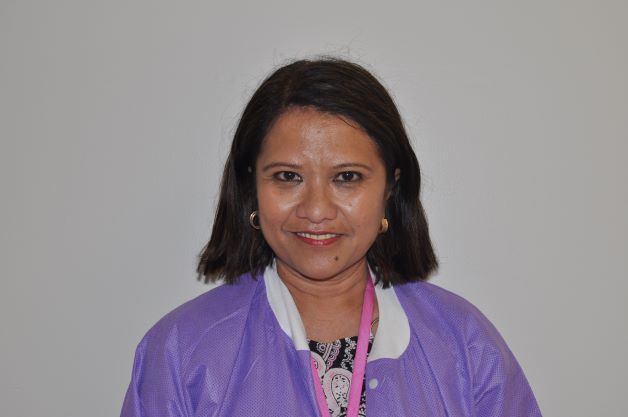
Shining Our Employee Spotlight on Juanita Barrera

This month, we are proud to shine our employee spotlight on Juanita Barrera, Administrative Assistant to the Directors of Dietary and Building Services.

Juanita has been working at Flushing Hospital Medical Center for 31 years. Her first seven years were in the Health Information Department as a data entry clerk and for the past 24 years she has been in the Food and Nutrition Department.

She grew up in Flushing, Queens where she attended PS 214, Junior High School 185, Flushing High School and she recently went back to school at Queensborough Community College where she obtained her AS in Health Science.

Juanita has two children, Jasmine and Deval and one grandson Jayden.  Her family is very important to her and she enjoys spending time with them.  She also has a French bulldog.

Juanita likes to travel both locally and abroad. The best vacations are to places where she can relax in the sun and take in the local culture. She enjoys different types of music, her favorites being the ones she can dance to. She also enjoys keeping in shape and participates in many forms of activities which include kickboxing, running, Zumba and has even jumped off cliffs.

Juanita takes great pride in working at Flushing Hospital because of the people she works with and also because it’s located in the neighborhood where she grew up.

We are very proud to have Juanita as part of our team at Flushing Hospital Medical Center and look forward to having her continue for many more years.

All content of this newsletter is intended for general information purposes only and is not intended or implied to be a substitute for professional medical advice, diagnosis or treatment. Please consult a medical professional before adopting any of the suggestions on this page. You must never disregard professional medical advice or delay seeking medical treatment based upon any content of this newsletter. PROMPTLY CONSULT YOUR PHYSICIAN OR CALL 911 IF YOU BELIEVE YOU HAVE A MEDICAL EMERGENCY.

When To See A Doctor If You Have A Sinus Infection ?

A sinus infection, also known as sinusitis, is a very common type of infection that occurs when the sinuses or cavities in the front of the face, around the eyes, and behind the nose become filled with mucous.

The majority of sinus infections are caused by viruses.  Sinus infections can also be caused to a much lesser extent by bacteria or fungus however,  and are less likely to be transmitted from one person to another. They can also be caused by allergies, blocked nasal passages, asthma, and nasal blockages due to polyps.

Acute viral sinusitis typically lasts between seven to ten days and may follow a cold. Chronic sinusitis can last for 12 weeks or longer.

Symptoms of a sinus infection include:

  • Facial pain or pressure on the forehead or between the eyes
  • Runny or stuffy nose
  • Thick yellow, green, or cloudy nasal discharge
  • Inability to smell
  • Cough
  • Sore throat
  • Fever

Sinus infections typically begin to improve by themselves in about 10 days. You should contact your physician if the infection is not improving or if it is getting worse. Anyone who experiences any of the following should see a physician as soon as possible:

  • Fever over 102 degrees Fahrenheit
  • Confusion
  • Stiff neck
  • Vision changes
  • Swelling and redness around the eyes
  • Intense headache

A sinus infection can spread to the brain or the eye if it is left untreated. People who have frequent or chronic sinus infections should see an otolaryngologist, also known as an ear, nose and throat specialist (ENT) to see if there is an underlying reason these are occurring.

If you think you may have a sinus infection, you can try several remedies at home such as a warm compress on the face, over-the-counter decongestants, saline nasal sprays, and over-the-counter pain relievers. These shouldn’t be used for more than three days. Speak to your physician if the symptoms of a sinus infection don’t improve or worsen after ten days. If you would like to schedule an appointment with a physician at Flushing Hospital Medical Center, please call 718-670-5486.

All content of this newsletter is intended for general information purposes only and is not intended or implied to be a substitute for professional medical advice, diagnosis or treatment. Please consult a medical professional before adopting any of the suggestions on this page. You must never disregard professional medical advice or delay seeking medical treatment based upon any content of this newsletter. PROMPTLY CONSULT YOUR PHYSICIAN OR CALL 911 IF YOU BELIEVE YOU HAVE A MEDICAL EMERGENCY.

Things to Consider Before Doing a Colon Cleanse

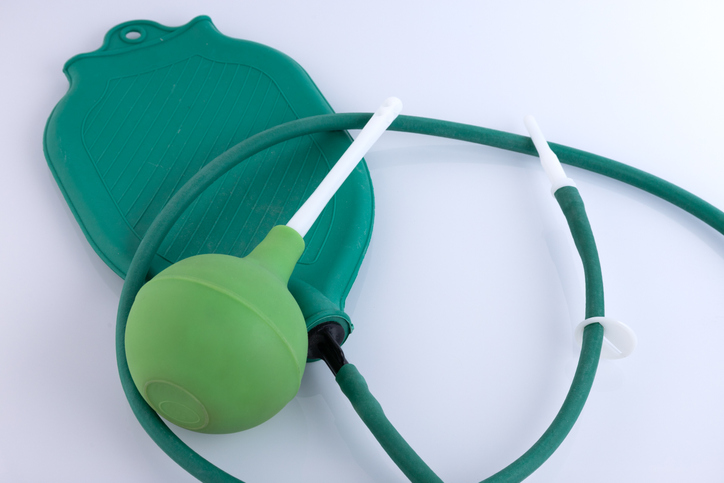
A colon cleanse is the process of flushing out the large intestine. This can be done in one of two ways, one involves introducing large volumes of fluid into the colon, and the other involves taking powdered or liquid supplements such as laxatives, magnesium, or herbal tea by mouth. Both methods will stimulate emptying the colon of its contents.

History shows that colon cleanses date back thousands of years to ancient Greece. The theory of performing colon cleansing is to help remove toxins from the body which may be accumulating in the colon and can’t be expelled on their own.

Some of the conditions people believe are helped by doing a colon cleanse are fatigue, weight gain, low energy, and headaches.

Some of the potential risks of doing a colon cleanse include:

  • Dehydration
  • Mineral imbalance
  • Bowel perforation
  • Infection
  • Kidney failure
  • Nausea
  • Cramps
  • Bacterial imbalance

Some people should be extra cautious about having a colon cleanses, or might want to avoid them completely. These include people with the following conditions:

  • Diverticulitis
  • Crohn’s disease
  • Hemorrhoids
  • Rectal tumors
  • Heart disease
  • Ulcerative colitis
  • Tumors in the colon

Colon cleanses should only be done by a professional and only after consulting with a physician first. If you would like to make an appointment with a physician at Flushing Hospital Medical Center please call 718-670-5486.

All content of this newsletter is intended for general information purposes only and is not intended or implied to be a substitute for professional medical advice, diagnosis or treatment. Please consult a medical professional before adopting any of the suggestions on this page. You must never disregard professional medical advice or delay seeking medical treatment based upon any content of this newsletter. PROMPTLY CONSULT YOUR PHYSICIAN OR CALL 911 IF YOU BELIEVE YOU HAVE A MEDICAL EMERGENCY.
March is National Colorectal Cancer Awareness Month

In February 2000, President Clinton dedicated March as National Colorectal Cancer Awareness Month. Colorectal cancer is one of the leading causes of death in the United States today. It is estimated that 140,000 people are diagnosed with this type of cancer each year and about 50,000 die from the disease.

The good news is that the disease is highly preventable by getting a regular screening. The reason that the screenings are so important is because if precancerous polyps are found early, they can be removed and treatment can be started early.
Risk factors for colorectal cancer include:
• Family history
• Precancerous polyps
• Smoking
• People over the age of 50
• People who have diets high in red meat and processed meat.

It is important to be checked regularly as people get older. For many people who don’t have a family history of colorectal cancer or experience symptoms of the disease, screenings can be started at age 50. If however there is a family history or symptoms exist, screenings should start by age 40 without symptoms or earlier if there are.
Screening for colorectal cancer can be done in several ways.  Some of the more common methods include:
• Checking the stool for occult blood by either a high sensitivity guaiac fecal occult blood test or fecal immunochemical test
• CT colonoscopy
• Colonoscopy
• Sigmoidoscopy

If there is blood present in the stool, or you are experiencing unexplained abdominal pain or weight loss you should consult with your physician immediately. If you would like to schedule an appointment with a physician at Flushing Hospital Medical Center, please call 718-670-5486.

All content of this newsletter is intended for general information purposes only and is not intended or implied to be a substitute for professional medical advice, diagnosis or treatment. Please consult a medical professional before adopting any of the suggestions on this page. You must never disregard professional medical advice or delay seeking medical treatment based upon any content of this newsletter. PROMPTLY CONSULT YOUR PHYSICIAN OR CALL 911 IF YOU BELIEVE YOU HAVE A MEDICAL EMERGENCY.

Employee Spotlight Shines on Melida Nieves

This month we are proud to shine our Employee Spotlight on Melida Nieves, Lead Registrar in the Ambulatory Care Center – OB/GYN Department.

Melida has been with Flushing Hospital Medical Center for 14 years. She was born and raised in Brooklyn, and still resides there. Family is the most important aspect of her life. To her it is important that both her family and friends are feeling well, are comfortable, and that their needs are met. She is very proud of her two beautiful daughters who she enjoys spending as much time as possible with. She also has a poodle named Lola that she adores. In her free time, Melida enjoys going shopping and going out to eat with her daughters and often with her two sisters. She is very active with the Real Life Church in Brooklyn where she is involved in many activities that benefit the people in the community including the food bank, clothing and toy drives. Melida enjoys many types of cuisine, especially, Spanish, Italian, and Caribbean. Her favorite type of music is gospel.

Melida likes working at Flushing Hospital Medical Center because she enjoys interacting with the patients, as well as her colleagues, many of whom have become like family.

We are very pleased to have Melida working with us and we look forward to her continuing to be a part of the Flushing Hospital team for many more years.

All content of this newsletter is intended for general information purposes only and is not intended or implied to be a substitute for professional medical advice, diagnosis or treatment. Please consult a medical professional before adopting any of the suggestions on this page. You must never disregard professional medical advice or delay seeking medical treatment based upon any content of this newsletter. PROMPTLY CONSULT YOUR PHYSICIAN OR CALL 911 IF YOU BELIEVE YOU HAVE A MEDICAL EMERGENCY.
February is National Cancer Prevention Month

February is National Cancer Prevention Month. During this time, Flushing Hospital Medical Center encourages everyone to adopt healthy lifestyle practices to reduce the likelihood of developing cancer.

Here are a few steps you can take to reduce your risk of developing cancer:

  • Don’t use tobacco – Toxins found in tobacco products have been known to cause lung, colorectal, breast, throat cervical, bladder, mouth, and esophageal cancer. If you are a smoker or use tobacco products the best thing to do for your health is to quit.
  • Eat a healthy diet – Preparing meals focused based on vegetables, fruits, whole grains, and beans will help fortify your body against cancer. Limiting red meat and avoiding processed food are also great defenses.
  • Protect your skin from the sun – Skin cancer is very common and one of the most preventable types of cancer. Wear adequate sun protection when exposed to the sun’s ultraviolet rays.
  • Obesity is linked to breast and colorectal cancer. You can avoid excessive weight gain by maintaining a healthy diet and exercising regularly. Thirty minutes a day of regular exercise have been shown to help your general health. There is a link to obesity and breast and colorectal cancer.
  • Know your family history – Many cancers are known to run in families. Let your physician know if anyone in your family has or had cancer.
  • Get regular cancer screenings – Early detection can be helpful in some cases because it can lead to early diagnosis and treatment.

Discuss with your physician your medical history and your risk for cancer. If you would like to schedule an appointment with a physician at Flushing Hospital Medical Center, please call 718-670-5486.

All content of this newsletter is intended for general information purposes only and is not intended or implied to be a substitute for professional medical advice, diagnosis or treatment. Please consult a medical professional before adopting any of the suggestions on this page. You must never disregard professional medical advice or delay seeking medical treatment based upon any content of this newsletter. PROMPTLY CONSULT YOUR PHYSICIAN OR CALL 911 IF YOU BELIEVE YOU HAVE A MEDICAL EMERGENCY.
How Long Does It Take For Symptoms Of Covid To Appear ?

How long does it take for symptoms of COVID to appear ?

According to the Centers for Disease Control and Prevention, the amount of time that passes between exposure to the virus and when the symptoms appear can range from two to fourteen days.

One of the important facts to remember is that a person can spread the virus before they develop symptoms, very commonly, two days prior to showing any signs of being infected.

Symptoms of COVID include:

  • Sore throat
  • Cough
  • Body aches
  • Shortness of breath
  • Chills
  • Fever
  • Headache
  • Runny nose
  • Vomiting
  • Nausea
  • Loss of smell or taste

If you are experiencing any of these symptoms, speak with your physician. The only way to confirm having Covid is by testing for it. If your symptoms worsen, you should go to the closest Emergency Room.

All content of this newsletter is intended for general information purposes only and is not intended or implied to be a substitute for professional medical advice, diagnosis or treatment. Please consult a medical professional before adopting any of the suggestions on this page. You must never disregard professional medical advice or delay seeking medical treatment based upon any content of this newsletter. PROMPTLY CONSULT YOUR PHYSICIAN OR CALL 911 IF YOU BELIEVE YOU HAVE A MEDICAL EMERGENCY.

What are the stages of the common cold ?

The Centers for Disease Control and Prevention (CDC) states that most people typically  recover from the common cold within seven to ten days. The life cycle of a cold can be categorized into three general stages along with several symptoms.

The three stages of a common cold and their symptoms are:

  • Stage 1
    • Sore throat
    • Runny nose or stuffy nose with some clear mucous
    • Fatigue
  • Stage 2 – starts two to three days after stage 1 and in addition to the symptoms of Stage 1, the following are experienced:
    • Congestion
    • Mild aches
    • Sneezing
    • Cough
  • Stage 3 – typically the symptoms found in stage 1 and stage 2 start to subside. A cough, stuffy nose and runny nose may be the last symptoms to subside.

Babies and young children may also experience fever, vomiting, watery eyes, chills, headaches and extreme fatigue.


Many people who have the symptoms of a cold can benefit from:

  • Getting plenty of rest
  • Drinking fluids
  • Using a humidifier
  • Using a saline nasal spray
  • Taking cough medicine
  • Drinking hot water with honey and lemon

Speak to you doctor if the symptoms of a cold do not start to improve after the first week. Do not take any medications without discussing them with your doctor first. If you would like to schedule an appointment with a physician at Flushing Hospital Medical Center, please call 718-670-5486.

All content of this newsletter is intended for general information purposes only and is not intended or implied to be a substitute for professional medical advice, diagnosis or treatment. Please consult a medical professional before adopting any of the suggestions on this page. You must never disregard professional medical advice or delay seeking medical treatment based upon any content of this newsletter. PROMPTLY CONSULT YOUR PHYSICIAN OR CALL 911 IF YOU BELIEVE YOU HAVE A MEDICAL EMERGENCY.

What To Do When Your Baby Suddenly Stops Breastfeeding

When most people hear the words “nursing strike” the most common assumption is that it has something to do with a work stoppage by hospital caregivers, but the term can also refer to when a baby suddenly refuses to breastfeed. This response can sometimes be mistaken for weaning, but unlike a nursing strike, weaning normally takes places gradually over a period of weeks or months.

Nursing strikes can be frightening and upsetting to both you and your baby, but they are almost always temporary. Most nursing strikes end with your baby back to breastfeeding, within a few days. In some cases the cause is a mystery, but most of the time it is due to some external factor. Some of the most common triggers for a nursing strike include:

  • An illness affecting your baby such as an ear infection or stuffy nose
  • A change in deodorant, soap, lotion or anything that would result in you smelling different to your baby
  • Your baby is teething or experiencing sore gums
  • A temporary reduction in milk supply
  • A change in nursing patterns
  • Your baby was frightened during a previous nursing experience

Whatever the cause, getting the baby back to the breast can sometimes be challenging. Here are some tips that can help get your baby back to breastfeeding:

  • Be patient. Don’t try to force your baby to breastfeed as it can make the situation worse.
  • Rule out any physical problems such as an ear infection, stuffy nose, teething issues or a bladder infection.
  • Spend more skin-to-skin time together.
  • Avoid giving your baby a pacifier.
  • Attempt to nurse when your baby is either falling asleep, sound asleep, or just waking up.
  • Movement helps so try putting your baby in a sling while you walk around or try relaxing in a rocking chair.
  • Take a bath together or cuddle in a quiet, dark room.

You should continue to pump or hand express milk while your baby is refusing to nurse to prevent plugged ducts and infections.  It is also important to remain calm and understand that your baby isn’t rejecting you and while the situation can be upsetting that it is only temporary and everything will go back to normal.

If your baby is experiencing a nursing strike and you have additional questions, you should speak with your doctor or a lactation consultant.

If you would like to speak to a lactation consultant at Flushing Hospital Medical Center, please call 718-670-5201.

All content of this newsletter is intended for general information purposes only and is not intended or implied to be a substitute for professional medical advice, diagnosis or treatment. Please consult a medical professional before adopting any of the suggestions on this page. You must never disregard professional medical advice or delay seeking medical treatment based upon any content of this newsletter. PROMPTLY CONSULT YOUR PHYSICIAN OR CALL 911 IF YOU BELIEVE YOU HAVE A MEDICAL EMERGENCY.