
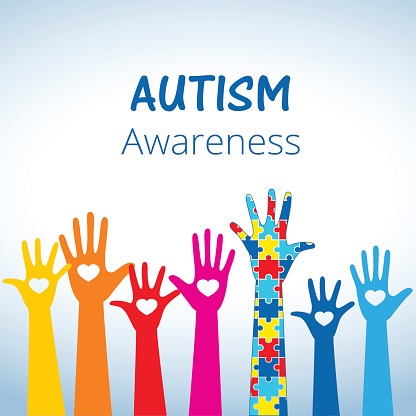
Autism Acceptance Month

Autism or autism spectrum disorder (ASD) is characterized by a range of conditions that can significantly impair behavioral, communication and social skills.

Autism -624530410There are three different types of autism spectrum disorders; they include Classic Autism, Asperger Syndrome and Pervasive Developmental Disorder. Each condition differs by the severity of symptoms.

According to the Centers for Disease Control and Prevention (CDC) children or adults with ASD may display the following symptoms:

  • Having delays in speech and language skills
  • Not responding to their name by 12 months
  • Avoiding eye contact or wanting to be alone
  • Having difficulty understanding the feelings of others
  • Displaying unusual reactions to the way things look, feel, sound or smell
  • Repeating actions over and over
  • Not looking at objects when other people point to them
  • Repeating words or phrases in place of normal language
  • Preferring not to be cuddled or cuddling only when desired
  • Having trouble adapting to changes in daily activities
  • Displaying behaviors such as flapping hands, spinning in circles or rocking the body

The most obvious symptoms of ASD typically emerge between two to three years of age. However, in some cases, they can be identified earlier.

There are no definitive causes of ASD but it has been discovered that there are several factors that can make a child more likely to have the disorder.  The CDC asserts the following findings:

  • Most scientists agree that genes are one of the risk factors that can make a person more likely to develop ASD.
  • Children who have a sibling with ASD are at a higher risk of also having ASD.
  • ASD tends to occur more often in people who have certain genetic or chromosomal conditions, such as fragile X syndrome or tuberous sclerosis.
  • There is some evidence that the critical period for developing ASD occurs before, during, and immediately after birth.
  • Children born to older parents are at greater risk for having ASD.

Diagnosing ASD can be difficult as assessments are primarily based on behavior and development. There are two stages of diagnosis: the developmental screening and the comprehensive diagnostic evaluation.

Currently, there is no cure for ASD but research shows that early intervention services and treatment can improve development in children.

April is National Autism Acceptance Month, during this time, Jamaica Hospital Medical Center hopes to promote autism awareness and acceptance through education.  The hospital proudly supports the nationwide goal of building a greater understanding and acceptance of ASD.

All content of this newsletter is intended for general information purposes only and is not intended or implied to be a substitute for professional medical advice, diagnosis or treatment. Please consult a medical professional before adopting any of the suggestions on this page. You must never disregard professional medical advice or delay seeking medical treatment based upon any content of this newsletter. PROMPTLY CONSULT YOUR PHYSICIAN OR CALL 911 IF YOU BELIEVE YOU HAVE A MEDICAL EMERGENCY.
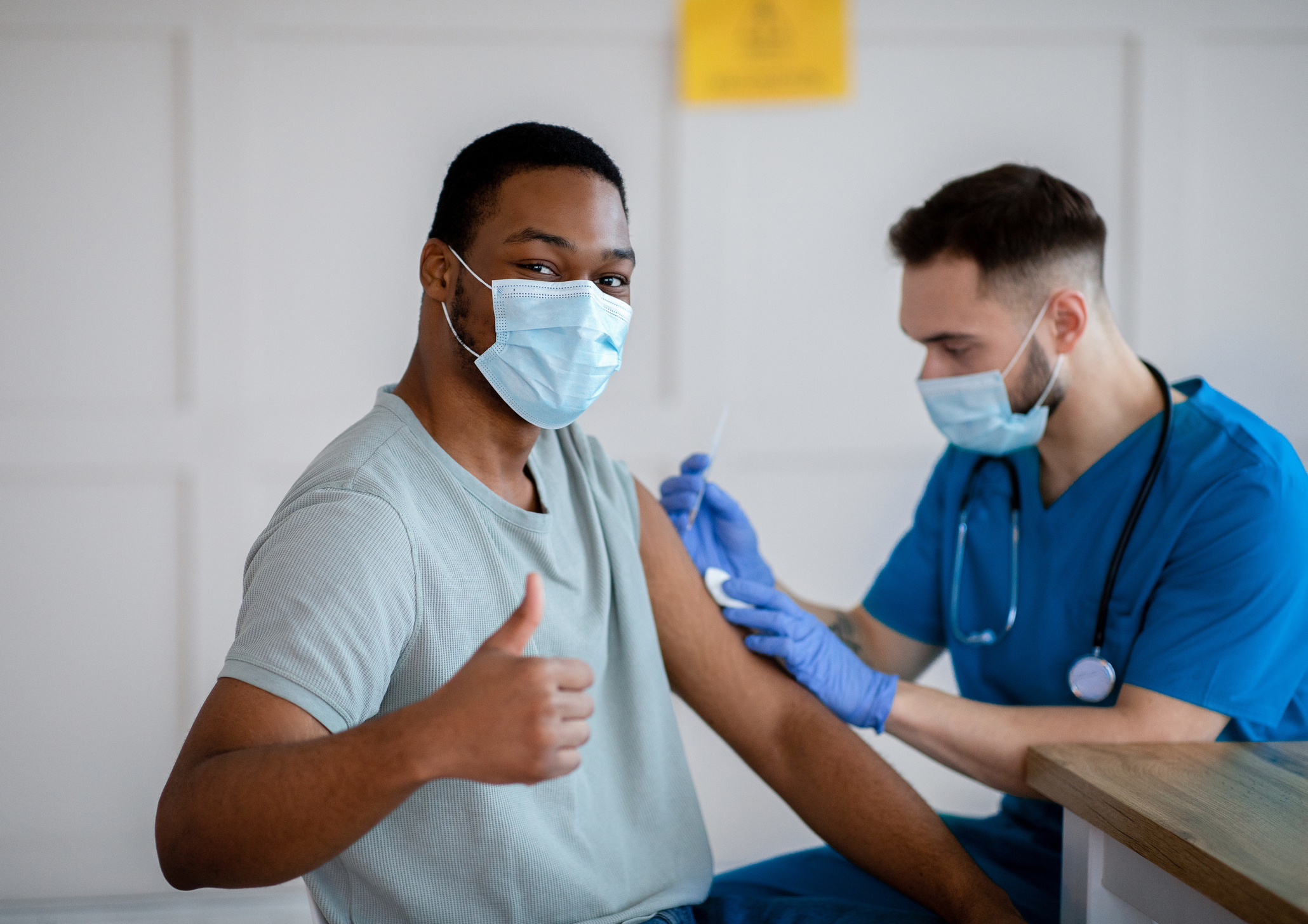
Stop Racism and Xenophobia

Flushing Hospital Medical Center proudly serves one of the most culturally and ethnically diverse communities in the world. It is for this reason among others that we stand against racism and xenophobia of any kind.

Racism (prejudice or discrimination directed toward a person based on their race) and xenophobia (defined as fear, prejudice or hatred against people from other countries) are not only societal concerns but also public health issues.

A public health issue is identified as a problem that greatly hurts or affects the physical, mental or social health of a population. As an institution that is built on the principle of protecting and improving the health of our diverse community, Flushing Hospital joins other organizations in affirming racism and xenophobia as a serious public health crisis. Our hospital condemns violence against Asians, Pacific Islanders, and others who face discrimination or harassment based on their race or ethnicity.

If you have faced harassment or discrimination in housing, at work, or in any public place, contact the NYC Commission on Human Rights by filling out our online form or by calling 212-416-0197. If you are a victim of or witness a hate crime, call 911. There is language support if you need interpretation services.

All content of this newsletter is intended for general information purposes only and is not intended or implied to be a substitute for professional medical advice, diagnosis or treatment. Please consult a medical professional before adopting any of the suggestions on this page. You must never disregard professional medical advice or delay seeking medical treatment based upon any content of this newsletter. PROMPTLY CONSULT YOUR PHYSICIAN OR CALL 911 IF YOU BELIEVE YOU HAVE A MEDICAL EMERGENCY.
Learn The ABCDE’s of Moles

Skin cancer is one of the most commonly diagnosed forms of cancer in the United States. It can present in all ethnicities and skin tones. Almost all skin cancers are found on skin exposed to sun, ultraviolet light, tanning lights, or sun lamps.

Most forms of skin cancer can be treated successfully when detected early. Unusual growths on the skin such as moles can serve as warning signs; therefore, paying attention to changes and abnormalities is crucial in early detection.

When observing changes in the skin, knowing what is considered ‘normal’ is vital. For example, a normal mole is solid and uniform in color and can range from tan, brown, dark brown, or flesh-colored. They are usually round or oval in shape with well-defined edges and may be flat or raised.  However, moles that have developed into skin cancer are sometimes irregularly shaped, scaly or have a variation in color.

The ABCDE rule can help you remember what to look for when checking your moles.

A for Asymmetry

If you fold the mole in half, does it look the same on both sides? If it looks the same on both sides, then it is symmetrical. If both sides look different, the mole is asymmetrical and should be monitored.

B for Border

Look at the border of the mole. Normal moles have a smooth edge. Moles of concern may have a blurry or jagged border.

C for Color

Note the original color of the mole. Has it changed by becoming darker, lost some color, or have multiple colors? (Note that some moles tend to darken during pregnancy or while taking birth control pills.)

D for Diameter

How large is the mole? Moles that are bigger than 1/4 inch in diameter should be shown to your health care provider.

E for Evolving

Has the mole changed in shape, size, or color? If so, alert your primary care provider.


Doctors advise that you seek medical care if:

  • Your mole changes size, especially if it grows very quickly or becomes larger than a pencil eraser (6mm).
  • Your mole changes in color or develops more than one color.
  • Your mole, or the skin near the mole, becomes painful, sore, red, or swollen.
  • Your mole becomes scaly, sheds skin, oozes fluid, or bleeds.
  • Your mole develops irregular borders.
  • Your mole becomes hard or soft or develops raised areas.

There are several steps you can take to protect your skin against cancer: Avoid the sun during peak hours, wear sunscreen (with an SPF of at least 30, reapplying every 2-3 hours) and wear sunglasses and protective clothing when spending long periods of time outdoors. Additionally, it is important to remember that ultraviolet radiation from artificial tanning beds is a known carcinogen. Using them can increase your risk of skin cancers such as melanoma by 59%, and even more with each use.

If you notice changes in your skin that are abnormal, it is important to speak with your doctor right away. Early detection is key when treating skin cancer.

All content of this newsletter is intended for general information purposes only and is not intended or implied to be a substitute for professional medical advice, diagnosis or treatment. Please consult a medical professional before adopting any of the suggestions on this page. You must never disregard professional medical advice or delay seeking medical treatment based upon any content of this newsletter. PROMPTLY CONSULT YOUR PHYSICIAN OR CALL 911 IF YOU BELIEVE YOU HAVE A MEDICAL EMERGENCY.

National Poison Prevention Week- First Steps In a Poison Emergency

This week is Poison Prevention Week. Did you know that every year more than 2 million poison-related injuries and deaths are reported in the United States and more than 90 percent of these cases occur in the home?

The majority of poison-related accidents occur among children but can be prevented by taking the proper precautions to store, dispose or conceal items that contribute to these incidents.

The following safety tips are recommended by The American Association of Poison Control Centers and can help you reduce the risk of an accident in your home:

  1. Place the Poison Help number in a place that is easily accessible or in eyesight. That number is 1 (800) 222-1222. Calls are free, confidential, and answered by experts at all times.
  2. Safely store these substances in cabinets with childproof locks or in child-resistant containers:
  • Medications
  • Vitamins
  • Tobacco products, especially liquid nicotine
  • Laundry and cleaning supplies
  • Alcohol
  • Pesticides or insect repellants
  • Hand sanitizers
  • Small batteries
  1. Read medication labels properly before administering.
  2. Never call medication “candy” to encourage children to take it.
  3. Avoid taking medications in front of young children.
  4. Do not use food storage containers to store harmful products such as detergents or pesticides.

While practicing these guidelines should be routine, we invite you to use Poison Prevention Awareness Week as a reminder to ensure that your home is poison safe.

All content of this newsletter is intended for general information purposes only and is not intended or implied to be a substitute for professional medical advice, diagnosis or treatment. Please consult a medical professional before adopting any of the suggestions on this page. You must never disregard professional medical advice or delay seeking medical treatment based upon any content of this newsletter. PROMPTLY CONSULT YOUR PHYSICIAN OR CALL 911 IF YOU BELIEVE YOU HAVE A MEDICAL EMERGENCY.

National Bleeding Disorders Awareness Month – Hemophilia

March is recognized as Bleeding Disorders Awareness Month. This observance raises awareness for bleeding disorders such as hemophilia.

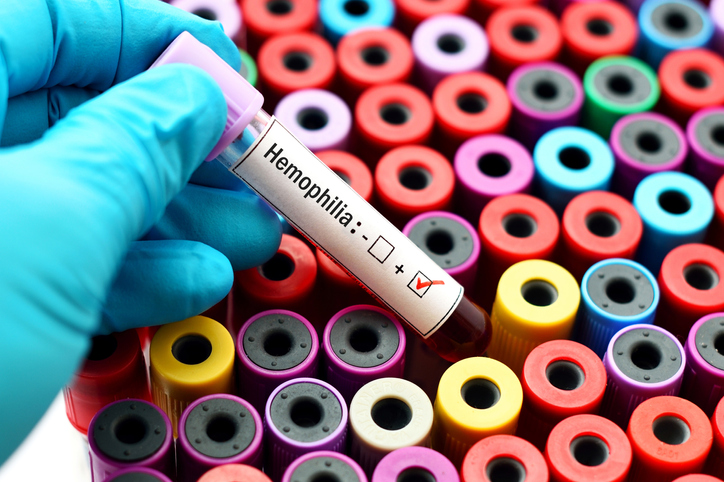
Hemophilia is a genetic disorder that slows the blood clotting process. It is estimated that hemophilia occurs in 1 in every 5,000 male births in the United States.  The disorder very rarely develops in girls.

According to the Centers for Disease Control and Prevention, “Hemophilia is caused by a mutation or change, in one of the genes, that provides instructions for making the clotting factor proteins needed to form a blood clot. This change or mutation can prevent the clotting protein from working properly or to be missing altogether.”

Because people with hemophilia lack sufficient blood clotting proteins, this causes them to bleed longer than they normally should.  Bleeding can occur spontaneously or following an injury. Other common signs and symptoms that they may experience include:

  • Bleeding into the joints can lead to swelling, tightness or pain (This most commonly affects the ankles, knees and elbows)
  • Bleeding from the mouth and gums
  • Bleeding after receiving vaccinations or injections
  • Blood in the urine or stool
  • Frequent and hard-to-stop nosebleeds
  • Bleeding into the skin (bruises)
  • Bleeding into soft tissue and muscle (hematomas)

A diagnosis of hemophilia is determined after blood has been tested to reveal a clotting-factor deficiency.  If it is found that the blood is not clotting as it should, tests known as factor assays are required to explore the cause.  In severe cases, the disorder can be diagnosed within the first year of a child’s life. People with a family history of hemophilia are encouraged to have their baby boys tested soon after birth.

One of the most common approaches for treating hemophilia is to replace the missing blood clotting factor. This treatment is administered through a tube placed in the vein. Other forms of treatment can include taking clot-preserving medications, injecting the hormone Desmopressin (DDAVP), applying fibrin sealants, and participating in physical therapy.

There are several measures that a person living with hemophilia can take to reduce the chances of injury or excessive bleeding.  The following are recommended: avoid taking blood-thinning medications, exercise regularly (contact sports should be avoided), practice good dental hygiene and avoid certain pain medications that can aggravate bleeding such as aspirin.

All content of this newsletter is intended for general information purposes only and is not intended or implied to be a substitute for professional medical advice, diagnosis or treatment. Please consult a medical professional before adopting any of the suggestions on this page. You must never disregard professional medical advice or delay seeking medical treatment based upon any content of this newsletter. PROMPTLY CONSULT YOUR PHYSICIAN OR CALL 911 IF YOU BELIEVE YOU HAVE A MEDICAL EMERGENCY.

Should I Let My Child Play Sports During the COVID Pandemic?

As we slowly attempt to return to some degree of normalcy during the COVID pandemic, many activities are beginning to resume, this includes youth sports to be played. Depending on the state or region you live in, your children may now be able to participate in many of the activities that were placed on hold nearly a year ago.

As a parent, it is important to understand the potential risks before deciding to allow your children to play sports.  To help you make an informed decision, Flushing Hospital is providing the following tips for your consideration:

  • Understand the current COVID-19 positivity rates in your community. Families who live in areas where there is a high or growing number of COVID cases will have an increased risk of contracting the virus. Parents can track positivity rates on their local department of health website.
  • Consider the sport that your child wants to play.  Certain sports, such as wrestling or basketball require players to be in closer proximity to one another. These sports pose an increased risk of exposure as do other sports where there is a high level of physical exertion and those that are played indoors.
  • Assess how much equipment or gear is shared among players.  Even though we know the primary way the virus is spread is from person to person, through droplets in the air, it is still possible to contract COVID by touching a contaminated surface.  For this reason, it is important to limit the use of shared equipment and make sure all gear is sanitized between uses. Never share water bottles.
  • Determine if your child’s team has the ability to socially distance while the players are not actively engaged.  Can the players be placed at the minimum required distance from one another while on the sideline or bench? Are there efforts to have them wear masks when not competing?

Other determining factors that can increase or reduce the risk of spreading the virus include the age of the athlete (older children tend to understand and comply better), the size of the team, the amount of travel required to play the sport and the number of spectators in attendance. By being knowledgeable of the situation you can reduce your child’s exposure and allow them to once again enjoy the sports they love to play.

If your child has any underlying health issues, it is important to speak to your doctor before allowing your child to play.

All content of this newsletter is intended for general information purposes only and is not intended or implied to be a substitute for professional medical advice, diagnosis or treatment. Please consult a medical professional before adopting any of the suggestions on this page. You must never disregard professional medical advice or delay seeking medical treatment based upon any content of this newsletter. PROMPTLY CONSULT YOUR PHYSICIAN OR CALL 911 IF YOU BELIEVE YOU HAVE A MEDICAL EMERGENCY.

The Health Benefits of Turmeric

Turmeric is a bright yellow spice that has been used for centuries in Asia, and today is promoted around the world as a dietary supplement. It is believed to have medicinal capabilities due to a powerful ingredient -curcumin- that has anti-inflammatory and anti-oxidant properties.

Turmeric is also believed to have other properties which include:

  • Anti-proliferative
  • Anti-microbial
  • Neuroprotective
  • Cardioprotective
  • Wound healing

However, they have not been studied, and much research is needed to confirm their effects.

Turmeric is taken orally, usually mixed in with cooking oils or ingested as a spice. It is considered to be generally very safe; however, some people have experienced nausea and occasionally diarrhea from taking it. It is also important to note that turmeric can be harmful to pregnant women, and can interact with certain medications such as aspirin or ibuprofen, affecting how they work. Before adding turmeric to your diet, it is highly advised that you speak with a physician.

At the MediSys Health Post-COVID Care Center, health practitioners may incorporate a diet that focuses on reducing inflammation as part of a patient’s integrative health treatment plan. The anti-inflammatory diet involves the elimination of foods and beverages high in fat and increasing the consumption of vegetables and lean proteins, such as fish. Another aspect of this diet is adding turmeric (as recommended by an integrative health physician) which can help address joint stiffness and muscle pain, both common symptoms reported by patients experiencing the long-term COVID-19 symptoms.

The MediSys Health Network has opened up a Post COVID-19 Care Center focusing on treating people who have been experiencing long-term side effects of the virus. These people are known as “Long Haulers” and may experience depression, lethargy, anxiety, inflammation, loss of hair, loss of taste, shortness of breath, muscle and body pain. The staff at the center takes a holistic, whole approach to treating these patients. This includes not only treating with medications when deemed necessary but also with exercise, yoga, mind-body exercises, and nutritional support.

If you or someone you know is experiencing long-term effects of COVID-19 and would like to schedule an appointment at the Post COVID Center, please call 718-736-8204.

All content of this newsletter is intended for general information purposes only and is not intended or implied to be a substitute for professional medical advice, diagnosis or treatment. Please consult a medical professional before adopting any of the suggestions on this page. You must never disregard professional medical advice or delay seeking medical treatment based upon any content of this newsletter. PROMPTLY CONSULT YOUR PHYSICIAN OR CALL 911 IF YOU BELIEVE YOU HAVE A MEDICAL EMERGENCY.
Home Safety Tips for Do It Yourself Projects

Many people are spending more time at home these days which provides the perfect opportunity to get household projects done. The most important thing to know before undertaking do-it-yourself, home improvement projects is how to protect yourself from danger. You can do so by following these safety tips:

  • Keep a working fire extinguisher near to you.
  • Do not overload extension cords
  • Keep a first-aid kit near to where you are working
  • It is best to work in a well-lit environment
  • Avoid having debris on the floor
  • If you are painting, keep the area well ventilated
  • Keep power tools away from children
  • Never leave power tools unattended
  • Wear protective clothing when working with hazardous materials
  • Proper placement of a ladder is very important. For every four feet of ladder height, keep one foot away from wall
  • Do not stand on top of a ladder
  • Wear protective eye gear
  • Always follow instructions included with any materials that you will be working with

By following the above recommendations you are helping to avoid any injuries. It is important to keep emergency numbers and your phone on you in case something unexpected occurs.

All content of this newsletter is intended for general information purposes only and is not intended or implied to be a subs

All content of this newsletter is intended for general information purposes only and is not intended or implied to be a substitute for professional medical advice, diagnosis or treatment. Please consult a medical professional before adopting any of the suggestions on this page. You must never disregard professional medical advice or delay seeking medical treatment based upon any content of this newsletter. PROMPTLY CONSULT YOUR PHYSICIAN OR CALL 911 IF YOU BELIEVE YOU HAVE A MEDICAL EMERGENCY.

Broken Heart Syndrome

Can someone be diagnosed with a “broken heart”? The answer is yes.

Broken heart syndrome is caused by the heart’s reaction to a surge of stress hormones, which causes an irregular heartbeat and can be accompanied by symptoms such as chest pain and shortness of breath. When someone experiences a broken heart, (not to be confused with a heart attack) the blood flow in the arteries is reduced. Also known as a takotsubo cardiomyopathy, or stress-induced cardiomyopathy, it can be brought on by various stressful situations.

Some triggers of broken heart syndrome include:
• A break-up, divorce or death of a loved one
• Experiencing or recovering from a natural disaster
• Job loss

Some medications can contribute to broken heart syndrome such as epinephrine- taken for allergic reactions, as well as certain prescriptions that treat anxiety, depression, or thyroid issues.

Broken heart syndrome can be treated once your physician medically rules out any other possible cardiac issues. Treatment will most likely focus on reducing the workload of your heart.

All content of this newsletter is intended for general information purposes only and is not intended or implied to be a substitute for professional medical advice, diagnosis or treatment. Please consult a medical professional before adopting any of the suggestions on this page. You must never disregard professional medical advice or delay seeking medical treatment based upon any content of this newsletter. PROMPTLY CONSULT YOUR PHYSICIAN OR CALL 911 IF YOU BELIEVE YOU HAVE A MEDICAL EMERGENCY.

Cervical Health Awareness Month- The Importance of Regular Cervical Screenings

MD001276January has been designated as Cervical Health Awareness Month by the National Cervical Cancer Coalition and the American Social Health Association.  This initiative helps raise awareness and encourages women to receive regular screenings for cervical cancer and human papillomavirus (HPV).

HPV is a major cause of cervical cancer which is one of the most common cancers found in women.  However early detection can lessen the severity of both diseases and prevent the development of abnormal or cancerous cells.

It is recommended that women receive regular screenings to check the health of their cervixes. The frequency of screenings varies by age. The following guideline is as recommended by The American Cancer Society: https://www.cancer.org/health-care-professionals/american-cancer-society-prevention-early-detection-guidelines/cervical-cancer-screening-guidelines.html

In addition to receiving screenings, it is strongly recommended by the Centers for Disease Control and Prevention that women and men receive HPV vaccinations to stop the spread of the virus.

Please speak with your doctor as soon as possible about steps you can take to maintain your cervical health and remember, prevention is better than cure.

All content of this newsletter is intended for general information purposes only and is not intended or implied to be a substitute for professional medical advice, diagnosis or treatment. Please consult a medical professional before adopting any of the suggestions on this page. You must never disregard professional medical advice or delay seeking medical treatment based upon any content of this newsletter. PROMPTLY CONSULT YOUR PHYSICIAN OR CALL 911 IF YOU BELIEVE YOU HAVE A MEDICAL EMERGENCY.