Dealing With Holiday Stress

During the holiday season, many of us struggle to complete an extensive list of tasks in what often feels like very little time.   We run rampant decorating our homes, attending social gatherings, shopping for loved ones, volunteering, traveling or cooking.  These activities are often added to our already busy schedules, which can make us feel overwhelmed.

Contrary to what we may think, these activities which should make us feel happy can actually increase our stress levels.

Although there are various factors such as unrealistic expectations or financial strain that contribute to holiday stress, finding ways to avoid stressors or minimize their effects is very important. If stress is not managed well, it can have a significantly negative impact on our health.

Mental health professionals at Flushing Hospital Medical Center offers  five tips to help you cope with holiday stress and maintain good mental health:

  1. Set realistic goals– Unrealistic goals often equal added pressure and expectations that cannot be met. If these goals are not met, they can lead to negative feelings such as inadequacy or hopelessness.
  2. Know when to take a moment for yourself (Take a break) – We are often pulled in multiple directions during this time of the year. Know when to take a breather to decompress and clear your mind.
  3. Communicate- The added pressures of the holidays are clearly overwhelming and one of the ways that people sometimes deal with this is to isolate themselves. This is not recommended; instead, reach out to loved ones or a trained mental health professional to communicate how you feel.
  4. Do not neglect healthy habits– Taking good care of your health can help combat holiday stress. Moderating your food intake, fitting in a few minutes of exercise and getting adequate amounts of sleep can be profoundly beneficial for your health.   Additionally, maintaining a healthy daily routine can help take your mind off holiday demands.
  5. Ask for help- We live in a time where multitasking has become the norm but if you begin to feel overwhelmed, ask for help. Soliciting the help of friends or family can alleviate some of the holiday pressure. The holidays can also trigger depression; if you are experiencing symptoms of depression ask for help from loved ones or seek the assistance of a mental health professional.

The holiday season can be overwhelming; however, by applying these helpful tips you can take the steps needed to minimize stress and make this time of year more enjoyable.  If you find that you continue to experience elevated levels of stress or symptoms of depression, it is recommended that you seek the help of mental health professional immediately.

To schedule an appointment with the Mental Health Clinic at Flushing Hospital Medical Center, please call 718-670-5562.

All content of this newsletter is intended for general information purposes only and is not intended or implied to be a substitute for professional medical advice, diagnosis or treatment. Please consult a medical professional before adopting any of the suggestions on this page. You must never disregard professional medical advice or delay seeking medical treatment based upon any content of this newsletter. PROMPTLY CONSULT YOUR PHYSICIAN OR CALL 911 IF YOU BELIEVE YOU HAVE A MEDICAL EMERGENCY.

Prostate Cancer – Screening and Treatment

The prostate gland is a part of the male reproductive system that produces a fluid that mixes with sperm and other fluids during ejaculation.  It sits just below the bladder and is normally about the size of a walnut.

Prostate cancer is an abnormal growth of cells within the prostate gland.  Prostate cancer is one of the most common types of cancer in men and the second leading cause of cancer deaths among American men.  The majority of men who reach the age of 80 are found to have prostate cancer however most types of prostate cancer grow slowly and may not contribute to any serious harm.  Some types of prostate cancers are more aggressive and can spread to other parts of the body.

Prostate cancer, especially in its early stages, may not have any symptoms.  When symptoms are present they may include difficulty starting urination, less force to the stream of urine, dribbling at the end of urination, needing to urinate frequently, urinating frequently at night, pain while urinating, blood in the urine or semen, difficulty starting or maintaining an erection, pain with ejaculation, pain or stiffness in the lower back, hips, pelvis and upper thighs, or unintended weight loss.

Although it is not known exactly what causes prostate cancer some risk factors for developing prostate cancer are older age (more than 65% of prostate cancers are diagnosed in men older than 65), race (African-American men are 60% more likely to develop prostate cancer than Caucasian men), family history (having a father or brother with prostate cancer) and obesity.

Having a discussion with your doctor about prostate cancer screening can help you decide if you should consider undergoing prostate cancer screening based on your risk, unique health history, and preferences.

When screening is done there are two tests that are available.  The available tests are a digital rectal exam (DRE) and prostate-specific antigen (PSA) test.  To perform a digital rectal exam your doctor uses a gloved finger, inserted a few inches into your rectum, to check your prostate gland.  A prostate-specific antigen test is a blood test that measures the level of PSA in your blood.  Many men who have prostate cancer have elevated levels of PSA however PSA can also be elevated for less serious causes such as prostate enlargement or infection.  Further testing is needed to diagnose cancer.  Additional tests that your doctor may recommend to diagnose cancer include an ultrasound of the prostate and a biopsy of the prostate.  A biopsy is when a small piece of the prostate is removed to look for abnormal cells.

Treatment of prostate cancer depends on many factors including your age, your overall health and the growth and spread of cancer when it is diagnosed.  Some men who have slow growing tumors may not need treatment right away and some may never need treatment.  Other types of prostate cancer are aggressive and can quickly spread to other parts of the body making treatment difficult.  Common treatment options include watchful waiting or expectant management (regular testing and checkups to assess for new signs or symptoms), radiation therapy (high-energy x-rays used to kill cancer cells), chemotherapy, surgery (having the prostate gland removed) and hormone therapy. Flushing Hospital also offers robotic surgery and physicians specially trained in its use, as an option for the treatment of prostate cancer.

All content of this newsletter is intended for general information purposes only and is not intended or implied to be a substitute for professional medical advice, diagnosis or treatment. Please consult a medical professional before adopting any of the suggestions on this page. You must never disregard professional medical advice or delay seeking medical treatment based upon any content of this newsletter. PROMPTLY CONSULT YOUR PHYSICIAN OR CALL 911 IF YOU BELIEVE YOU HAVE A MEDICAL EMERGENCY.

National Influenza Vaccination Week

The first week in December is designated as National Influenza Vaccination Week. It is designated in an effort to highlight the importance of getting your annual flu shot. The typical “Flu Season” usually begins in October but peaks between December and February. However, there have been cases of flu diagnosis that occur as late as May.

Influenza is the unwelcome guest that comes calling on us every year – often with many very unpleasant consequences. Historically, widespread flu epidemics have had devastating effects on large portions of the earth’s population. It wasn’t until the 1930’s that two scientists, Dr. Jonas Salk and Dr. Thomas Francis developed the first vaccine to prevent the flu virus. The vaccine was given to American soldiers during World War II and was found to be useful in preventing the widespread outbreaks that had been common before the vaccines were used. In the years after the war, the vaccine was made available to the general public and has greatly reduced the widespread epidemics that were so common before.

Research has helped to develop better vaccines with fewer side effects and also better suited to combat strains of the influenza virus that keep changing every year. Over the past 60 years, millions of people have been given the flu vaccine each year. Many people are hesitant about getting the vaccine at all however, there are much fewer catastrophic epidemics throughout the world, thanks in large part to the work done by Dr. Salk and Dr. Francis in the early part of the last century.

Influenza is a serious disease that can lead to hospitalization and sometimes even death. Every flu season is different, and influenza infection can affect people differently. It is important that you consult with your doctor before getting the flu vaccine.

All content of this newsletter is intended for general information purposes only and is not intended or implied to be a substitute for professional medical advice, diagnosis or treatment. Please consult a medical professional before adopting any of the suggestions on this page. You must never disregard professional medical advice or delay seeking medical treatment based upon any content of this newsletter. PROMPTLY CONSULT YOUR PHYSICIAN OR CALL 911 IF YOU BELIEVE YOU HAVE A MEDICAL EMERGENCY.

Flushing Hospital Unveils A “New Beginning” For Mothers And Babies

Flushing Hospital Medical Center is delivering a series of brand new, state-of-the-art in-patient upgrades to benefit women and newborns.

LDR Rendering

The hospital recently unveiled its plans to expand and modernize the entire 5th floor of the hospital, including its Labor Delivery and Recovery (LDR) suites, Mother-Baby Unit, Neonatal Intensive Care Unit (NICU) and newborn nursery to provide the ultimate mother-baby experience.

Flushing Hospital’s project, which has been named “New Beginnings,” will feature an expansion of the hospital’s current LDR suites from eight to 11 and converting the existing triage space from one large semi-private area to four completely private rooms. In addition, the hospital is increasing the number of recovery rooms on the unit from three to five and adding one additional delivery room to accommodate more Cesarean section deliveries.

LDR Rendering

On the Mother-Baby unit, Flushing Hospital will now offer exclusively private rooms to our patients.  Each of the 28 remodeled rooms will feature many amenities including ADA compliant private bathrooms with showers, sleeper beds to accommodate a designated support person overnight visitation, and an electronic information board and bedside tablet for mom.

Flushing Hospital also relocated the newborn nursery to a more convenient location in closer proximity to the Mother-Baby unit and remodeled its neonatal intensive care unit, where premature babies or babies born with complications receive expert care.

The entire floor will also receive an enhanced air circulation system, with all rooms having the ability to provide negative pressure. This is extremely important for patient safety, especially during the COVID pandemic.

The name “New Beginnings” was given to this project not only because it marks a new beginning for Flushing Hospital, but more importantly, it also provides the families in our community an ideal environment to welcome a new addition into their world, which signifies a new beginning for them as well.

“Flushing Hospital Medical Center wanted to create an atmosphere that matches the high-quality care our team has always offered our patients” stated Dr. Hajoon Chun, Chairperson of Ob/Gyn, who added, “The completion of our New Beginnings project will ultimately provide a birthing environment that focuses on comfort and safety and we are excited to offer it to our community.”

Flushing Hospital anticipates the first two model rooms to be finished before the end of the year and will work tirelessly until each aspect of the project is completed.

All content of this newsletter is intended for general information purposes only and is not intended or implied to be a substitute for professional medical advice, diagnosis or treatment. Please consult a medical professional before adopting any of the suggestions on this page. You must never disregard professional medical advice or delay seeking medical treatment based upon any content of this newsletter. PROMPTLY CONSULT YOUR PHYSICIAN OR CALL 911 IF YOU BELIEVE YOU HAVE A MEDICAL EMERGENCY.

Glaucoma

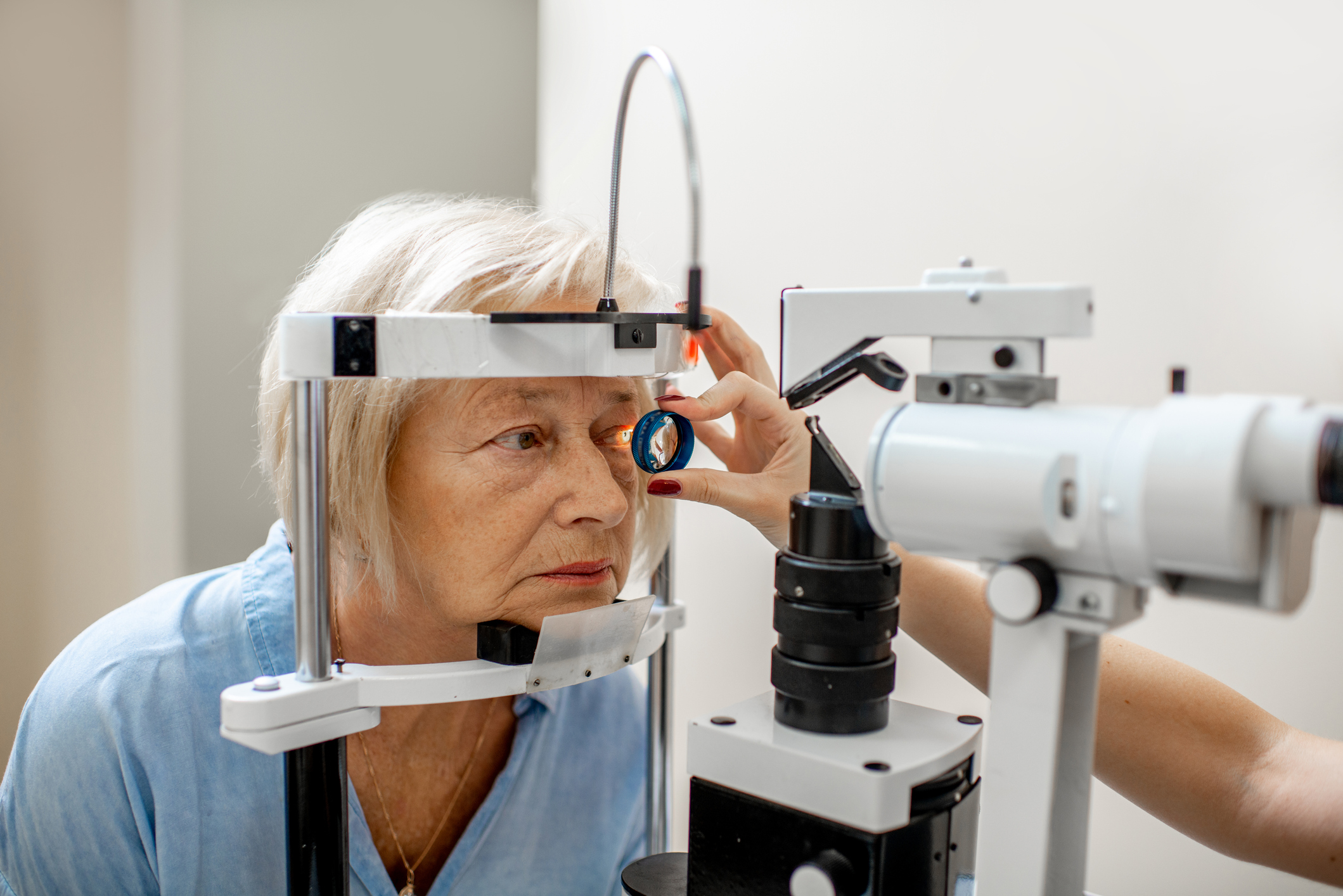
Glaucoma is a group of diseases that damages the eye’s optic nerve (The nerve at the back of the eye that connects to the brain and sends visual information to help us see).

There are several different types of glaucoma; however, the most common is open-angle glaucoma.

Open-angle glaucoma develops as a result of ocular hypertension- abnormally high levels of pressure in the eye. Over time, the build-up of pressure causes damage to the optic nerve tissue which leads to vision loss and blindness.

There are typically no warning signs or symptoms in the early stages of open-angle glaucoma. But as the disease progresses and becomes more advanced, people can experience:

  • Tunnel vision
  • Patchy blind spots in their peripheral (side) vision.

Individuals at a higher risk of developing open-angle glaucoma include those who:

  • Are over the age of 60 (Glaucoma is the leading cause of blindness for people within this age group)
  • Are African American
  • Have a family history of the disease
  • Have a medical history of diabetes or hypertension

Glaucoma is diagnosed by performing a comprehensive eye examination. Treatment is focused on preventing any additional vision loss, and may include medications or surgery. Vision loss or blindness can be slowed or prevented with early treatment.  This is why it is important to get regular eye exams which can help detect glaucoma at its early stages.

All content of this newsletter is intended for general information purposes only and is not intended or implied to be a substitute for professional medical advice, diagnosis or treatment. Please consult a medical professional before adopting any of the suggestions on this page. You must never disregard professional medical advice or delay seeking medical treatment based upon any content of this newsletter. PROMPTLY CONSULT YOUR PHYSICIAN OR CALL 911 IF YOU BELIEVE YOU HAVE A MEDICAL EMERGENCY.

ADHD

Attention Deficit Hyperactivity Disorder (ADHD) is the most common mental disorder diagnosed in children, as well as found in teens and continues into adulthood. Children who are diagnosed with ADHD tend to be hyperactive, have difficulty staying focused, and can’t control their impulses.  Boys tend to be affected more frequently than girls.

There isn’t a definite cause for the illness but there is a hereditary component, or result of a chemical imbalance in people who are diagnosed with ADHD. Mothers who smoke, drank alcohol, had poor nutrition or were substance abusers during their pregnancy tend to have children with a higher incidence of the disease.

Children with ADHD:
• Are easily distracted
• Have trouble sitting still
• Have trouble waiting their turn
• Have difficulty organizing themselves
• Talk excessively

ADHD cannot be cured but can be managed through therapy and medication. Early intervention is an important component of successfully managing ADHD.

To schedule an appointment with a child psychiatrist at Flushing  Hospital Medical Center, please call (718) 670-5562

All content of this newsletter is intended for general information purposes only and is not intended or implied to be a substitute for professional medical advice, diagnosis or treatment. Please consult a medical professional before adopting any of the suggestions on this page. You must never disregard professional medical advice or delay seeking medical treatment based upon any content of this newsletter. PROMPTLY CONSULT YOUR PHYSICIAN OR CALL 911 IF YOU BELIEVE YOU HAVE A MEDICAL EMERGENCY.

Our Post-COVID Care Center Is Now Open

During the early stages of the COVID-19 pandemic, most health authorities were operating under the belief that the virus, while extremely dangerous for some, was a short-term illness. Most young, healthy individuals who tested positive for the coronavirus were told to expect to sustain a variety of symptoms that could last anywhere from two to six weeks.

Now, however, doctors are seeing a growing number of patients who are enduring lingering symptoms for an extended period of time. These patients are now being referred to as “Long Haulers.”

For long haulers, symptoms of the virus can drag on for multiple months. Some of the most common lingering symptoms include fatigue, muscle and body pain, shortness of breath, dizziness, and headaches. In addition to these physical symptoms, many long haulers are also reporting a variety of cognitive deficits, such as difficulty concentrating or focusing (commonly referred to as mental fog). Other patients may also experience mental health issues such as anxiety and depression.

With nearly a quarter of a million reported cases of COVID-19 in New York City over the past six months, many of the City’s residents are still experiencing the long-term effects of the virus. To help these patients, the MediSys Health Network (comprised of Jamaica and Flushing Hospital Medical Center, the Trump Pavilion for Nursing and Rehabilitation, and a network of community-based MediSys ambulatory care centers) has opened a Post-COVID Care Center in Hollis Tudors, Queens.

At this center, long haulers, as well as others experiencing post-COVID symptoms can receive specialized care from a multi-disciplinary group of qualified physicians. “We were compelled to help those in our community who are still dealing with the effects of the virus” stated Dr. Alan Roth, Chairman of Ambulatory Care and Family Medicine, who added “Queens was considered the epicenter of the coronavirus pandemic in March and April. During that time we treated thousands of patients. While the situation in our community has greatly improved recently, we know that there is still work to be done, including continuing to treat patients living with long-term symptoms.”

The MediSys Health Network’s Post-COVID Care Center provides patients with personalized, comprehensive care, coordinated by a primary care physician, who will work with other on-site specialists, including pulmonologists, neurologists, and psychiatrists, all dedicated to helping our patients better manage their condition.

For more information about our services, or to make an appointment at our Post-COVID Care center, please call  718-736-8204.

All content of this newsletter is intended for general information purposes only and is not intended or implied to be a substitute for professional medical advice, diagnosis or treatment. Please consult a medical professional before adopting any of the suggestions on this page. You must never disregard professional medical advice or delay seeking medical treatment based upon any content of this newsletter. PROMPTLY CONSULT YOUR PHYSICIAN OR CALL 911 IF YOU BELIEVE YOU HAVE A MEDICAL EMERGENCY.

August is Children’s Eye Health and Safety Month

Traditionally, the month of August is when children around the United States starting getting prepared to return to school. Often this will require them to visit their pediatricians for physical exams and vaccinations. One of the most important exams is an eye exam.

The American Optometric Association recommends that children get their first eye check-ups when they are six months old. They should receive another check-up at the age of three, and again when they are either five or six. After the age of six, children should have their eyes examined every two years unless they wear contact lenses or glasses which require annual visits to an eye doctor. It is also recommended that your child visit an eye doctor if they exhibit signs and symptoms of a vision disorder. These include:

• Lack of interest in reading
• Not able to see things far away
• Constant tilting of the head
• Squinting when watching TV
• Frequent blinking and rubbing of the eyes
• Seeing double
• Holding a book close to the face
• An eye that wanders
• Covering one eye
• Inability to stay focused on an object

Eye health and eye health are very important. If you would like to schedule an appointment with an eye doctor at Flushing Hospital, please call 718-670-5486.

All content of this newsletter is intended for general information purposes only and is not intended or implied to be a substitute for professional medical advice, diagnosis or treatment. Please consult a medical professional before adopting any of the suggestions on this page. You must never disregard professional medical advice or delay seeking medical treatment based upon any content of this newsletter. PROMPTLY CONSULT YOUR PHYSICIAN OR CALL 911 IF YOU BELIEVE YOU HAVE A MEDICAL EMERGENCY.

Flushing Hospital Warns – Kidney Stone Season is Here

They are less than a centimeter in size, yet they can cause intense discomfort. Kidney stones are one of the most painful urologic disorders, and they occur more frequently during the summer because our bodies loose more water due to sweating, which can result in dehydration.

Kidney stones are small, hard masses made of mineral and acid salts that develop in the urine. No single factor causes kidney stones, and not everyone is susceptible to them. Several factors often work together to create an environment in which at-risk people develop kidney stones. People most at risk for kidney stones include:

• Adults
• Males
• Those with family or personal history of kidney stones
• Those with personal history of digestive diseases and/or surgery

In general, kidney stones form when the fluid and various mineral and acids that make up urine are out of balance. “With adequate hydration, calcium and other crystal-forming substances properly dissolve in the urine,” says Ricardo Ricciardi, MD, Director of Urology at Flushing Hospital Medical Center.

Although genetics, family history, and some medical conditions can increase your odds of developing kidney stones, you can still play a role in preventing them through the following steps:

• Drink enough water. “If you’re prone to kidney stones, your best defense is to stay hydrated during hot summer months,” says Dr. Ricciardi. “Hot temperatures make your body lose more water than usual, so it is important to replenish it throughout the day, depending on your weight and activity level.”

• Eat less meat. Diets rich in animal protein increase your risk for kidney stones; so try to incorporate other protein sources, such as beans, nuts and seeds, instead.

• Limit your salt intake. Excess salt absorbs water in your system, which can also dehydrate you. Limit your daily sodium intake to 1,500 mg or less by avoiding fast food, reading nutrition labels when you buy groceries, and cooking with less salt and more herbs and spices.

• Drink less caffeine. Even though you may think you are getting enough liquid by consuming caffeinated sodas, coffee, or tea, caffeine is a diuretic, meaning it can dehydrate you.

Sneaking Symptoms

Kidney stones often do not cause symptoms. If the crystals are small enough, they may pass through the urinary tract and out of the body without being felt. If a stone is large enough to attract attention, however, the first symptom is usually severe pain in the backside that begins when the stone moves into the urinary tract, blocking the flow of urine. The pain may later spread to the groin and lower abdomen. Other symptoms include a persistent urge to urinate, painful urination, and pink, red, or brown urine.

Seek medical attention if you have pain accompanied by nausea and vomiting or fever and chills, or if pain is so severe that you cannot sit still or find a comfortable position. If you are experiencing any of the symptoms mentioned, or suspect you have Kidney Stones and would like to schedule an appointment, please contact Dr. Ricciardi at 718-670-5699.

Flushing Hospital Medical Center has reopened many of its healthcare services. To learn about the safety measures the hospital has taken to protect your health, please visit https://flushinghospital.org/for-our-patients/


All content of this newsletter is intended for general information purposes only and is not intended or implied to be a substitute for professional medical advice, diagnosis or treatment. Please consult a medical professional before adopting any of the suggestions on this page. You must never disregard professional medical advice or delay seeking medical treatment based upon any content of this newsletter. PROMPTLY CONSULT YOUR PHYSICIAN OR CALL 911 IF YOU BELIEVE YOU HAVE A MEDICAL EMERGENCY.

Flushing Hospital Reopening Safety Plan

To Our Patients,

We hope that you and your family are in good health.

The COVID-19 pandemic has affected us all.  Many aspects of our lives have drastically changed,
and perhaps nothing has been altered more than the way we manage our health and the health of our family.

During the outbreak, many of our primary care and specialty providers have remained in communication with and treated our patients via “video visits”. Flushing Hospital will continue to make this service available and encourage you to use it whenever possible, but we also understand that not all healthcare can be provided in this manner.

As we start to recover from the COVID-19 outbreak, Flushing Hospital is beginning to reopen some services for our patients and community.  We understand that many of these services are vital to your health and are pleased to once again offer them to you.  As we reopen, we want you to know that your safety is our priority and our hospital is taking every precaution to ensure it during this time.

Some of our measures made to protect you include:

Modified Appointment Schedule – To eliminate overcrowding in our patient care areas, we are limiting appointments. This will reduce waiting times and help us manage proper social distancing policies.

Pre-Registration – To avoid spending unnecessary time in waiting areas, patients will have the opportunity to complete all paperwork remotely before they arrive.

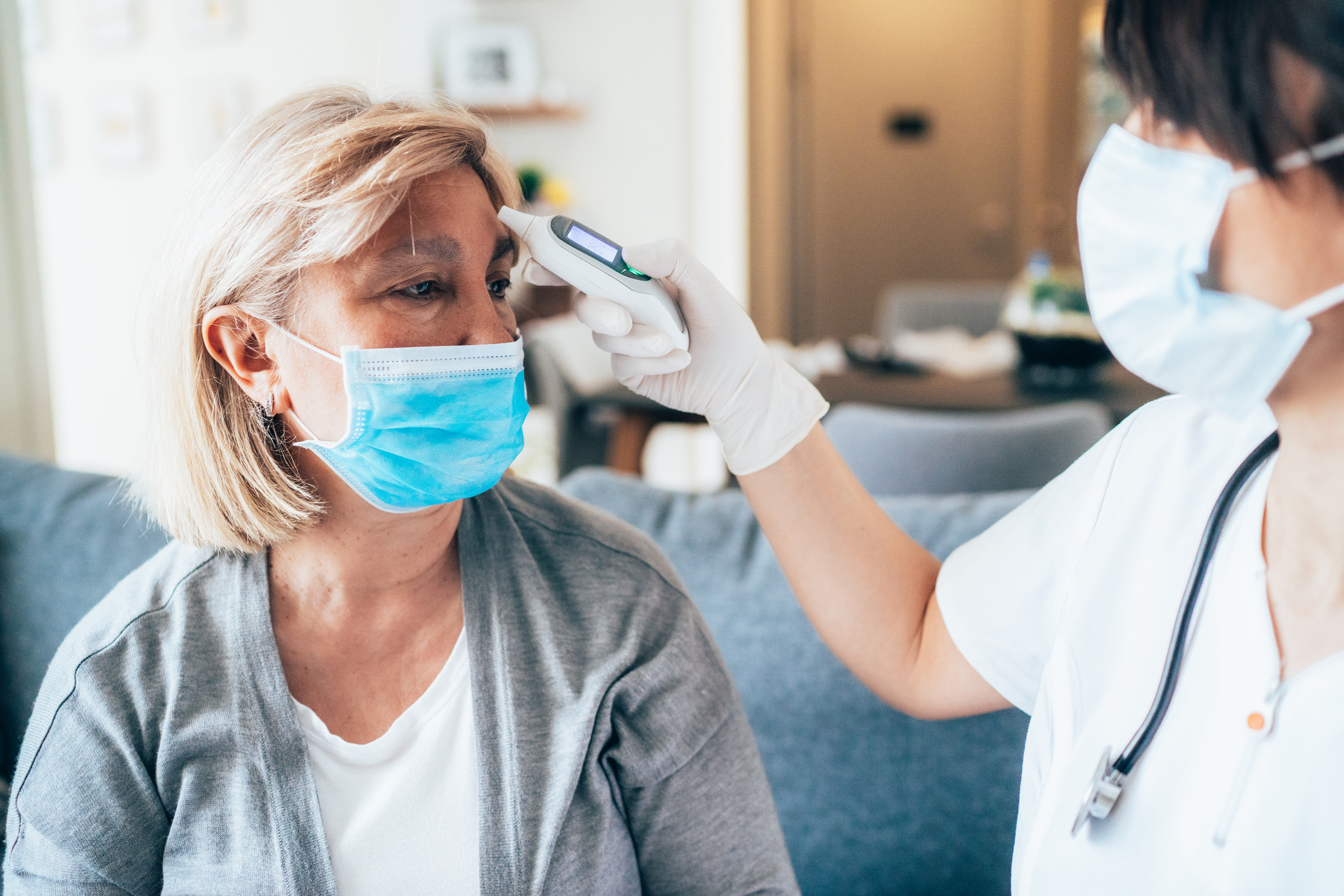
Screenings – Designated hospital employees will greet all patients and screen them for COVID-like symptoms upon arrival. 

Disinfection and Cleaning – Our team remains dedicated to thoroughly and repeatedly disinfecting and cleaning all patient care areas in accordance with CDC guidelines.

Limited Companions – For everyone’s safety and to avoid overcrowding, only parents or other required companions are permitted to accompany patients during their appointments.

Protective Equipment – All employees will be wearing the appropriate level of personal protective equipment (PPE) at all times.  All patients will be required to wear a face mask as well.

Working Together – All patients should monitor their health and report if they have tested positive for COVID-19, come in contact with someone who tested positive or experienced any related symptoms in the last 14 days.

Following these safety measures will allow us to deliver the highest-quality, person-centered care to our patients and community.


All content of this newsletter is intended for general information purposes only and is not intended or implied to be a substitute for professional medical advice, diagnosis or treatment. Please consult a medical professional before adopting any of the suggestions on this page. You must never disregard professional medical advice or delay seeking medical treatment based upon any content of this newsletter. PROMPTLY CONSULT YOUR PHYSICIAN OR CALL 911 IF YOU BELIEVE YOU HAVE A MEDICAL EMERGENCY.