
Flushing Hospital Launches BRAAVR Anti-Asian Hate Program

For Asian American and Pacific Islander communities, the difficulties and trauma associated with the COVID pandemic have been further intensified by instances of verbal and physical attacks fueled by anti-Asian racism. These acts can result in racial trauma, an effect caused by psychological and emotional injury.

Victims of racism may experience a variety of emotions, including:

  • Depression
  • Anxiety
  • Anger
  • Fear
  • Low self-esteem
  • Shame

To address this growing crisis in our community the MediSys Behavioral Health Network has created the Building Resilience Against Anti-Asian Violence & Racism (or BRAAVR) program. This community wellness program is designed to help the victims of anti-Asian racism receive counseling and support from culturally competent, multi-lingual mental health professionals. Services will be offered on-site, through the mobile crisis intervention program, or virtually through the telehealth program.

The service will also work with network and community-based providers to identify those in need of help and provide them with resources to better treat and provide referrals for appropriate care. The Behavioral Health team will also work with local organizations and elected officials to educate and raise awareness about this issue. Translated hand-outs are being distributed and educational content and links will be posted on Flushing Hospital’s website to help members of the community and local providers.

Patients wishing to make an appointment at Flushing Hospital’s Behavioral Health Center can call 718-206-7135.

All content of this newsletter is intended for general information purposes only and is not intended or implied to be a substitute for professional medical advice, diagnosis or treatment. Please consult a medical professional before adopting any of the suggestions on this page. You must never disregard professional medical advice or delay seeking medical treatment based upon any content of this newsletter. PROMPTLY CONSULT YOUR PHYSICIAN OR CALL 911 IF YOU BELIEVE YOU HAVE A MEDICAL EMERGENCY.

Flushing Hospital Receives Diagnostic Imaging Center of Excellence Designation

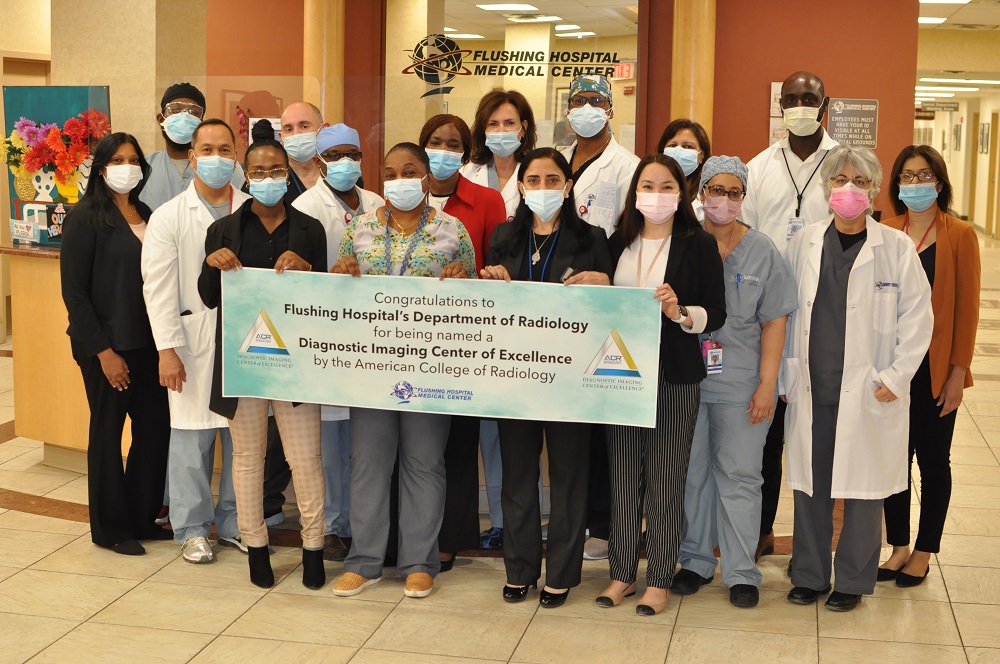
Flushing Hospital Medical Center is proud to receive Diagnostic Imaging Center of Excellence (DICOE) designation from the American College of Radiology (ACR).

To receive this elite distinction, facilities must be accredited by the ACR in all modalities they provide, and in which the ACR offers an accreditation program. Another requirement is participation in the Dose Index Registry® and General Radiology Improvement Database, as well as Image Wisely® and Image Gently® pledges. All of which are initiatives promoted by the ACR to ensure the delivery of safe, high-quality, and effective imaging care to patients.

Furthermore, facilities must demonstrate excellence at multiple levels.  Performance is measured by the successful completion of comprehensive assessments in the following areas:

  • Governance and personnel
  • Facility organization and management
  • Physical environment
  • Equipment and IT infrastructure
  • Radiation and general safety
  • Quality management
  • Policies and procedures
  • Patient rights and medical records

Flushing Hospital has exceeded the standard requirements of accreditation to achieve DICOE designation.  Patients of the hospital can be assured they are receiving the highest levels of imaging quality, safety, and care.

All content of this newsletter is intended for general information purposes only and is not intended or implied to be a substitute for professional medical advice, diagnosis or treatment. Please consult a medical professional before adopting any of the suggestions on this page. You must never disregard professional medical advice or delay seeking medical treatment based upon any content of this newsletter. PROMPTLY CONSULT YOUR PHYSICIAN OR CALL 911 IF YOU BELIEVE YOU HAVE A MEDICAL EMERGENCY.
The Importance of Safely Using Home Massage Devices

As technology has become more innovative, we have learned more about the best ways to recover after exercise. This includes the use of products such as handheld massage guns and electric back massagers that aid in the recovery process from the comfort of our homes. While these products have grown in popularity and can offer several benefits, some negative consequences can occur if not used properly.

Home massage devices work by stimulating the skin’s sensory cells, which stops muscles from contracting; therefore, relaxing them. They can also prevent soreness by increasing blood flow to the affected area, which helps the muscle’s healing process. “Think of it as a mini hammer, repeatedly impacting the soft tissue, causing blood flow to increase in that area,” said the Cleveland Clinic. Massaging muscles as a warmup or cooldown can also prepare them for physical activity and relieve lactic acid buildup that causes soreness.

While using hand-held massagers can be advantageous, it is important to remember that they can have an adverse effect on your health if used improperly.  For instance, using a massage device after an injury involving a sprain or a strain can only worsen the amount of pain or swelling you may experience.

You can prevent injuries or accidents by paying attention to warning signs that signal when you should stop using the device, such as skin irritation and redness or increased pain. It is also crucial to understand that these devices are not meant to be used on bones, nerves, or joints – only muscles.

Lastly, one of the most important things to know about using these products properly is to avoid self-diagnosis and treatment. Instead, consult a doctor before usage to ensure that you are using massage devices safely and effectively.

All content of this newsletter is intended for general information purposes only and is not intended or implied to be a substitute for professional medical advice, diagnosis or treatment. Please consult a medical professional before adopting any of the suggestions on this page. You must never disregard professional medical advice or delay seeking medical treatment based upon any content of this newsletter. PROMPTLY CONSULT YOUR PHYSICIAN OR CALL 911 IF YOU BELIEVE YOU HAVE A MEDICAL EMERGENCY.
Summer Allergies

If you are one of the millions of Americans who experience summertime allergies, you may want to control your seasonal symptoms with this allergy sufferer’s survival guide.

Summer allergies occur when your immune system tries to defend your body against substances that are harmless to others causing itchy or watery eyes, sneezing, wheezing, and an itchy, stuffy or runny nose.

About 50 million Americans suffer from year-round allergies to mold, dust, and pets. However, summer allergies are mostly triggered by trees, pollen, leaves, grasses and ragweed.

There isn’t a cure for allergies, but there are ways you can find relief.  If your symptoms are minor, there are over-the-counter antihistamines or nasal sprays that may help.

The most important thing to remember is that you do not have to suffer unnecessarily.  If over–the–counter remedies aren’t working, then it’s probably a good idea to seek the advice of a doctor.

To schedule an appointment with an Allergist at Flushing Hospital Medical Center, please call 718-670-5486

All content of this newsletter is intended for general information purposes only and is not intended or implied to be a substitute for professional medical advice, diagnosis or treatment. Please consult a medical professional before adopting any of the suggestions on this page. You must never disregard professional medical advice or delay seeking medical treatment based upon any content of this newsletter. PROMPTLY CONSULT YOUR PHYSICIAN OR CALL 911 IF YOU BELIEVE YOU HAVE A MEDICAL EMERGENCY.

Breakthrough COVID Cases

COVID-19 vaccines have proven effective in helping our bodies fight COVID and prevent serious illness.  Based on evidence gathered from clinical trials, Johnson and Johnson’s Janssen vaccine was found to be 66.3% effective in protecting us from the virus, Moderna’s vaccine 94.1%, and Pfizer- BioNTech’s vaccine 95%.

Although each vaccine offers a high level of protection, none are 100% effective in preventing illness in vaccinated people.  Therefore, a small percentage of fully vaccinated people can potentially get sick if they are exposed to the virus.  These occurrences are being referred to as “Vaccine Breakthrough Cases”

According to the Centers for Disease Control and Prevention (CDC), breakthrough cases are expected. However, they are very rare. A recent study conducted by the agency found that among the 101 million people vaccinated from January 1st to April 30th, there were just 10,262 breakthrough cases across 46 states.  This amounts to .01% of the population.

Despite concerns about breakthrough cases, the CDC is encouraging people to get vaccinated because the number of COVID-19 cases, hospitalizations, and deaths that will be prevented among vaccinated persons will far exceed the number of breakthrough cases.  Furthermore, there is some evidence that suggests vaccination may make symptoms less severe in those who are vaccinated, and still get sick.

It is important to note that COVID vaccines are most effective two weeks after a person is fully vaccinated.  Individuals are considered fully vaccinated after they have completed the recommended number of doses for the vaccine received.  Someone who tests positive for COVID-19 between doses or within the two-week period after receiving their final dose, would not be considered a breakthrough case.   The CDC defines breakthrough cases as people who test positive for the coronavirus 14 or more days after receiving their final shot.

While COVID vaccines play a vital role in stopping the spread of the virus, we must continue to practice safety measures to protect ourselves and others.  Wearing a mask, washing our hands, and practicing social distancing can bolster our efforts to prevent exposure and the transmission of COVID.

All content of this newsletter is intended for general information purposes only and is not intended or implied to be a substitute for professional medical advice, diagnosis or treatment. Please consult a medical professional before adopting any of the suggestions on this page. You must never disregard professional medical advice or delay seeking medical treatment based upon any content of this newsletter. PROMPTLY CONSULT YOUR PHYSICIAN OR CALL 911 IF YOU BELIEVE YOU HAVE A MEDICAL EMERGENCY.

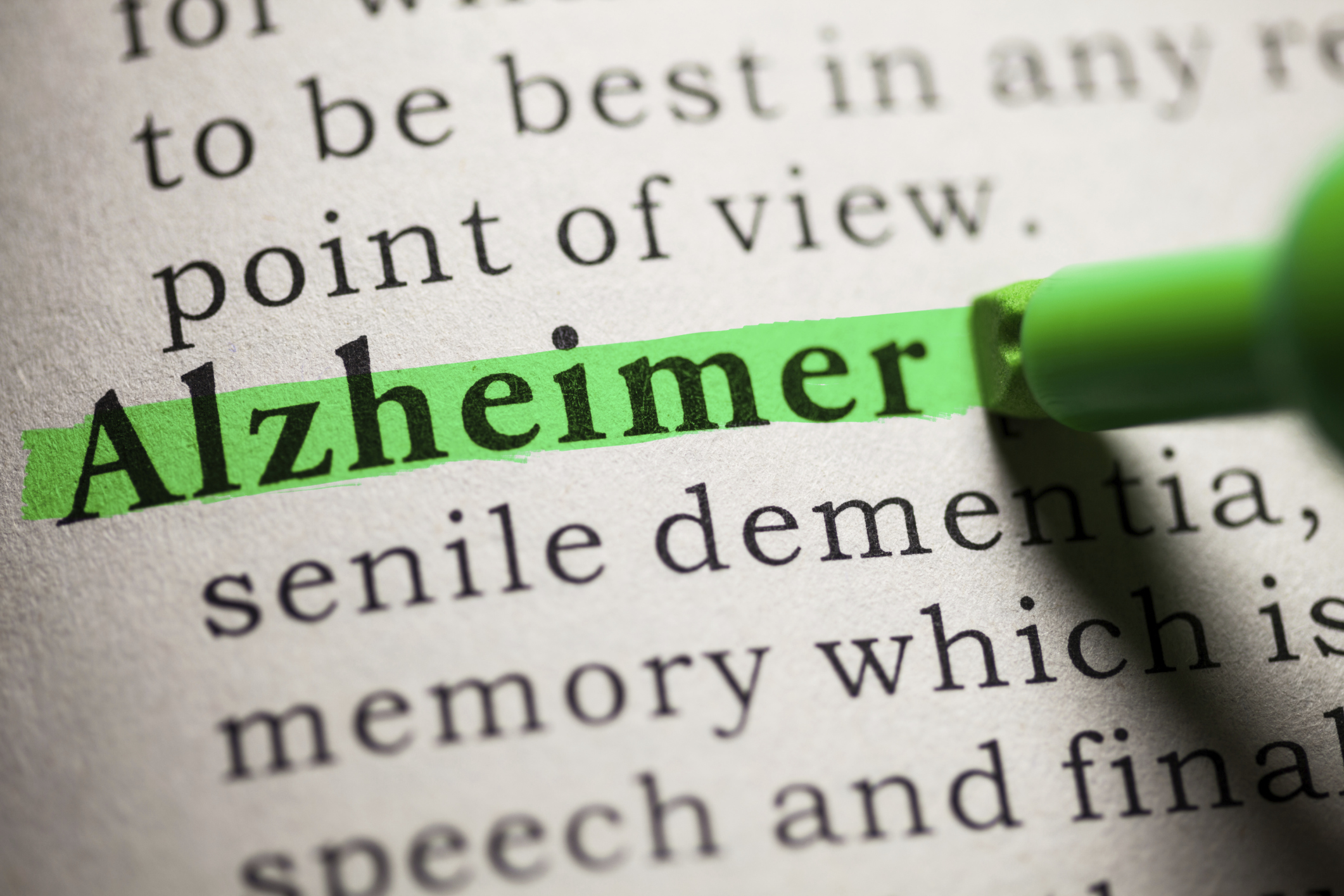
Alzheimer’s and Brain Awareness Month

June is Alzheimer’s and Brain Awareness Month which gives us the chance to make the public aware of dementia and Alzheimer’s disease being very important health issues.

Dementia and Alzheimer’s have profound effects on many people. There are an estimated 5 million people with the disease and 15 million people who are caring for them. It is said to be the sixth leading cause of death in the United States.

It has been said that Alzheimer’s is the only disease that can lead to death that cannot be slowed down, cured, or prevented. It acts by slowly killing brain cells which affect all of our ability to function normally.

Brain exercises may help mental functionality in areas of memory, focus, concentration, and understanding.

Some suggested ways to keep our brains healthy are:

  • Getting enough sleep
  • Staying physically active
  • Eating properly
  • Not smoking
  • Challenging your mind with social interaction
  • Taking classes
  • Being aware of challenges that could lead to depression

If you would like to schedule an appointment at Flushing Hospital, please call 718-670-5486.

All content of this newsletter is intended for general information purposes only and is not intended or implied to be a substitute for professional medical advice, diagnosis or treatment. Please consult a medical professional before adopting any of the suggestions on this page. You must never disregard professional medical advice or delay seeking medical treatment based upon any content of this newsletter. PROMPTLY CONSULT YOUR PHYSICIAN OR CALL 911 IF YOU BELIEVE YOU HAVE A MEDICAL EMERGENCY.
Summer Drinking: How Much Is Too Much?

According to research published in the Journals of Studies on Alcohol, ” Annual seasonality in alcohol use excluding drinking behavior in December, is highest in the summer.”

Higher consumption of alcoholic beverages in the summer may be linked to increased socialization during this time of year.   Alcoholic beverages are often served during summer gatherings such as barbeques, weddings, block parties, or beach parties.

Moderate drinking or having a drink on occasion is not a cause for concern for most adults. However, if alcohol consumption becomes too frequent, you may want to ask  “How many drinks are too many?” and ” Am I a heavy drinker?”

The National Institute on Alcohol Abuse and Alcoholism (NIAAA)  defines heavy drinking as follows:

  • For men, consuming more than 4 drinks on any day or more than 14 drinks per week
  • For women, consuming more than 3 drinks on any day or more than 7 drinks per week

The NIAAA states, “Alcohol misuse, which includes binge drinking and heavy alcohol use, increases your risk of harmful consequences.”  The risk for developing health conditions such as Alcohol Use Disorder (When a patient’s drinking interferes with their daily life)  increases with frequent heavy drinking.

If you think you have a problem with alcohol addiction, please contact Flushing Hospital Medical Center’s Addiction Treatment Division at (718) 670-5693 or (718) 670-5540.


All content of this newsletter is intended for general information purposes only and is not intended or implied to be a substitute for professional medical advice, diagnosis or treatment. Please consult a medical professional before adopting any of the suggestions on this page. You must never disregard professional medical advice or delay seeking medical treatment based upon any content of this newsletter. PROMPTLY CONSULT YOUR PHYSICIAN OR CALL 911 IF YOU BELIEVE YOU HAVE A MEDICAL EMERGENCY.
Flushing Hospital Receives NYSPQC Award

The Neonatal Intensive Care Unit at Flushing Hospital Medical Center was a  recent recipient of “The New York State Perinatal Collaborative (NYSPQC) Enteral Nutrition Improvement Project Improvement Award”

This award recognizes Flushing Hospital’s participation in the NYSPQC quality improvement initiative which goals are to maximize early enteric nutrition, minimize post-natal growth failure in preterm babies  (less than 31 weeks gestational age) and improve the outcomes in this vulnerable population of newborns.

As part of this initiative, Flushing Hospital’s Neonatal Intensive Unit Care team has worked to develop and implement policies and procedures to optimize the nutrition of preterm newborns by utilizing human milk as the only mode of enteric nutrition-initiating early nutrition, improve family-center care, decrease inequities, and foster a culture of safety and improvement. “This exemplary work was a collaborative effort of the entire NICU team, and we continue to keep our commitment to this goal to ensure ongoing success,” stated  Dr. Lourdes Cohen, Pediatrics Director.

Marilyn A. Kacicia, MD, MPH, Executive Director, New York State Perinatal Quality Collaborative, Medical Director. Division of Family Health, New York State Department of Health stated, “We congratulate and recognize the work the Flushing Hospital Medical Center’s birthing team has done to reach the goal of optimizing early enteral nutrition and postnatal growth among very preterm newborns. We thank you for your dedication to improving the health outcomes for these vulnerable newborns.”

All content of this newsletter is intended for general information purposes only and is not intended or implied to be a substitute for professional medical advice, diagnosis or treatment. Please consult a medical professional before adopting any of the suggestions on this page. You must never disregard professional medical advice or delay seeking medical treatment based upon any content of this newsletter. PROMPTLY CONSULT YOUR PHYSICIAN OR CALL 911 IF YOU BELIEVE YOU HAVE A MEDICAL EMERGENCY.

Importance of Getting Fully Vaccinated

More and more Americans are receiving their COVID-19 vaccination every day, which is cause for optimism. But those who receive the Pfizer or Moderna vaccines need to get both doses to be fully protected. Unfortunately, recent data has revealed that as many as 8% of people are not getting their second dose.

Research during the trial phase for each of the two-dose vaccines showed that, after a certain time, the rate of immunity to COVID-19 plateaued with just one dose but that the second dose helped boost the immunity to higher rates. Typically, these vaccines are only between 60% and 70% effective after the first dose, but approximately 90% effective after the second.

Trying to determine why up to 5 million Americans have skipped their second dose vary. In some instances, it could be due to a scheduling mishap or canceled appointments, but other reasons cited include the belief that one dose is enough or fear over side effects after a second dose.

There are multiple reasons why the second dose is so important.

  • Protecting Yourself – Probably the biggest reason for getting both doses is easy and obvious: better protection against COVID-19. With such high rates of effectiveness, getting both doses better protect you against not just getting COVID-19, but from serious illness and hospitalization.
  • Protecting Your Community – Just as important, the more protected you are against COVID-19, the more your family and friends are protected as well.
  • Achieving Herd Immunity – The more people get both shots, the closer we get to herd immunity. (Herd immunity, or population/community immunity, is when a large part of the population has gotten vaccinated or has enough antibodies to resist the infection).

It is also important to not get discouraged if you miss your scheduled second dose.  While it is recommended that you get your second dose of the Pfizer vaccine 3 weeks after the initial dose, and four weeks after for the Moderna vaccine, the CDC has stated that you can still get your second dose up to six weeks after the first shot for both vaccines. If you hesitated and think you missed your window, you may not have. You should check with your health care provider for guidance.


All content of this newsletter is intended for general information purposes only and is not intended or implied to be a substitute for professional medical advice, diagnosis or treatment. Please consult a medical professional before adopting any of the suggestions on this page. You must never disregard professional medical advice or delay seeking medical treatment based upon any content of this newsletter. PROMPTLY CONSULT YOUR PHYSICIAN OR CALL 911 IF YOU BELIEVE YOU HAVE A MEDICAL EMERGENCY.

What to Expect After Your Celiac Disease Diagnosis

celiac disease -485705368If you have received a diagnosis from your doctor that confirms you have celiac disease; it is natural to wonder what comes next.  Many doctors will offer guidelines that may include tips to live gluten-free. While these guidelines are essential, it is also very important that you truly understand your medical condition.

According to the Celiac Disease Foundation, celiac disease is defined as, “a genetic autoimmune disorder where the ingestion of gluten leads to damage in the small intestine.” It is estimated that the disease affects one in every one hundred people worldwide.  If left untreated, celiac disease can cause long-term health conditions such as gall bladder malfunction, infertility or miscarriage, pancreatic insufficiency, early onset osteoporosis or osteopenia as well as vitamin and mineral deficiencies.

In addition to having a better understanding of celiac disease, educating yourself about the changes to expect in your lifestyle, will prove helpful. Some of the changes include:

  • Discarding any food that contains gluten. This means sticking to a strict diet that excludes wheat, barley, farina, oats, rye and other items that are known to have gluten.
  • Excluding certain items from your diet may deprive you of some nutrients; it is recommended that you speak to your doctor about which vitamins and dietary supplements you should take.
  • Evaluating the ingredients in medications; some may have small amounts of gluten.
  • Taking care of your body by exercising and implementing more fruits and fresh vegetables into your diet.
  • Following up with your physician or dietitian as recommended. This is important as it will help them to monitor your nutritional intake and check for deficiencies.

Finding resources that can help you transition or stick to new your lifestyle such as your doctor, support groups, organizations such as the Celiac Disease Foundation, or a local hospital can help make life after your celiac diagnosis a little easier.

All content of this newsletter is intended for general information purposes only and is not intended or implied to be a substitute for professional medical advice, diagnosis or treatment. Please consult a medical professional before adopting any of the suggestions on this page. You must never disregard professional medical advice or delay seeking medical treatment based upon any content of this newsletter. PROMPTLY CONSULT YOUR PHYSICIAN OR CALL 911 IF YOU BELIEVE YOU HAVE A MEDICAL EMERGENCY.