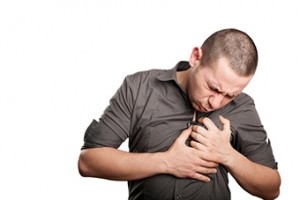
The Importance of Monitoring Chronic Illnesses During the COVID-19 Crisis

Many health care facilities have seen a decrease in people seeking care for chronic conditions due to the COVID-19 outbreak. This can be attributed to fears of being exposed to the virus in public places or the temporary suspension of certain services offered by healthcare providers.

Although the outbreak has caused alterations in the way we live, one thing that should remain unchanged for those living with chronic illnesses is monitoring their health. It is important that they pay attention to symptoms that warn of serious health problems, because ignoring them may put their lives at risk.

Symptoms of chronic illnesses that should not be ignored include:

  • Chest pain, pressure in your chest, shortness of breath or other heart attack symptoms
  • Sudden numbness, weakness, confusion, loss of vision or other stroke symptoms
  • Difficulty breathing
  • Heavy bleeding
  • High fever
  • Spikes in blood sugar (Diabetes)
  • Nausea

If these symptoms are persistent, please contact a physician for a medical consultation or seek emergency treatment. Medical facilities are well equipped to safely treat non-COVID-19 patients and many doctors are offering telehealth appointments. Some hospitals are also reopening their outpatient locations.

In addition to monitoring symptoms, it is important to maintain healthy habits. This can be achieved by keeping routine appointments (virtually or in person), taking prescribed medications, exercising, and eating a well-balanced diet.

If you have a non-COVID-19 related chronic medical condition or symptoms and would like to see a doctor, please contact Flushing Hospital Medical Center’s Ambulatory Care Center at 718-670-5486, to schedule an appointment.

All content of this newsletter is intended for general information purposes only and is not intended or implied to be a substitute for professional medical advice, diagnosis or treatment. Please consult a medical professional before adopting any of the suggestions on this page. You must never disregard professional medical advice or delay seeking medical treatment based upon any content of this newsletter. PROMPTLY CONSULT YOUR PHYSICIAN OR CALL 911 IF YOU BELIEVE YOU HAVE A MEDICAL EMERGENCY.

Q & A: Can COVID-19 Affect My Pregnancy?

A:   According to the Centers for Disease Control and Prevention (CDC), “We do not currently know if pregnant women have a greater chance of getting sick from COVID-19 than the general public nor whether they are more likely to have serious illness as a result.”

COVID-19 is a new disease. Therefore, we are learning more about how it spreads and the effects it can have on our health every day.  While we continue to learn more about COVID-19, we encourage women who are pregnant to exercise all recommended precautions to protect their health.  These measures include:

  • Frequently washing and sanitizing your hands
  • Frequently cleaning surfaces of your home
  • Avoiding people who are sick
  • Practicing social distancing

If you are pregnant and experiencing symptoms that include fever, cough, difficulty breathing, chills, headache, a new loss of smell, or taste please inform your doctor. Testing may be required to see if these symptoms are the result of COVID-19. If you have tested positive, you may require specialized care during pregnancy and delivery. After giving birth, there is the possibility that your baby may need to be separated from you. This separation helps to prevent you from infecting your baby.

It is important to remember that prenatal care is unique to each individual. Speak with your OB/GYN about their plans to monitor your pregnancy and protect your health during the COVID-19 outbreak.

All content of this newsletter is intended for general information purposes only and is not intended or implied to be a substitute for professional medical advice, diagnosis or treatment. Please consult a medical professional before adopting any of the suggestions on this page. You must never disregard professional medical advice or delay seeking medical treatment based upon any content of this newsletter. PROMPTLY CONSULT YOUR PHYSICIAN OR CALL 911 IF YOU BELIEVE YOU HAVE A MEDICAL EMERGENCY.

Stay At Home Tips

Practicing social distancing and staying at home is crucial in preventing the spread of the coronavirus, but isolating ourselves from others and disrupting our daily routines can be challenging. Here are some tips to help you during this difficult time:
  • Structure your day – Try creating a daily schedule. Make your own routines and break up the day in order to stave off monotony and keep everyone as busy as possible.
  • Stay active – Try an at-home workout that can help keep you moving and combat the sense of malaise and boredom that can come from being stuck inside day after day.
  • Identify new activities – Whether it is tackling a project at home that you have been putting off or discovering a new hobby, new activities can provide a sense of purpose or achievement.
  • Communicate – Staying in contact with others via telephone, text or social media not only staves off boredom, but it is also critical for minimizing the sense of isolation.
We hope these tips will help you get through this challenging time.

All content of this newsletter is intended for general information purposes only and is not intended or implied to be a substitute for professional medical advice, diagnosis or treatment. Please consult a medical professional before adopting any of the suggestions on this page. You must never disregard professional medical advice or delay seeking medical treatment based upon any content of this newsletter. PROMPTLY CONSULT YOUR PHYSICIAN OR CALL 911 IF YOU BELIEVE YOU HAVE A MEDICAL EMERGENCY.
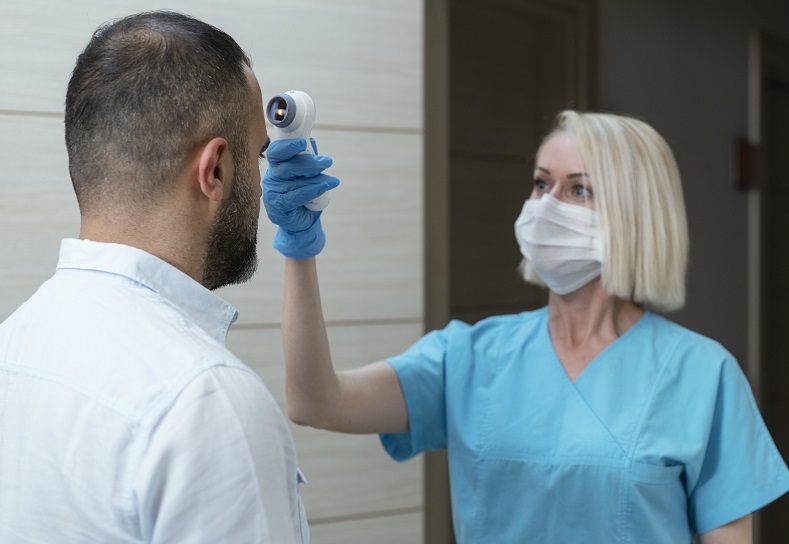
Chronic Fatigue Syndrome

ThinkstockPhotos-499259104Chronic Fatigue Syndrome (CFS) is a chronic illness that is of unknown origin. It typically leaves the patient feeling extremely tired, it may get worse with mental or physical activity, and usually does not improve with rest.

There are a few theories as to what causes the condition but none have been proven. Some physicians believe it may be caused by a viral infection or possibly caused by stress.

There are eight signs and symptoms of Chronic Fatigue Syndrome:
• Fatigue
• Loss of memory or concentration
• Sore throat
• Muscle pain that is unexplained
• Enlarged lymph nodes in neck or armpits
• Joint pain without swelling or redness
• Headaches
• Sleep that does not refresh the body
• Extreme exhaustion that lasts more than 24 hours

Some factors that may contribute to Chronic Fatigue Syndrome are:
• Age – Usually affects people in their 40’s and 50’s
• Gender – Affects women more often than men
• Stress – People under a lot of stress may develop the condition more frequently
• Depression
• Lifestyle restrictions – owing to physical disability or being homebound.

It is important to have a thorough check-up to make certain that there are no other chronic health issues that may be causing symptoms similar to chronic fatigue syndrome. There is no cure for the condition and treatment options are geared towards the improvement of the symptoms. In some cases, antidepressants may be used and sleeping pills which may aid in getting some rest.

All content of this newsletter is intended for general information purposes only and is not intended or implied to be a substitute for professional medical advice, diagnosis or treatment. Please consult a medical professional before adopting any of the suggestions on this page. You must never disregard professional medical advice or delay seeking medical treatment based upon any content of this newsletter. PROMPTLY CONSULT YOUR PHYSICIAN OR CALL 911 IF YOU BELIEVE YOU HAVE A MEDICAL EMERGENCY.
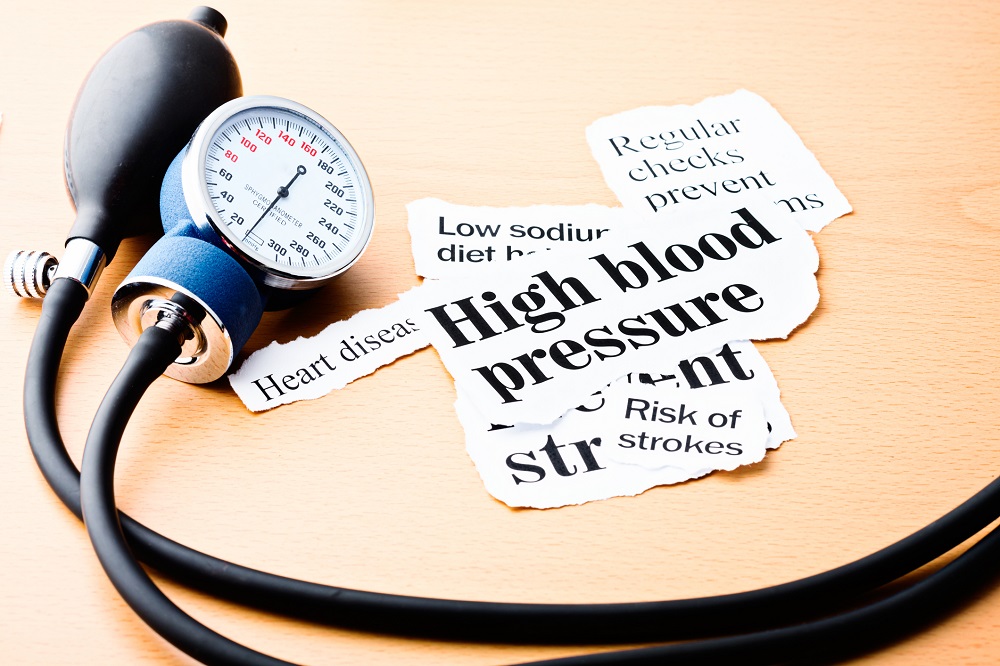
Flushing Hospital’s Nurse of The Month

Our nurses are the pillars of our community. In addition to meeting the demands of being a caregiver, they wear several hats including that of an educator, nurturer,  and comforter.

Not only do nurses care for patients; they provide support to families and loved ones during difficult times.

Our nurses pour their hearts into all aspects of their job, and this is one of the many reasons we celebrate their accomplishments.

Join us in congratulating Kelly Wong, RN for receiving Flushing Hospital Medical Center’s Nurse of the Month.

Meet Kelly:

Q&A:

Q: How long have you been working for FHMC? A: I have been working at Flushing Hospital for almost four years.

Q: On which unit do you currently work? A:   The Post Anesthesia Care Unit (PACU)

Q: Why did you want to become a nurse? A:  Nursing is a profession that is filled with passion, kindness and respect. My father always taught me, life is not only about money and possessions, but to have a kind heart and be a positive influence in society. I dedicate this to him because he is the reason I became a nurse. He taught me that it’s never wrong to help someone in need, there is no such thing as doing too many good deeds. When a patient and their family are going through their toughest times and obstacles in life, nurses are at the front line. To me, this is not only a job but a way to make a difference in people’s lives.

QWhat is the best part of your job? A: Knowing that I can make a difference and be there for patients when they need it the most. Being able to bring a sense of peace and comfort during difficult times. I love to hear stories from my patients and families. I can’t imagine doing anything else. When I go home each day, I feel accomplished knowing I did as much as I could for my patients and their families. It is truly an amazing profession.


All content of this newsletter is intended for general information purposes only and is not intended or implied to be a substitute for professional medical advice, diagnosis or treatment. Please consult a medical professional before adopting any of the suggestions on this page. You must never disregard professional medical advice or delay seeking medical treatment based upon any content of this newsletter. PROMPTLY CONSULT YOUR PHYSICIAN OR CALL 911 IF YOU BELIEVE YOU HAVE A MEDICAL EMERGENCY.

Signs of a Heart Attack You Shouldn’t Ignore

Heart attack is the number one cause of death in women and men in the United States.  It is estimated that one in every four deaths are caused by a heart attack. The Centers for Disease Control and Prevention reports, that only 27% of people know the warning signs of a heart attack and when to call 9-1-1. Knowing the signs of a heart attack and following the suggested guidelines can reduce the probability of death.

Warning signs differ with each individual; they may be mild or severe. For some the attack can be immediate while for others symptoms can begin days or weeks in advance. Heart attacks have several key symptoms and warning signs to be aware of, some of which include:

  • Chest pains or discomfort (This is the most common symptom)
  • A squeezing, aching  or pressure sensation in the chest or arms, this may spread to the back, neck, jaw or stomach
  • Shortness of breath
  • Breaking out into a cold sweat
  • Nausea and (or) vomiting
  • Dizziness

If someone is experiencing these symptoms, act immediately and call 9-1-1. While waiting for emergency response, if nitroglycerin is prescribed by a doctor it should be given as instructed. Aspirin can also help during a heart attack by reducing damage to the heart and preventing the blood from clotting. However aspirin should be administered only if recommended by a physician, as aspirin can have adverse effects if taken with certain medications.

Complications due to heart disease can be prevented by exercising, quitting smoking, eating heart- healthy foods such as salmon, getting regular health screenings, taking medication, reducing alcohol consumption and maintaining a healthy weight.

To make an appointment  to discuss, improve or maintain your heart health  call Flushing Hospital’s Ambulatory  Care Center at 718- 670-5486.

All content of this newsletter is intended for general information purposes only and is not intended or implied to be a substitute for professional medical advice, diagnosis or treatment. Please consult a medical professional before adopting any of the suggestions on this page. You must never disregard professional medical advice or delay seeking medical treatment based upon any content of this newsletter. PROMPTLY CONSULT YOUR PHYSICIAN OR CALL 911 IF YOU BELIEVE YOU HAVE A MEDICAL EMERGENCY.

Use Caution When Using a Space Heater This Winter

During the cold, winter months, when your home isn’t always as warm as you would like it to be, electric space heaters might seem like a convenient way of raising the temperature inside for you and your family.

ThinkstockPhotos-521707503

When used appropriately, space heaters can be a reliable source of supplemental heat for your home or workplace. Unfortunately for many, space heaters are used improperly or as a primary source of heat. When used under these conditions, space heaters can become dangerous. In fact, they are responsible for approximately one-third of all winter house fires and 80 percent of all winter heating fire deaths.

To ensure you are using a space heater the right way, follow these simple safety tips:

• Read the manufacturer’s instructions and warning labels carefully before operating your space heater.
• Make sure your space heater is assembled correctly. Look for cracks in the unit or loose or frayed wire or plugs.
• Only use your space heater as a heating device. Do not attempt to use it to warm bedding, cook food or dry clothing.
• Space heaters must be kept a safe distance away from anything that can burn, including newspapers, magazines, clothing, curtains or rugs.
• Never leave a space heater unattended. Turn it off when you’re leaving a room or going to sleep.
• Be sure to install smoke alarms on every floor of your home and outside all sleeping areas and test them once a month.
• Plug space heaters directly into a wall outlet. Do not use extension cords or power strips, which can overheat and result in a fire. Do not plug other electrical devices into the same outlet as the heater.
• Space heaters should always be positioned on a level surface. Never place heaters on furniture or uneven flooring.

Failure to comply with these recommendations can result in serious injury or even death.

All content of this newsletter is intended for general information purposes only and is not intended or implied to be a substitute for professional medical advice, diagnosis or treatment. Please consult a medical professional before adopting any of the suggestions on this page. You must never disregard professional medical advice or delay seeking medical treatment based upon any content of this newsletter. PROMPTLY CONSULT YOUR PHYSICIAN OR CALL 911 IF YOU BELIEVE YOU HAVE A MEDICAL EMERGENCY.

Winter Cold or Allergy?

The winter months can be challenging to your health. The drop in temperatures often results in symptoms that could be either a winter cold or allergies.

While many of the symptoms of colds and allergies are similar, the causes of each are very different.

Colds are contagious and they are contracted when a person is exposed to an individual infected with a cold virus.  Our body’s immune system will launch a counter attack against the virus. This response usually brings on the classic symptoms, such as a runny nose or cough.

An allergic reaction is caused by an overactive immune system that mistakes harmless things, such as mold or dust mites and attacks them. To combat what it thinks are germs, your body releases chemicals called histamines as a defense. The release of these histamines can cause a swelling of the nasal passages and result in coughing and sneezing. While many of the symptoms are similar, the easiest way to determine if you have a cold or are suffering from allergies is the duration of your condition. While most colds last from three to 14 days, allergies can last for months as long as the person is in contact with the allergen. Other differences are:

  • An allergic reaction will begin immediately after exposure to an allergen while cold symptoms usually take approximately three days to appear after exposure
  • A cold virus can sometimes cause fever and body aches while allergies never do
  • An allergic reaction can often result in itchy, watery eyes, which a cold rarely produces this type of reaction
  • Allergies are not contagious.

Once a determination between cold or allergy is made, the appropriate treatment can be applied.

There is no cure for a cold, but there are medications that can help alleviate the symptoms. Cough syrups, pain relievers, decongestant sprays, or multi-symptom cold relief medicines can all be used to help, but should only be taken after consulting your doctor, especially if you are taking other medications or if you have other underlying health conditions. Drinking plenty of liquids also speeds up the recovery process.

To treat allergies, your doctor may recommend an over-the-counter antihistamine to block the reaction to the allergens. There are many forms of antihistamines and some may cause drowsiness so be sure to look for the non-drowsy formula or only take them at night. Decongestants may also be suggested to relieve nasal congestion and avoid an infection.

All content of this newsletter is intended for general information purposes only and is not intended or implied to be a substitute for professional medical advice, diagnosis or treatment. Please consult a medical professional before adopting any of the suggestions on this page. You must never disregard professional medical advice or delay seeking medical treatment based upon any content of this newsletter. PROMPTLY CONSULT YOUR PHYSICIAN OR CALL 911 IF YOU BELIEVE YOU HAVE A MEDICAL EMERGENCY.

Flushing Hospital Medical Center Earns Age-Friendly Health System Status

Flushing Hospital Medical Center is proud to announce that we have earned an “Age-Friendly Health System” status; a designation that less than 20 percent of the health care facilities across the country have yet to receive.

Receiving an Age-Friendly status demonstrates that Flushing Hospital is committed to this rapidly growing movement to improve the health care for older adults.

This initiative was a collaborative effort founded in 2017 by the John A. Hartford Foundation, the Institute for Healthcare Improvement (IHI), the American Hospital Association (AHA), and the Catholic Health Association of the United States (CHA) with the intention of helping hospitals and other care settings implement a set of evidence-based interventions specifically designed to improve care for older adults.

The initiative is guided by a framework of essential elements known as the “4Ms”, which include:

  • What Matters – Communicating with our patients to better understand their personal and healthcare goals. This is achieved by asking a series of questions to the patient as well as family members or caregivers. Factors in what matters most to our patients could include end-of-life care, placement issues, or financial concerns.
  • Medication – Prescribing age-friendly medications that do not interfere with the goals of our older patients. This includes not prescribing certain medications that can affect a patient’s mobility and using our electronic medical record system to identify potentially inappropriate medications.
  • Mentation – Preventing, identifying, treating and managing mental health issues such as depression and dementia in our older patients. This involves conducting a mental health status examination.
  • Mobility – Ensuring that our older adult patients move safely and maintain function. This is done by getting our patients to ambulate more while in our care and by conducting a Fall Risk Assessment and providing mobility devices if necessary.

Receiving this designation was a collaborative effort led by Dr. Angelo Canedo and Dr. Alan Roth and included a leadership committee comprised of physicians, nurses, and hospital administrators. After a rigorous nine-month process that included educating all of our providers and submitting data that demonstrated the 4Ms have been incorporated into our practices.

The 4M initiative for treating older adults is currently being practiced throughout our network, by providers in our Emergency Departments, Ambulatory Care Centers, Inpatient Units, and in our long-term care facility

“Older adults deserve safe, high-quality healthcare. The Age-Friendly Health System initiative is an important part of our vision to provide it to them,” stated Dr. Alan Roth. “We worked very hard to achieve this goal and are extremely appreciative of those who contributed to helping us attain it.”

All content of this newsletter is intended for general information purposes only and is not intended or implied to be a substitute for professional medical advice, diagnosis or treatment. Please consult a medical professional before adopting any of the suggestions on this page. You must never disregard professional medical advice or delay seeking medical treatment based upon any content of this newsletter. PROMPTLY CONSULT YOUR PHYSICIAN OR CALL 911 IF YOU BELIEVE YOU HAVE A MEDICAL EMERGENCY.

Flushing Hospital’s Nurse of The Month

Our nurses are the pillars of our community. In addition to meeting the demands of being a caregiver, they wear several hats including that of an educator, nurturer,  and comforter.

Not only do nurses care for patients; they provide support to families and loved ones during difficult times.

Our nurses pour their hearts into all aspects of their job, and this is one of the many reasons why we celebrate their accomplishments.

Join us in congratulating Daniel Park, RN for receiving Flushing Hospital Medical Center’s Nurse of the Month.

Meet Daniel:

Q&A:

Q: How long have you been working for FHMC?
A:
I have been working at Flushing Hospital for 2 years and 6 months.

Q: On which unit do you currently work?
A: 
  4 North 2

Q: Why did you want to become a nurse?
A: 
My father had stomach cancer so, I wanted to have more knowledge about health care and to work in the health care field.

QWhat is the best part of your job?
A:
 The best part of my job is seeing how happy our patients and their families are when the patients get better and get to go home.

All content of this newsletter is intended for general information purposes only and is not intended or implied to be a substitute for professional medical advice, diagnosis or treatment. Please consult a medical professional before adopting any of the suggestions on this page. You must never disregard professional medical advice or delay seeking medical treatment based upon any content of this newsletter. PROMPTLY CONSULT YOUR PHYSICIAN OR CALL 911 IF YOU BELIEVE YOU HAVE A MEDICAL EMERGENCY.