
Mourning The Loss Of A Loved One During The Holiday Season

 The holiday season is a time for making new and happy memories with the ones we love. It can also be a time when we remember and mourn those we lost. The sentiment of the season can magnify your sense of loss and make coping with the death of a loved one even more difficult.

While there is no remedy for heartache we can offer a few tips to help you cope with grief during the holidays: 

Allow others to help – The love and support from others around you can be instrumental in helping you during a time of grief. Do not be afraid or embarrassed to ask for help. Consider joining a support or bereavement group. 

Accept your feelings – If you are feeling sad do not feel guilty if others are unsuccessful in trying to cheer you up. Allow yourself time to work through this emotion and set realistic expectations for yourself. On the contrary, do not feel guilty for enjoying the holidays. Experiencing joy does not mean you are grieving your loved one any less. 

Cut back – If the activities of the holidays are too much to bear, it is okay to scale back. An example of cutting back is limiting the number of holiday parties you host or attend. 

Memorializing those who have passed- Memorializing the loss of a loved one can be therapeutic. Participating in ceremonies in their honor, making a new tradition or donating to a charity on their behalf are some of the ways you can memorialize the person you lost. 

Take care of yourself-This is the time to be most in touch with your emotional and physical health. If you realize that your sadness begins to develop into feelings of hopelessness, or you are displaying other signs of depression, seek the help of a mental health professional as soon as possible. Be mindful of your physical health by ensuring that you are eating properly, getting enough sleep, and exercising.

The process of grief varies from person to person. Using some of these tips may not make your emotions go away but they can help you cope. Learn what works best for you and remember to pay attention to negative changes in your physical and mental health. If you are beginning to feel overwhelmed by these changes, do not hesitate to seek the help of your doctor or mental health professional.

All content of this newsletter is intended for general information purposes only and is not intended or implied to be a substitute for professional medical advice, diagnosis or treatment. Please consult a medical professional before adopting any of the suggestions on this page. You must never disregard professional medical advice or delay seeking medical treatment based upon any content of this newsletter. PROMPTLY CONSULT YOUR PHYSICIAN OR CALL 911 IF YOU BELIEVE YOU HAVE A MEDICAL EMERGENCY.
Cranberry Apple Hazelnut Crumble

Flushing Hospital Medical Center Registered Dietitian Jessica Hyman is sharing one of her favorite holiday recipes.

Serves 8  

Ingredients
12 oz fresh cranberries
3 apples, peeled, sliced
1 orange, zest and juice
1/2 cup coconut palm sugar (or brown sugar), divided
1 cup old-fashioned oats, gluten-free
1/4 cup whole grain, gluten-free flour (eg, quinoa, sorghum, or millet flour)
1/3 cup hazelnuts, chopped
1 tsp cinnamon
1 tsp cardamom
1/2 tsp ginger, ground
Pinch salt (optional)
1/4 cup coconut oil, melted, cooled

Directions
1. Preheat oven to 375° F.

2. Mix cranberries and apples together in a medium bowl. Add the zest and juice of one orange and the sugar and toss well.

3. Pour filling into a 9-inch pie dish.

4. In a small bowl, mix together oats, flour, hazelnuts, cinnamon, cardamom, ginger, and salt (optional). Stir in coconut oil with a fork to make a crumbly mixture.

5. Sprinkle crumb topping over cranberry apple filling and bake uncovered for 1 hour.

Nutrient Analysis per serving
Calories: 251; Total fat: 12 g; Sat fat: 6 g; Sodium: 6 mg; Total carbohydrate: 35 g; Dietary fiber: 5 g; Sugars: 21 g; Protein: 3 g

— Recipe and photograph courtesy of Sharon Palmer, MSFS, RDN

All content of this newsletter is intended for general information purposes only and is not intended or implied to be a substitute for professional medical advice, diagnosis or treatment. Please consult a medical professional before adopting any of the suggestions on this page. You must never disregard professional medical advice or delay seeking medical treatment based upon any content of this newsletter. PROMPTLY CONSULT YOUR PHYSICIAN OR CALL 911 IF YOU BELIEVE YOU HAVE A MEDICAL EMERGENCY.

Plantar Fasciitis

Plantar Fasciitis treatment in queens

Have you ever experienced heel pain when you take those first few steps in the morning? The cause of this discomfort may be due to a tightening of the band of tissue known as the plantar fascia that runs along the bottom of the foot, from the heel to the toes.

When this ligament becomes strained, irritated, inflamed or swollen and causes pain when walking, the condition is known as plantar fasciitis.

Risk factors and causes of plantar fasciitis:

•High foot arches
•Flat feet
•Standing or walking on a hard surface for long periods of time
•Being overweight or obese
•Poor fitting shoes
•Tight Achilles tendons or calf muscles
•Tiny tears in the plantar fascia caused by repetitive straining
A proper diagnosis of plantar fasciitis is made by a physical examination of the foot and obtaining a comprehensive medical history of the patient. An x-ray or an MRI may be needed to see if there is a bone fracture that is causing the problem, also to determine if there is a bone spur present on the bottom of the heel.

Treatment of plantar fasciitis can involve taking an anti-inflammatory medication, physical therapy, stretching exercises, shoe inserts known as orthotics, steroid injections, and ultrasound. In severe cases, a surgical procedure may be necessary to provide relief.

All content of this newsletter is intended for general information purposes only and is not intended or implied to be a substitute for professional medical advice, diagnosis or treatment. Please consult a medical professional before adopting any of the suggestions on this page. You must never disregard professional medical advice or delay seeking medical treatment based upon any content of this newsletter. PROMPTLY CONSULT YOUR PHYSICIAN OR CALL 911 IF YOU BELIEVE YOU HAVE A MEDICAL EMERGENCY.

Do You Have Trouble Identifying Colors? You Might Be Color Blind!

Red, orange, yellow, green, blue, indigo, violet – the colors of the rainbow; most of us can identify and distinguish each of these colors from the rest, but for those who are color blind, telling these colors apart is not so easy.

ThinkstockPhotos-482328524

As much as 8% of men are color blind, (compared to only 0.5 % of women). Why are men so much more prone to color blindness? Well, the reason for colorblindness is a dysfunction in the x chromosome. Men only have one X chromosome, but women have two – and all someone needs is one working x chromosome to compensate for the loss of function of the other.

Being color blind doesn’t really mean that a person can’t see color though. Complete color blindness is actually very rare. What is much more common is a visionary deficiency, which means a person isn’t aware of the differences among colors. Some deficiencies are profound while others are mild. In fact, some people who don’t have a severe form of color blindness are not even aware they have the condition.

The most common type of color blindness is an inability to distinguish between red and green. While there is no cure for color blindness, those who are red-green colorblind can actually use a special set of lenses to help them perceive colors more accurately. There are even apps now available on smartphones to help people differentiate colors.

While some people go their entire lives unaware they are color blind, most are diagnosed as children. This is because educational material is often color-coded, so when a child has trouble processing information, color blindness can be identified as the reason.

Eye care professionals can use a variety of tests to diagnose color blindness. The most common tests use a series of colored circles with overlapping color shapes inside of them. These shapes are easily identifiable to people who have normal color vision but are difficult to see for people who are color blind.

To have yourself, or your child tested for color blindness, please consult with your primary care doctor or ophthalmologist.

All content of this newsletter is intended for general information purposes only and is not intended or implied to be a substitute for professional medical advice, diagnosis or treatment. Please consult a medical professional before adopting any of the suggestions on this page. You must never disregard professional medical advice or delay seeking medical treatment based upon any content of this newsletter. PROMPTLY CONSULT YOUR PHYSICIAN OR CALL 911 IF YOU BELIEVE YOU HAVE A MEDICAL EMERGENCY.
Flushing Hospital’s Nurse of The Month

Our nurses are the pillars of our community. In addition to meeting the demands of being a caregiver, they wear several hats including that of an educator, nurturer,  and comforter.

Not only do nurses care for patients; they provide support to families and loved ones during difficult times.

Our nurses pour their hearts into all aspects of their job, and this is one of the many reasons why we celebrate their accomplishments.

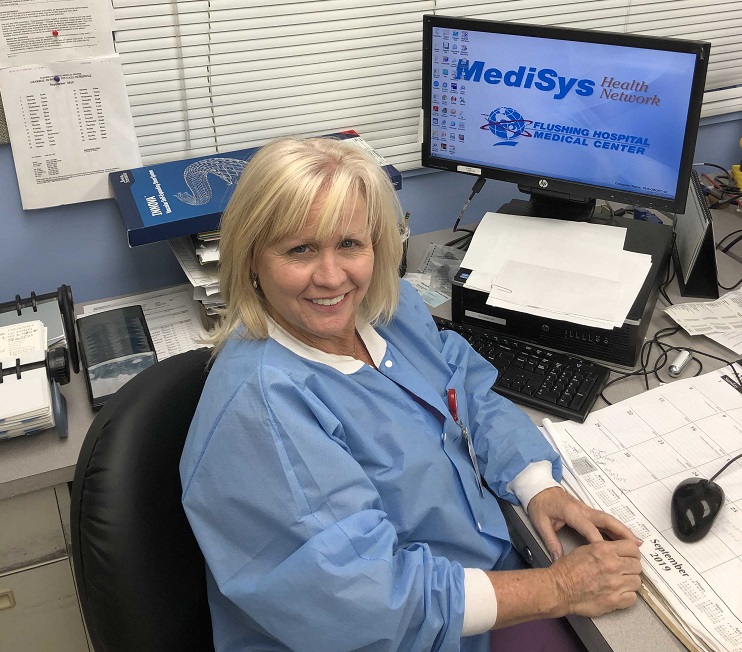
Join us in congratulating Eric Fernandez, RN for receiving Flushing Hospital Medical Center’s Nurse of the Month.

Meet Eric:

Q&A:

Q: How long have you been working for FHMC?
A:
I have been working at Flushing Hospital since 2007.

Q: On which unit do you currently work?
A: 
  2 West – Detox

Q: Why did you want to become a nurse?
A: 
I wanted to become a nurse because I love helping people. I want to see people do well and recover.

QWhat is the best part of your job?
A:
 The best part of my job is when patients come back to visit and say they have been clean and sober thanks to our help. Sometimes as nurses our smallest gestures can make a large impact on the lives of our patients. A smile or a few positive words of encouragement can make a difference. Compassion is everything. I am happy that I work on a team that shares this same philosophy.


All content of this newsletter is intended for general information purposes only and is not intended or implied to be a substitute for professional medical advice, diagnosis or treatment. Please consult a medical professional before adopting any of the suggestions on this page. You must never disregard professional medical advice or delay seeking medical treatment based upon any content of this newsletter. PROMPTLY CONSULT YOUR PHYSICIAN OR CALL 911 IF YOU BELIEVE YOU HAVE A MEDICAL EMERGENCY.

It’s GERD Awareness Week – Learn How to Avoid This Digestive Disorder

Perhaps there is no other day of the year associated with eating more than Thanksgiving. With so much attention being paid to food consumption, it is fitting that this week we also raise awareness about a health condition that affects the digestive system.

November 18-24, 2019 has been designated Gastroesophageal Reflux Disease (or GERD) Awareness Week. GERD, is a very common disorder that occurs when stomach acid or bile flows into the food pipe and irritates the lining.

After it is swallowed, food travels down the esophagus where it stimulates cells in the stomach to produce acid and pepsin (an enzyme), which aid the digestion process. A band of muscle at the lower part of the esophagus, called the lower esophageal sphincter (LES), acts as a barrier to prevent the back-flow. Gastroesophageal reflux occurs when the LES is weak or relaxes inappropriately, allowing the stomach’s contents to flow up into the esophagus.

Chronic heartburn is the most frequently reported symptom of GERD. Acid regurgitation (refluxed acid into the mouth) is another common symptom. Other symptoms can include belching, difficulty or pain when swallowing, or waterbrash (sudden excess of saliva). GERD may also lead to chronic sore throat, laryngitis, throat clearing, chronic cough, and other oral complaints such as inflammation of the gums and erosion of the enamel of the teeth.

Dietary and lifestyle choices can contribute to GERD. Certain foods and beverages, including chocolate, peppermint, fried or fatty foods, coffee, or alcohol may trigger reflux. Studies show that smoking can relax the LES and contribute to this condition. People who are obese are more prone to developing GERD symptoms.

Doctors recommend lifestyle and dietary changes for most people needing treatment for GERD. Along with lifestyle and diet changes, your doctor may also recommend over-the-counter remedies, or, in serious cases, prescribe medications designed to reduce acid in the stomach.

All content of this newsletter is intended for general information purposes only and is not intended or implied to be a substitute for professional medical advice, diagnosis or treatment. Please consult a medical professional before adopting any of the suggestions on this page. You must never disregard professional medical advice or delay seeking medical treatment based upon any content of this newsletter. PROMPTLY CONSULT YOUR PHYSICIAN OR CALL 911 IF YOU BELIEVE YOU HAVE A MEDICAL EMERGENCY.

November is Diabetes Awareness Month

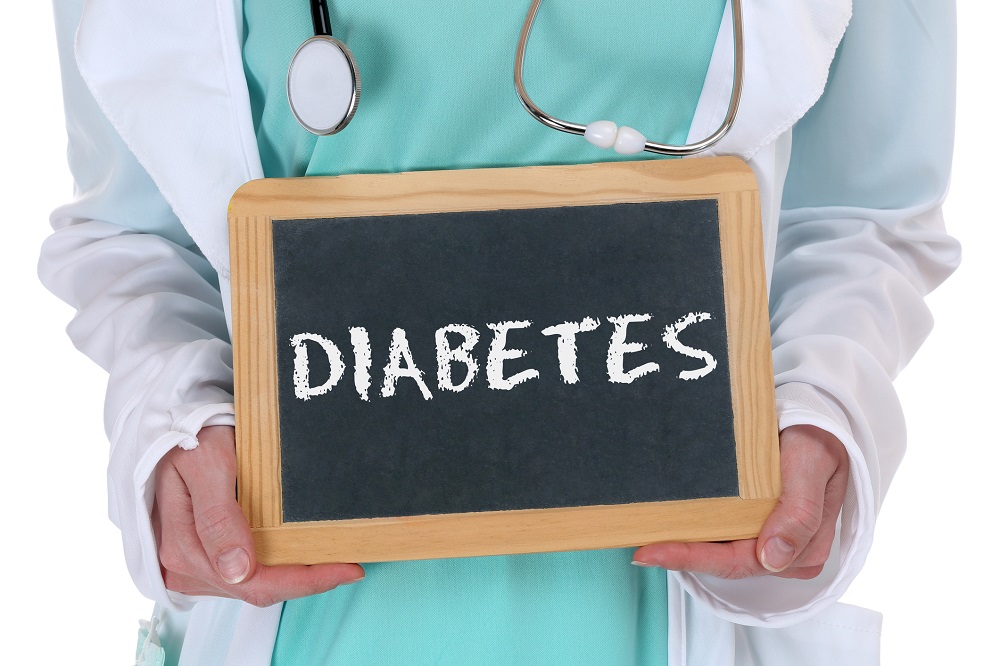
Every year the month of November is recognized nationally as Diabetes Awareness Month. According to the American Diabetes Association, 25.8 million people have this disease, however, only 18.8 million have been diagnosed. An additional 79 million people in the United States are believed to have pre-diabetes.

Diabetes affects different race and ethnic groups more frequently than others. The prevalence of diabetes has been calculated to affect 7.1 % of Caucasians, 8.4% of Asian Americans, 12.6% of African Americans and 11.8 % of Hispanics. Diabetes is considered a chronic illness that leads to it being a cause of death, either directly or through a complication due to the disease. Some of the complications associated with diabetes are hypertension, blindness, heart disease and stroke, kidney disease, neuropathy, and amputations.

Diabetes is a chronic illness for which there is no known cure. It can, however, be treated successfully in many people, and very often these people lead long and healthy lives. Having a family history of diabetes can be a risk factor for developing the disease but not a guarantee that a person will definitely develop it. Other risk factors include obesity, poor diet, having diabetes during pregnancy, race and ethnicity, being over the age of 45, lack of exercise, and having high blood pressure.

Some of the symptoms of diabetes are frequent urination, frequently feeling thirsty, blurry vision, fatigue, feeling hungry even after having just eaten a meal or a snack, wounds that are slow to heal, numbness or tingling in the extremities, and in some cases, weight loss.

The three most common forms of diabetes are Type 1 which indicates a lack of insulin production by the pancreas, Type 1 is most commonly associated with children and young adults. Type 2 diabetes is when the body produces insulin but it is not utilized adequately by the body, also known as adult-onset diabetes and the most commonly diagnosed form of the disease. Gestational Diabetes occurs occasionally during pregnancy and then frequently resolves itself once the pregnancy is completed.

Diabetes is diagnosed through blood tests. Once the diagnosis is confirmed, a physician will discuss treatment options that will work for that individual. Often this will include either an oral medication in cases that are less severe or insulin injections for more serious cases, combined with diet modification and possibly an exercise regime. It is extremely important to keep diabetes well controlled. Uncontrolled diabetes can lead to serious complications that may be irreversible and can lead to blindness, heart disease, stroke and premature death.

All content of this newsletter is intended for general information purposes only and is not intended or implied to be a substitute for professional medical advice, diagnosis or treatment. Please consult a medical professional before adopting any of the suggestions on this page. You must never disregard professional medical advice or delay seeking medical treatment based upon any content of this newsletter. PROMPTLY CONSULT YOUR PHYSICIAN OR CALL 911 IF YOU BELIEVE YOU HAVE A MEDICAL EMERGENCY.
Vaccinations For Older Adults

Vaccinations for Seniors

Most people understand the importance of getting their children vaccinated. A great deal of attention has been paid to protecting them from dangerous conditions that could affect their undeveloped immune systems. Although much attention has been paid to the youngest portion of our population, there is another at-risk group that needs to be aware of vaccines that can help keep them healthy – our senior citizens.

There are many vaccines recommended for older adults but unfortunately, many seniors do not receive them.  Failure to do so can lead to serious consequences because as we age our immune systems weaken and the likelihood of developing serious complications increases greatly.

There are four suggested vaccines that all adults over the age of 65 should receive. They are:

  • Influenza vaccine – It is estimated that approximately 30 percent of seniors do not receive their annual flu shot. This is alarming because according the Centers for Disease Control and Prevention (CDC), approximately 85 percent of all seasonal flu-related deaths are among people 65 and older. Getting a flu shot every year can drastically decrease the chances of getting the flu and the complications that accompany it.
  • Pneumococcal vaccine – Older adults are much more likely to develop complications from the pneumococcal bacteria, such as blood infections, meningitis and pneumonia itself. Pneumococcal disease is responsible for the deaths of about 18,000 individuals over the age of65 each year. To protect against pneumonia it is recommended that all adults over 65 receive a series of two vaccines administered one year apart.
  • Tdap booster – This vaccine provides protection against three conditions – tetanus, diphtheria and pertussis. This is especially important for older adults who spend time around infants, such as grandchildren since pertussis, also known as the whopping cough, is a highly contagious respiratory infection that can be life-threatening to babies. Even if you received this vaccine as a child it’s important to get the booster as its effectiveness wanes over time.
  • Shingles vaccine – The infection herpes zoster develops when the chickenpox virus, which lies dormant in almost all adults who had chickenpox as a child, reactivates later in life.  When it returns it can cause a blistering painful rash. It is recommended that all adults over the age of 50 receive the shingles vaccine, even if they already had shingles. The latest and most effective shingles vaccine is given in two doses, six months apart.

All older adults should adhere to these vaccinations to protect not only themselves but their loved ones as well. If you are over 65, speak to your doctor to find out if you are up to date with all your recommended vaccines.  If you would like to make an appointment with a doctor at Flushing Hospital’s Ambulatory Care Center, please call 718-670-5486.

All content of this newsletter is intended for general information purposes only and is not intended or implied to be a substitute for professional medical advice, diagnosis or treatment. Please consult a medical professional before adopting any of the suggestions on this page. You must never disregard professional medical advice or delay seeking medical treatment based upon any content of this newsletter. PROMPTLY CONSULT YOUR PHYSICIAN OR CALL 911 IF YOU BELIEVE YOU HAVE A MEDICAL EMERGENCY.

Flushing Hospital’s Nurse Of The Month

Our nurses are the pillars of our community. In addition to meeting the demands of being a caregiver, they wear several hats including that of an educator, nurturer,  and comforter.

Not only do nurses care for patients; they provide support to families and loved ones during difficult times.

Our nurses pour their hearts into all aspects of their job, and this is one of the many reasons why we celebrate their accomplishments.

Join us in congratulating Vedautie “Veda” Seepersad, RN for receiving Flushing Hospital Medical Center’s Nurse of the Month.

Meet Veda:

Veda - Flushing Hospital Nurse of the Month

Q&A:

Q: How long have you been working for FHMC?
A:
I have been working at Flushing Hospital for fifteen years

Q: On which unit do you currently work?
A: 
 I work on the Telemetry/Stroke unit

Q: Why did you want to become a nurse?
A: 
I wanted to become a nurse because nursing is a compassionate, interesting, caring and rewarding profession. As a nurse, I can use my professional skills to work with people anywhere in the world. My humble approach and positive attitude towards patients and families make a difference in their lives. Having been a patient, I know how it feels to be lying in a bed so I treat all my patients with love and respect and do my best to take care of their needs.

QWhat is the best part of your job?
A:
 The best part of my job is working with my peers and teaching my new nurses. I feel rewarded when patients and families are satisfied and appreciative of the nursing care provided. Recently I had a patient who coded and expired. I had the opportunity to be with the patient knowing there was no family present. I was able to hold her hands while she passed. When the family arrived they were so appreciative and praised me for an awesome job well done knowing her mother did not die alone.

All content of this newsletter is intended for general information purposes only and is not intended or implied to be a substitute for professional medical advice, diagnosis or treatment. Please consult a medical professional before adopting any of the suggestions on this page. You must never disregard professional medical advice or delay seeking medical treatment based upon any content of this newsletter. PROMPTLY CONSULT YOUR PHYSICIAN OR CALL 911 IF YOU BELIEVE YOU HAVE A MEDICAL EMERGENCY.

Flushing Hospital’s Dr. Chad P. Gehani Elected President of The American Dental Association

Chade Gehani

Photo Courtesy of Dr. Chad Gehani

Founded in 1859, the American Dental Association (ADA) is our nation’s oldest and largest dental association.  For more than 150 years the organization has been known nationally and internationally as the leading resource on all things related to oral health. Many of the oral care guidelines we are familiar with today were established by the American Dental Association and hundreds of dental care products that we use boast the ADA’s Seal of Acceptance as a symbol of quality assurance.

Recently chosen to lead this globally recognized and influential American institution is Queen’s own Dr. Chad P. Gehani, Chair of Endodontics at Flushing Hospital Medical Center. Dr. Gehani was elected as the 156th President of the American Dental Association in September.

Becoming President of the ADA once seemed like a dream that Dr. Gehani was uncertain would come true.  In an interview in ADA News, he recalled a conversation he had with his father many years ago, “I called my father and said, ‘I’m now an American citizen and now a member of the ADA.’ He was very proud and actually said to me, ‘I want to see you as president of that association.’ And of course, in my mind, that was not doable for me so I just laughed at him. That was not in my cards.”   His father’s unwavering faith in his son’s abilities provided the motivation needed to help Dr. Gehani realize this dream could become a reality.

As President, Dr. Gehani often describes his role as a servant-leader.   He will lead the close to 200,000 members of the ADA while advocating for patients’ rights to access quality oral healthcare- especially those living in communities that are underserved.   Dr. Gehani aims to improve patient outcomes and provide the guidance needed to help them make informed decisions about their treatment options.

In addition to his role as President of the ADA, Dr. Gehani continues to serve as a mentor to dental residents at Flushing Hospital where he has worked for over two decades.  As Chair of Endodontics, he focuses on offering high-quality dental services to patients and providing resources to benefit the community.   His devotion to bettering the communities he serves has earned him the Ellis Island Medal of Honor- presented to individuals who exemplify a life dedicated to community service.

“We are proud to have Dr. Gehani as Chair of Endodontics at Flushing Hospital and just as proud that he has been elected President of the American Dental Association.  Dr.  Gehani abides by a strict code of ethics which is reflected in the work that he does.  He is very community-oriented which is the culture promoted here at our hospital,” said Mr. Robert Levine, Executive Vice President and COO of Flushing Hospital.

Each year, Flushing Hospital collaborates with the American Dental Association to promote the Give Kids a Smile Program, providing a day of free preventative dental care to children in the community.   The hospital’s dental department also offers free dental screenings, oral cancer screenings, and oral health education in schools, nursing homes, assisted living facilities, and several local organizations.

All content of this newsletter is intended for general information purposes only and is not intended or implied to be a substitute for professional medical advice, diagnosis or treatment. Please consult a medical professional before adopting any of the suggestions on this page. You must never disregard professional medical advice or delay seeking medical treatment based upon any content of this newsletter. PROMPTLY CONSULT YOUR PHYSICIAN OR CALL 911 IF YOU BELIEVE YOU HAVE A MEDICAL EMERGENCY.