
Health Conditions Caused by Obesity

Obesity is defined as a chronic condition that is  measured as a numerical value of a person’s body mass index (BMI) in proportion to their height. BMI indicates how much fat a body has.  The ideal BMI for an adult is between 20kg/m2 and 24.9kg/m2. A person whose BMI exceeds 30kg/m2 is considered to be obese , and when that number is greater than 40kg/m2  they are considered to be morbidly obese.

It is estimated that more than 40 percent of people in the United States can be considered obese.

Some of the health conditions they may develop as a result of obesity include:

  • Osteoarthritis
  • Type 2 diabetes
  • Elevated cholesterol
  • Fatty liver disease
  • Gout
  • High blood pressure
  • Atherosclerosis
  • Kidney disease
  • Infertility
  • Sleep apnea
  • Gestational diabetes
  • Cancer
  • Nonalcoholic fatty liver disease
  • Psychosocial issues
  • Sexual function issues
  • Stroke
  • Breathing problems

A person who is moderately obese can lower their BMI by weight loss and through exercise. In some cases this may not be sufficient and may require medical or surgical intervention.  Flushing Hospital offers a comprehensive approach to weight loss. If you would like to schedule an appointment with a physician who can help with your weight loss goals, please call 718-670-8908 0r 718-408-6977.

All content of this newsletter is intended for general information purposes only and is not intended or implied to be a substitute for professional medical advice, diagnosis or treatment. Please consult a medical professional before adopting any of the suggestions on this page. You must never disregard professional medical advice or delay seeking medical treatment based upon any content of this newsletter. PROMPTLY CONSULT YOUR PHYSICIAN OR CALL 911 IF YOU BELIEVE YOU HAVE A MEDICAL EMERGENCY.
Thyroid Eye Disease

Thyroid eye disease (or TED) is a condition that causes the immune system to attack the muscles and other tissues around the eyes. The condition is most commonly associated with Graves’ disease, which is an autoimmune disorder that attacks the thyroid gland, causing it to produce more thyroid hormone than the body needs.

In most cases people who develop TED are already diagnosed with Graves’ disease, but for some, it is the first indicator of thyroid problem.  Approximately one half of all people diagnosed with Graves disease develop eye symptoms. In most cases the symptoms are mild, but for some, it can have more serious consequences.

The most common symptoms of TED include:

  • Pain and pressure
  • Dry, itchy, or watery eyes
  • Difficulty wearing contact lenses
  • Inflammation and swelling of the eye and its surrounding tissues
  • Bulging or wide-eyed stare caused by swelling in the orbital tissues
  • Red or bloodshot eyes
  • Double vision
  • Light sensitivity
  • Impaired vision
  • Difficulty moving the eyes

Thyroid eye disease can affect people differently. Symptoms can last from 6 months to 2 years. For some, symptoms may go away on their own, but others may experience lasting effects. To best treat the condition, it is best to work with a team of doctors, including a primary care physician, an ophthalmologist, and an endocrinologist.

For milder cases, applying lubricating eye drops and artificial tears a few times during the day can help be helpful.  It is also recommended to avoid conditions that can worsen the condition, such as wind and bright light (or try to wear sunglasses in these elements to protect your eyes). Other tips include applying cool compresses to provide relief and elevating your head while you sleep to relieve pressure on the eyes.

If you have severe symptoms, a doctor may prescribe corticosteroids, such as prednisone to reduce the swelling in and around your eyes.  In a very small percentage of patients, orbital decompression surgery may be recommended if your vision becomes impaired.

To schedule an appointment at Flushing Hospital’s Ambulatory Care Center, please call 718-670-5486.

All content of this newsletter is intended for general information purposes only and is not intended or implied to be a substitute for professional medical advice, diagnosis or treatment. Please consult a medical professional before adopting any of the suggestions on this page. You must never disregard professional medical advice or delay seeking medical treatment based upon any content of this newsletter. PROMPTLY CONSULT YOUR PHYSICIAN OR CALL 911 IF YOU BELIEVE YOU HAVE A MEDICAL EMERGENCY.

Employee Spotlight Shines on Michael Bailey

This month, we are proud to shine our Employee Spotlight on Michael Bailey, first cook in our Dietary department.

Michael has been working at Flushing Hospital Medical Center for 23 years. He is a native of Queens, was born at Flushing Hospital and grew up in the Flushing and Laurelton areas of the borough. Michael attended elementary school at P.S. 24, Junior High School 237 and  231, Thomas Edison High School and the New York Restaurant School. He currently lives in Springfield Gardens.

Michael has two children. In his free time, he really enjoys cooking and eating. He likes soul food, Italian food, BBQ and junk food. Michael’s favorite sports are football, baseball, basketball and air hockey. The city he likes to go to on vacation is Las Vegas.

The things that are important to him are his family and the legacy he hopes to leave behind. He enjoys working at Flushing Hospital because of the wonderful people that he works with, and the environment that they work in.  He believes together they make a valuable contribution to people’s health and wellness. We look forward to Michael working with us for many more years.

All content of this newsletter is intended for general information purposes only and is not intended or implied to be a substitute for professional medical advice, diagnosis or treatment. Please consult a medical professional before adopting any of the suggestions on this page. You must never disregard professional medical advice or delay seeking medical treatment based upon any content of this newsletter. PROMPTLY CONSULT YOUR PHYSICIAN OR CALL 911 IF YOU BELIEVE YOU HAVE A MEDICAL EMERGENCY.

Supplements to Support the Immune System

The body’s immune system is an important defense mechanism that helps to protect us from infections caused by bacteria, viruses and other germs.  A well-balanced diet that contains vitamins and minerals can help strengthen our immune systems. Some of these substances can be found in the foods we eat. However, for some of us, it may be necessary to add supplements to make sure we are doing all we can to support our immune systems.

Here are some important foods and supplements  the body requires to maintain a healthy immune system:

  • Vitamin A – Found in some dairy products, liver, eggs, fatty fish, fruits, yogurt, and vegetables
  • Vitamin C – Found in citrus fruits , oranges, kiwi, plums, broccoli, tomatoes and kale
  • Vitamin B – Found in poultry, tuna, salmon, peanuts, soy, leafy greens and bananas
  • Vitamin D – Found in cheese, egg yolks, fatty fish, fortified milk, and liver
  • Vitamin E – Found in green leafy vegetables, nuts, seeds, spinach and vegetable oils
  • Zinc – Found in meat, nuts, beans, whole grains, seafood (crab, lobster oysters) and dairy products
  • Selenium – Found in Brazil nuts, seafood, poultry, dairy products, cereals, bread, meat and grains
  • Glutamine – an amino acid found in rice, beef, fish, poultry, eggs, dairy and dried beans
  • Omega-3 fatty acids – Found in fatty fish, fish oils, soybeans, flaxseed, canola oils
  • Probiotics – Found in yogurt and some fermented foods
  • Andrographis
  • Echinacea
  • Elderberry
  • Garlic
  • Ginseng

Supplements can come from their natural food sources and can also be obtained in pill or liquid form. Follow the directions on the labels to make sure that you are taking the correct dosage. It is also important to consult a physician, pharmacist or registered dietician prior to taking any supplement to ensure that they don’t interact with any medications or medical conditions one might have.

You may schedule an appointment with a physician at Flushing Hospital Medical Center by calling 718-670-5486.

All content of this newsletter is intended for general information purposes only and is not intended or implied to be a substitute for professional medical advice, diagnosis or treatment. Please consult a medical professional before adopting any of the suggestions on this page. You must never disregard professional medical advice or delay seeking medical treatment based upon any content of this newsletter. PROMPTLY CONSULT YOUR PHYSICIAN OR CALL 911 IF YOU BELIEVE YOU HAVE A MEDICAL EMERGENCY.
January is Glaucoma Awareness Month

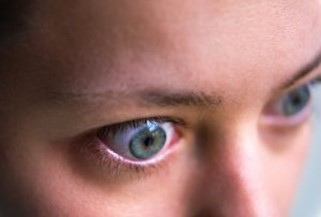
Glaucoma is a group of eye diseases that mainly affects people who are middle aged or older, but it can affect anyone at any age. There are more than three million people in the United States and 60 million people worldwide who suffer from glaucoma. Glaucoma is the second leading cause of blindness. Typically the disease starts to develop suddenly, often without symptoms,  and once vision is lost, it is permanent. As much as 40 percent of vision can be lost before some people even notice a problem. It usually starts with loss of peripheral vision. Glaucoma  is caused by damage to the optic nerve so that the  brain isn’t able to receive images from the eyes. There are two types of Glaucoma, Primary Open-Angle Glaucoma where pressure inside the eye increases on its own and damages the optic nerve and Secondary Glaucoma where another disease causes the pressure in the eye to increase and that results in optic nerve damage. Both types will eventually lead to blindness. Early detection of Glaucoma can help to slow down the progression of the disease. Regular eye exams are very important. To schedule an appointment with an eye doctor at Flushing Hospital Medical Center, please call 718- 670-5486.

All content of this newsletter is intended for general information purposes only and is not intended or implied to be a substitute for professional medical advice, diagnosis or treatment. Please consult a medical professional before adopting any of the suggestions on this page. You must never disregard professional medical advice or delay seeking medical treatment based upon any content of this newsletter. PROMPTLY CONSULT YOUR PHYSICIAN OR CALL 911 IF YOU BELIEVE YOU HAVE A MEDICAL EMERGENCY.

Holiday Safe Decorating Tips


Decorating your home for the holidays is always so much fun, but did you know that each year an estimated 250 house fires nationwide are caused by faulty holiday lights? Here are some tips for keeping your home safe this year:

  • Before stringing holiday lights always check the sockets to ensure they are not broken or cracked.
  • Never use indoor lights for outdoors use.
  • Turn off the indoor tree lights before going to bed or whenever you leave the house.
  • Do not connect more than three sets of lights to each extension cord.
  • Make sure that your lights have safety labels and are made by reputable companies.
  • Do not use candles on or near a tree.
  • Place your tree and gift-wrapped presents away from sources of heat such as fireplaces.
  • Make sure that your tree is secured firmly to its base so that it can’t tip over.
  • Artificial trees should be fire resistant.
  • Always keep a fire extinguisher handy and accessible in case of emergency.

Don’t ruin your holiday by being careless. A little common sense and taking some precautions will ensure a joyous holiday for you and your family.

All content of this newsletter is intended for general information purposes only and is not intended or implied to be a substitute for professional medical advice, diagnosis or treatment. Please consult a medical professional before adopting any of the suggestions on this page. You must never disregard professional medical advice or delay seeking medical treatment based upon any content of this newsletter. PROMPTLY CONSULT YOUR PHYSICIAN OR CALL 911 IF YOU BELIEVE YOU HAVE A MEDICAL EMERGENCY.

Testing for Memory Loss

As people age, they may experience memory loss. This may be due to several factors which include medication side effects, circulation issues, and simply because the brain doesn’t function as it once did. It is estimated that 10 percent of people over the age of 65 have some memory loss.

They may experience the following symptoms:

  • Asking the same question over and over
  • Mixing up words
  • Changing mood for no reason
  • Delaying the completion of tasks
  • Misplacing possessions
  • Confusing words

How is memory loss detected?

If memory loss is suspected, a physician will start by evaluating a person’s ability to recall names of objects, speak in coherent sentences, see clearly, have proper reflex responses, and follow commands. In addition to these basic exams, a physician will evaluate a patient’s ability to focus on a task, check for the ability to recall the time and place of events.

Other methods for evaluating a person for memory loss include psychometric testing which tests for decision making capability, problem solving, mental accuracy, and remembering details. Sometimes an MRI or a PET scan may be used to determine if there are any biological or anatomical causes, such as a tumor, that may be affecting memory.

If you feel as though you may be experiencing memory loss, it is advisable to speak with your physician. To schedule an appointment with a physician at Flushing Hospital Medical Center, please call 718-670-5486.

All content of this newsletter is intended for general information purposes only and is not intended or implied to be a substitute for professional medical advice, diagnosis or treatment. Please consult a medical professional before adopting any of the suggestions on this page. You must never disregard professional medical advice or delay seeking medical treatment based upon any content of this newsletter. PROMPTLY CONSULT YOUR PHYSICIAN OR CALL 911 IF YOU BELIEVE YOU HAVE A MEDICAL EMERGENCY.

Our Employee Spotlight Shines on Dave Brian Mangao, RN, CNM

This month, we are proud to shine our Employee Spotlight on Dave Brian Mangao, RN, CNM on 2 North. Dave began working at Flushing Hospital Medical Center nine years ago. He started as a unit clerk and after passing his NCLEX exam, became a night shift nurse on 2 North where he held the position for six years and was later promoted to Assistant Head Nurse then Nurse Manager.

Dave grew up in the Philippines. He attended Isabela West Elementary school. Dave continued his education at Isabela National High School. He graduated from the University of St. LaSalle where he obtained his Bachelor of Science Nursing degree.

Dave moved to the United States in 2014, initially residing in Woodside, Queens and currently lives in the Flushing area. He has no pets of his own, but his friend has two dogs, Mochi and Boba, that he considers to be like his own and with whom he enjoys spending time. In his free time, he likes going to his Jiu Jitsu class two or three times a week. His goal is to obtain his black belt one day soon. Dave also likes to paint and play chess. He also enjoys listening to music while he paints. Dave’s favorite food is Korean barbecue, especially oxtail if it is made by one of the members of the nursing staff in the ICU.

There are a few places Dave would like to visit, both for their culture and their art. He hopes to go to Japan, Paris, the Vatican, and Israel.

A few of the things that are important in Dave’s life are his religion, his health, his family, and loved ones. Having cherished memories of his experiences are also very important to him.

There are many reasons why Dave likes working at Flushing Hospital. He enjoys the interactions with his colleagues from whom he has learned so much. The nursing department administration has always encouraged him to move up in his career. He has learned so much about the profession from them and feels fortunate to be a part of the team. We look forward to having Dave work with us for many more years in the future.

All content of this newsletter is intended for general information purposes only and is not intended or implied to be a substitute for professional medical advice, diagnosis or treatment. Please consult a medical professional before adopting any of the suggestions on this page. You must never disregard professional medical advice or delay seeking medical treatment based upon any content of this newsletter. PROMPTLY CONSULT YOUR PHYSICIAN OR CALL 911 IF YOU BELIEVE YOU HAVE A MEDICAL EMERGENCY.

A Healthy Thanksgiving Recipe – Glazed Green Beans

Thanksgiving dinner is typically a large meal that consists of turkey and many side dishes. Here is a recipe from Good Housekeeping  for glazed green beans that is healthy, delicious, and easy to prepare. https://www.goodhousekeeping.com/food-recipes/a34349776/glazed-green-beans-recipe/

All content of this newsletter is intended for general information purposes only and is not intended or implied to be a substitute for professional medical advice, diagnosis or treatment. Please consult a medical professional before adopting any of the suggestions on this page. You must never disregard professional medical advice or delay seeking medical treatment based upon any content of this newsletter. PROMPTLY CONSULT YOUR PHYSICIAN OR CALL 911 IF YOU BELIEVE YOU HAVE A MEDICAL EMERGENCY.

Meet Our New Beginnings Team Member Vivian Chen, RN

This month, we are proud to highlight Vivian Chen, RN.  Vivian has been a member of our Flushing Hospital Medical Center team for five years, the last four in our Labor and Delivery suite.

There are many reasons why Vivian enjoys working on our New Beginnings Mother – Baby unit. She has a great deal of joy and pride in taking part in the birth of a child. She finds it very exciting and is so happy to share that moment with the moms she takes care for. Vivian also enjoys caring for the new moms and helping them with any challenges they may face.

Flushing Hospital Medical Center is a wonderful place to give birth because of people like Vivian who strive to make sure that the moms and their babies have the very best experience.

All content of this newsletter is intended for general information purposes only and is not intended or implied to be a substitute for professional medical advice, diagnosis or treatment. Please consult a medical professional before adopting any of the suggestions on this page. You must never disregard professional medical advice or delay seeking medical treatment based upon any content of this newsletter. PROMPTLY CONSULT YOUR PHYSICIAN OR CALL 911 IF YOU BELIEVE YOU HAVE A MEDICAL EMERGENCY.