World No Tobacco Day

Since 1987 the World Health Organization has recognized May 31st as a day to bring awareness around the world of the harmful effects of tobacco.

The risks of using tobacco are well documented, however many people around the world are not fully aware of the dangers.  There is a very strong link between tobacco use and heart disease, circulatory problems, and stroke.

Coronary vascular diseases are one of the world’s leading causes of death.  Tobacco use is the second leading cause of these types of diseases, hypertension being the leading cause.

With all of the knowledge we have about the harmful effects of tobacco use, there are still some who have not received the message and as a result, more than 7 million people die each year from the effects of tobacco.

A few of the initiatives that the World Health Organization is trying to implement to inform people about tobacco’s harmful effects are:
• Increase public knowledge of the risks of smoking and secondhand smoke
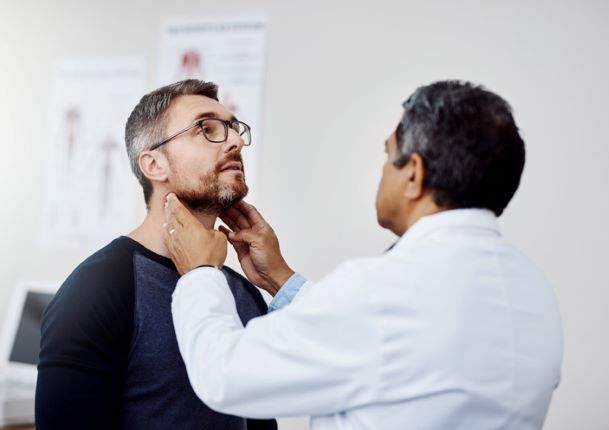
• Encourage healthcare providers to speak to their patients about the hazards of tobacco
• Encourage governmental  support for educational programs
• Seek ways to promote smoke-free zones in buildings and public spaces
• Increase taxes on tobacco products
• Make it more difficult to purchase tobacco products
• Ban tobacco advertising

If you are interested in quitting smoking, you can contact the Flushing Hospital Medical Center’s Smoking Cessation Navigators. Call 718-670-3146 for more information.

All content of this newsletter is intended for general information purposes only and is not intended or implied to be a substitute for professional medical advice, diagnosis or treatment. Please consult a medical professional before adopting any of the suggestions on this page. You must never disregard professional medical advice or delay seeking medical treatment based upon any content of this newsletter. PROMPTLY CONSULT YOUR PHYSICIAN OR CALL 911 IF YOU BELIEVE YOU HAVE A MEDICAL EMERGENCY.


Community Health Needs Assessment Survey

In collaboration with hospitals across the state, the MediSys Health Network (Jamaica and Flushing Hospital Medical Center) is conducting a Community Health Needs Assessment survey to determine the most important health concerns of the community, and we would greatly appreciate your input.

The Community Health Needs Assessment survey will assist in the development of a plan that involves many community partners to improve the health of our community. The results of this survey are very important as they can also impact funding, spending, and other wide-reaching decisions about healthcare delivery systems.

The survey is open to all community members residing in New York. To access it, please click here, and share what issues matter to you most.  Please share the survey with family, friends, and others so that their input can be heard. All responses are confidential.

Thank you for your time and for helping us gain valuable insights into the needs of the community.

All content of this newsletter is intended for general information purposes only and is not intended or implied to be a substitute for professional medical advice, diagnosis or treatment. Please consult a medical professional before adopting any of the suggestions on this page. You must never disregard professional medical advice or delay seeking medical treatment based upon any content of this newsletter. PROMPTLY CONSULT YOUR PHYSICIAN OR CALL 911 IF YOU BELIEVE YOU HAVE A MEDICAL EMERGENCY.

Learn The Facts About Cystic Fibrosis

Cystic fibrosis (CF) is a hereditary disease that affects the cells in your body that make mucus.  CF occurs when there is a mutation of the cystic fibrosis transmembrane conductance regulator (CFTR) gene. The mutation disables cells from moving chloride (a component of salt) to their surfaces.  Without the movement of chloride, cells cannot hydrate properly.  This leads to the production of mucus that is thicker and stickier than normal.

CF can result in damage to the digestive system, lungs, and other organs that utilize mucus to function.  The buildup of mucus can obstruct the ducts, tubes or passageways of these organs.

Those living with cystic fibrosis often have abnormally high levels of salt in their sweat.  Other complications or symptoms that may develop as a result of the disease include:

  • Frequent lung infections, including recurrent  pneumonia or bronchitis
  • Persistent cough with thick mucus
  • Frequent sinus infections
  • Wheezing
  • Shortness of breath
  • Nasal polyps
  • Fatigue
  • Delayed growth or puberty
  • Poor weight gain
  • Bowel movements of greasy bulky stools
  • Severe constipation
  • Male infertility

All babies born in the United States are screened for cystic fibrosis by testing small blood samples. In other cases, if someone is suspected to have CF, their doctor can order a sweat test to determine if chloride levels are normal.

Currently, there is no cure for CF. However; treatment is focused on alleviating symptoms and reducing complications. Treatment may include medications, physical therapy, pulmonary rehabilitation, or surgery.

All content of this newsletter is intended for general information purposes only and is not intended or implied to be a substitute for professional medical advice, diagnosis or treatment. Please consult a medical professional before adopting any of the suggestions on this page. You must never disregard professional medical advice or delay seeking medical treatment based upon any content of this newsletter. PROMPTLY CONSULT YOUR PHYSICIAN OR CALL 911 IF YOU BELIEVE YOU HAVE A MEDICAL EMERGENCY.

STI (STD) Awareness Month

Sexually transmitted infections (STIs), also known as sexually transmitted diseases (STDs) are infections that are spread by sexual contact. April marks National STI Awareness Month, a campaign sparked by the Centers for Disease Control and Prevention as an effort to counter the nation’s high rates of sexually transmitted infections. The United States currently has one of the highest rates of sexually transmitted diseases among all countries in the developed world.

The best way to prevent STIs is to not have sexual intercourse but that isn’t realistic for most. However, knowledge of prevention is the second-best option. To prevent the transmission of STIs, people need to be taught how to effectively use condoms.  The Centers for Disease Control and Prevention (CDC), outlines the steps on their website https://www.cdc.gov/condomeffectiveness/male-condom-use.html

All content of this newsletter is intended for general information purposes only and is not intended or implied to be a substitute for professional medical advice, diagnosis or treatment. Please consult a medical professional before adopting any of the suggestions on this page. You must never disregard professional medical advice or delay seeking medical treatment based upon any content of this newsletter. PROMPTLY CONSULT YOUR PHYSICIAN OR CALL 911 IF YOU BELIEVE YOU HAVE A MEDICAL EMERGENCY.

Tips To Survive Spring Allergy Season

In some parts of the country, spring allergy season starts as early as February and can last through the summer months. Tree pollen is the first sign of allergy season’s arrival and continues to cause allergy symptoms throughout March and April. Tree pollen and grass pollen are one and the same, beginning in late spring and continuing into early summer.

Allergies are the result of an over-reactive immune system. When allergies occur, the immune system mistakenly identifies an allergen such as pollen, pet dander, mold, and dust mites as an “invader.” As a reaction, the body mounts an inappropriate immune response. To get rid of the “invader,” the immune response triggers a response that results in you experiencing typical allergy symptoms like sneezing, runny nose, and itchy, watery eyes.

People are affected by all kinds of allergens. Some people need to avoid pollen and dust; others can’t be around dogs or cats. Regardless of what sets your allergies off, symptoms can interfere with daily activities and reduce your quality of life. Here are a few suggestions to lessen the severity of your allergies:

  1. Leave your shoes at the door- When you come home from the outside, taking your shoes off at the door lessens the amount of pollen you track into the house. Wipe down your dog’s coat before he comes into the house, too, because pollen clings to fur.
  1. Change your clothes when you get home- You can bring pollen into your home on your clothes and shoes even if you can’t see it. Toss soiled clothes in the hamper immediately; even better, take a shower.
  1. Clean or change the filters in your air conditioner- Change them at the intervals recommended by the manufacturer, or more frequently if it seems to help.
  1. Keep open windows closed- Open windows can be refreshing, but they let in pollen. Close windows and outside doors, especially on high-pollen days, and turn on the heat or the air-conditioning.
  1. Take allergy medicine at night.- If your doctor suggests or prescribes allergy medicine try taking them at night. Typically, allergy symptoms tend to be at their worst in the morning.


All content of this newsletter is intended for general information purposes only and is not intended or implied to be a substitute for professional medical advice, diagnosis or treatment. Please consult a medical professional before adopting any of the suggestions on this page. You must never disregard professional medical advice or delay seeking medical treatment based upon any content of this newsletter. PROMPTLY CONSULT YOUR PHYSICIAN OR CALL 911 IF YOU BELIEVE YOU HAVE A MEDICAL EMERGENCY.

The Benefits (And Some Warnings) About Using The Internet To Manage Your Health

The internet is a wonderful tool for us to gather information. One of the subjects that many use the internet for is to learn more about their health. Using online searches to increase your understanding of a potential or existing medical condition can be beneficial, but doctors do have warnings about how and when to utilize this technology.

There is no doubt that the internet has changed the physician-patient dynamic. It is estimated that over 90 percent of adults in the United States have access to the internet and approximately 75 percent of them have used it to conduct a search about a health condition within the last year.

For the most part, online searches are being done by patients before they see their doctor to determine if a visit is even necessary.  Some patients are armed with a plethora of knowledge when they arrive for their appointment, and they are asking their physician to confirm rather than diagnose a condition.  In other instances, many patients are using the internet to discuss medication and treatment options with their doctors as well as referrals for specialists.

But how are these internet searches affecting the doctor-patient relationship? If used correctly, doctors usually welcome and embrace their patient’s increased knowledge about their condition. They believe that an educated and engaged patient is better equipped to better manage their condition and make the correct lifestyle choices to improve their health. Most physicians also believe that if their patients come to them having already picked up some information online, they will get more out of the visit based on their increased knowledge of their condition. Lastly, many doctors use the internet as a valuable tool to reinforce what they are advising to those patients who may be otherwise skeptical of a diagnosis or treatment option.

Even with all of its advantages, doctors do warn that using the internet as a medical resource does have its pitfalls. Physicians want patients to understand that health information on the internet is endless and not all of it is accurate.  Relying on incorrect information can cause patients to either worry needlessly over a false self-diagnosis or worse, fail to seek treatment after incorrectly believing that they do not need medical attention.

The information found on the internet is intended to be supplemental, and not replace seeing your physician. The best recommendation to incorporate information obtained online is to bring it with you to your appointment and review it with your doctor. By collaborating with your provider you can build a better relationship that can ultimately lead to better health outcomes.

All content of this newsletter is intended for general information purposes only and is not intended or implied to be a substitute for professional medical advice, diagnosis or treatment. Please consult a medical professional before adopting any of the suggestions on this page. You must never disregard professional medical advice or delay seeking medical treatment based upon any content of this newsletter. PROMPTLY CONSULT YOUR PHYSICIAN OR CALL 911 IF YOU BELIEVE YOU HAVE A MEDICAL EMERGENCY.

Understanding Developmental Disabilities

March is Developmental Disabilities Awareness Month. During this month-long observance, we look to raise awareness and educate the community on developmental disabilities.

Developmental disabilities are a group of conditions due to an impairment in physical, learning, language, or behavior areas. These conditions begin during a child’s developmental period, may impact day-to-day functioning, and usually last throughout a person’s lifetime.

Developmental disabilities occur among all racial, ethnic, and socioeconomic groups. Recent estimates in the United States show that about one in six, or about 17%, of children aged 3 through 17 years have one or more developmental disabilities, such as:

  • ADHD
  • Autism
  • Cerebral palsy
  • Down syndrome
  • Hearing Loss
  • Vision impairment

According to the Centers for Disease Control (CDC), most developmental disabilities are believed to be caused by a complex mix of factors including genetics; parental health and behaviors (such as smoking and drinking) during pregnancy; complications during birth; infections the mother might have during pregnancy or the baby might have very early in life; and exposure of the mother or child to high levels of environmental toxins, such as lead. Some developmental disabilities, such as fetal alcohol syndrome is caused by drinking alcohol during pregnancy.

Diagnosing a developmental disability involves monitoring when children reach developmental milestones, such as when they first speak, crawl and walk and how they behave and learn. As a parent, you know your child best. If you feel your child is not meeting the milestones for his or her age, speak with your pediatrician and share your concerns because early intervention is vital in helping your child overcome barriers and lead a full life.

All content of this newsletter is intended for general information purposes only and is not intended or implied to be a substitute for professional medical advice, diagnosis or treatment. Please consult a medical professional before adopting any of the suggestions on this page. You must never disregard professional medical advice or delay seeking medical treatment based upon any content of this newsletter. PROMPTLY CONSULT YOUR PHYSICIAN OR CALL 911 IF YOU BELIEVE YOU HAVE A MEDICAL EMERGENCY.

MediSys Health Network CEO Named to the Mayor’s Health Equity Task Force

On February 17, New York City Mayor Eric Adams announced the formation of his administration’s COVID-19 Recovery Roundtable and Health Equity Task Force. This task force was created to advise the administration on long-term, comprehensive policies around health equity and health access.

This roughly 40-person commission, unprecedented for its diversity, is comprised of a group of leaders from 11 different industries from across the city. One of those chosen to join this esteemed panel of leaders is MediSys (Jamaica and Flushing Hospital) President and CEO, Bruce J. Flanz.

Mr. Flanz, along with the other members of the COVID-19 Recovery Roundtable and Health Equity Task Force will meet monthly and focus their attention on continuing the city’s path to a speedy, effective, and equitable recovery from the COVID-19 pandemic as well as building a healthier and stronger city for all New Yorkers.

According to Mayor Adams, “We cannot build a just and prosperous recovery for all New Yorkers without bringing together and listening to experts and community leaders from across the city. The COVID-19 Recovery Roundtable and Health Equity Task Force brings not only the best minds together to build a speedy recovery, but a lasting one. I’m grateful to the members for bringing their time and ideas to the city as we work towards this shared goal.”

First Deputy Mayor Lorraine Grillo added, “I’m thrilled to have leaders from every corner of New York City as part of our COVID-19 Recovery Roundtable and Health Equity Taskforce. Thank you to everyone who has joined this effort, I’m looking forward to rolling up our sleeves and getting to work developing long term policies to guide our city through a just and equitable recovery.”

Mr. Flanz stated, “I am extremely proud to serve on this task force and I commend Mayor Adams for addressing these important issues. Representing two Queens-based hospitals located at the epicenter of the COVID pandemic, I witnessed first-hand the devastating effects the pandemic had on our communities that already face many socio-economic challenges. I look forward to working with this diverse group of talented individuals to address these disparities and create a more equitable health system for all.”

All content of this newsletter is intended for general information purposes only and is not intended or implied to be a substitute for professional medical advice, diagnosis or treatment. Please consult a medical professional before adopting any of the suggestions on this page. You must never disregard professional medical advice or delay seeking medical treatment based upon any content of this newsletter. PROMPTLY CONSULT YOUR PHYSICIAN OR CALL 911 IF YOU BELIEVE YOU HAVE A MEDICAL EMERGENCY.

Eating Disorders Myths Debunked

“You can tell if someone has an eating disorder by looking at them,” “eating disorders are caused by a diet gone too far,” and “only young women are affected”   are some of the popular misconceptions associated with eating disorders.

Studies show that despite growing awareness and education about eating disorders, many people still continue to view myths such as these as factual.  This is dangerous as misinformation can result in the denial of symptoms and the validation of harmful behaviors.

In an effort to stop the spread of harmful information, we are providing the following myths and facts about eating disorders:

Myth –You can tell if someone has an eating disorder by looking at them.

Fact- Many individuals with eating disorders seem healthy in appearance. In several circumstances, weight loss or weight gain may not be obvious during the onset of eating disorders.  It is also common for sufferers to learn how to hide symptoms of their illness by doing things such as wearing baggy clothing.

Myth- Eating disorders are lifestyle choices or result from diets taken too far.

Fact – Going on a diet is a choice and having an eating disorder is not.  Eating disorders are life-threatening illnesses that are associated with psychological, social, or emotional distress.

Myth- Only adolescent women are affected by eating disorders.

Fact- Eating disorders do not discriminate by gender or age.  In fact, it is estimated that 10 million men living in the United States have an eating disorder.  More and more people are seeking treatment for these disorders in their twenties and up.  There are three main groups of people that fit into this category:

  • Those who secretly struggle with eating disorders for years without seeking treatment.
  • Those who received treatment earlier in life and are experiencing recurring symptoms
  • Those who have developed eating disorders as adults

All content of this newsletter is intended for general information purposes only and is not intended or implied to be a substitute for professional medical advice, diagnosis or treatment. Please consult a medical professional before adopting any of the suggestions on this page. You must never disregard professional medical advice or delay seeking medical treatment based upon any content of this newsletter. PROMPTLY CONSULT YOUR PHYSICIAN OR CALL 911 IF YOU BELIEVE YOU HAVE A MEDICAL EMERGENCY.

National Condom Week

The United States currently has one of the highest rates of sexually transmitted infections (STIs) among all countries in the developed world.

This is why it is important to recognize National Condom Week which is observed from  February 14th to the 21st.

The best way to prevent STIs is to not have sexual intercourse but that isn’t realistic for most. Therefore, knowledge of prevention is the second-best option. To prevent the transmission of STIs, people should know how to effectively use condoms.  The Centers for Disease Control and Prevention (CDC), outlines the steps on their website https://www.cdc.gov/condomeffectiveness/male-condom-use.html

All content of this newsletter is intended for general information purposes only and is not intended or implied to be a substitute for professional medical advice, diagnosis or treatment. Please consult a medical professional before adopting any of the suggestions on this page. You must never disregard professional medical advice or delay seeking medical treatment based upon any content of this newsletter. PROMPTLY CONSULT YOUR PHYSICIAN OR CALL 911 IF YOU BELIEVE YOU HAVE A MEDICAL EMERGENCY.