Welcome to the Stroke Unit at Flushing Hospital in Queens, NY
Find out how Flushing Hospital’s stroke unit, which is designated as a New York State Stroke Center, can help you or a loved one recover after suffering a stroke.
What Is a Stroke?
A stroke is a serious medical condition that occurs when blood flow to a person’s brain is stopped or blocked. Their brain cells can start to die within just a few minutes, making it extremely important for them to seek emergency treatment at Flushing Hospital’s stroke unit. Problems related to a stroke may include weakness in a person’s arms or legs, loss of speech, and even paralysis, depending on the severity of the stroke. According to the American Stroke Association , strokes can lead to long-term disabilities and are the fifth-leading cause of death in the U.S.
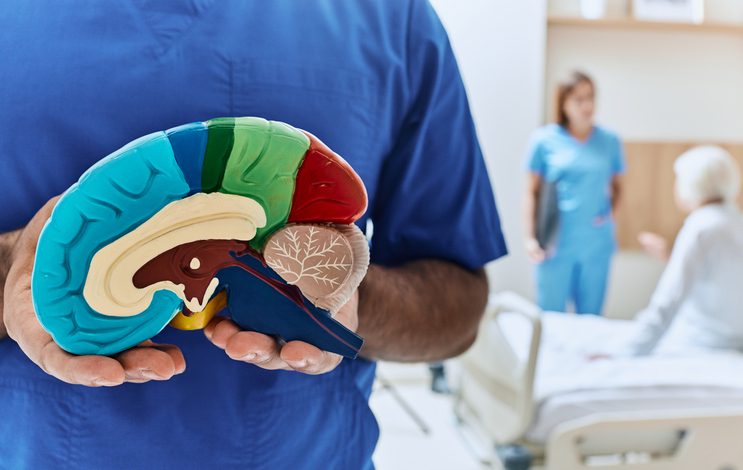

What Are the Warning Signs of a Stroke?
Ischemic and hemorrhagic strokes are the two main stroke types. An ischemic stroke occurs when a clot blocks blood flow in a vessel in the brain, while a hemorrhagic stroke involves a blood vessel rupturing and bleeding into the brain. The warning signs of both these types of strokes include severe headaches, vision problems, difficulty speaking, numbness of the face, arm, and leg on the same side of the body, and loss of balance and coordination. Visit our stroke center in Queens, NY, immediately for treatment if you observe any of these symptoms.
How Can I Tell If a Loved One Is Having a Stroke?
Witnessing a loved one have a stroke is often a scary experience. The stroke unit at Flushing Hospital recommends keeping the acronym BEFAST in mind to help identify a stroke quickly:
- B = Balance: Did your loved one lose their balance suddenly?
- E = Eyes: Have they lost vision in one or both of their eyes?
- F = Face: Does their face have an uneven appearance?
- A = Arms: Is one of their arms weak or even numb?
- S = Speech: Is their speech slurred, and/or do they seem confused when you speak to them?
- T = Time: Have you called 911? If not, do it immediately to prevent their stroke symptoms from worsening.
Useful Stroke Prevention Tips
Flushing Hospital’s state-of-the-art stroke unit is here to help those in the Queens community who have experienced ischemic and hemorrhagic strokes. We also encourage everyone to work to prevent strokes by remembering these tips:
-
- Quit smoking.
- Limit alcohol consumption.
- Keep blood pressure under control.
- Manage cholesterol levels.
- Exercise regularly.
- Maintain a healthy weight.

Learn More About the Stroke Unit at Flushing Hospital
Contact us at the stroke unit at Flushing Hospital in Queens, NY, to discover more about our award-winning stroke treatment services for elderly patients and others. Call (718) 670-5000 to obtain more information.


