
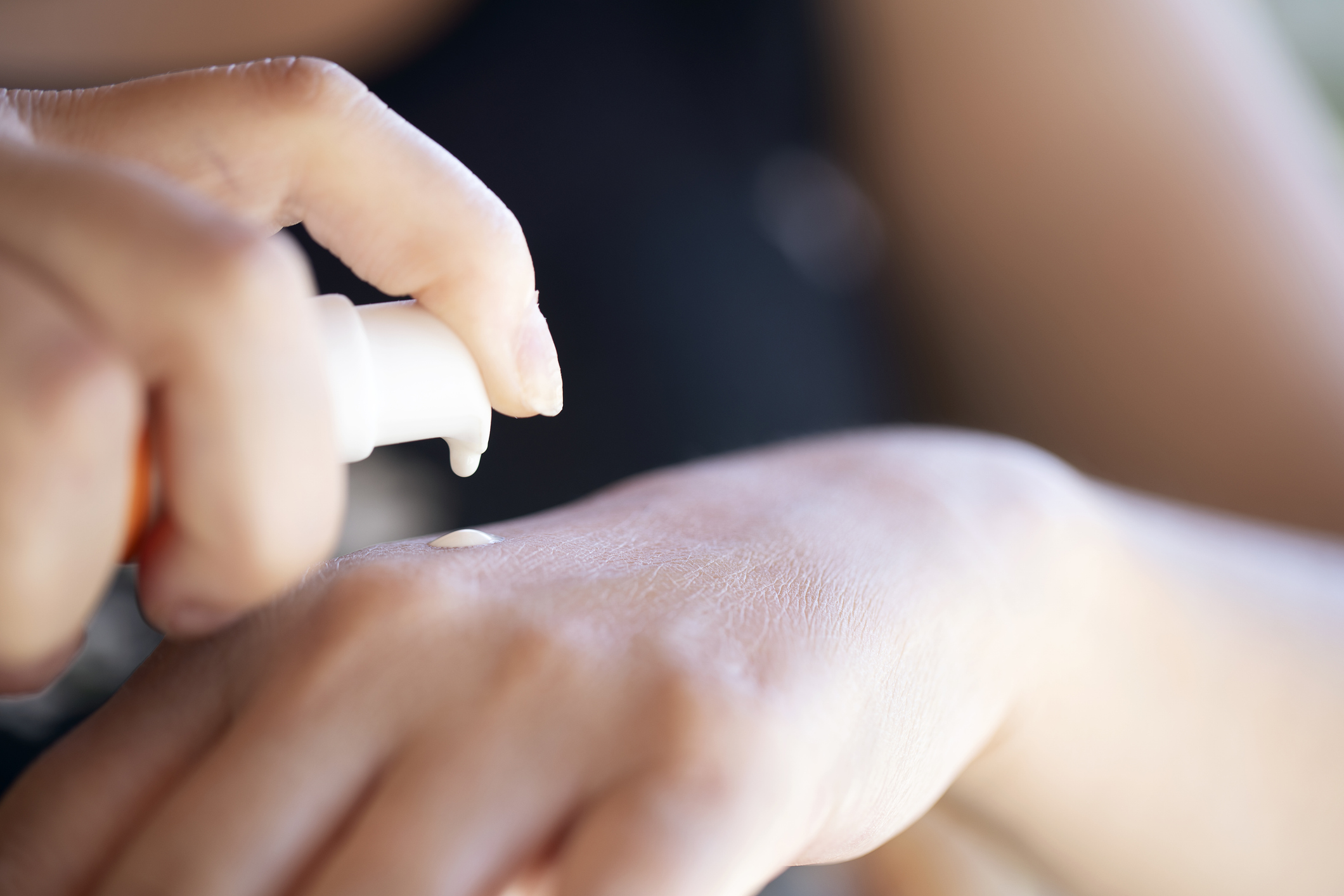
 Summer is upon us, and with it comes days with increased ultraviolet (UV) radiation, which can put you at risk of skin damage and skin cancer, even with limited exposure.
Using certain skin products can increase our skin’s exposure and sensitivity to harmful UV rays. When a person has heightened skin sensitivity or an unusual reaction to UV radiation from sunlight, it is called photosensitivity.
There are two types of photosensitivity reactions: phototoxic and photoallergic.
A phototoxic photosensitivity reaction is the most common reaction, usually occurring when a medication taken orally or topically is activated by UV light, causing skin damage that can look and feel like a sunburn or rash. It can also be triggered by certain ingredients in skin care products. The reaction can happen within minutes or after hours of exposure and is usually limited to the skin that has been exposed.
Photoallergic photosensitivity is much less common and occurs when UV rays interact with ingredients in medicines or other products that are applied directly to the skin. The body’s immune system recognizes changes caused by sun exposure as an external threat, triggering a reaction, causing the body to generate antibodies and attacks. This reaction can leave a rash, blisters, red bumps, or even oozing lesions one to three days after application and sun exposure.
A person can develop photosensitivity as a result of prescription or over-the-counter medications or when using certain types of skin care products.
Certain ingredients in skin care products we use to take care of our skin, such as retinols, alpha hydroxy acids like glycolic acid, or benzoyl peroxide, remove the outermost layer of skin to fight lines or acne. Skin brighteners like vitamin C may decrease the melanin, the substance in the skin that serves as a natural defense against the sun’s rays, causing photosensitivity and increasing the risk of skin damage due to sun exposure.
You can avoid the risk of photosensitivity when using retinol by:
- Only using retinol at night
- Avoid daily use, unless your skin has built up a tolerance to it
- Condition your skin to retinol by gradually increasing the strength and frequency at which you are using it
- Stop using it during the hot summer months when spending time outside, and seven or more days before and after a vacation at the beach
- Not using retinol at all if you are pregnant or breastfeeding
As an alternative, use bio-retinol, which contains botanical ingredients and has the same benefits as retinol.
Instead of using products that contain alpha hydroxy acids, use products containing beta hydroxy acids as they are sun-friendly alternatives.
There are several ways to protect your skin from photosensitive sun damage due to UV radiation exposure, including:
- Taking care of your skin by shielding it from the sun on sunny days
- Wearing a broad-brimmed hat and sun-protective clothing
- Using a broad-spectrum sunscreen with an SPF of at least 30 on all exposed skin, and not forgetting the back of the hands. Reapply sunscreen every two hours
- Minimizing your exposure to UV radiation, especially during the peak hours of 10 am to 4 pm
- Checking your skin monthly and visiting a dermatologist at least once a year for a professional skin exam
Understanding what photosensitivity is and what causes it can help you protect your skin and limit exposure to UV radiation.
If you or a loved one is experiencing symptoms of skin damage from photosensitivity, you can receive treatment at Flushing Hospital Medical Center’s Ambulatory Care Center. To schedule an appointment, please call (718) 670-5486.
All content of this newsletter is intended for general information purposes only and is not intended or implied to be a substitute for professional medical advice, diagnosis or treatment. Please consult a medical professional before adopting any of the suggestions on this page. You must never disregard professional medical advice or delay seeking medical treatment based upon any content of this newsletter. PROMPTLY CONSULT YOUR PHYSICIAN OR CALL 911 IF YOU BELIEVE YOU HAVE A MEDICAL EMERGENCY.