
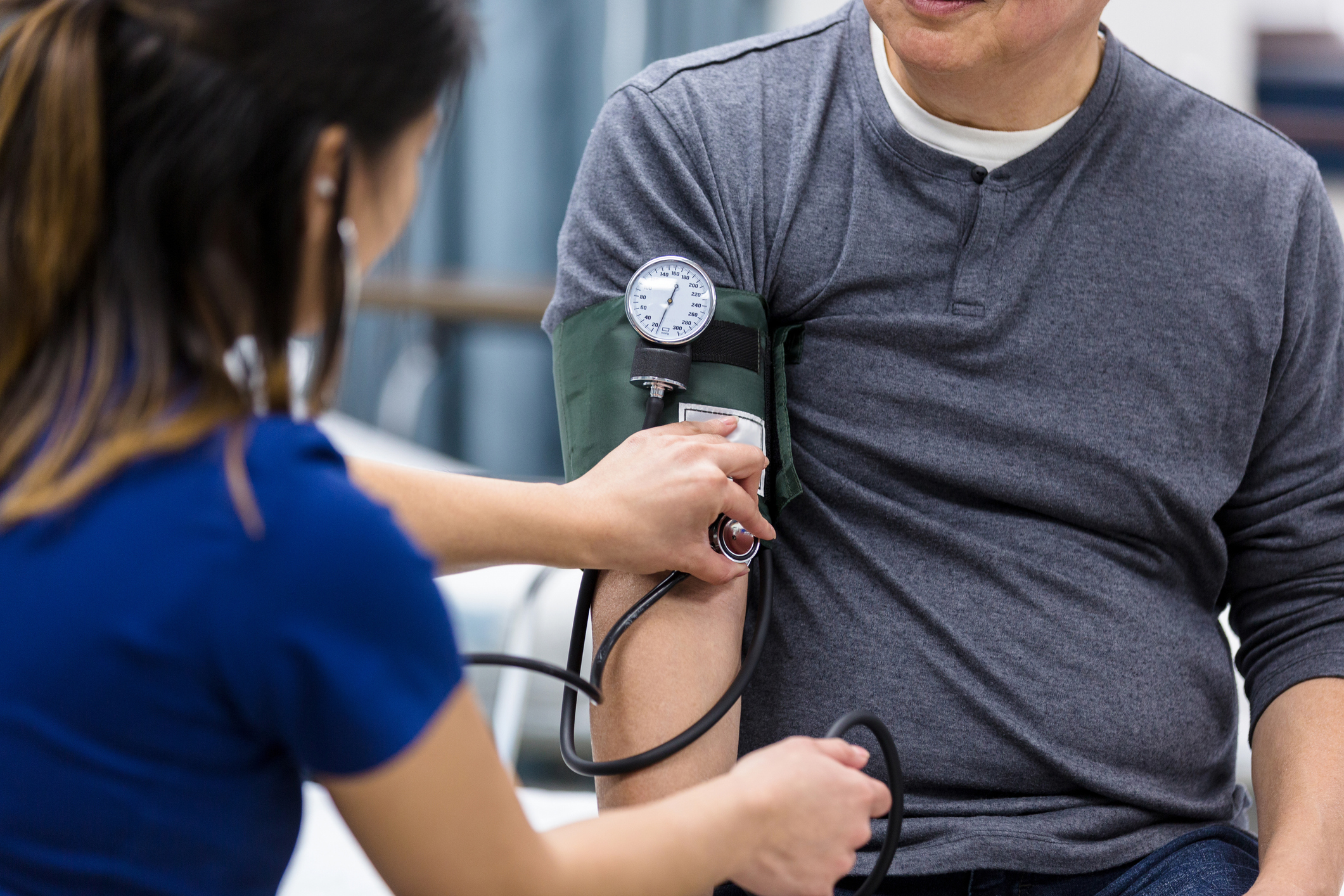
 Labile hypertension means your blood pressure goes up and down in a way that can be difficult to predict and manage with medications. This is not an official diagnosis. Instead, it is more of an informal, descriptive term.
Blood pressure normally fluctuates throughout the day, even within minutes, based on what you are doing. However, sudden emotional distress, such as feeling very stressed or anxious, causes your sympathetic nervous system to react.
The exact triggers for labile hypertension vary from person to person. Some people have emotional triggers. Other people can have triggers, such as:
- Physical activity
- Salty foods
- Alcohol
- Lack of sleep
- Your body position
To support normal blood flow, your body must adapt to these changes. However, with labile hypertension, your blood pressure spikes to levels that would not be healthy if you had them all the time.
There is no reason to worry if your blood pressure is in the normal range. Labile hypertension usually isn’t dangerous and doesn’t require treatment. However, it is a good idea to tell your healthcare provider about any high blood pressure readings, so they are aware of them. Your healthcare provider may want to keep a closer eye on your blood pressure in case you need treatment at some point.
You can have labile hypertension without noticing. However, it is common to experience symptoms that come on rapidly, in response to stress, and dissipate once you feel better emotionally. You may feel symptoms such as:
- A headache
- Heart palpitations
- Heavy sweating
- Flushing or a warm sensation in the upper body
A healthcare provider may determine that you have labile hypertension if they observe a pattern of blood pressures that fluctuate unpredictably, which can make it difficult to manage.
A healthcare provider may perform tests such as “orthostatic” vital signs, which means checking your blood pressure while you’re in different positions.
A healthcare provider may also consider looking for neurological causes of labile blood pressure or evidence of stiffening in your aorta and blood vessels, as both can lead to sudden changes in blood pressure.
If your blood pressure spikes while at home, you can use a home blood pressure monitor that saves a history of your readings to share with your healthcare provider. They may ask you to do ambulatory blood pressure monitoring, which measures your blood pressure many times over 24 hours. Ambulatory blood pressure monitors show your average readings during the day and night, which can show if you have high blood pressure all the time or only at certain times.
There isn’t a threshold for what is considered to be labile hypertension. However, research shows that it is common to have a systolic blood pressure of 160 mm Hg or higher.
A healthcare provider will prescribe medicine to keep your blood pressure at a healthy level. It may take several tries to prescribe medications to level your blood pressure throughout the day. Prescription medications may include taking certain, longer-acting blood pressure medications. A healthcare provider may also suggest taking medications at certain times of the day, such as at specific times in the morning, at night, or with certain triggers.
It is difficult to treat labile hypertension. However, documenting your blood pressure readings accurately and working with your healthcare provider can help make a difference.
If you or a loved one is experiencing symptoms of labile hypertension, you can receive treatment at Flushing Hospital Medical Center’s Ambulatory Care Center. To schedule an appointment, please call (718) 670-5486.
All content of this newsletter is intended for general information purposes only and is not intended or implied to be a substitute for professional medical advice, diagnosis or treatment. Please consult a medical professional before adopting any of the suggestions on this page. You must never disregard professional medical advice or delay seeking medical treatment based upon any content of this newsletter. PROMPTLY CONSULT YOUR PHYSICIAN OR CALL 911 IF YOU BELIEVE YOU HAVE A MEDICAL EMERGENCY.