
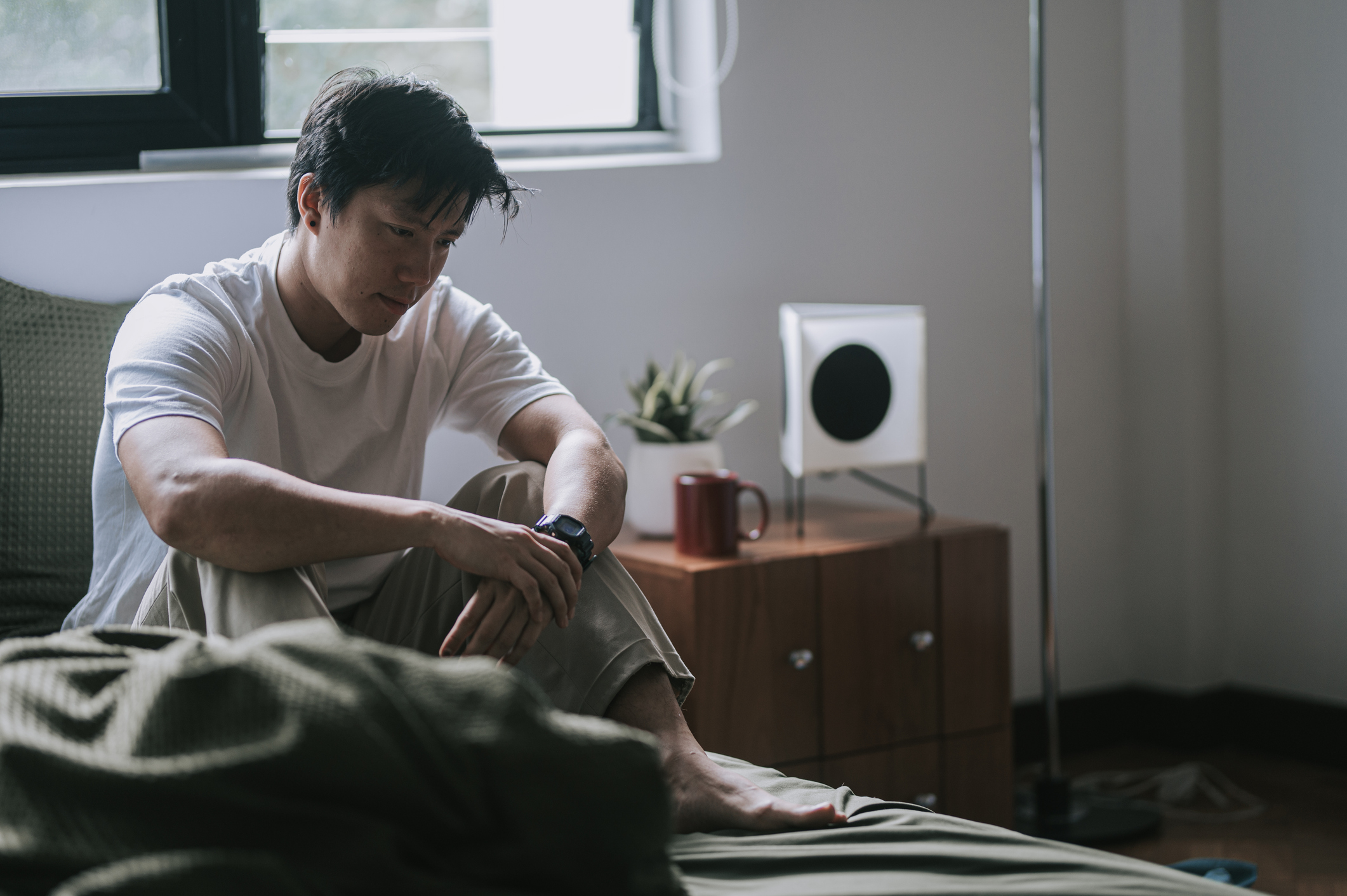
 Seasonal affective disorder (SAD), also known as seasonal depression, is a type of depression that is triggered by the change of seasons. It usually starts in late fall or early winter and goes away in spring and summer. This is called winter-pattern SAD or winter depression.
Seasonal affective disorder affects about 5% of adults in the U.S. It tends to start in young adulthood (usually between the ages of 18 and 30).
The American Psychiatric Association classifies SAD as major depressive disorder with seasonal patterns and can cause a person to experience mood changes and symptoms of depression. Symptoms of depression can include:
- A persistent mood of sadness, anxiousness, or emptiness most of the day, nearly every day for at least weeks
- Feelings of hopelessness or negativity
- Feelings of irritability, frustration, or restlessness
- Feelings of guilt, worthlessness, or helplessness
- A loss of interest or pleasure in favorite hobbies and activities
- Fatigue, decreased energy, or a slowed down feeling
- Difficulty concentrating, remembering, or making decisions
- Changes in sleep, appetite, or unplanned weigh changes
- Physical aches or pains, headaches, cramps, or digestive problems that have an unknown cause and don’t go away with treatment
- Thoughts of death, suicide, or suicide attempts
Winter-pattern seasonal affective disorder can cause additional symptoms, including:
- Oversleeping
- Overeating, with cravings for carbohydrates, which can lead to weight gain
- Social withdrawal
Although it is rare, people can experience summer-pattern SAD, or summer depression, which starts in the late spring or early summer and ends in the fall. Symptoms for summer-pattern SAD include:
- Insomnia
- Anxiety
- A poor appetite that leads to weight loss
- Restlessness and agitation
- Aggressive or violent behavior
Unfortunately, researchers are unsure of what causes seasonal affective disorder. However, studies indicate that people with SAD, especially winter-pattern SAD, have reduced levels of serotonin, the brain chemical that helps regulate mood. According to the National Institute of Mental Health, there is research that also suggests that sunlight affects levels of molecules that help maintain normal serotonin levels. Shorter daylight hours may prevent these molecules from functioning properly, which can contribute to a decrease in serotonin levels in the winter.
A vitamin D deficiency may worsen problems associated with winter-pattern SAD because vitamin D is believed to promote serotonin activity. Vitamin D can be consumed in food and can also be produced by the body when the skin is exposed to sunlight. With less daylight in the winter, people with SAD may have lower levels of vitamin D, which further reduces serotonin activity.
In addition to lower vitamin D levels, there are other studies that suggest that both forms of SAD relate to altered levels of melatonin, the hormone that is key for maintaining the normal sleep/wake cycle. People who have winter-pattern SAD can produce too much melatonin, which can increase sleepiness and lead to oversleeping.
It is important to note that you shouldn’t try to diagnose yourself if you are experiencing symptoms of SAD. See a healthcare provider to be properly evaluated as you may be suffering from depression for another reason. A healthcare provider may refer you to a psychiatrist or psychologist who will assess your pattern of symptoms and determine if you have seasonal depression or another mood disorder.
Although there isn’t a blood test or scan to diagnose seasonal depression, a healthcare provider may recommend testing to rule out other conditions that cause similar symptoms, including testing your thyroid to make sure that it is functioning properly.
There are several treatment options for SAD, including:
- Light therapy
- Cognitive behavioral therapy (CBT)
- Antidepressant medication
- Spending time outdoors
- Vitamin D supplements
If you or someone you know is struggling or having thoughts of suicide, call or text the 988 Suicide and Crisis Lifeline at 988 or chat at 988lifeline.org. In life-threatening situations, call 911.
To find out more about our mental health services or to schedule a virtual appointment, call (718) 670-5316 to speak with our intake coordinator or call (718) 670-5562 to reach the clinic.
All content of this newsletter is intended for general information purposes only and is not intended or implied to be a substitute for professional medical advice, diagnosis or treatment. Please consult a medical professional before adopting any of the suggestions on this page. You must never disregard professional medical advice or delay seeking medical treatment based upon any content of this newsletter. PROMPTLY CONSULT YOUR PHYSICIAN OR CALL 911 IF YOU BELIEVE YOU HAVE A MEDICAL EMERGENCY.